
Waterless essential oil diffusers, also known as nebulizing diffusers, offer a highly potent and pure aromatherapy experience by dispersing undiluted essential oils directly into the air without the use of water or heat. Unlike traditional ultrasonic models that rely on a water tank to create a fine mist, these devices use high-pressure air currents to atomize pure essential oils into microscopic particles. Because specific top brands and models vary widely by regional stock, local availability, and rapid release cycles, there is no single universal winner. The ideal choice for your space depends on how well a specific model’s nebulization strength, coverage area, acoustic profile, and maintenance requirements align with your daily routine and living environment.
This guide establishes a clear, practical framework for comparing waterless diffusers. Rather than relying on static brand rankings that quickly become outdated, we will focus on the core engineering differences, performance metrics, and material choices that determine long-term satisfaction. Whether you are looking to scent a spacious open-plan living room or a compact home office, understanding these technical dimensions will help you make an informed investment.
Key Features to Compare in Waterless Diffusers
To make an accurate comparison between different waterless models, it is essential to understand the underlying technology that sets them apart from water-based alternatives. Nebulizing technology relies on Bernoulli’s principle, where high-velocity pressurized air passes through a narrow tube, creating a vacuum that pulls the essential oil upward. This stream of air shears the oil into an ultra-fine vapor of microscopic droplets, which is then released directly into the room. Because no water is added, the scent remains highly concentrated and true to the original botanical profile, making it a popular choice for therapeutic aromatherapy.
Products mentioned in this guide
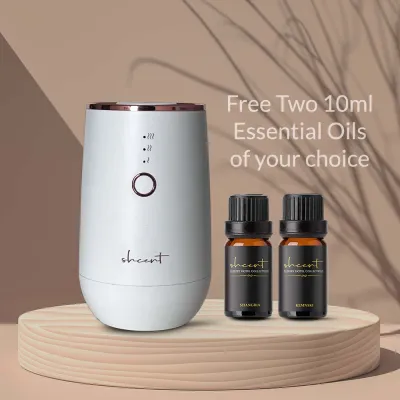
![[KIRONA SCENT] Blanc Portable Diffuser (Black) | Waterless Essential Oil Aromatherapy | USB & Battery Powered | 7 LED Light | For Car Desk Spaces](https://img.lazcdn.com/g/p/e0d4ddaa16fd1f1b98212d47ee4f3911.png_400x400q80.png_.webp)
![[KIRONA SCENT] Zen Aroma Nebulizer | Free 10ml Pure Essential Oil | Aromatherapy Diffuser | Waterless & Wireless | Compact for Work and Study Desk Bedrooms Bathroom | Hotel & Shopping Mall Fragrances](https://img.lazcdn.com/g/p/8e10d1a9b85361c628f4aa6f19620edf.png_400x400q80.png_.webp)
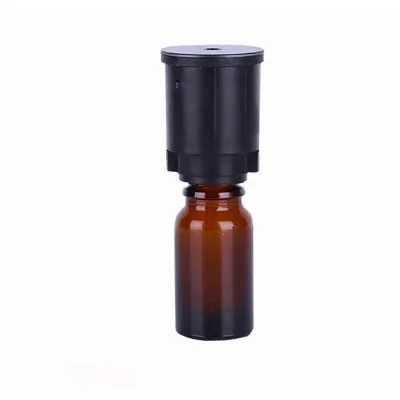
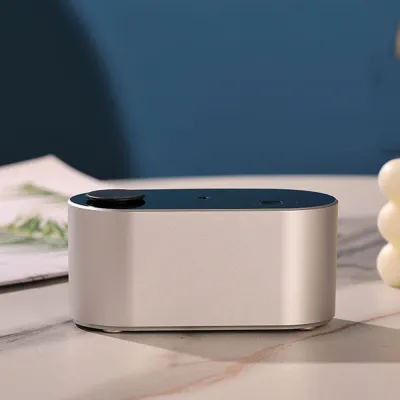
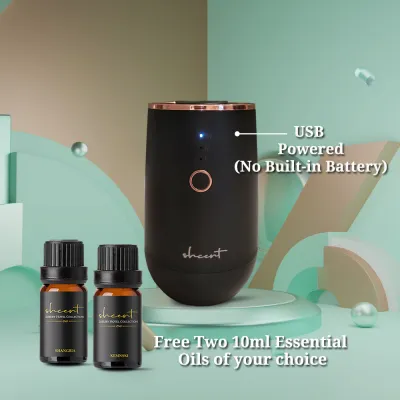
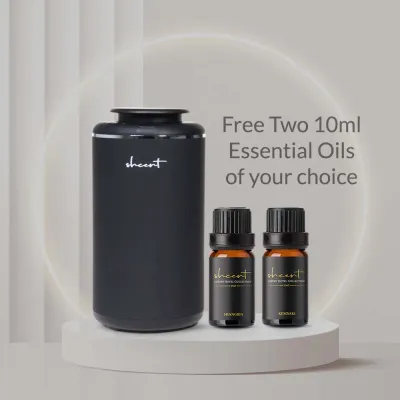
![[KIRONA SCENT] Tower Nebulizer (Black) | Waterless Diffuser | FREE 100ml Pure Essential Oil](https://img.lazcdn.com/g/p/34c47a9790c38b2a7536eac928ef372d.png_400x400q80.png_.webp)
Prices are valid at publication and may change. Please refer to the product page for the latest price.
When evaluating different models on an ecommerce platform or at a local retailer, the first specification to check is the oil dispersion mechanism. Some waterless diffusers require you to screw the essential oil bottle directly into the device, while others feature a built-in glass or metal reservoir that you must manually fill. Direct-bottle attachment models offer maximum convenience and minimize the risk of spills, but they limit you to specific bottle sizes, typically 10ml or 15ml. Reservoir-style models offer more flexibility with oil brands but require more careful handling during refills.
Another critical feature to compare is the customization of the diffusion cycle. Because pure essential oils are highly potent, continuous diffusion can quickly overwhelm a room and saturate your olfactory senses. Look for models that offer robust timer settings and intermittent diffusion modes, such as diffusing for 10 seconds followed by a 50-second pause. High-quality models allow you to adjust both the mist volume and the interval duration, giving you precise control over the scent intensity and oil consumption rate.
Finally, pay close attention to the power source and portability features. Waterless diffusers are available in both corded desktop designs and rechargeable, battery-operated portable units. If you plan to move the device between your study, living room, or vehicle, a compact, rechargeable model with a USB-C interface offers excellent flexibility. However, if you require consistent, high-output diffusion for a large living space, a mains-powered unit with a dedicated power adapter is generally more reliable and powerful.
Evaluating Performance: Coverage Area and Noise Levels
Manufacturers of waterless diffusers often advertise expansive coverage areas, sometimes claiming a single compact device can scent spaces up to 100 square meters. When verifying these claims, it is important to look past the marketing numbers and consider your actual room dimensions, ceiling heights, and natural airflow. In typical Singapore apartments, such as HDB flats or condominiums, closed doors and air-conditioning units significantly alter how scent travels. A diffuser placed near an air-conditioning return vent or a circulating ceiling fan will disperse oil much more rapidly throughout the room than one placed in a stagnant corner.

The effective scent throw of a waterless diffuser is directly linked to the strength of its internal air pump and the viscosity of the oil being used. Thinner, citrus-based oils atomize very easily and travel quickly, whereas thicker, wood-based or resinous oils require a stronger pump to achieve the same level of dispersion. If you have high ceilings or an open-concept layout, look for a diffuser with an adjustable pump speed. This allows you to increase the pressure when you need to fill a larger volume of air, or dial it down for a more intimate, localized scent bubble.
Acoustic performance is one of the most common trade-offs when choosing a waterless diffuser over an ultrasonic model. Because nebulizing diffusers rely on an active mechanical air pump to pressurize the oil, they inherently produce an audible humming, buzzing, or vibrating sound during operation. While ultrasonic diffusers are nearly silent, a waterless model will always have a distinct acoustic footprint. When comparing models, check the manufacturer’s decibel (dB) ratings, keeping in mind that any rating below 35 dB is generally considered quiet enough for a study, while ratings above 45 dB may be distracting in a quiet bedroom.
To mitigate this noise, look closely at the physical design and build of the diffuser’s base. Premium models often incorporate internal sound-dampening chambers, silicone suspension mounts for the pump, or thick rubber feet on the bottom of the unit to absorb vibrations. If you plan to place the diffuser on a hard wooden table or a glass shelf, these vibration-dampening features are crucial, as a poorly insulated pump can turn a hard surface into a sounding board, amplifying the hum significantly.
Build Quality, Maintenance, and Long-Term Use
The materials used in the construction of a waterless diffuser directly impact its durability and safety when exposed to highly concentrated essential oils. Pure essential oils are natural solvents that can degrade, warp, or dissolve certain types of plastics over time, leading to leaks or mechanical failure. High-quality waterless diffusers typically utilize inert materials such as hand-blown glass, medical-grade stainless steel, aluminum alloy, or specialized chemical-resistant plastics for any parts that come into direct contact with the oil. A solid aluminum or wooden exterior not only adds aesthetic value to your home decor but also provides a sturdy, weighted base that prevents accidental tipping.
Regular maintenance is non-negotiable for waterless diffusers because the microscopic nozzles in nebulizing nozzles are highly susceptible to clogging. As volatile compounds in the essential oils evaporate, they leave behind a sticky, resinous residue that can block the airflow and stop the atomization process entirely. To prevent this, you must establish a routine cleaning schedule. Most manufacturers recommend running a small amount of high-percentage isopropyl alcohol or a dedicated diffuser cleaner through the machine for a few minutes every one to two weeks, or whenever you switch between different oil scents.
Compatibility with different oil types is another critical factor for long-term reliability. You must always consult the manufacturer’s guidelines to verify which oils are safe to use in your specific device. As a general rule, thick carrier oils (such as jojoba, sweet almond, or coconut oil), heavy absolutes, and synthetic fragrance oils should never be used in a waterless diffuser, as their high viscosity will quickly overwhelm and damage the delicate pump mechanism. Stick to 100% pure, therapeutic-grade essential oils, and pay close attention to any warnings regarding specific botanical extracts that may be too dense for nebulization.
Decision Framework: Choosing the Right Waterless Diffuser
To help you finalize your decision, use the following framework to match a waterless diffuser to your specific lifestyle, environment, and willingness to perform regular maintenance.
Choose a high-output, mains-powered waterless diffuser with a glass reservoir if you want to scent a large, open-concept living area, prefer a highly concentrated aroma, and do not mind spending a few minutes each week cleaning the delicate glass components. This setup delivers the most potent scent throw and serves as an elegant decorative statement piece on a console or side table.
Choose a compact, rechargeable, direct-bottle attachment diffuser if you prioritize portability, want to move the device between your home office, car, and bedside, and prefer a low-mess setup where you can swap oil bottles quickly without handling loose liquids. This option is ideal for localized personal scenting and fits seamlessly into modern, minimalist spaces.
Neither option may fit your needs if you are highly sensitive to subtle humming noises while sleeping, require a device that also adds moisture to dry air (such as in a heavily air-conditioned room where a humidifier-diffuser hybrid might be preferred), or are looking for a budget-friendly, set-and-forget option with zero maintenance requirements. In these cases, a traditional ultrasonic diffuser or a passive reed diffuser may be a more suitable choice.
Before making your purchase from an online marketplace or an official brand store, always run through a quick electrical safety and compatibility checklist. Verify that the device’s voltage matches local standards (220V-240V for standard wall outlets, or a universal 5V USB interface) and check if the power adapter carries recognized safety certifications, such as the Safety Mark for products sold locally. Additionally, review the warranty terms carefully, ensuring that the manufacturer covers pump failures and that local customer support is accessible should you require replacement parts or troubleshooting assistance.
Frequently Asked Questions (FAQ)
Are waterless diffusers safe to use around pets and children?
Because waterless diffusers disperse highly concentrated, undiluted essential oil micro-droplets directly into the air, they require extra caution when used in spaces shared with children and pets. Many essential oils contain natural compounds that are highly toxic to dogs and cats, who have much more sensitive respiratory systems and different metabolic pathways than humans. Always research and select pet-safe oils, ensure the room is well-ventilated with open doors so pets can freely leave the space, and place the diffuser on a high, stable surface out of physical reach to prevent accidental tipping or direct, close-range inhalation.
Can I use any essential oil in a waterless diffuser?
No, you cannot use just any oil in a waterless diffuser without risking permanent damage to the nebulizing pump. Thick, viscous oils like vetiver, patchouli, or sandalwood, as well as carrier oils and synthetic fragrance oils, can easily clog the microscopic nozzle and void your warranty. Always check the manufacturer’s specifications for viscosity limits and purity requirements. If you wish to diffuse thicker oils, look for models specifically engineered to handle higher viscosities, or blend them with thinner, citrus-based oils according to the manufacturer’s instructions to ensure smooth, clog-free operation.
Community discussion
Share your experience or ask a question. Comments are reviewed before publication.