
The Short Answer: Which Diffuser Type Fits Your Needs?
When deciding on the ideal home scenting solution, choosing a waterless aroma diffuser versus a traditional water-based model depends on your specific sensory preferences, room size, and willingness to perform regular maintenance. There is no single winner, as each technology serves a distinct purpose in creating an inviting indoor atmosphere.
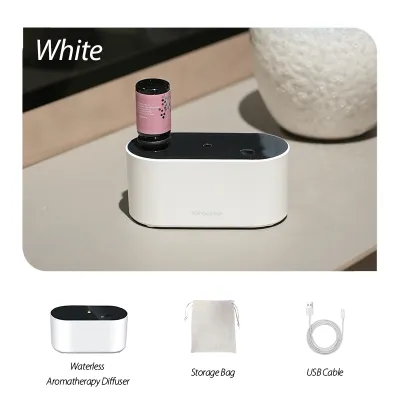
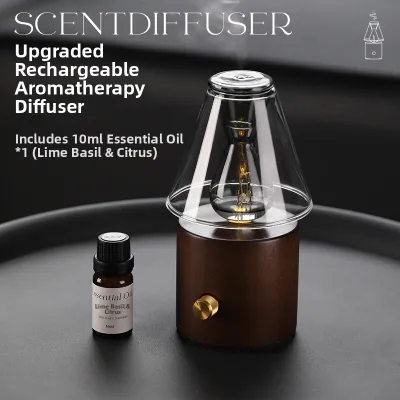
Waterless diffusers, also known as nebulizers, are the best choice if you seek a pure, highly potent scent throw and want to avoid the daily chore of filling and cleaning water tanks. Because they disperse undiluted essential oils directly into the air, they easily fill large, open-concept spaces with a rich aroma.
Conversely, traditional ultrasonic diffusers are better suited for those who prefer a milder, more subtle background fragrance and wish to stretch their essential oil budget. These water-based models are also ideal if you enjoy the visual appeal of a cool mist and prefer a whisper-quiet device for a bedroom or study.
Products mentioned in this guide
![[LUMENA] THE SCENT AD1 | Waterless Aroma Diffuser for Essential Oils | Wireless Nebulizer | 190h Portable Fragrance Home Decor](https://img.lazcdn.com/g/p/1fe017917b58f7dd0a34e4babeaf63fa.png_400x400q80.png_.webp)
![[ARORAH] Spire Carroma Essential Oil Smart Stand Car/Home Nebulizer Air Freshener Scent Aroma Oil Diffuser](https://img.lazcdn.com/g/p/ddb53ccced1d362a9b2aa921fac41437.jpg_400x400q80.jpg_.webp)
Prices are valid at publication and may change. Please refer to the product page for the latest price.
Ultimately, your decision should align with your room size, how much time you want to spend on device upkeep, and your tolerance for operational noise.
Core Technology: Nebulizing vs. Ultrasonic Mechanisms
To understand why these two types of diffusers perform so differently, it is helpful to look at the mechanics behind how they disperse fragrance into your living space. The fundamental difference lies in whether the essential oil is diluted before it is aerosolized.

Waterless aroma diffusers utilize nebulizing technology, which operates on fluid dynamics principles such as the Venturi effect. A small, built-in air pump forces a high-velocity pressurized air stream through a narrow nozzle, creating a vacuum that draws pure essential oil up from the reservoir. This powerful air current shears the oil into micro-particles, releasing a dry, ultra-fine mist directly into the room. Because this process uses no heat and no water, the chemical structure of the essential oil remains entirely unaltered, preserving its original therapeutic properties and aromatic profile.
Traditional diffusers rely on ultrasonic technology to disperse fragrance. At the base of the water tank sits a small ceramic transducer disk that vibrates at extremely high frequencies, typically 1.6 to 2.4 million times per second. These rapid vibrations agitate the water and a few drops of added essential oil, breaking the mixture down into a cool, visible vapor. The device then uses a small internal fan to push this diluted water-and-oil mist out into the room. While visually appealing, the resulting scent is inherently lighter because the oil molecules are suspended within water droplets.
Scent Throw, Room Coverage, and Essential Oil Costs
The technological differences between these two devices directly impact how effectively they scent a room and how much they cost to operate over time. Evaluating these factors will help you choose a model that fits both your space and your ongoing budget.
Because waterless diffusers disperse pure, undiluted essential oil, they offer an exceptionally strong scent throw. The micro-particles released are incredibly light, allowing them to remain suspended in the air longer and travel further. This makes nebulizing models highly effective for larger, high-traffic areas such as open-plan living rooms, dining areas, or commercial spaces. However, this high performance comes with a trade-off in oil consumption. A waterless model can consume essential oil much faster than a water-based one, which can quickly increase your monthly expenses if you run the device continuously.
Traditional ultrasonic diffusers offer a much softer, localized scent profile. They are ideal for smaller, enclosed spaces such as home offices, bedrooms, or bathrooms where a highly concentrated aroma might feel overwhelming. Because you only need to add 5 to 10 drops of oil to a full tank of water, a single 10ml bottle of essential oil will last significantly longer in an ultrasonic device. This makes traditional models highly cost-effective, allowing you to enjoy delicate or expensive oils without frequent, costly replacements.
Before making a purchase, always check the manufacturer’s specifications for estimated room coverage (measured in square meters) and average oil consumption rates. This ensures you select a device capable of filling your intended space without unnecessarily wasting your essential oils.
Maintenance, Mold Risks, and Cleaning Routines
Every aromatherapy device requires regular upkeep to function safely and efficiently. The cleaning protocols and hygiene risks differ substantially between waterless and traditional water-based models, especially when operating in naturally humid climates.
Traditional ultrasonic diffusers require diligent, frequent cleaning due to the presence of standing water. In humid environments, an uncleaned water tank can quickly become a breeding ground for mold, mildew, and bacteria. When the device is turned on, these contaminants can be dispersed into the air alongside the mist, posing potential respiratory risks. To maintain a hygienic environment, you must empty and rinse the water tank after every few uses, and perform a deep clean weekly using white vinegar or citric acid to remove hard water scale. Always ensure the device is completely unplugged from the wall outlet before cleaning to prevent electrical hazards.
Waterless diffusers completely eliminate the risks associated with standing water and mold. Because they use no water, there is no reservoir for bacteria to colonize, making them a highly hygienic choice. However, they are prone to a different maintenance challenge: clogging. Over time, heavy or viscous essential oils can leave a sticky residue inside the delicate glass or metal micro-tubes. To prevent blockages, you will need to occasionally flush the system by running a small amount of isopropyl alcohol (rubbing alcohol) through the device for a few minutes.
Regardless of the type you choose, always consult the manufacturer’s care instructions before attempting any deep cleaning. Using unauthorized cleaning agents or submerging electrical components can void your warranty and permanently damage the internal circuitry.
Noise Levels and Room-by-Room Compatibility
The sensory impact of an aroma diffuser extends beyond smell to include sound and light. Matching these physical characteristics to the specific function of your room is key to creating a comfortable environment.
Waterless nebulizing diffusers contain an internal mechanical air pump that must generate pressure to atomize the oil. Consequently, these devices produce a noticeable operational sound, often described as a low hum, buzz, or rhythmic puffing. While many modern models feature noise-dampening casings, the sound may still be distracting for light sleepers or in exceptionally quiet spaces like nurseries and study rooms. On the positive side, their sleek, minimalist designs often omit bright lights, making them visually unobtrusive in modern decors.
Ultrasonic diffusers are generally whisper-quiet. The only sound they produce is the gentle, soothing hum of the vibrating plate and the occasional soft trickling of water droplets, which many users find to be a pleasant form of white noise. Furthermore, traditional diffusers frequently incorporate ambient LED lighting, offering color-changing options or warm candle-like glows. These features make them highly compatible with bedrooms, relaxation zones, and wellness spaces where soft lighting and silence are prioritized.
To optimize your home environment, consider placing waterless diffusers in high-activity zones like entryways, living rooms, or home gyms where the mechanical hum is easily masked by daily ambient noise. Save the whisper-quiet ultrasonic models for spaces dedicated to rest, sleep, or focused mental work.
Quick Comparison: Waterless vs. Traditional Diffusers
To help you quickly evaluate the core differences between these two popular scenting technologies, the table below summarizes their key performance and operational characteristics.
| Feature | Waterless (Nebulizing) Diffusers | Traditional (Ultrasonic) Diffusers |
|---|---|---|
| Scent Intensity | High (pure, undiluted aroma) | Mild to moderate (diluted mist) |
| Room Coverage | Large spaces (up to 60+ sq. meters) | Small to medium spaces (up to 30 sq. meters) |
| Oil Consumption | High (uses pure oil directly) | Low (a few drops per water tank) |
| Mold & Bacteria Risk | Extremely low (no water used) | Moderate to high (requires frequent drying) |
| Maintenance Effort | Low (occasional alcohol flush) | High (regular descaling and rinsing) |
| Operational Noise | Low to moderate hum (air pump) | Whisper-quiet (ultrasonic vibrations) |
| Humidifying Effect | None | Mild, highly localized moisture |
Decision Framework: How to Choose Your Ideal Waterless Aroma Diffuser
To finalize your purchase decision, evaluate your daily habits, space constraints, and safety requirements against the following scenario-based checklist.
Choose a Waterless Diffuser if:
- You want immediate, high-impact fragrance: You prefer a strong, therapeutic scent throw that fills a large, open-concept living area quickly.
- You dislike frequent cleaning chores: You want to avoid the daily routine of carrying water tanks to the sink, scrubbing away slime, and descaling mineral buildup.
- You live in a highly humid climate: You want to avoid adding extra moisture to your indoor air and want to eliminate any risk of mold growth inside your appliance.
- You prefer short, intense aromatherapy sessions: You want a device that can be programmed to run for brief intervals to deliver a quick burst of pure scent.
Choose a Traditional Diffuser if:
- You are on a strict essential oil budget: You want your bottles of essential oil to last as long as possible and prefer a subtle, lingering background scent.
- You need a whisper-quiet device for sleeping: You plan to place the device on a bedside table or in a nursery where any mechanical humming would disrupt sleep.
- You enjoy visual ambiance: You appreciate the aesthetic of a rising cool mist paired with soft, color-changing LED mood lighting.
- You want a touch of localized moisture: You spend long hours in dry, air-conditioned rooms and appreciate a very mild, localized cooling mist near your desk or bed.
Critical Verification Checks Before Checkout
Before purchasing any diffuser, it is vital to verify its technical specifications to ensure safety and compatibility with your home’s electrical system:
- Voltage and Plug Compatibility: Ensure the device is rated for your local electrical grid (such as 230V, 50Hz in Singapore) and features the correct plug type (such as the three-pin Type G plug) to avoid the hazards of using unsafe travel adapters.
- Electrical Certification: Look for recognized local safety certifications, such as the Enterprise Singapore Safety Mark, to guarantee the device has undergone rigorous electrical safety testing.
- Oil Viscosity Limits: Check the manufacturer's manual to see if the device can handle thicker oils. Some waterless models can easily clog if you attempt to use heavy, resinous oils without proper dilution or specific nozzle designs.
Frequently Asked Questions (FAQ)
Can I use carrier oils or synthetic fragrances in a waterless diffuser?
No, you should avoid using thick carrier oils (such as jojoba, sweet almond, or coconut oil) and synthetic fragrance oils in a waterless nebulizing diffuser. These devices are precision-engineered to atomize 100% pure, low-viscosity essential oils. Thicker carrier oils or synthetic formulations with heavy chemical bases will easily clog the delicate internal micro-tubes, straining the air pump and potentially causing permanent motor failure. Always check the manufacturer’s product manual to verify which oil types are compatible with your specific device.
Do traditional water diffusers actually humidify the room?
While traditional ultrasonic diffusers do release a visible water mist into the air, their water tank capacity—typically ranging from 100ml to 500ml—is far too small to act as an effective room humidifier. They provide only a very minor, highly localized humidifying effect within a few centimeters of the nozzle. If you are trying to combat dry air in a large, air-conditioned room, you should purchase a dedicated, large-capacity room humidifier rather than relying on an ultrasonic aroma diffuser.
Community discussion
Share your experience or ask a question. Comments are reviewed before publication.