
When you light a citronella candle, you are greeted by a vibrant, crisp aroma that immediately evokes images of warm tropical evenings and open-air gatherings. At its core, the scent of the citronella plant in candles is a complex blend of bright citrus, fresh cut grass, and deep woody undertones. It is a fragrance that feels clean, intensely green, and naturally invigorating.
While many people associate this scent solely with outdoor utility, it has earned a prominent place in modern home fragrance. Understanding the nuances of this botanical aroma allows you to appreciate why it remains a classic choice for both functional outdoor use and indoor aromatherapy. By learning how to identify high-quality blends and burn them safely, you can fully transform the atmosphere of your living spaces.
Understanding the Scent Profile of the Citronella Plant in Candles
The fragrance of the citronella plant is far more layered than a simple lemon scent. Derived from the leaves and stems of specific Asian grass species, the natural essential oil carries a distinct grassy and herbaceous character. When formulated into candle wax, this translates into a top note of sharp, leafy green, followed closely by a bright, lemony middle note, and anchored by a subtle, earthy base that grounds the entire composition.
Products mentioned in this guide
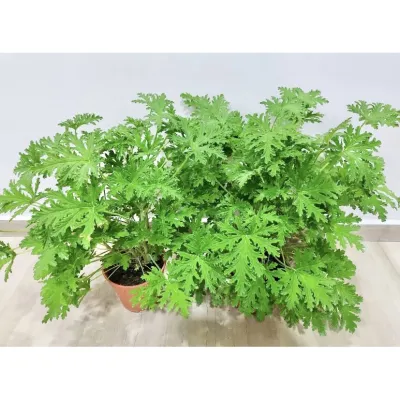
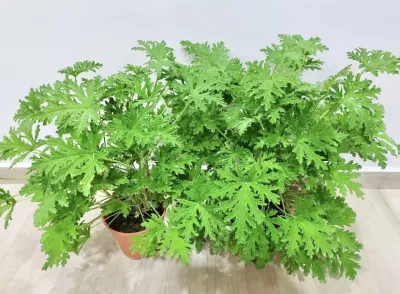
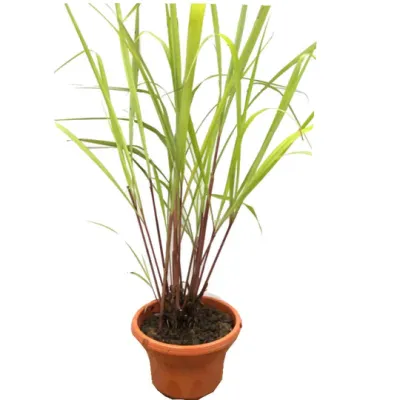
Prices are valid at publication and may change. Please refer to the product page for the latest price.
It is common to confuse citronella with other citrus-heavy botanicals, but key differences set them apart:
- Lemongrass: While both belong to the same plant family, lemongrass has a much sweeter, rounder, and more culinary aroma. It lacks the sharp, slightly medicinal edge that defines citronella.
- Synthetic Lemon: Artificial lemon fragrances often smell linear, sweet, and reminiscent of household cleaning agents. Citronella, by contrast, retains a raw, botanical complexity that smells distinctly like a living plant.
- Citronella Plant: The natural oil contains active aromatic compounds like citronellal and geraniol, which give the candle its characteristic clean, slightly woody depth.
The way a citronella candle releases its fragrance depends heavily on whether it is lit or unlit. The unlit wax, known as the cold throw, often presents a very sharp, almost pungent citrus aroma that can dominate a small room. Once you light the wick and a warm melt pool forms, the hot throw emerges. This active heat softens the initial sharpness, allowing the deeper, woodier, and more herbal undertones to diffuse gently into the surrounding air.
Why Citronella Is a Popular Choice for Aromatherapy and Outdoor Candles
Citronella has long been a staple of outdoor living, particularly in tropical climates where warm, humid evenings draw people to balconies, patios, and gardens. The scent has become synonymous with relaxation, open-air dining, and backyard gatherings. Lighting a candle in a sturdy vessel not only provides a warm, flickering glow but also fills the immediate breeze with a clean aroma that helps mask musty outdoor odors.

Beyond its classic outdoor role, citronella is increasingly appreciated in indoor aromatherapy. The bright, zesty notes are highly uplifting, making it an excellent choice for clearing the air in kitchens or entryways. When you need a sensory reset after a long day, the combination of citrus and green herbal notes can help create a focused, grounded, and refreshed atmosphere in your study or living room.
To round out its sharp profile, candle makers frequently blend citronella with complementary essential oils. These combinations soften the fragrance and add sophisticated layers to your home environment:
- Eucalyptus and Mint: These notes enhance the cooling, fresh qualities of citronella, making the air feel incredibly crisp and clean.
- Cedarwood and Pine: Woody base notes ground the bright citrus, creating a rustic, forest-like aroma that feels cozy and natural.
- Lavender and Geranium: Floral additions temper the herbal sharpness, transforming the scent into a soothing, spa-like fragrance blend.
How to Choose and Use Citronella Candles for Your Space
Selecting the right candle requires a quick look at the ingredient label to ensure you get the experience you want. If you are looking for authentic aromatherapy benefits, verify that the candle contains natural citronella essential oil rather than purely synthetic fragrance oils. Natural oils carry the complex botanical compounds that define the true plant profile, whereas synthetic alternatives may only mimic the top citrus notes.
Matching the candle vessel to your specific environment is also crucial for performance and safety. For outdoor spaces like high-walled balconies or windy patios, look for candles housed in heavy ceramic pots, deep tins, or concrete vessels. These sturdy containers protect the flame from sudden drafts and prevent the candle from tipping over. For indoor use, elegant glass jars or delicate ceramic containers work beautifully to complement your interior decor.
Proper candle care ensures a clean, soot-free burn and extends the life of your candle. Always trim the wick to about five millimeters before lighting to maintain a controlled flame. Allow the wax to melt completely across the top surface during the first burn to prevent tunneling. Keep the candle on a stable, heat-resistant surface away from open windows, fans, or air conditioning vents, as drafts can cause uneven burning and excessive smoke.
Frequently Asked Questions (FAQ)
Does the citronella plant scent in candles actually repel insects?
While the familiar aroma of citronella is widely associated with outdoor comfort, simply burning a decorative scented candle does not guarantee pest control. The scent works primarily by masking the odors that attract insects, but its effectiveness is highly localized and dependent on wind conditions. For proven protection, always check the product packaging for officially registered repellent claims and specific active ingredient concentrations rather than relying solely on a standard decorative candle.
Can I use outdoor citronella candles indoors?
You should avoid burning candles labeled strictly for outdoor use inside your home. Outdoor candles are often formulated with larger wicks and softer, high-oil wax blends designed to withstand breezes, which can produce significant soot, smoke, and an overwhelming concentration of fragrance in enclosed spaces. Only burn a citronella candle indoors if the manufacturer’s safety label explicitly states it is formulated and approved for indoor use.
Community discussion
Share your experience or ask a question. Comments are reviewed before publication.