
To protect your outdoor space from darkness while keeping energy bills at zero, LED solar clip lights offer an incredibly convenient, wire-free solution. However, when operating in Singapore’s intense tropical climate, these compact fixtures face severe environmental challenges. To survive the frequent heavy downpours and persistent moisture, an LED solar light clip requires a minimum rating of IP65 if it is fully exposed to the elements, whereas a lower rating of IP44 is acceptable only under deep, protective structural cover.
Choosing the correct ingress protection (IP) standard is not merely a matter of preventing a temporary short circuit. In Singapore, where torrential rains are accompanied by extreme humidity and intense ultraviolet (UV) radiation, choosing the wrong specification leads to rapid device failure. Understanding how these factors interact with the seals, housing, and battery compartments of your solar fixtures will help you make an informed purchase that lasts for years rather than weeks.
How Singapore's Rain and Humidity Affect Solar Clip Lights
Singapore experiences some of the most intense rainfall patterns in Southeast Asia, characterized by sudden, heavy monsoon downpours that can drop large volumes of water within minutes. When an LED solar light clip is mounted on an open garden fence or an exposed balcony railing, it is subjected to direct, driving rain that exerts significant physical pressure on the outer casing. If the light’s housing lacks adequate sealing, water easily forces its way through tiny gaps around the lens, the solar panel seams, or the power switch, immediately compromising the delicate internal driver board and LED chips.
Products mentioned in this guide
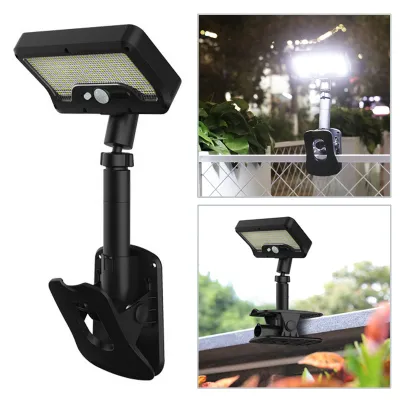
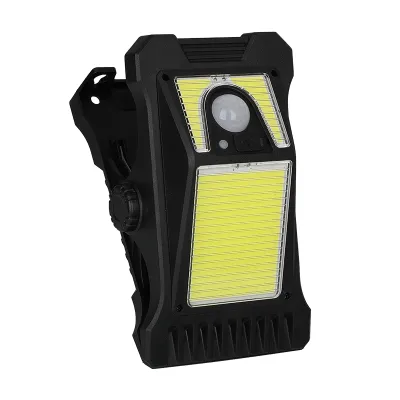
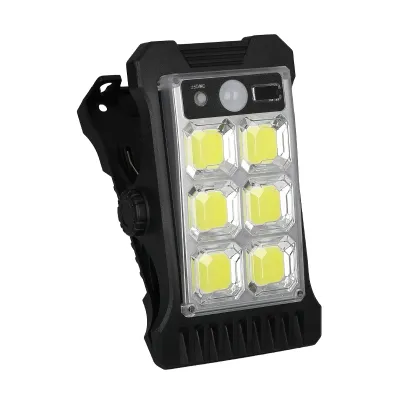
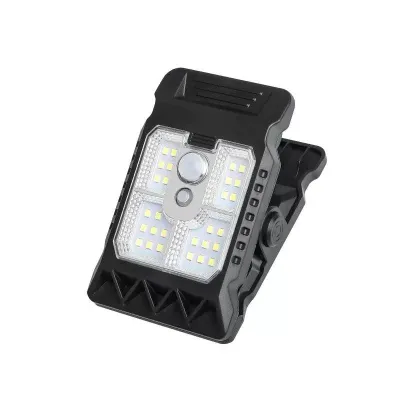
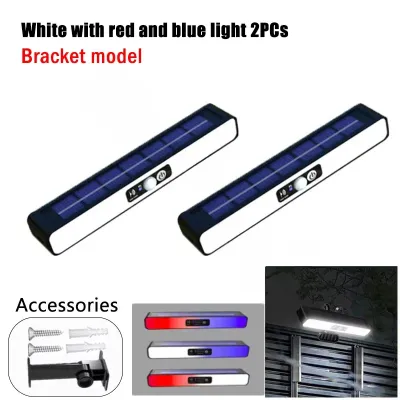
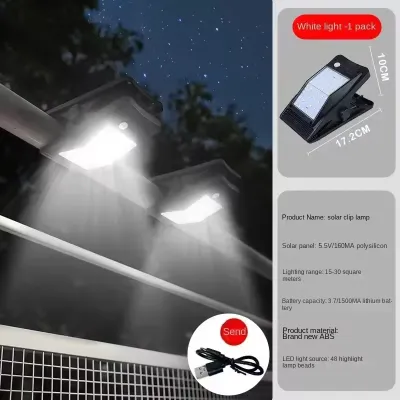
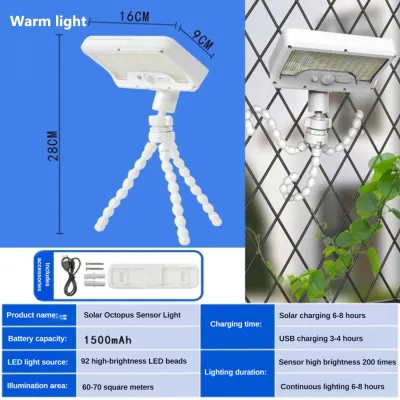
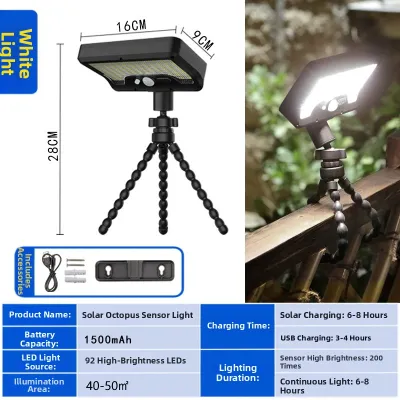
Prices are valid at publication and may change. Please refer to the product page for the latest price.
Beyond the threat of direct rainfall, Singapore’s year-round high humidity—often exceeding 80% and frequently reaching 100% during wet spells—presents a silent, continuous hazard. High ambient moisture levels lead to internal condensation, where water vapor penetrates the housing and condenses into liquid droplets as temperatures drop overnight. This trapped moisture slowly corrodes the battery terminals, degrades the wiring, and fosters the growth of mold or mildew on the inside of the optical lens, which permanently dims the light output.
Furthermore, the tropical environment subjects outdoor fixtures to intense UV exposure during sunny intervals. This constant cycle of harsh sunlight followed by sudden cooling rains degrades cheap, untreated plastics rapidly. Over time, non-UV-stabilized materials become brittle, fade, and develop micro-cracks. When the next heavy storm hits, these physical cracks act as direct pathways for water ingress, leading to immediate electrical failure.
These combined environmental stressors explain the most common failure points observed in low-grade solar clip lights. You might notice your lights flickering erratically, displaying significantly reduced runtimes even after a sunny day, or failing to turn on altogether. These symptoms almost always point to internal moisture damage, battery terminal oxidation, or a compromised solar charging circuit.
Decoding IP Ratings: The Minimum Standard for Outdoor Survival
To navigate the market effectively, you must understand how Ingress Protection (IP) ratings are defined under the international standard IEC 60529. An IP rating consists of two digits: the first digit (ranging from 0 to 6) measures protection against solid particles like dust and dirt, while the second digit (ranging from 0 to 9K) measures protection against liquid ingress. For outdoor lighting in residential settings, the second digit is the most critical indicator of weather resistance.

For clip-on solar lights placed in highly sheltered outdoor areas, an IP44 rating serves as the absolute minimum threshold. An IP44 rating means the fixture is protected against solid objects larger than 1 millimeter and can withstand water splashing from any direction. If you plan to clip your lights under deep roof eaves, inside fully covered patios, or along deeply recessed HDB corridors where direct, wind-driven rain cannot reach them, IP44 is generally sufficient to handle ambient moisture and occasional light splashes.
However, if you intend to mount your LED solar light clip in fully exposed locations—such as open garden fences, exterior balcony railings, tree branches, or gutter lines—you must look for a minimum of IP65. The “6” indicates that the light is completely dust-tight, preventing even the finest particles from entering. The “5” signifies protection against water jets projected by a nozzle from any direction. In practical terms, an IP65-rated light can withstand the direct impact of driving monsoon rains without allowing water to penetrate the internal compartments.
When shopping on any online marketplace or visiting local lighting showrooms in Singapore, you will frequently encounter vague marketing descriptions such as “waterproof,” “weatherproof,” or “rain-resistant.” These terms are not standardized and carry no legal or technical guarantee. To ensure your safety and protect your investment, ignore generic marketing claims and strictly verify the exact IP code printed on the product packaging, the manufacturer’s official specification sheet, or the physical device label itself.
Essential Build Quality Checks Beyond the Waterproof Label
While a high IP rating provides an excellent baseline, long-term durability in a tropical environment depends heavily on physical construction details that go beyond the rating label. The first and most critical area to inspect is the battery compartment. Because solar clip lights rely on rechargeable batteries that may eventually need replacement, this compartment must be accessible yet perfectly sealed. Look for designs that feature a thick rubber or silicone gasket lining the battery door, secured tightly with stainless steel screws rather than cheap plastic snap-latch covers that easily warp or fail to maintain pressure.
When verifying the technical specifications of an LED solar light clip, always check the battery voltage and capacity (typically 1.2V NiMH or 3.2V/3.7V Li-ion) to ensure it matches your runtime expectations. Additionally, look for recognized electrical safety certifications, such as CE or RoHS, which indicate that the electronic components have been manufactured to meet established quality and environmental standards.
The clip mechanism itself is another frequent point of mechanical failure. Because Singapore’s high humidity accelerates the oxidation of ferrous metals, any exposed steel components in the clip’s spring or hinge will quickly rust, causing the mechanism to seize or snap. Ensure the clip utilizes rust-proof materials, such as high-grade stainless steel (like grade 304 or 316) or heavily coated, weather-resistant alloys. A strong, durable spring tension is vital to keeping the light securely anchored during high-wind monsoon storms.
The material composition of the main housing is equally important. To prevent the enclosure from yellowing, cracking, or becoming brittle under intense tropical sunlight, verify that the manufacturer uses UV-resistant plastics such as high-impact polycarbonate (PC) or specially treated acrylonitrile butadiene styrene (ABS). These materials retain their structural integrity and impact resistance far better than standard, untreated plastics when subjected to years of outdoor exposure.
Finally, pay close attention to the construction of the integrated solar panel. High-quality solar clip lights typically feature a tempered glass or scratch-resistant resin cover over the photovoltaic cells. Cheap panels often use a soft, laminated plastic film that easily scratches or degrades under UV light. Micro-abrasions on the panel surface allow dirt, pollen, and water to pool, which significantly reduces the panel’s ability to absorb sunlight and charge the internal battery efficiently.
Strategic Placement to Minimize Water Exposure
Even the most robust IP65-rated LED solar light clip will benefit from thoughtful placement designed to minimize unnecessary environmental stress. One common mistake is clipping lights directly beneath roof drip lines, gutter overflows, or the edges of fabric awnings. During heavy downpours, rainwater concentrates at these runoff points, falling with concentrated hydraulic force that can exceed the testing parameters of standard IP65 ratings and physically dislodge the fixture.
When positioning the light, always ensure the integrated solar panel is angled slightly downward or tilted rather than perfectly flat. A slight angle allows rainwater to run off naturally, carrying away loose dust, pollen, and debris. If the panel is mounted completely horizontal, water will pool on the surface as it dries, leaving behind mineral deposits and dirt layers that block sunlight and gradually reduce charging efficiency over time.
Before finalizing your installation, always test the clip’s grip on the target surface, especially if you are mounting it on smooth metal balcony railings, wet wooden fences, or moss-covered garden structures. Rainwater acts as a lubricant, and a clip with insufficient tension or smooth plastic gripping pads can easily slide off when wet. Opt for clips equipped with textured rubber inserts inside the jaws to ensure a secure, slip-free grip on damp or smooth surfaces.
If you are installing these lights in high-up locations, such as high-floor balcony ceilings, roof gutters, or tall tree branches, always prioritize personal safety. Ensure you use a stable, secure ladder, work with an assistant, and follow standard safety practices for working at heights. For complex installations or heights that cannot be safely reached, consult a qualified professional rather than risking a fall.
It is also worth noting that while solar clip lights operate on safe, low-voltage DC power and do not pose a high-voltage electrocution hazard, dropping them into standing water can still permanently destroy them. If a clip fails and the light falls into a puddle or a water-logged planter box, water can seep through the seams under hydrostatic pressure, ruining the internal battery and LED circuit board. Always double-check that the fixture is securely clamped well above any potential pooling zones.
Maintenance Steps to Prevent Moisture Damage and Corrosion
To maximize the lifespan of your outdoor solar clip lights in Singapore’s challenging climate, establish a simple, regular maintenance routine. Every few weeks, take a soft, damp microfiber cloth and gently wipe down the solar panel surface. This removes accumulated rain spots, dust, and bird droppings that block sunlight. Avoid using abrasive scrubbing pads or harsh chemical cleaners, as these can scratch the protective outer layer of the solar panel and permanently impair its charging capacity.
During your regular cleaning, perform a quick visual inspection of the light’s lens. If you notice internal condensation, fogging, or visible water droplets inside the clear cover, it indicates that the moisture seal has been compromised. Addressing this early—by moving the light to a dry area and checking the seals—can prevent permanent damage to the electronic components before corrosion sets in.
Additionally, maintain the mechanical parts of the fixture by cleaning the clip joints, springs, and hinges. Use a dry, stiff-bristled brush to sweep away accumulated dirt, spiderwebs, and organic debris that can trap moisture against the metal parts. Avoid spraying standard household lubricants or penetrating oils onto the clip mechanism unless they are explicitly rated as safe for plastics; many common chemical lubricants contain solvents that can degrade rubber gaskets and dissolve plastic housings over time.
Finally, observe strict safety boundaries regarding battery health. If you discover that water has managed to pool inside the battery compartment, or if you see white, powdery deposits or rust indicating battery corrosion, stop using the light immediately. Do not attempt to dry out a corroded battery and reuse it. Safely remove the damaged battery, dispose of it at a designated e-waste recycling point in Singapore, clean the compartment contacts if they are salvageable, and consult the manufacturer’s guidelines or replace the unit entirely to prevent potential safety hazards.
Frequently Asked Questions (FAQ)
Is IP65 necessary if my balcony is fully covered by a roof?
If your balcony is fully covered by a deep structural roof or deep overhangs that prevent direct rain from reaching the fixture, an IP65 rating is generally not strictly necessary. In these highly sheltered environments, an IP44-rated LED solar light clip is usually sufficient to handle ambient humidity and occasional light wind-blown splashes. However, if your balcony faces strong directional winds that drive rain inward, or if you live on a high floor where wind-blown rain is common, choosing an IP54 or IP65 rating provides a safer, more durable margin of protection against moisture ingress.
How do I safely dry a solar clip light if it falls into a puddle?
If your solar clip light accidentally falls into a puddle or standing water, retrieve it immediately and turn it off using the physical power switch if it has one. Open the battery compartment, carefully remove the rechargeable battery, and wipe away any visible water with a clean, dry cloth. Leave the battery compartment door open and place the entire unit in a dry, well-ventilated, and shaded indoor area for at least 48 hours to allow all internal moisture to evaporate completely. Never use high-heat sources such as hairdryers, ovens, or direct midday sunlight to speed up the drying process, as excessive heat can melt delicate silicone seals, warp the plastic housing, and permanently damage the solar panel.
Community discussion
Share your experience or ask a question. Comments are reviewed before publication.