
To survive Singapore’s intense tropical downpours and sudden monsoons, an outdoor solar lamp requires a minimum rating of IP65 for elevated or wall-mounted installations. For ground-level, recessed, or low-profile fixtures where water is prone to pooling, you must look for a minimum rating of IP67. Selecting the right solar lamp outdoor setup involves understanding how these technical standards protect delicate internal electronics from both high-velocity rain and temporary submersion.
Decoding IP Ratings: What the Numbers Actually Mean
Understanding the Ingress Protection (IP) rating system is essential when shopping for outdoor lighting. This international standard, defined by the International Electrotechnical Commission (IEC), classifies how effectively electrical enclosures block solids and liquids. Rather than relying on vague marketing terms like “waterproof” or “weather-resistant,” which lack standardized legal definitions, consumers can use these two-digit codes to make precise, informed decisions.
The first digit of the IP code (0 to 6) measures protection against solid particles like dust and dirt. A rating of 6 represents a completely dust-tight enclosure, which is vital in outdoor environments to prevent fine particulates from settling on internal circuitry and accelerating corrosion under high humidity.
Products mentioned in this guide
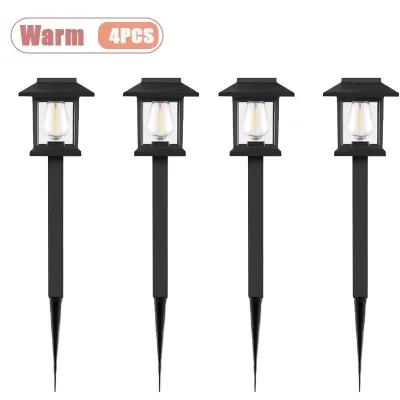
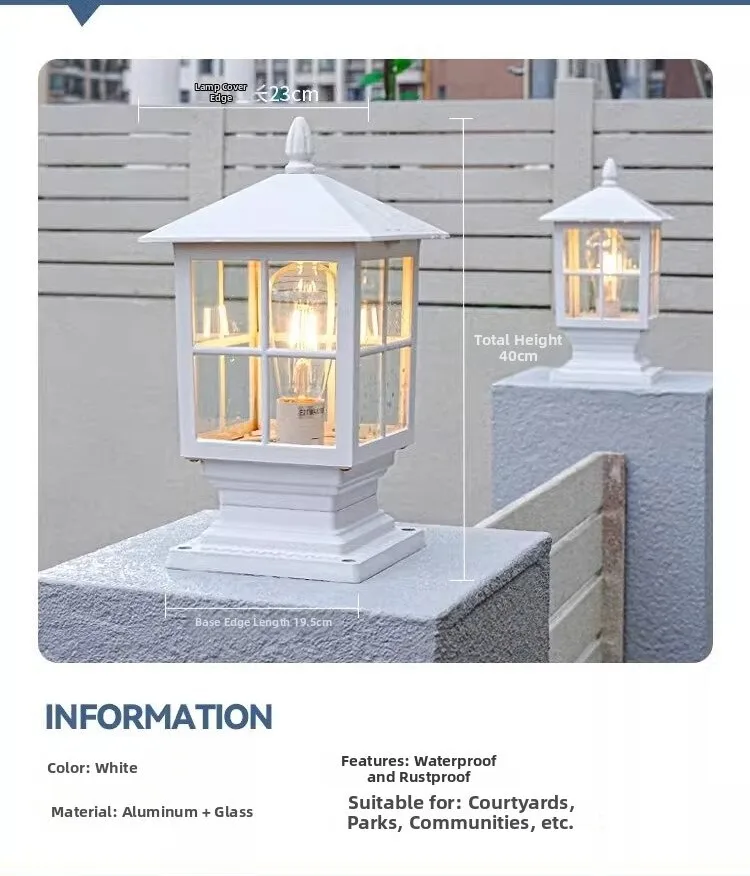
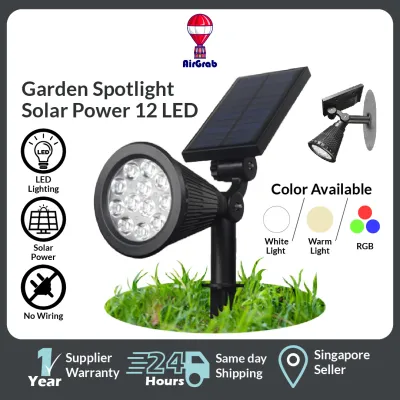
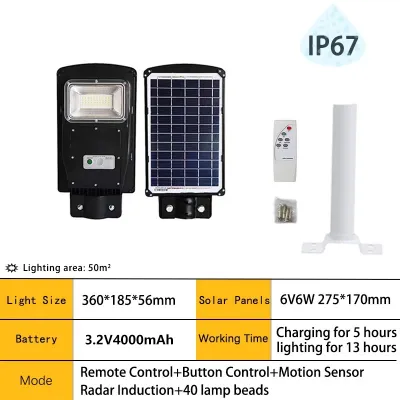
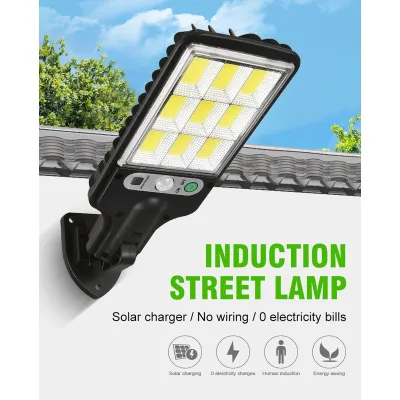
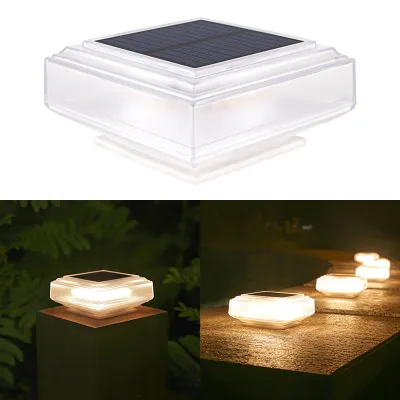
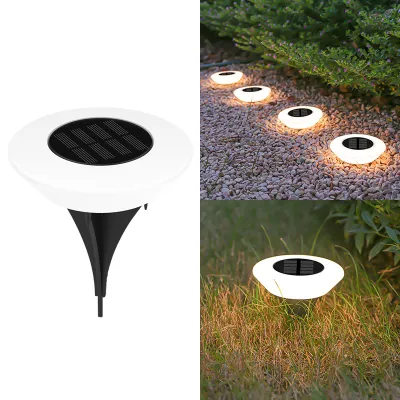
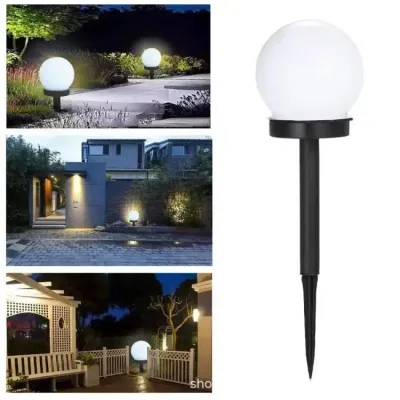
Prices are valid at publication and may change. Please refer to the product page for the latest price.
The second digit (0 to 9K) measures liquid ingress protection. For outdoor lighting, the relevant liquid protection ratings include:
- IPX4: Protects against water splashing from any direction. Suitable only for covered patios or mild drizzles.
- IPX5: Protects against low-pressure water jets from any angle, providing basic defense against moderate rain.
- IPX6: Protects against powerful water jets. This is highly effective for intense, wind-driven downpours.
- IPX7: Protects against temporary immersion in water up to 1 meter deep for 30 minutes.
Always check the manufacturer’s technical specifications to verify these ratings before purchasing.
Selecting the Right IP Rating for Your Solar Lamp Outdoor Setup
Singapore’s tropical climate is characterized by high rainfall and sudden, heavy downpours, particularly during the monsoon seasons. These weather patterns demand robust ingress protection to prevent premature lighting failures.

Standard Elevated or Wall-Mounted Lights For garden lights, wall-mounted sconces, post lights, or pathway lights installed well above ground level, IP65 serves as the practical baseline. An IP65 rating ensures that the fixture’s housing can withstand heavy, wind-blown rain coming from any angle without allowing moisture to penetrate the electrical housing. Because these lights are elevated, water naturally drains away, eliminating the risk of standing water. Therefore, protection against pressurized water jets is entirely sufficient to keep the internal wiring and battery dry.
Ground-Level, Recessed, or Low-Profile Lights The requirements change drastically for lights installed directly on the soil, recessed into pathways, or placed in low-lying garden beds. During intense downpours, Singapore’s soil can quickly become saturated, leading to localized pooling, runoff, and temporary flash flooding. In these scenarios, an IP65 rating is insufficient. Water can pool around the base of the light, submerging the lower seals for extended periods. For these ground-level applications, you should strictly select fixtures rated IP67 or higher. An IP67 rating guarantees that even if a puddle completely covers the light during a torrential afternoon storm, the seals will prevent water from leaking into the battery compartment.
The Dust Factor While water resistance is the primary concern, the first digit of the IP rating is equally important. A rating of IP65 or IP67 means the fixture is completely dust-tight (indicated by the “6”). In an outdoor setting, fine soil particles, pollen, and urban soot can accumulate on the exterior of the lamp. If the housing is not dust-tight, these fine particles can seep inside over time. Once inside, they absorb moisture from Singapore’s high relative humidity (which often exceeds 80%), forming a conductive grime that corrodes copper traces and degrades solder joints.
Beyond Water Resistance: Materials and Battery Specs
A high IP rating is a critical starting point, but water resistance alone cannot guarantee that an outdoor solar lamp will survive Singapore’s demanding climate. Intense ultraviolet (UV) radiation and sustained high ambient temperatures can degrade other components of the lamp, leading to structural failure long before water ingress becomes an issue.
Housing Materials The material used to construct the lamp’s body determines its structural longevity. Cheap, untreated plastics like standard ABS will rapidly degrade under Singapore’s strong tropical sun, becoming brittle and eventually cracking. Once the outer shell cracks, the waterproof gaskets lose their compression, rendering the IP rating useless. Instead, look for fixtures constructed from UV-stabilized polycarbonate, powder-coated aluminum, or marine-grade stainless steel. These materials resist UV degradation and withstand the corrosive effects of moisture and outdoor exposure.
Battery Chemistry and Heat Tolerance Solar lamps rely on internal rechargeable batteries to store energy gathered during the day. However, high ambient temperatures can rapidly degrade battery health. Standard lithium-ion batteries are sensitive to heat and can lose capacity quickly under these conditions. When selecting a solar lamp, check if the specifications list Lithium Iron Phosphate (LiFePO4) or high-quality Nickel-Metal Hydride (NiMH) batteries. LiFePO4 batteries are particularly well-suited for tropical climates because they offer superior thermal stability, can tolerate higher operating temperatures, and have a significantly longer lifespan.
Solar Panel Efficiency The type of solar panel integrated into the lamp affects how well it charges, especially during the overcast monsoon months. Polycrystalline panels are less expensive but have lower efficiency, meaning they require more direct sunlight to charge fully. Monocrystalline panels, recognizable by their dark, uniform appearance, offer higher conversion efficiency (typically between 15% and 22%). They perform much better under diffuse light or partial shade, making them the superior choice for Singapore’s frequently cloudy and rainy days.
Installation and Upkeep for Maximum Weather Survival
Proper installation and routine maintenance are essential to preserve the waterproof integrity of your outdoor solar lamps and maximize their operational lifespan.
Strategic Placement When installing ground-level or pathway lights, avoid placing them in natural depressions or directly under roof drip lines where falling water can strike the fixture with high impact. Instead, install ground lights slightly above the natural soil grade. Creating a small base of gravel or coarse sand beneath and around the light fixture helps facilitate rapid drainage, preventing water from pooling around the seals.
Seal Inspection Over time, the rubber O-rings and gaskets that keep water out can dry, crack, or shift. It is a good practice to inspect these seals annually. Turn off the power switch (if equipped) and check for any signs of dry rot or wear. If you notice persistent condensation or water droplets inside the lens, it indicates that a seal has been breached. In such cases, disassemble the fixture carefully, dry the interior completely, and check if the gasket needs reseating or replacement.
Panel Cleaning Many homeowners assume that rainfall keeps solar panels clean, but rain actually leaves behind mineral spots and washes fine dust into corners where it bakes under the sun. A dirty solar panel blocks sunlight, reducing charging efficiency. Every few weeks, gently wipe the solar panel with a soft, damp microfiber cloth. Avoid using harsh chemical cleaners, abrasive pads, or high-pressure water sprays, as these can scratch the protective coating or compromise the waterproof seals.
Always consult the manufacturer’s specific installation manual and care instructions before performing any maintenance. While solar lamps are low-voltage DC devices making them safe for DIY handling, if your fixture is integrated into a larger low-voltage outdoor lighting system with fixed wiring, ensure the power is fully isolated at the source before handling. For any fixed wiring installations, work at height, or integration with mains power, ensure you isolate the power source and consult a qualified professional to guarantee safety and compliance.
Frequently Asked Questions (FAQ)
Can IP65 solar lights survive being submerged in a garden puddle?
No, IP65 solar lights are not designed to withstand submersion. An IP65 rating certifies that the fixture can resist water jets, such as heavy rain or spray from a garden hose, but it does not protect against the static pressure of standing water. If a puddle forms and completely covers the light, water will eventually bypass the seals and damage the internal electronics. For areas prone to flooding or standing water, you must use fixtures rated IP67 or IP68, which are specifically sealed to handle temporary or continuous immersion.
Will outdoor solar lamps charge during Singapore's monsoon season?
Yes, outdoor solar lamps will still charge during the monsoon season, but at a reduced rate. Solar panels do not require direct sunlight to function; they can generate electricity using diffuse light that filters through thick cloud cover. However, a cloudy day may only yield 10% to 25% of the power generated on a clear, sunny day. To ensure reliable nighttime illumination during consecutive overcast days, choose solar lamps equipped with high-efficiency monocrystalline panels and larger battery capacities that can store enough energy to power the light through multiple nights.
Community discussion
Share your experience or ask a question. Comments are reviewed before publication.