
To survive Singapore’s intense tropical thunderstorms and persistent humidity, outdoor solar spot lights require a minimum rating of IP65 for general outdoor use, while fully exposed areas subject to heavy monsoon downpours are best served by IP66. Lower ratings like IP44 or IP54 are only suitable for well-sheltered zones, such as deep under covered patios or eaves. Selecting the right rating prevents water ingress, internal condensation, and premature electrical failure during the region’s severe wet phases.
How Singapore's Tropical Climate Impacts Outdoor Solar Lights
Singapore’s equatorial climate presents a unique set of challenges for outdoor electronic devices, far exceeding the mild weather patterns of temperate regions. Located just north of the equator, the island experiences high daily temperatures, relentless ultraviolet (UV) radiation, and a dual monsoon system—the Northeast Monsoon and the Southwest Monsoon—that brings frequent, intense downpours. The annual rainfall averages over 2,300 millimeters, meaning outdoor fixtures are subjected to sudden, heavy deluges on a regular basis. For outdoor lighting, this means that standard “weatherproof” marketing labels are rarely sufficient to guarantee long-term survival.
The primary threat to solar spotlights in this environment is water ingress, but the mechanism is often more complex than rain simply falling on the fixture. When a solar spotlight sits in the intense Singapore sun, its internal temperature rises significantly, heating the air trapped inside the sealed housing. When a sudden afternoon thunderstorm strikes, the cold rainwater causes a rapid drop in the exterior temperature of the fixture. This thermal shock creates a vacuum effect inside the housing as the internal air rapidly contracts, pulling moisture and humid air through any microscopic gaps in the seals or joints.
Products mentioned in this guide
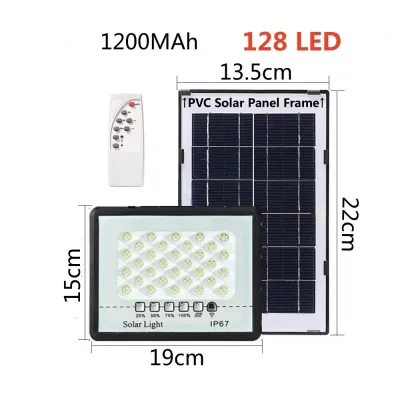
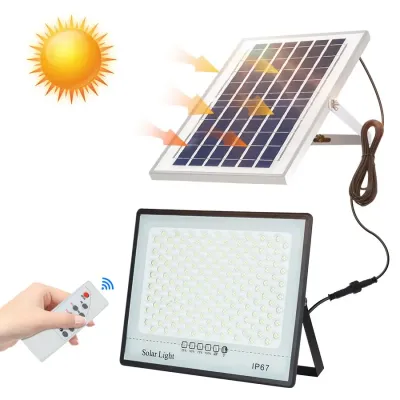
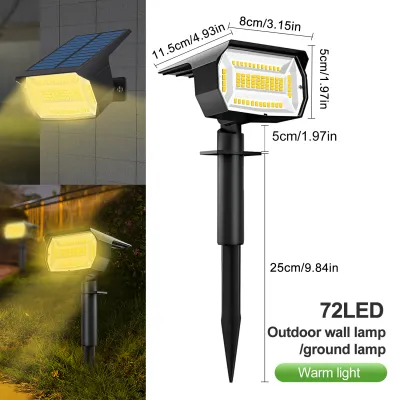
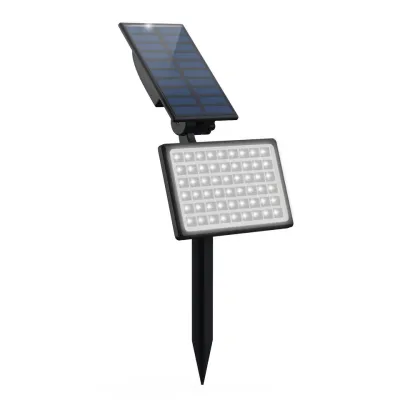
![[Next-Day Delivery] 54 LED Solar Lights Outdoor Garden Spotlights Lawn Lamp Balcony Lighting](https://img.lazcdn.com/g/p/c0c09b84b504efb81a8a1437c291d75e.jpg_400x400q80.jpg_.webp)
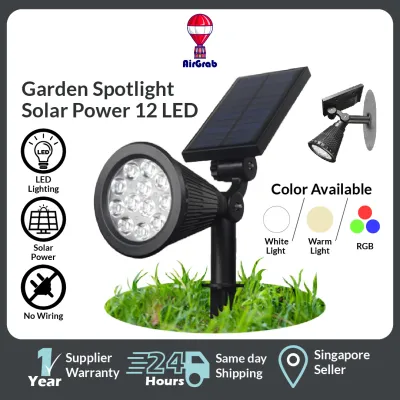
Prices are valid at publication and may change. Please refer to the product page for the latest price.
Once moisture penetrates the outer shell, the high relative humidity—which regularly averages between 84% and 100% during rainy periods—prevents it from evaporating. This trapped moisture condenses onto the cooler glass or plastic lens, creating a persistent fog that blocks light output. More critically, the condensation settles on the internal circuit boards and LED drivers, leading to short circuits, rapid corrosion of copper traces, and permanent electrical failure. Furthermore, the combination of high humidity and ambient heat accelerates galvanic corrosion on any exposed metal screws, brackets, or electrical contacts, degrading the physical integrity of the light over time. Surviving Singapore’s climate requires a fixture engineered to manage these secondary thermal and atmospheric pressures.
Decoding IP Ratings: Which Numbers Matter for Waterproofing
To make an informed purchase, you must understand how to read Ingress Protection (IP) ratings rather than relying on vague manufacturer claims like “water-resistant” or “outdoor-safe.” The IP rating system is an international standard (IEC 60529) that classifies the degree of protection provided by mechanical casings and electrical enclosures against dust, accidental contact, and water. An IP rating always consists of two digits. The first digit, ranging from 0 to 6, indicates protection against solid objects and dust, while the second digit, ranging from 0 to 9, measures protection against liquid ingress.

When evaluating solar spot lights for outdoor use, the second digit is the most critical indicator of water resistance. Understanding the practical differences between these levels will help you choose the right fixture for your garden:
- IP44 and IP54: These fixtures are protected against splashing water from any direction. While they can handle light mist or minor splashes, they are not sealed tightly enough to withstand direct, heavy tropical rain or wind-driven storms.
- IP65: This rating certifies that the fixture is protected against low-pressure water jets (6.3 mm nozzles) from any direction. It serves as the standard baseline for outdoor lighting, ensuring the casing can withstand standard rainfall and garden hose sprays.
- IP66: Fixtures with this rating are protected against high-pressure, powerful water jets (12.5 mm nozzles). This level of protection is highly recommended for completely exposed outdoor areas in Singapore, where monsoon winds can drive heavy rain horizontally with substantial force.
- IP67 and IP68: These ratings denote protection against submersion. An IP67-rated light can be temporarily submerged in water up to 1 meter deep for 30 minutes, while IP68 indicates protection against continuous submersion under deeper, specified conditions. These are typically reserved for pond lights, pool lights, or fully buried in-ground fixtures.
When selecting a solar spotlight, you should also verify secondary technical specifications such as battery voltage, solar panel wattage limits, fixture dimensions, dimming methods, and electrical certifications (like CE or RoHS) to ensure they match your installation environment and safety requirements. Before purchasing, always verify the rating by checking the physical product label, the packaging, or the official manufacturer specification sheet. If a product listing uses vague terminology without providing a certified two-digit IP rating, it is highly likely that the fixture has not undergone standardized testing and will fail during the first heavy monsoon season.
The Ideal IP Rating for Withstanding Singapore's Heavy Rain
Selecting the ideal IP rating for your solar spot lights depends heavily on where they will be positioned in your outdoor space. Because different zones of a garden or exterior wall offer varying levels of natural shelter, matching the IP rating to the specific installation environment will optimize both performance and cost-efficiency.
For fully exposed areas—such as open lawns, driveways, uncovered patios, and garden borders—your solar spot lights will bear the full brunt of Singapore’s frequent thunderstorms. In these unprotected locations, an IP65 rating is the absolute minimum requirement. However, opting for an IP66 rating is highly recommended. The powerful, wind-driven rain characteristic of the monsoon seasons can exert significant physical pressure on the fixture’s seals, mimicking the high-pressure water jet tests used to certify IP66 compliance. An IP66-rated spotlight provides the robust defense needed to prevent water from being forced past the gaskets during a severe storm.
In sheltered or semi-exposed areas—such as under roof eaves, covered balconies, deep verandas, or beneath dense tree canopies—the exposure to direct rainfall is greatly reduced. In these specific zones, solar spot lights with an IP44 or IP54 rating are generally acceptable, as they are only subjected to minor splashes or drifting mist. However, you must ensure that the fixture is physically shielded from direct vertical and horizontal rain. If there is any doubt about the level of protection provided by the shelter, upgrading to an IP65 fixture is a safer long-term choice to prevent moisture accumulation from high ambient humidity.
For low-lying garden beds, areas adjacent to drainage grates, or any spot prone to temporary flooding during flash floods, standard IP65 or IP66 lights may eventually fail if water pools around them. If a spotlight is likely to be temporarily submerged in puddles, an IP67 rating is necessary. However, relying solely on a higher IP rating is often less effective than altering your installation strategy. A more practical and reliable solution is to elevate the spotlight using longer ground stakes, mounting brackets, or placing it on raised garden walls to keep the electrical housing well above the maximum water accumulation line.
While the liquid ingress digit is crucial, the first digit of the IP rating—representing solid particle protection—should not be overlooked. A rating of “6” (dust-tight) is highly beneficial in tropical climates. It ensures that fine soil particles, pollen, and tiny nesting insects like ants or termites cannot enter the casing. Insects are frequently drawn to the residual warmth of electronic components and can compromise internal seals or short-circuit the circuit board if they manage to crawl inside.
Beyond Waterproofing: Materials and Features for High Humidity
While a high IP rating ensures that liquid water cannot easily penetrate the casing, it does not guarantee that the physical structure of the solar spot light will survive the chemical and thermal challenges of Singapore’s environment. The combination of intense UV radiation, high ambient temperatures, and constant humidity demands careful consideration of the materials and internal components used in the fixture’s construction.
Choosing Rust-Resistant and UV-Stable Materials
The choice of housing material directly impacts how well a solar spotlight resists physical degradation over years of exposure to the elements. Common materials include plastics, stainless steel, and aluminum, each presenting distinct advantages and trade-offs:
- ABS Plastic: Acrylonitrile Butadiene Styrene (ABS) is inherently rust-proof and highly resistant to chemical corrosion, making it an excellent choice for wet environments. However, standard ABS can degrade quickly under intense equatorial UV rays, becoming yellow, brittle, and prone to cracking. When selecting plastic fixtures, ensure the manufacturer specifies that the material is UV-stabilized or treated with UV inhibitors. Cracked plastic will immediately compromise the physical IP seal, allowing water to flood the electronics.
- Stainless Steel: This material offers exceptional structural strength and a premium aesthetic. However, lower grades of stainless steel, such as grade 201, will quickly develop pitting and orange rust streaks when exposed to constant humidity. If you prefer metal fixtures, look for marine-grade 316 stainless steel or high-quality 304 stainless steel, which contain higher levels of chromium and nickel to resist atmospheric corrosion.
- Powder-Coated Aluminum: Aluminum provides excellent structural integrity and superior heat dissipation, which helps keep the internal LEDs and electronics cool. However, the durability of aluminum relies heavily on the quality of its protective powder coating. If the coating is chipped, scratched, or improperly applied, moisture will penetrate to the raw aluminum underneath, causing localized oxidation. This oxidation leads to bubbles under the paint, eventually causing the coating to peel and expose the metal to rapid degradation.
Avoid cheap, unpainted ferrous metals, which will rust within weeks of exposure to Singapore’s humid air, leaving unsightly stains on your walls, tiles, or decking. Beyond the primary casing material, pay close attention to the seals. High-quality fixtures utilize silicone O-rings or gaskets rather than cheap rubber. Silicone retains its elasticity, flexibility, and sealing properties across a wide temperature range and resists degradation from UV exposure, ensuring the IP rating remains intact over years of service.
Managing Battery Health in High Temperatures
The internal rechargeable battery is often the weakest link in any solar lighting system, and its lifespan is heavily influenced by operating temperatures. While the solar panel requires direct sunlight to charge, this exposure inevitably heats the entire fixture. Singapore’s ambient temperatures frequently exceed 30°C (86°F), and inside a sealed, dark-colored spotlight housing exposed to direct sunlight, internal temperatures can easily soar past 50°C (122°F).
Prolonged exposure to such high heat accelerates the chemical degradation of standard Lithium-ion (Li-ion) or Nickel-Metal Hydride (NiMH) batteries, drastically reducing their overall charge capacity and operational lifespan. When shopping for solar spot lights, look for designs where the battery compartment is physically or thermally separated from the heat-absorbing solar panel. This separation helps minimize heat transfer from the panel to the battery cells.
Furthermore, prioritize fixtures that utilize Lithium Iron Phosphate (LiFePO4) batteries. LiFePO4 chemistry exhibits significantly better thermal stability, a lower risk of thermal runaway, and a much longer cycle life under high-temperature conditions compared to standard Lithium-ion batteries.
Finally, always choose models with user-replaceable batteries. Even high-quality batteries will eventually lose their capacity after 1 to 2 years of continuous operation in a hot, humid climate. If the battery is permanently sealed within the housing, you will be forced to discard the entire spotlight once the battery dies. Selecting a model with an accessible, sealed battery compartment allows you to perform simple maintenance and extend the life of your lighting system, reducing electronic waste and long-term costs.
Installation and Maintenance to Extend Your Light's Lifespan
Proper installation and regular maintenance are essential to maximize the lifespan of your outdoor solar spot lights, helping them withstand Singapore’s challenging weather patterns. Implementing a few practical strategies during setup and upkeep can prevent premature failure and ensure consistent performance.
Because Singapore is located approximately 1 degree north of the equator, the sun passes almost directly overhead for most of the year. While mounting a solar panel completely flat would maximize solar energy capture, doing so is highly discouraged. Instead, you should install the solar panel at a slight tilt of 10 to 15 degrees. This angle is not intended to optimize solar tracking, but rather to facilitate rainwater runoff. A tilted panel allows heavy rain to flow off the surface, preventing water from pooling on the glass and using the natural flow of water to wash away loose dust, pollen, and bird droppings—effectively creating a self-cleaning mechanism.
Your placement strategy should also account for local drainage patterns. Avoid installing ground-mounted spotlights in natural depressions, low-lying garden beds, or clay-heavy soil zones where water tends to pool after a heavy downpour. Prolonged exposure to standing water subjects the fixture’s seals to constant hydrostatic pressure and capillary action, which will eventually force moisture past even an IP65 seal. If you must place lights in these areas, use elevated mounting stakes or brackets to keep the electrical housing well above the water accumulation line.
To maintain optimal performance, establish a simple routine maintenance schedule:
- Weekly Cleaning: Wipe the solar panel surface with a clean, damp microfiber cloth to remove accumulated dust, soot, and organic debris. Avoid using abrasive cleaners or harsh chemicals, which can scratch the protective glass or plastic coating and permanently reduce charging efficiency.
- Seal Inspection: Periodically inspect the rubber or silicone seals, lens joints, and cable entry points for signs of cracking, hardening, or mold growth. If you notice any degradation, apply a thin layer of silicone grease to help restore the water-resistant barrier.
- Foliage Control: Trim back fast-growing tropical plants and overhanging branches that might shade the solar panel or trap damp air against the fixture. Keeping the area clear ensures maximum sunlight exposure and allows the fixture to dry out quickly after rain showers.
- Safety Boundaries: For safety, always isolate any connected power sources and consult the manufacturer's instruction manual before performing physical maintenance or replacing internal batteries. If you are integrating solar spot lights with a hybrid mains-powered system or mounting fixtures at height on exterior walls, always isolate the main power source before installation, follow the manufacturer's instructions, and consult a licensed electrical worker (LEW) in Singapore for any fixed wiring work.
Additionally, keep in mind that decorative style, perceived color temperature, and spatial effects are subjective styling preferences rather than indicators of a light’s physical durability or weatherproofing performance. While warmer color temperatures (such as 2700K to 3000K) are often preferred for creating a cozy, inviting garden ambiance, they do not impact the fixture’s ability to resist water ingress.
Frequently Asked Questions (FAQ)
Can I use IP44 solar lights under a covered patio in Singapore?
Yes, IP44-rated solar lights are generally safe for fully covered patios, balconies, or verandas where direct rain and wind-blown splashes cannot reach the fixture. However, because Singapore’s relative humidity frequently exceeds 80%, ambient moisture and blowing mist during severe storms can still seep into lower-rated enclosures over time. Ensure the installation area has excellent natural airflow to help disperse condensation, and regularly inspect the battery compartment for signs of moisture. If the area is highly exposed to wind-driven rain, upgrading to an IP65-rated fixture is recommended for long-term reliability.
Does heavy rain affect the solar panel's charging efficiency?
Yes, heavy rain and the thick cloud cover associated with monsoon seasons significantly reduce the solar irradiance reaching the panel, which lowers the daily electrical charge. High-quality solar spotlights equipped with efficient monocrystalline solar panels and properly sized batteries can store enough energy during clearer periods to sustain operation through a standard rainy day. However, you should expect reduced brightness or shorter runtimes during prolonged monsoon periods when consecutive overcast days limit charging opportunities.
Community discussion
Share your experience or ask a question. Comments are reviewed before publication.