
To withstand Singapore’s intense monsoon seasons, outdoor solar spotlights require a minimum rating of IP65 for general exposed areas, while fixtures installed at ground level where water pools must have an IP67 rating. Selecting the right level of ingress protection prevents premature electrical failure, corrosion, and battery damage caused by heavy downpours and high tropical humidity. This guide breaks down the technical meaning of these ratings, compares common protection levels under real-world weather conditions, outlines essential installation and maintenance practices, and provides a verification checklist to help you choose durable fixtures for your garden or pathway.
Decoding IP Ratings for Outdoor Lighting
Understanding the Ingress Protection (IP) rating system is the first step in selecting outdoor lighting that can endure challenging weather. Defined by international standards, an IP rating consists of two digits that indicate the level of protection a fixture offers against environmental elements. The first digit, ranging from 0 to 6, measures protection against solid particles such as dust, dirt, and insects. A rating of 6, which is standard for high-quality outdoor spotlights, indicates that the housing is completely dust-tight, preventing fine tropical soil or debris from entering and damaging the internal circuitry.
The second digit, ranging from 0 to 9K, measures protection against liquid ingress, which is the most critical factor when preparing for torrential rains. For residential outdoor lighting, this digit typically ranges from 4 to 7. Each step up represents a significant increase in the fixture’s ability to resist water penetration under different pressures and exposure durations.
Products mentioned in this guide
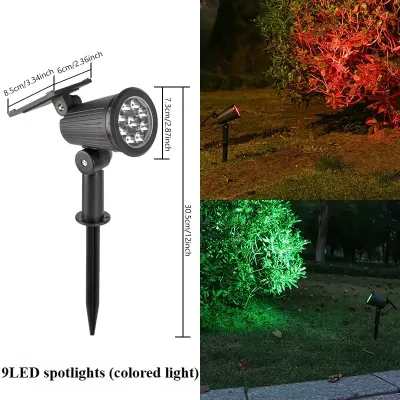
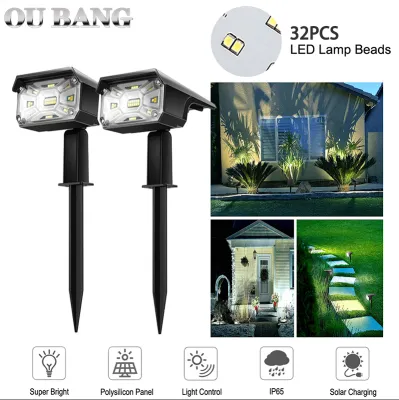
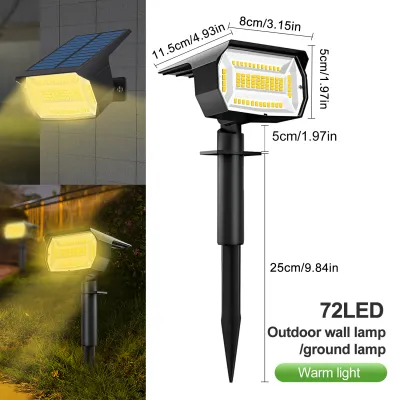
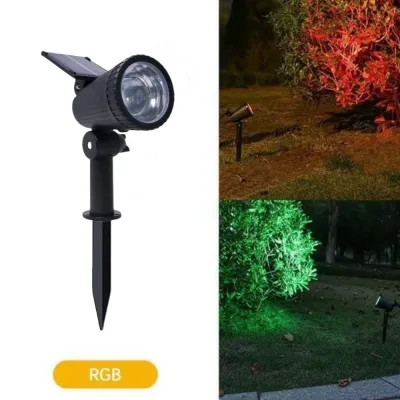
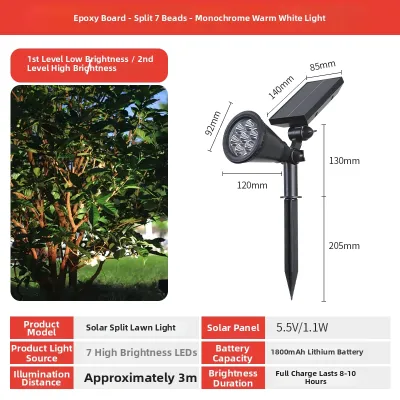
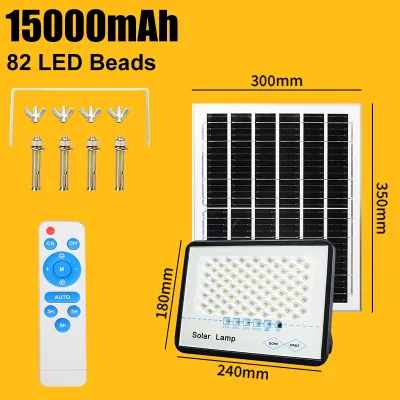
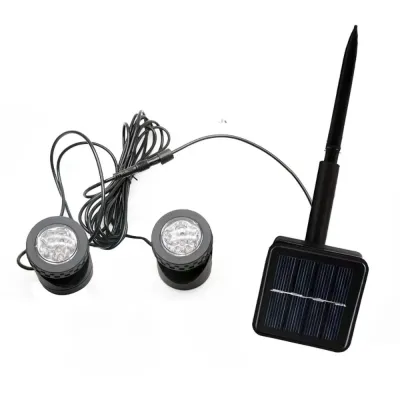
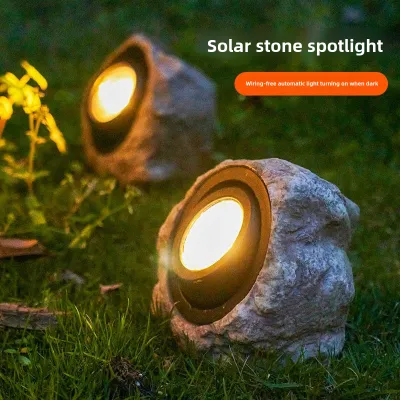
Prices are valid at publication and may change. Please refer to the product page for the latest price.
However, standard IP ratings are determined under controlled laboratory conditions using fresh water at stable temperatures. These tests do not fully replicate the long-term environmental stressors found in Singapore. Over time, intense ultraviolet (UV) radiation from the equatorial sun can degrade plastic housings, dry out silicone gaskets, and weaken adhesive seals. This environmental wear makes fixtures more susceptible to moisture ingress during subsequent heavy downpours, meaning a high initial IP rating must be supported by quality materials to ensure long-term durability.
Evaluating IP44, IP65, and IP67 for Monsoon Conditions
When planning your outdoor lighting layout, matching the IP rating of your solar spotlights to their specific location and exposure level is essential for preventing premature failure.

An IP44 rating indicates protection against solid objects larger than 1 millimeter and splashing water from any direction. While this level of protection is often sufficient for semi-sheltered outdoor areas, such as deep balconies, covered patios, or under a substantial roof eave, it is generally inadequate for fully exposed garden installations. During Singapore’s monsoon seasons, heavy rains are frequently accompanied by strong winds that drive water horizontally. Under these conditions, wind-blown rain can easily bypass the basic seals of an IP44 fixture, leading to internal short circuits and battery failure.
An IP65 rating provides complete protection against dust and can withstand low-pressure water jets projected from any direction. This makes IP65 the reliable baseline for most exposed outdoor solar spotlights, including those mounted on garden stakes, walls, fences, or pergolas. An IP65-rated fixture is designed to handle the force of direct, heavy downpours without allowing water to penetrate the housing. The seals on these units are robust enough to withstand the continuous impact of rain throughout the wettest months of the year, making them highly suitable for typical residential garden environments.
An IP67 rating offers the same dust-tight protection as IP65 but upgrades the liquid protection to withstand temporary immersion in water up to 1 meter deep for 30 minutes. This rating is strictly necessary for ground-level spotlights, recessed well lights, or fixtures placed in low-lying garden beds where water tends to pool. During intense tropical downpours, drainage systems can become temporarily overwhelmed, causing localized pooling or flash flooding. An IP67-rated fixture will survive being temporarily submerged in these puddles, whereas an IP65 or IP44 fixture would likely suffer catastrophic internal water damage due to the sustained water pressure.
Installation and Maintenance Checks for Wet Environments
Proper installation and regular maintenance are vital to preserving the waterproof integrity of your outdoor solar spotlights and ensuring they operate efficiently throughout the rainy season.
When positioning your spotlights, avoid natural water collection points, low spots in the lawn, or areas directly beneath roof valleys that lack gutters. Water cascading from rooflines can exert significant pressure, easily exceeding the limits of standard IP65 seals. Additionally, ensure that the solar panel is angled to maximize sunlight absorption during the overcast monsoon months, while also allowing rainwater to run off naturally rather than pooling on the glass surface. Keep the surrounding vegetation trimmed to prevent wet leaves from clinging to the panel and blocking light.
The combination of intense equatorial heat, high UV exposure, and high humidity can cause silicone gaskets, rubber O-rings, and plastic seals to dry out, crack, or harden over time. Inspect these seals at least twice a year, ideally before the onset of the wet season. Look for any signs of warping, gaps, or degradation. Applying a thin layer of silicone grease to the gaskets during inspection can help maintain their flexibility and water-resistant properties.
To maintain optimal charging efficiency, establish a regular cleaning protocol. Use a soft, damp microfiber cloth to gently wipe away mud, bird droppings, and hard water stains from the solar panel and light lens. Avoid using abrasive cleaning pads, harsh chemical solvents, or high-pressure water sprays, as these can scratch the protective coatings on the solar panel, degrade the plastic housing, or force water past the rubber seals.
While solar spotlights operate on low-voltage DC power and are generally safe for DIY installation, certain scenarios require professional expertise. If you plan to integrate solar spotlights with existing hardwired garden electrical systems, modify permanent mounting structures, or install fixtures in elevated positions requiring work at height, always isolate the main power supply and consult a qualified electrician. This ensures compliance with local electrical safety standards and prevents hazardous electrical faults in wet outdoor environments.
Verifying Waterproof Claims Before Purchase
To avoid poorly constructed fixtures that may fail during the first heavy storm, it is important to validate manufacturer claims before making a purchase.
Begin by checking for clearly printed IP rating labels on the product packaging, user manual, or molded directly onto the fixture’s housing. Avoid products that rely solely on vague marketing terms like “waterproof,” “weather-resistant,” or “rainproof” without providing a specific, certified IP rating. A reputable manufacturer will always state the exact IP rating to verify the fixture’s testing standards.
Examine the construction materials of the spotlight housing. High-quality outdoor fixtures are typically constructed from UV-stabilized ABS plastic, polycarbonate, or powder-coated aluminum. These materials are highly resistant to warping, fading, and cracking under intense sun and heavy rain. Avoid cheap, non-UV-treated plastics, which degrade rapidly in tropical climates, leading to structural cracks that allow water to enter.
Additionally, inspect the physical design of the fixture’s entry points. Verify that cable entries, sensor housings, and battery compartments feature secure, threaded seals, tight-fitting rubber gaskets, or proper potting compounds. The battery compartment should have a secure closure mechanism, such as screws with rubber washers, rather than simple plastic clips that can easily loosen over time. If the spotlight features an external solar panel, ensure the connecting cable has a waterproof, threaded coupling to prevent water from seeping into the connection.
When selecting your solar spotlight, also verify its electrical specifications, including the battery voltage, capacity, and interface type. Ensure the fixture’s dimensions and mounting brackets are compatible with your installation environment. If the spotlight features adjustable brightness or dimming methods, check that these controls are sealed against moisture. Always look for recognized electrical certifications on the product label to guarantee the unit has undergone rigorous safety testing.
While decorative style, perceived color temperature, and spatial lighting effects are important for your garden’s aesthetic, these are conditional preferences that should only be considered after verifying the fixture’s technical and waterproof specifications.
Frequently Asked Questions (FAQ)
Can I use an IP44 solar spotlight if I place it under a patio roof?
An IP44 solar spotlight can be used under a deep patio roof or balcony where it is fully shielded from direct rainfall. However, if the patio is shallow or open to the elements, wind-blown rain during a monsoon squall can still reach the fixture. If water splashes up from nearby walkways or decking, an IP44 rating may not provide sufficient protection, making an IP65-rated fixture a much safer and more durable choice for semi-exposed areas.
Does heavy rain affect the charging efficiency of solar spotlights?
While a high IP rating protects the physical components of the spotlight from water damage, heavy rain and the accompanying cloud cover significantly reduce the amount of sunlight reaching the solar panel. This lowers charging efficiency and shortens the light’s operational runtime at night. To ensure continuous operation during the monsoon season, choose fixtures with high-capacity lithium-ion batteries and adjustable solar panels that can be angled to capture maximum ambient light.
What should I do if water gets inside my solar spotlight?
If you notice condensation or water pooling inside the lens or battery compartment, turn off the fixture immediately to prevent short-circuiting. Open the battery compartment, remove the batteries, and place the disassembled components in a dry, shaded area to air dry completely. Inspect the battery terminals for any signs of corrosion. Before reassembling, check the seals for damage or wear, and consult the manufacturer’s warranty guidelines if the fixture failed prematurely.
Community discussion
Share your experience or ask a question. Comments are reviewed before publication.