
To withstand Singapore’s intense tropical downpours and seasonal monsoons, outdoor step lights generally require a minimum rating of IP65 for vertical installations, such as stair risers. For horizontal fixtures embedded directly into stair treads where water can pool, an IP66 or IP67 rating is highly recommended. Selecting the correct ingress protection level ensures your outdoor lighting remains safe, functional, and free from moisture-induced short circuits.
Decoding IP Ratings: What the Numbers Mean for Water Resistance
The Ingress Protection (IP) rating system is an international standard that defines how effectively an electrical enclosure seals against solids and liquids. Written as “IP” followed by two numbers, this rating tells you exactly what environmental conditions a fixture can handle. For outdoor step lights, the first digit represents protection against solid objects like dust, while the second digit indicates water resistance.
Most high-quality outdoor light fixtures carry a solid protection rating of 6, which means they are completely dust-tight. Because dust resistance is standard for outdoor-grade equipment, your primary decision factor will be the second digit. This number ranges from 0 to 9, with higher numbers indicating superior resistance to moisture and water ingress.
Products mentioned in this guide
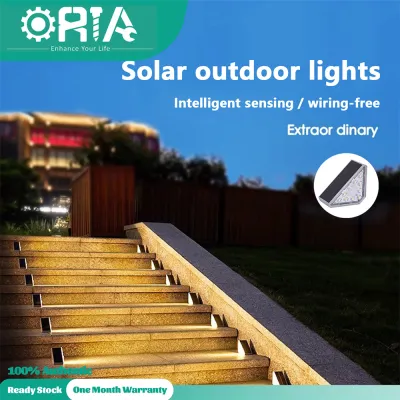
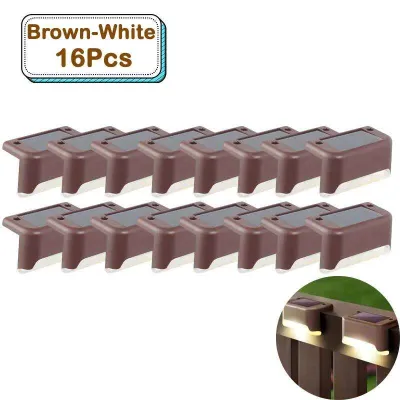
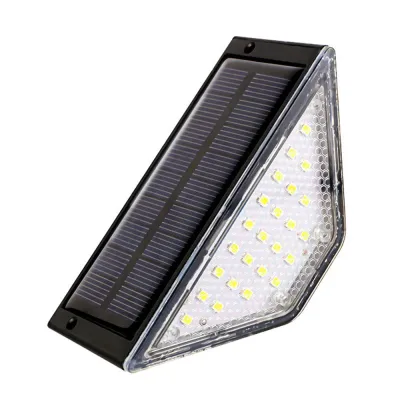
Prices are valid at publication and may change. Please refer to the product page for the latest price.
Understanding how these liquid protection levels translate to real-world weather is key to selecting the right fixture:
- IPx4: Protects against splashing water from any direction. This level is generally insufficient for exposed outdoor stairs in Singapore, where heavy monsoon rains can quickly bypass basic seals.
- IPx5: Protects against low-pressure water jets. This rating is suitable for fixtures exposed to light rain or gentle garden watering.
- IPx6: Protects against powerful water jets. Fixtures with this rating can easily withstand the heavy, driving tropical downpours characteristic of Singapore's wet seasons.
- IPx7: Protects against temporary immersion in water up to 1 meter deep for 30 minutes. This is crucial for areas prone to brief flooding or standing water.
- IPx8: Protects against continuous submersion under deeper water.
By learning to decode these specifications, you can avoid overpaying for unnecessary submersion ratings like IP68 when a robust rain-resistant rating like IP65 or IP66 is more than adequate for your staircase layout.
Choosing the Right IP Rating for Your Step Light Placement
The ideal IP rating for your step light depends heavily on where and how the fixture is mounted. Because water behaves differently on vertical walls than it does on flat, horizontal surfaces, matching the rating to the specific placement prevents premature fixture failure.

For vertical or side-mounted step lights installed on stair risers or adjacent retaining walls, an IP65 rating serves as a reliable baseline. Because gravity naturally pulls rainwater down these vertical surfaces, water is unlikely to pool around the light housing. An IP65 fixture easily repels the wind-driven rain common during Singapore’s monsoons without requiring expensive submersion-grade seals.
For horizontal or ground-level recessed lights embedded directly into the tread of the step or at the base of the staircase, you should step up to an IP66 or IP67 rating. Water naturally flows downward and pools on flat surfaces during heavy storms. If your staircase suffers from slow drainage, these ground-level fixtures may find themselves temporarily submerged in runoff, making the higher jet or temporary immersion protection of IP67 essential.
While it might be tempting to buy the highest rating available, an IP68 rating is usually overkill and an unnecessary expense for standard stair lighting. IP68 fixtures are designed for continuous underwater use, such as inside swimming pools or active water features. Unless your steps are designed to be permanently submerged, a well-placed IP65 or IP67 light paired with proper staircase drainage will perform flawlessly.
Critical Specs Beyond IP Ratings for Tropical Climates
While water resistance is vital, Singapore’s hot, humid, and occasionally salty coastal air presents other environmental challenges. To ensure your step lights last for years, you must look beyond the IP rating and evaluate the fixture’s physical construction and electrical safety.
Waterproofing alone will not prevent rust and material degradation. Look for step lights constructed from marine-grade 316 stainless steel, powder-coated copper-free aluminum, or high-quality UV-stabilized polycarbonate. Avoid untreated or low-grade metals, which will rapidly corrode and compromise the internal gaskets in Singapore’s high humidity.
Electrical safety is another critical consideration, particularly given Singapore’s standard 230V mains supply. While line-voltage fixtures exist, installing low-voltage (12V or 24V) step light systems is highly recommended for outdoor wet areas. Low-voltage systems utilize an outdoor-rated step-down transformer, dramatically reducing the risk of hazardous electrical shocks if a cable is accidentally severed or a seal eventually fails. Always verify that any transformer or driver matches the total wattage limit and dimming method of your selected fixtures.
Additionally, pay attention to the impact resistance, which is measured by an IK rating. Because step lights are installed at foot level, they are highly vulnerable to accidental kicks, vacuum cleaners, and falling garden debris. Choosing a fixture with an IK08 rating or higher ensures the lens and housing can withstand physical impacts without cracking.
Installation Safety and Maintenance to Protect the Seals
Even the highest-rated IP67 step light will fail if it is installed incorrectly or neglected. Safeguarding your investment requires adhering to strict electrical safety boundaries and performing simple, regular maintenance.
Before beginning any installation or handling exposed wires, always isolate the power supply at the main circuit breaker. Because outdoor lighting involves fixed wiring, damp environments, and often drilling into concrete or masonry, the installation must be handled by a licensed electrician. A qualified professional ensures the system complies with Singapore’s local electrical safety standards, utilizes correct outdoor-rated junction boxes, and establishes proper grounding.
To protect the physical integrity of the waterproof seals, ensure the installation area has adequate drainage. Water should never be allowed to trap or pool permanently behind the light housing. When cleaning your outdoor steps, avoid directing high-pressure water washers directly at the silicone gaskets of the step lights, and never use harsh chemical solvents that can degrade the rubber seals over time.
Establishing a simple visual inspection routine every six months—ideally right before the monsoon season—will help you catch potential issues early. Check the inside of the lens for any signs of condensation, inspect the outer housing for hairline cracks, and ensure the silicone gaskets remain soft and pliable. If you notice moisture buildup or brittle seals, turn off the power and consult a professional to service or replace the unit before water damages the wider electrical circuit.
Frequently Asked Questions (FAQ)
Can I use an IP44 step light outdoors if it is under a covered porch?
Using an IP44-rated light outdoors is generally not recommended in Singapore, even if it is positioned under a covered porch or roof overhang. Strong tropical winds frequently blow heavy rain sideways, allowing moisture to easily bypass shallow roof cover. To prevent short circuits and premature fixture failure, stick to a minimum of IP65 for any outdoor installation.
Do I need an IP68 rating for standard outdoor stairs?
No, an IP68 rating is not necessary for standard outdoor staircases. IP68 is specifically engineered for continuous underwater submersion, such as in pools or fountains. For dry or rain-exposed stairs with proper drainage, an IP65 or IP66 rating provides complete protection against heavy downpours at a much more reasonable price point.
How often should I check the waterproof seals on my step lights?
You should perform a quick visual inspection of your step lights every 6 to 12 months, preferably before the onset of the wet monsoon seasons. Look for signs of internal condensation, a yellowing or cracked lens, or brittle silicone gaskets. Catching these signs of UV and heat degradation early allows you to replace seals or fixtures before water penetrates the electrical connections.
Community discussion
Share your experience or ask a question. Comments are reviewed before publication.