
To survive Singapore’s intense monsoon seasons and year-round tropical humidity, outdoor solar garden lights generally require a minimum rating of IP65 for fully exposed areas, while zones prone to temporary water pooling demand IP67 or higher. Selecting the correct Ingress Protection (IP) rating ensures your outdoor fixtures remain functional despite sudden downpours and high ambient moisture. By matching the specific microclimates of your garden to the appropriate level of protection, you can prevent premature electrical failure, battery corrosion, and physical degradation.
Understanding IP Ratings for Outdoor Lighting
When shopping for outdoor illumination, you will frequently encounter the term “IP rating” followed by two numbers. This classification system, established by the International Electrotechnical Commission (IEC), provides a standardized scale to measure how effectively an electrical enclosure prevents external elements from reaching its sensitive internal components. Relying solely on vague marketing terms like “weatherproof” or “water-resistant” can lead to premature product failure, as these descriptions lack standardized definitions and vary widely between manufacturers.
When selecting solar garden lights, always verify the electrical specifications, including the battery voltage, charging interface, and any relevant electrical safety certifications. While solar lights operate on low-voltage direct current (DC) and are generally safe for DIY installation, any associated mains-powered charging stations or hybrid backup wiring must be installed by a qualified professional with proper power-isolation protocols.
Products mentioned in this guide
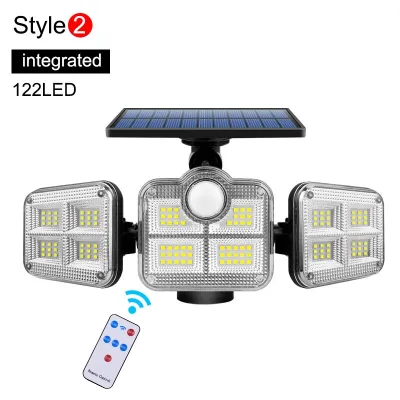
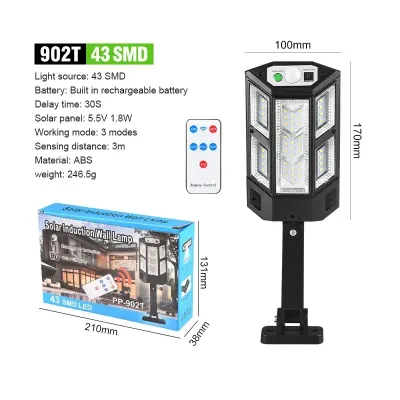
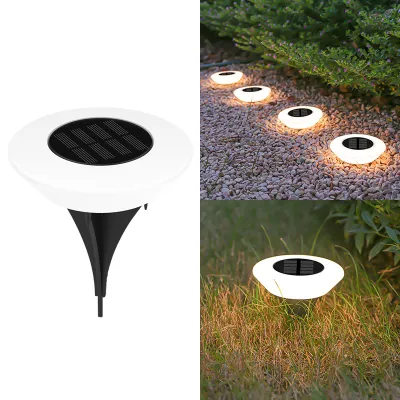
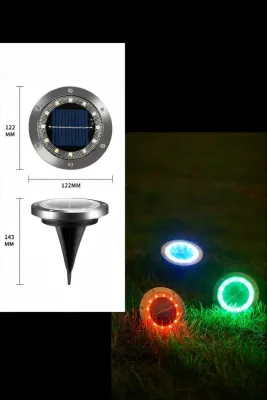
Prices are valid at publication and may change. Please refer to the product page for the latest price.
The first digit in an IP rating ranges from 0 to 6 and indicates the level of protection against solid objects, such as dust, dirt, and accidental contact. For outdoor solar garden lights, a rating of 5 or 6 is standard. A solid protection rating of 5 means the fixture is protected against harmful dust deposits, though some dust may still enter without disrupting operation. A rating of 6 represents a completely dust-tight seal, ensuring that no fine particles can penetrate the housing under normal operating conditions.
The second digit is far more critical for surviving heavy tropical downpours, as it measures protection against liquids on a scale from 0 to 9. A liquid protection rating of 4 indicates resistance to splashing water from any direction, which is rarely sufficient for intense storms. A rating of 5 signifies protection against low-pressure water jets, while a rating of 6 indicates resistance to high-pressure water jets. Ratings of 7 and 8 denote protection against temporary and continuous immersion in water, respectively, which is vital for fixtures installed in low-lying garden beds.
Understanding the practical differences between these ratings helps you look past generic marketing labels. A “weather-resistant” light might only carry an IP44 rating, meaning it can handle light splashes but will likely fail when subjected to a sudden tropical deluge. Conversely, a truly “waterproof” light rated at IP65 or IP67 is engineered with robust seals designed to withstand direct, high-volume rainfall and temporary pooling. Always verify the exact numerical IP rating on the product packaging or technical specification sheet before purchasing.
Climate Challenges for Solar Lights in Singapore
Singapore’s tropical climate presents a unique set of environmental stressors that rapidly test the physical limits of outdoor solar lighting. The primary challenge is the annual monsoon seasons, which bring sudden, torrential downpours characterized by driving rain and high-velocity water droplets. When heavy rain strikes a solar light fixture, the water does not merely run off; it exerts physical pressure against the joints, seams, and entry points where the solar panel, light-emitting diode (LED) cover, and battery compartment meet.

Beyond direct rainfall, the region’s consistently high relative humidity—often exceeding 80% year-round—poses a silent threat to electronic components. High ambient humidity means the air is saturated with water vapor. When temperatures drop slightly during the night or during a rainstorm, this airborne moisture can easily find its way through microscopic gaps in low-rated fixtures. Once inside, the vapor condenses into liquid water droplets on the cool internal surfaces, leading to rapid battery corrosion, short circuits, and the degradation of delicate control boards.
Furthermore, intense ultraviolet (UV) radiation and high ambient heat during sunny periods accelerate the aging process of the materials used to seal these fixtures. Over time, prolonged exposure to strong sunlight degrades rubber gaskets, silicone seals, and plastic housings, causing them to become brittle, crack, or warp. Once these protective barriers lose their elasticity, they can no longer maintain a watertight seal, allowing both rainwater and humid air to penetrate the interior during the next storm.
Matching IP Ratings to Your Garden Zones
To ensure long-term durability without overspending, you should match the IP rating of your solar garden lights to the specific exposure risks of different zones in your outdoor space. Fully exposed areas, such as open lawns, pathways, and driveways, receive the full force of tropical storms. For these locations, a minimum rating of IP65 is highly recommended. This rating ensures the fixture can withstand direct, low-pressure water jets from any angle, allowing it to endure heavy downpours without water penetrating the housing.
In contrast, sheltered or semi-sheltered zones like covered patios, balconies, or areas directly under deep roof eaves experience significantly less direct rainfall. In these protected microclimates, you may safely install fixtures with a slightly lower rating, such as IP44. However, because wind-blown rain and high ambient humidity can still reach these semi-sheltered areas, opting for IP54 or IP65 remains a safer choice to prevent moisture-related failures over time.
For low-lying garden beds, ground-level path lights, or fixtures installed near drainage channels, you must account for the physical behavior of water on the ground. During intense storms, water can pool rapidly in garden beds with poor drainage or heavy clay soil. If a solar light’s base or lower housing is likely to sit in standing water for even a short period, an IP65 rating may not suffice. In these high-risk zones, selecting fixtures rated at IP67—which certifies protection against temporary submersion in water up to one meter deep—prevents water from forcing its way into the battery and wiring compartments.
Installation and Maintenance for High Humidity
Proper installation and regular maintenance are essential to preserve the integrity of weather seals and ensure your solar garden lights survive the tropical climate. When installing ground-stake solar lights, pay close attention to the surrounding soil and drainage. Avoid placing fixtures in natural depressions or low points where water naturally pools during heavy rain. If your garden soil has high clay content, consider amending the installation spot with sand or gravel to improve drainage around the base of the stake, keeping the electrical housing elevated above standing water.
Maintaining the cleanliness of the solar panel is equally important, as dirt, algae, and bird droppings can block sunlight and reduce charging efficiency. When cleaning the solar panel, use a soft, damp microfiber cloth and plain water. Avoid using harsh chemical cleaners, abrasive pads, or high-pressure water sprays, as these can degrade the protective UV coating on the panel and damage the delicate silicone seals surrounding the solar cell. Gently wipe the surface to remove debris, ensuring the seal remains intact.
Additionally, regularly inspect the fixture for any signs of physical blockages. Many outdoor lights feature small drainage holes or ventilation gaps designed to let condensation escape or prevent pressure buildup. Ensure these openings are clear of soil, dead leaves, and insect nests. If your solar lights feature motion sensors or light sensors, keep these areas clean as well, as accumulated grime can trap moisture against the housing and accelerate seal degradation.
Troubleshooting Moisture and Condensation Issues
Even with high-quality fixtures, the extreme humidity of a tropical climate can occasionally lead to moisture issues. It is important to distinguish between harmless external dew and problematic internal condensation. External dew forms on the outside of the glass or plastic cover during cool mornings and evaporates naturally as the sun rises. Internal condensation, however, appears as persistent water droplets or fogging on the inside of the lens, indicating that moist air or liquid water has penetrated the protective housing.
If you notice internal condensation, address it promptly to prevent permanent damage to the battery and circuitry. Turn off the fixture if it has a manual switch, and carefully disassemble the housing according to the manufacturer’s instructions. Gently wipe away any visible moisture inside using a dry, lint-free cloth. To dry the internal components completely, place the disassembled parts in a warm, dry, well-ventilated indoor area for 24 to 48 hours. Avoid using high-heat sources like hair dryers or placing the components in direct, intense sunlight while disassembled, as excessive heat can warp plastic parts and damage delicate electronics.
During your inspection, examine the rubber gaskets and silicone seals for signs of wear, cracking, or misalignment. If the seals are dry or slightly out of place, you can sometimes apply a thin layer of silicone grease to restore their flexibility and water-resistance before reassembling the unit. However, if you find that the seals are severely cracked, degraded, or if the internal battery compartment shows extensive rust and corrosion, temporary repairs are unlikely to succeed. In such cases, the structural integrity of the fixture has been compromised, and replacing the unit with a higher-rated model is the most reliable solution.
Frequently Asked Questions (FAQ)
Can I use lower-rated solar lights if they are placed under a patio roof?
Yes, you can use fixtures with a slightly lower rating, such as IP44, under a patio roof or deep eaves, as these structures block direct, vertical rainfall. However, you must still account for wind-blown rain, which can drive water horizontally during severe tropical storms. Additionally, a patio roof does not protect against high ambient humidity, which can still penetrate poorly sealed enclosures. For long-term reliability and peace of mind, choosing a minimum of IP54 or IP65 is still recommended for semi-sheltered outdoor spaces.
Does a higher IP rating prevent internal condensation in high humidity?
A higher IP rating primarily prevents the ingress of liquid water and solid particles, but it does not completely guarantee protection against gaseous water vapor in extremely humid environments. When warm, humid air enters a fixture during assembly or battery replacement, it can condense into liquid droplets when the temperature drops at night. To combat this, high-quality outdoor fixtures often incorporate breathable, water-repellent membranes or small desiccant packs inside the housing to manage internal humidity without compromising the liquid seal.
Community discussion
Share your experience or ask a question. Comments are reviewed before publication.