
Selecting the right garden solar light outdoor fixtures involves more than just matching your home’s aesthetic style or choosing a preferred color temperature. Because these lights rely on the sun for power, they must remain fully exposed to the elements day and night. In a tropical environment like Singapore, where intense afternoon downpours, high humidity, and sudden monsoons are common, understanding waterproof specifications is the single most important factor in preventing premature electrical failure.
To ensure your outdoor lighting survives without water damage, you must look closely at its Ingress Protection (IP) rating. For most open lawn and pathway installations, an IP65 rating serves as the ideal baseline. If you are placing lights in highly sheltered areas like covered balconies or patios, an IP44 rating is generally sufficient, whereas flood-prone garden borders or ground-level spots require the robust protection of an IP67 rating. Matching the specific rating to your garden’s microclimate will save you from constant replacements and wasted expenditure.
Understanding the IP Rating System for Garden Lights
The Ingress Protection (IP) rating is an international standard that classifies the degree of protection a device has against solid objects and liquids. When shopping for outdoor lighting, you will always see the letters “IP” followed by two distinct digits. Understanding what these numbers represent allows you to decipher product specifications confidently and avoid relying on vague marketing claims.
Products mentioned in this guide
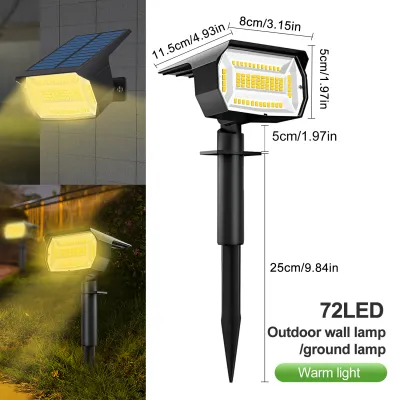
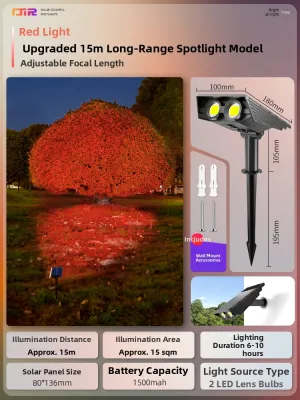
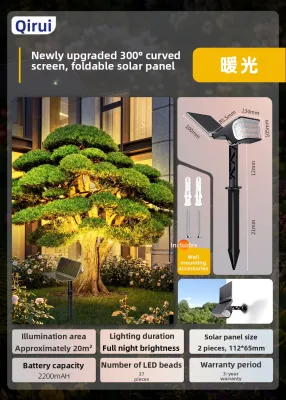

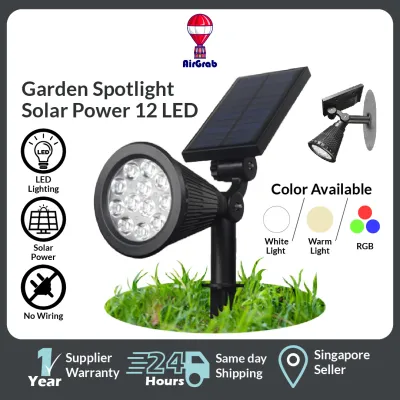
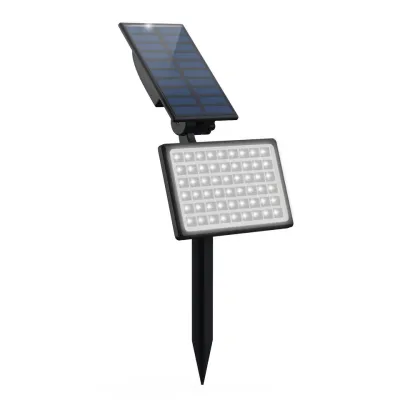
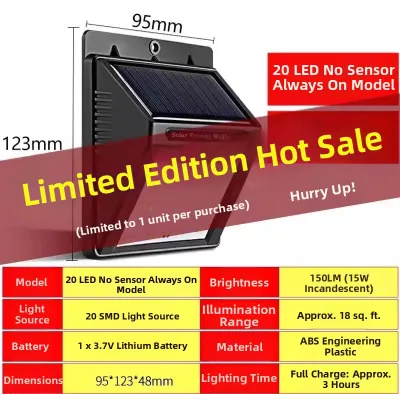
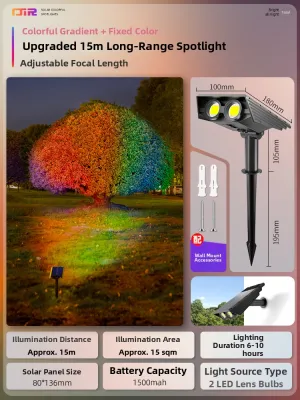
Prices are valid at publication and may change. Please refer to the product page for the latest price.
The first digit in the code ranges from 0 to 6 and indicates protection against solid particles, such as dust, dirt, and insects. For outdoor garden lights, a solid rating of 5 or 6 is standard and highly recommended. A rating of 5 means the casing is dust-protected, while a rating of 6 means it is completely dust-tight, ensuring that tiny insects and grit cannot crawl inside to damage the delicate internal circuitry.
The second digit, which ranges from 0 to 9, represents liquid and moisture protection. This is the primary decision driver for any garden solar light outdoor setup. Because water is highly conductive, even a tiny amount of moisture seeping into the battery compartment can cause a short circuit, corrode the terminals, and permanently ruin the light fixture.
Which IP Rating is Best for Your Garden Solar Light Outdoor Setup?
Singapore’s tropical weather patterns present unique challenges for outdoor electronics. High humidity can cause condensation to build up inside poorly sealed casings, while sudden, heavy downpours can pelt fixtures with high-velocity water droplets. To choose the right fixture, you must evaluate the exact level of exposure your light will face in its specific location.

IP44: Sheltered Areas and Light Splashes
An IP44 rating indicates that the light fixture is protected against solid objects larger than 1 millimetre and splashing water from any direction. This level of waterproofing is basic and relies on simple seals that can withstand light moisture but not pressurized water or heavy accumulation.
You should restrict IP44-rated lights to sheltered outdoor spaces. Excellent locations include covered patios, under roof eaves, or high up on recessed balcony walls where direct rain rarely reaches. Placing an IP44 light in these semi-protected zones keeps it safe from occasional wind-driven mist without exposing it to the full force of a tropical storm.
Do not install IP44 lights on open lawns, exposed pathways, or flowerbeds. During a heavy downpour, the volume of water hitting the casing will easily exceed the splash-protection limits, leading to water ingress, battery corrosion, and rapid product failure.
IP65: Standard Lawns and Uncovered Pathways
An IP65 rating represents a significant step up in weatherproofing, meaning the fixture is completely dust-tight and protected against low-pressure water jets from any direction. This is the industry-standard baseline for reliable outdoor garden lighting.
IP65 lights are designed to withstand direct, heavy rainfall and regular exposure to the elements. They are the ideal choice for standard garden beds, open pathways, fence posts, and lawns that experience Singapore’s typical afternoon showers. The seals on an IP65 fixture are tight enough to prevent water from forcing its way past the casing, even during intense storms.
While IP65 fixtures handle heavy rain with ease, they are not designed to be submerged. If your lawn suffers from poor drainage and water pools around the base of your fixtures for extended periods, an IP65 rating may still fail over time.
IP67: Flood-Prone Zones and Heavy Monsoon Rain
An IP67 rating offers premium protection, indicating that the fixture is completely dust-tight and can survive temporary immersion in water up to 1 metre deep for up to 30 minutes. This rating provides the ultimate defense against severe weather and water accumulation.
You should opt for IP67-rated lights in low-lying garden borders, areas prone to puddling, or ground-level uplights embedded directly into the turf. During intense monsoon seasons, these areas can quickly turn into temporary ponds. An IP67 light will continue to function safely even if it is temporarily buried under water during a flash flood.
Although IP67 lights carry a higher initial price tag, they offer long-term durability in high-risk zones. Investing in this level of protection for exposed ground installations prevents the need for frequent, costly replacements after every major storm.
How to Verify the IP Rating Before You Buy
When browsing online marketplaces or local lighting shops, you will frequently encounter vague marketing terms like “100% waterproof,” “weatherproof,” or “all-weather resistant.” These terms are not regulated and often mask a lower-quality product. To protect your investment, always look for the official IP rating on the physical product box, the battery compartment seal, or the manufacturer’s specification sheet.
If you are purchasing a solar light where the solar panel is detached from the light fixture via a cable, you must verify the IP rating of both components. The solar panel itself requires adequate moisture protection to prevent water from degrading the photovoltaic cells, and the cable connectors must have tight, rubberized seals to prevent water from entering the connection point.
Additionally, check the low-voltage electrical certifications and safety markings on the packaging. While solar lights operate on low-voltage DC power—making them inherently safer than mains-voltage lighting—ensuring they carry recognized electrical safety certifications gives you peace of mind regarding manufacturing quality and fire safety.
Beyond IP Ratings: Other Weatherproof Features to Check
While a high IP rating guarantees excellent protection against dust and water, it does not cover all aspects of outdoor durability. Singapore’s intense, year-round ultraviolet (UV) radiation can quickly degrade cheap materials, causing them to crack and fail regardless of their initial waterproof rating.
Always look for fixtures made from UV-stabilized plastics (such as high-grade polycarbonate) or rust-proof metals like stainless steel or powder-coated aluminum. Cheap ABS plastics will rapidly turn brittle and yellow under the sun, eventually cracking and breaking the waterproof seal, which allows water to enter.
Examine the battery compartment closely before installation. A high-quality solar light will feature a sealed compartment secured by screws and backed by a thick, flexible silicone or rubber gasket. Over time, high tropical humidity can cause internal condensation if this gasket is degraded, thin, or improperly seated.
Keep the solar panel surface clean to maintain charging efficiency. Dust, pollen, and bird droppings can form a film over the panel, blocking sunlight and reducing the battery’s charge. Regularly wiping the panel with a soft, damp cloth is a safe, simple maintenance step that keeps your lights running at peak performance.
For any advanced installations—such as hybrid solar systems that connect to your home’s fixed mains wiring, or fixtures mounted at significant heights—always isolate the power source before handling. Follow the manufacturer’s installation instructions carefully, and consult a qualified professional electrician to handle any fixed wiring to ensure safety and compliance with local electrical standards.
Frequently Asked Questions (FAQ)
Can I leave IP44 solar lights outside during a heavy thunderstorm?
It is highly risky to leave IP44-rated lights fully exposed during a heavy tropical thunderstorm. Because IP44 only protects against light splashes, the high volume and velocity of water during a severe storm can easily bypass the basic seals. To prevent irreversible water damage to the battery and internal circuitry, it is best to move IP44 lights to a sheltered area or bring them indoors when heavy rain is expected.
Does a higher IP rating mean the solar light will last longer?
A higher IP rating only guarantees superior protection against water and dust ingress; it does not automatically guarantee a longer overall lifespan. The longevity of your garden solar light outdoor fixture also depends heavily on other factors, including the quality of the solar panel, the lifespan of the rechargeable battery, and the casing’s resistance to UV degradation and physical impacts.
Community discussion
Share your experience or ask a question. Comments are reviewed before publication.