
To safeguard your outdoor lighting from Singapore’s sudden, heavy tropical downpours, choosing the correct Ingress Protection (IP) rating is essential. For an outdoor standing lamp fully exposed to the elements in a garden or open patio, you should select a fixture with at least an IP65 rating. If you plan to position the lamp in a semi-sheltered area, such as a covered balcony or under deep roof eaves, an IP44 or IP54 rating will provide sufficient protection against ambient moisture and wind-blown mist.
Selecting the right rating ensures your lighting remains safe, functional, and durable without overpaying for unnecessary specifications.
Decoding IP Ratings: What the Numbers Mean for Your Lamp
The Ingress Protection (IP) rating system is an international standard that defines how effectively an electrical enclosure seals against external elements. Every IP rating consists of two digits. The first digit, ranging from 0 to 6, indicates the level of protection against solid objects, dust, and accidental contact. The second digit, ranging from 0 to 8, measures the fixture’s resistance to liquids, which is the critical metric for any electrical appliance installed outdoors.
Products mentioned in this guide
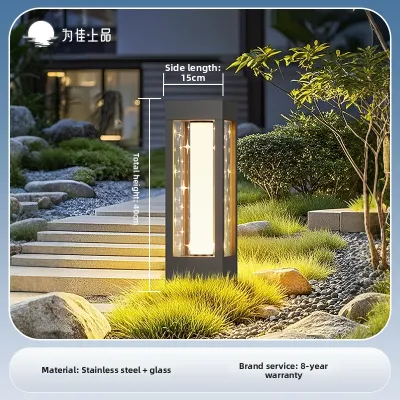
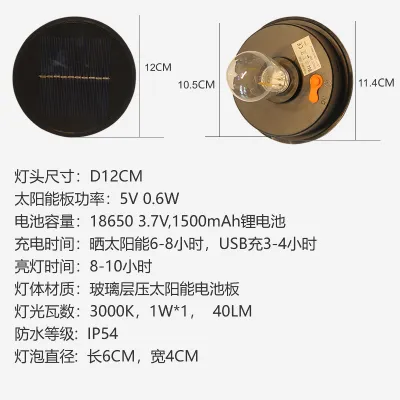
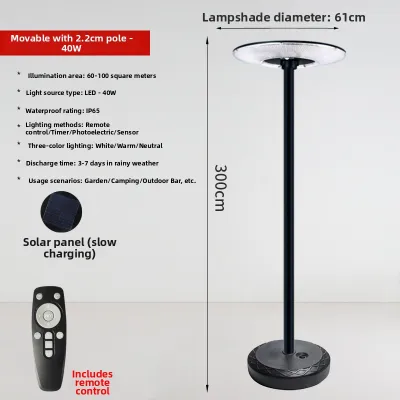
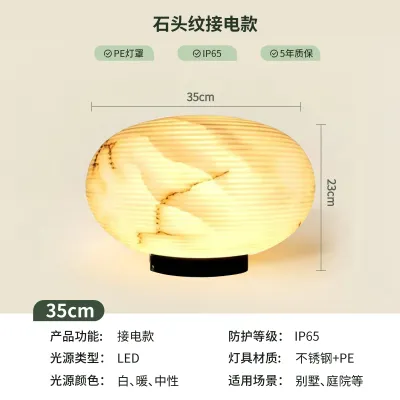
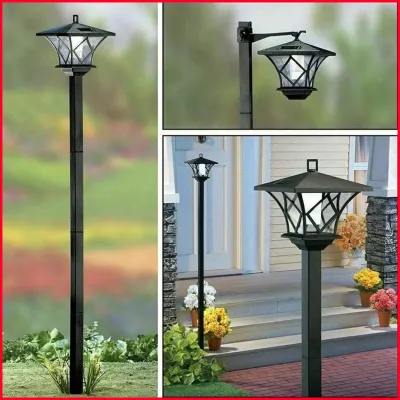
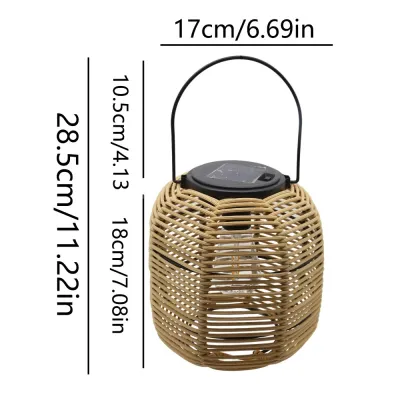
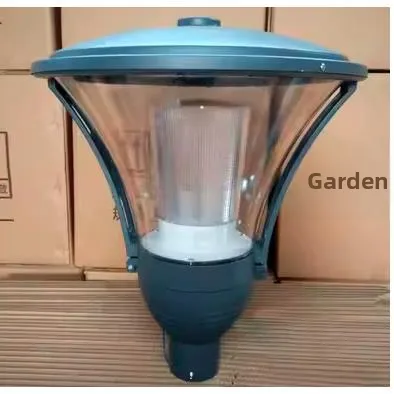
Prices are valid at publication and may change. Please refer to the product page for the latest price.
When evaluating an outdoor standing lamp, the second digit is your primary decision-defining dimension. While dust protection (the first digit) is helpful to prevent fine particles from settling on internal wiring, water ingress is the leading cause of short circuits, tripped residual current devices (RCDs), and permanent fixture failure. A rating where the first digit is 5 or 6 is standard for outdoor use, but the water-resistance digit demands your closest attention.
It is a common misconception that a higher IP number is always superior for every residential application. Ratings such as IP67 or IP68 are engineered for temporary or continuous submersion, making them necessary for underwater pool lights or pond fixtures. For a standing lamp that sits firmly on a patio or garden path, paying a premium for submersion-grade sealing is unnecessary and often leads to a highly restricted selection of designs.
You should also be cautious of vague marketing terms like “waterproof,” “weatherproof,” or “rain-resistant.” These labels lack standardized regulatory definitions and can vary wildly between manufacturers. To ensure your safety and protect your investment, look past the promotional copy and verify the exact numerical IP rating certified on the product’s technical specification sheet.
Matching IP Ratings to Your Outdoor Space in Singapore
Singapore’s tropical climate features intense monsoon seasons, high ambient temperatures, and sudden, heavy downpours. To choose the right fixture, you must assess the exact physical placement of your outdoor standing lamp and match it to the appropriate IP rating.

For fully exposed areas such as open lawns, garden pathways, and uncovered driveways, you should install a lamp with a minimum rating of IP65. An IP65-rated fixture is certified to withstand low-pressure water jets from any direction. During a severe afternoon thunderstorm, rain rarely falls straight down; instead, strong winds drive water horizontally and upward, mimicking high-velocity sprays that can easily bypass weaker seals.
If your standing lamp will reside in a covered or semi-exposed area, such as a high-rise balcony with a substantial roof, a covered veranda, or directly under deep architectural eaves, a rating of IP44 or IP54 is generally sufficient. An IP44 rating ensures protection against splashing water from all directions, which easily handles the light mist and blowing spray typical of Singapore’s windy days without requiring the heavy-duty gaskets of fully exposed fixtures.
However, direct water ingress is not the only challenge in Singapore; the island’s consistently high relative humidity, often exceeding 80% year-round, presents a unique obstacle. Standard IP tests evaluate a fixture’s resistance to liquid water penetration over a short duration, but they do not measure long-term resistance to vapor transmission. Over time, warm, humid air can penetrate standard seals, cooling down inside the lamp housing at night and creating internal condensation that corrodes delicate circuitry.
To mitigate this risk, high-quality outdoor standing lamps often feature pressure-equalizing vents or breathable membranes that allow moisture vapor to escape while blocking liquid water. When shopping for fully enclosed glass or metal designs, check if the manufacturer has incorporated these thermal management features to prevent foggy lenses and premature internal rust.
Always review the manufacturer’s specific installation guidelines before finalizing your layout. Some lighting brands will void their warranty if an IP44-rated lamp is placed in an area that experiences direct, unshielded rainfall, even if the balcony or patio feels relatively protected to you. Aligning your placement strictly with the manufacturer’s intended environment is key to preserving both safety and warranty coverage.
Beyond Water Resistance: Other Specs for Tropical Weather
While the IP rating is a vital safety benchmark, it only addresses the physical entry of dust and water. To ensure an outdoor standing lamp survives Singapore’s harsh environmental conditions over several years, you must evaluate several other critical material and electrical specifications.
Material composition is your primary defense against long-term degradation, as a high IP rating does not prevent surface corrosion. You should prioritize fixtures constructed from highly stable materials suited for humid climates, such as powder-coated die-cast aluminum, marine-grade 316 stainless steel, solid teak, or UV-stabilized polymers. Avoid untreated iron, low-grade steel, or cheap chrome finishes, which will rapidly blister and rust when exposed to salty coastal air and high humidity.
Equatorial sunlight is exceptionally strong, meaning UV radiation can degrade materials just as quickly as moisture. Prolonged exposure to intense sunlight can fade painted surfaces, turn clear plastic diffusers yellow and brittle, and cause fabric shades to disintegrate. Look for lamps with certified UV-resistant finishes, or choose glass and metal enclosures that naturally resist solar degradation.
Electrical safety is paramount when dealing with outdoor power. Ensure that any plug-in standing lamp uses a heavy-duty, rubber-insulated power cable rated for outdoor use, such as those designated with H05RN-F or equivalent local standards. In Singapore, any electrical appliance connected to the mains power supply must comply with local safety regulations; look for the Enterprise Singapore Safety Mark on the plug or power adapter to verify it has been tested for safe local operation.
Before installing any outdoor fixture, you must verify the voltage compatibility (Singapore standard is 230V, 50Hz), the bulb base interface (such as E27 or GU10), and the maximum wattage limits. If you plan to use dimmable LED bulbs, ensure that both the lamp’s internal driver and your external dimming switch are fully compatible to prevent flickering or driver failure.
For fixed-wiring installations, damp-zone setups, or any work requiring connections to your home’s main consumer unit, always isolate the power at the main circuit breaker before beginning. Do not attempt to wire permanent outdoor fixtures yourself; instead, hire a licensed electrical worker (LEW) to ensure the installation complies with Singapore’s SS 638 electrical wiring standards.
Finally, establish a regular maintenance routine to keep your lamp functioning safely. Before performing any cleaning, bulb replacement, or seal inspections, disconnect the lamp entirely from the power source and ensure the exterior is completely dry. Follow the manufacturer’s care instructions carefully, checking that rubber gaskets remain soft, pliable, and free of cracks to maintain the integrity of the IP seal.
Frequently Asked Questions (FAQ)
Can I use an indoor standing lamp outside if it is under a roof?
You should never use an indoor standing lamp in an outdoor environment, even if it is completely sheltered under a solid roof or high-rise balcony. Indoor lamps typically carry an IP20 rating, offering zero protection against moisture, blowing mist, or high ambient humidity. Over time, the humid Singapore air will cause internal condensation, resulting in corrosion, short circuits, or severe electrical shock hazards. Furthermore, indoor fixtures lack the UV-stabilized materials and rust-resistant coatings necessary to withstand outdoor exposure, leading to rapid physical deterioration.
Does a higher IP rating guarantee a longer lifespan?
A higher IP rating does not guarantee a longer product lifespan. The IP rating only measures a fixture’s ability to resist dust and water ingress under controlled laboratory test conditions at a specific point in time. A lamp’s overall durability depends far more on the quality of its structural materials, the UV stability of its components, and regular maintenance. A cheaply built IP65 lamp made of low-grade steel will rust and fail much faster in Singapore’s climate than a premium IP44 lamp crafted from marine-grade aluminum placed in a suitable semi-sheltered area.
Community discussion
Share your experience or ask a question. Comments are reviewed before publication.