
To keep your garden illuminated through Singapore’s intense tropical downpours, choosing the correct IP (Ingress Protection) rating for your solar outdoor lights is essential. As a baseline, you need an IP65 rating for any lights fully exposed to the elements, such as lawn spotlights and pathway markers. If you are placing lights in sheltered areas like HDB common corridors or covered patios, an IP44 rating is generally sufficient. For low-lying garden beds prone to puddling or areas near water features, you should opt for IP67 to prevent water damage from temporary submersion.
Singapore’s unique climate—characterized by sudden monsoon storms, high ambient humidity, and intense UV exposure—presents a challenging environment for outdoor electronics. Standard retail packaging often labels products simply as “waterproof,” but this term lacks a standardized definition. Relying on verified IP ratings is the only reliable way to ensure your outdoor light solar fixtures survive the local climate without short-circuiting or suffering from premature failure.
Decoding IP Ratings: Which Digit Matters Most for Outdoor Lights
The Ingress Protection (IP) rating is an international standard that classifies the degree of protection provided against mechanical casings and electrical enclosures. It is always expressed as “IP” followed by two digits. The first digit, ranging from 0 to 6, indicates protection against solid particles like dust, dirt, and accidental contact. The second digit, ranging from 0 to 9K, measures protection against liquids, specifically water ingress.
Products mentioned in this guide
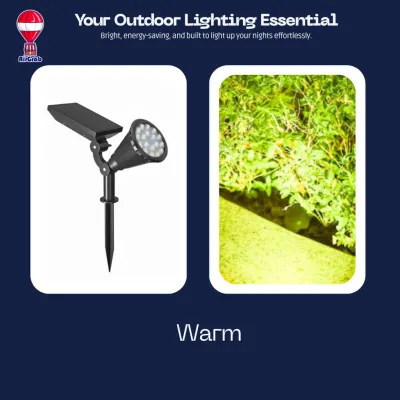
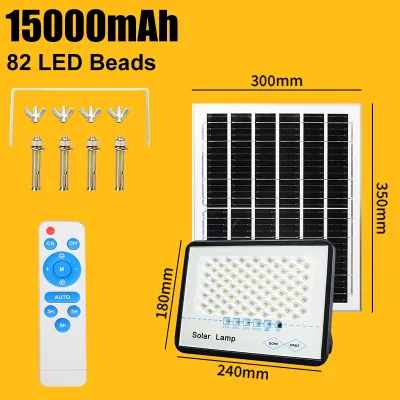
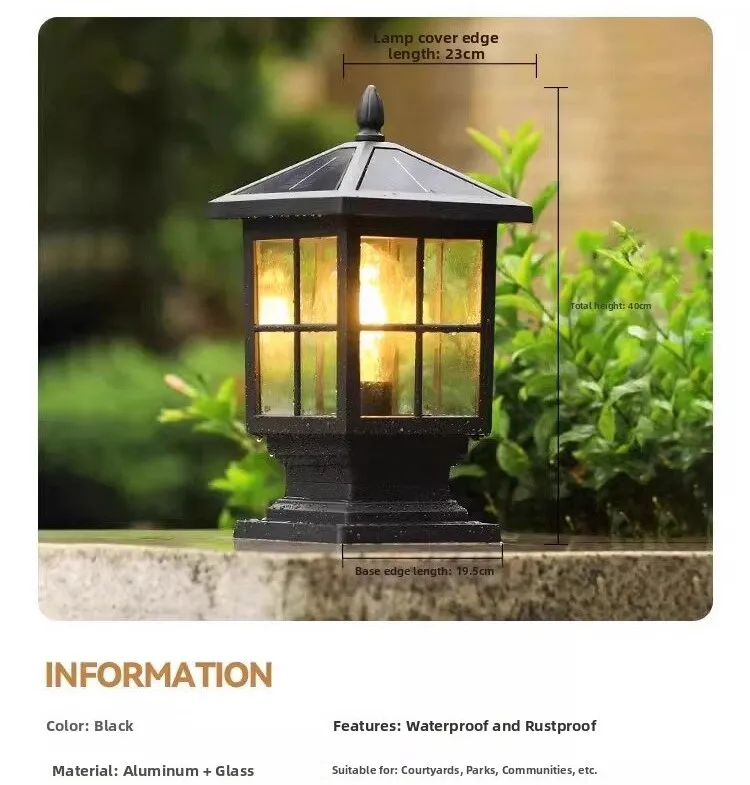
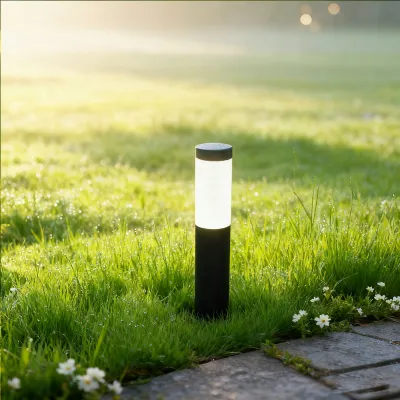
Prices are valid at publication and may change. Please refer to the product page for the latest price.
For residential outdoor garden lighting, the second digit is your primary decision driver. While dust protection is important, soil particles rarely cause catastrophic failure in modern sealed fixtures. Moisture, on the other hand, is the leading cause of premature failure in solar lights. High humidity and heavy rain can easily penetrate poorly sealed casings, leading to battery degradation and circuit board failure.
When comparing outdoor light solar options, you will primarily encounter three liquid protection levels: 4 (protection against splashing water from any direction), 5 (protection against low-pressure water jets), and 7 (protection against temporary immersion up to 1 meter for 30 minutes). Understanding these specific thresholds allows you to match the fixture’s build quality to its exact location in your yard, saving you money on over-engineered lights while preventing the premature failure of under-protected ones.
Choosing the Right IP Rating for Your Singapore Garden
Selecting the right IP rating requires assessing the microclimate of your specific installation zones. Singapore’s weather consists of heavy tropical downpours that can dump large volumes of water in minutes, accompanied by high humidity that slows down evaporation. A light that works perfectly in a drier climate may quickly fail here if its placement does not match its ingress protection level.

IP44 for Sheltered HDB Corridors and Covered Patios
An IP44 rating indicates that the light is protected against solid objects larger than 1 millimeter and splashes of water from any direction. This level of protection is highly cost-effective and perfectly suited for semi-sheltered outdoor spaces. Common examples include HDB corridor walls, covered balconies, deep roof eaves, or under solid pergolas where direct, heavy rainfall cannot strike the fixture.
However, IP44 lights are not built to withstand the force of wind-driven monsoon rain or prolonged exposure to open skies. If a sudden storm blows rain sideways across your balcony, an IP44 fixture might survive, but placing it in an open garden will inevitably lead to water ingress. Keep these lower-rated lights strictly under structural cover to maximize their lifespan.
IP65 for Exposed Lawns and Driveways (The Baseline)
For any solar outdoor lights that sit fully exposed to the sky, IP65 is the absolute baseline requirement. This rating ensures the light is completely dust-tight and can withstand low-pressure water jets from any angle. In practice, an IP65-rated fixture will easily endure Singapore’s most intense tropical storms and heavy, wind-blown downpours without letting water penetrate the housing.
This standard is ideal for pathway bollards, lawn spotlights, and garden fence lights. While IP65 offers robust protection against heavy rain, it is crucial to remember that these fixtures are not designed to be submerged. If your lawn or driveway experiences temporary pooling during flash floods, ensure your IP65 lights are elevated on ground spikes or mounted on walls above the high-water line.
IP67 for Ponds, Water Features, and Low-Lying Zones
An IP67 rating provides complete dust protection and allows the fixture to be temporarily submerged in water up to 1 meter deep for up to 30 minutes. This high level of protection is essential for lights installed in high-risk zones, such as inside or immediately adjacent to garden ponds, water fountains, or low-lying garden beds that collect standing water during heavy downpours.
While IP67 fixtures offer the ultimate peace of mind against water damage, they are generally more expensive due to the advanced sealing materials and manufacturing processes required. For a typical Singapore garden, you do not need to spend extra to have IP67 lights everywhere; instead, strategically deploy them only in low-lying areas prone to puddling or directly within water features.
Critical Companion Specs: Materials and Batteries for High Humidity
While the IP rating determines a light’s resistance to water penetration, other material specifications dictate how well the fixture survives Singapore’s punishing tropical environment over the long term. High humidity, intense sunlight, and elevated temperatures can degrade inferior materials, eventually compromising the physical seals that maintain the IP rating.
- Housing Materials: Avoid cheap, untreated metals or thin plastics that degrade under intense UV exposure. Look for fixtures made from marine-grade stainless steel, cast aluminum, or UV-stabilized ABS plastic. These materials resist rust and structural cracking, ensuring the physical casing remains intact and the waterproof seals stay compressed.
- Battery Chemistry: Standard NiMH or low-grade Lithium-ion batteries degrade rapidly when exposed to high ambient temperatures and constant solar charging cycles. Seek out solar lights equipped with LiFePO4 (Lithium Iron Phosphate) batteries. These offer superior thermal stability, safer operation in hot weather, and a significantly longer lifespan, often lasting up to several years before needing replacement.
- Solar Panel Type: Monocrystalline solar panels are highly recommended for Singapore's climate. Because the region experiences frequent cloud cover and high humidity, monocrystalline panels provide the highest conversion efficiency under low-light conditions, ensuring your batteries charge fully even on overcast monsoon days.
- Safety and Compatibility Checks: Before installing any outdoor lighting, verify the voltage, battery interface, and wattage limits. For hybrid solar-mains systems or fixtures requiring fixed electrical wiring, always isolate the power supply before installation and consult a qualified professional to ensure compliance with local electrical safety regulations. Note that decorative style and perceived color temperature are subjective design preferences and do not reflect the actual structural durability or safety certifications of the fixture.
Simple Maintenance to Protect Your Light's Water Resistance
Even the highest-rated IP65 or IP67 solar lights require basic maintenance to preserve their water resistance and charging efficiency over time. Regular care prevents environmental debris from compromising the seals and housing.
- Seal Inspection: Periodically check the rubber gaskets and O-rings around the battery compartment and solar panel. Intense tropical UV rays can cause rubber to dry out, crack, or lose its elasticity over time. If you notice any signs of wear, replace the seals or apply a thin layer of silicone grease to maintain the waterproof barrier, following the manufacturer's care instructions.
- Panel Cleaning: Gently wipe the solar panel surface with a soft, damp microfiber cloth to remove dust, pollen, bird droppings, and algae. Accumulated grime blocks sunlight, which drastically reduces charging efficiency and shortens the light's nightly runtime. Avoid using abrasive scrubbers or harsh chemical cleaners that can scratch or cloud the panel's protective cover.
- Debris Clearance: Clear away accumulated wet leaves, mulch, and soil from around the base of ground-spike lights. Organic debris retains moisture against the seams of the light fixture, which can cause water to wick into the housing over time and lead to internal corrosion. Ensuring proper drainage around the base of the light helps maintain the integrity of its IP rating.
Frequently Asked Questions (FAQ)
Can I use IP44 lights in an open garden if they are under a tree?
No, tree canopies do not provide reliable protection against wind-driven rain. Additionally, water will continue to drip heavily from branches long after a storm has passed, exposing the light to prolonged moisture. For any open garden placement, always use at least IP65-rated lights to ensure long-term durability.
Does the IP rating cover the separate solar panel and the light fixture equally?
Not necessarily. For solar lights with detached panels, manufacturers often rate the light fixture and the solar panel separately. Always check the product specifications for both components to ensure they both meet the required IP rating for their respective installation spots, especially if the panel is mounted in a fully exposed location while the light is sheltered.
Community discussion
Share your experience or ask a question. Comments are reviewed before publication.