
Kirona is a commercial brand specializing in home fragrance and aromatherapy products, rather than a single botanical plant species. When shopping for Kirona essential oil, you are looking at a diverse range of single-origin essential oils, water-based solutions, and proprietary scent blends designed for home diffusion. Understanding what is inside each bottle requires looking past the brand name to verify the specific botanical ingredients, purity levels, and intended diffusion methods.
Selecting the right aromatherapy product involves understanding how different formulations interact with your home environment and diffusion equipment. Because essential oils vary widely in their composition, extraction methods, and safety profiles, a careful reading of the product label is your best tool for creating a safe and pleasant sensory experience. This guide will help you decode the terminology, assess product purity, and choose the right scent profile for your living space.
Clarifying the Name: Is Kirona a Plant or a Brand?
To make an informed purchase, you must first distinguish between commercial brand names and standardized botanical names. Kirona is an established brand name in the home fragrance market, meaning that any bottle labeled as such contains a specific formulation curated by the manufacturer rather than a single, universal plant extract. To understand what you are actually diffusing, you must look closely at the label for the standardized botanical (Latin) name of the plant, such as Lavandula angustifolia for lavender or Eucalyptus globulus for eucalyptus.
Products mentioned in this guide
![[KIRONA SCENT] 10ML Pure Essential Oil | Therapeutic Grade Oil Based Essential Oil | For Aroma Nebulizer Electric Diffuser Candle Burner](https://img.lazcdn.com/g/p/57c8e0c52fc05b7f13518a2848c4be81.png_400x400q80.png_.webp)
![[KIRONA SCENT] Jewel Changi Inspired Pure Essential Oil (10ml) | Hotel Scents & Mall Fragrances | Use with Nebulizer Candle Burner Electric Diffuser](https://img.lazcdn.com/g/p/af55b57ea48a968a35a369b72aedfc67.jpg_400x400q80.jpg_.webp)
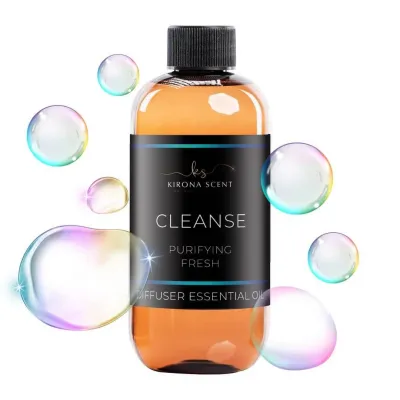
![[KIRONA SCENT] 250ML Diffuser Essential Oil | Water Based | 60+ Fragrances | For Aroma Diffusers Humidifiers Water Air Purifiers](https://img.lazcdn.com/g/p/5d206174d8150639f86537541b18f578.jpg_400x400q80.jpg_.webp)
![[KIRONA SCENT] 30ML Diffuser Essential Oil | Water Soluble Essential Oil | Luxurious Perfume Mall & Hotel Scents | For Humidifiers Water Air Purifiers](https://img.lazcdn.com/g/p/6223eb4ccf887fbd3bd76bb8997aba70.jpg_400x400q80.jpg_.webp)
![[KIRONA SCENT] 250ML Aroma Reed Refill | Premium Quality Essential Oil | For Aroma Reed Diffusers Clay Diffusers | More than 60 Scents Available | Luxurious Hotel & Mall Fragrances](https://img.lazcdn.com/g/p/4685932625987bb431ec03fe164da9f7.jpg_400x400q80.jpg_.webp)
Prices are valid at publication and may change. Please refer to the product page for the latest price.
Identifying the specific plant part used and the extraction method is another crucial step in verifying what is inside the bottle. High-quality essential oils typically state whether they are derived from the leaves, flowers, bark, roots, or fruit rinds of the plant. The extraction method—such as steam distillation for herbaceous plants or cold pressing for citrus fruits—greatly influences the final chemical composition and scent profile of the oil. Manufacturers who share these details provide greater transparency regarding the origin and nature of their products.
It is also important to determine whether the product is a single essential oil or a proprietary blend of multiple botanical extracts. Single essential oils contain only one plant species, making them ideal for targeted aromatherapy or custom blending at home. Proprietary blends, on the other hand, combine several essential oils or synthetic fragrance compounds to create a complex, themed aroma profile. Checking the ingredient list will clarify whether you are purchasing a pure, single-source botanical oil or a pre-formulated aromatic mixture.
How to Check the Composition and Purity on the Label
Assessing the purity of an essential oil requires a careful examination of the ingredient list to distinguish between pure essential oils, fragrance oils, and pre-diluted mixtures. Pure essential oils contain 100% volatile plant compounds with no added synthetic chemicals or carrier oils. Fragrance oils, by contrast, are synthetically manufactured in a laboratory to mimic natural scents and do not offer the same botanical properties. Additionally, some products are pre-diluted with carrier oils like jojoba or sweet almond oil, which are excellent for topical application but can clog certain types of home diffusers.

For water-based or water-soluble formulations, which are highly common in modern home fragrance lines, the composition differs significantly from pure essential oils. These products typically contain emulsifiers or solubilizers that allow the oil to mix seamlessly with water rather than floating on the surface. While these water-soluble options are highly convenient for ultrasonic diffusers and air purifiers, they are not pure essential oils and should be used strictly according to the manufacturer’s instructions for environmental scenting.
Always look for quality indicators on the packaging, such as batch numbers, expiration dates, and the country of origin. Batch numbers indicate that the manufacturer tracks production runs, which is essential for quality control and consistency. Because natural plant oils degrade over time due to light and oxygen exposure, a clear expiration date helps ensure you are using a fresh, active product. Knowing the country of origin also provides context regarding the growing conditions and agricultural standards of the source plants.
If you want to verify the chemical profile of a high-purity essential oil, check if the manufacturer provides testing reports, such as a Gas Chromatography-Mass Spectrometry (GC-MS) analysis. A GC-MS report breaks down the exact chemical constituents of the oil, proving its botanical identity and confirming the absence of synthetic adulterants, pesticides, or heavy metals. While not always printed on the bottle, reputable brands often make these reports available upon request or on their official websites for their pure essential oil lines.
Matching the Scent and Properties to Your Aromatherapy Needs
Choosing the right scent profile is a highly personal decision that depends on your preferences and the specific mood you want to establish in your home. Natural essential oils are generally categorized into distinct scent families, such as citrus, floral, woody, herbaceous, and spicy. For instance, bright citrus scents like sweet orange or grapefruit are often selected to create a lively, welcoming atmosphere in living areas, while soft floral scents like lavender or chamomile are popular choices for promoting a quiet, restful environment in bedrooms.
When selecting an oil, consider how its physical properties, such as viscosity and volatility, affect different diffusion methods. Volatility refers to how quickly an oil evaporates; top notes like lemon evaporate rapidly, providing an immediate but short-lived burst of fragrance, whereas base notes like cedarwood or patchouli evaporate slowly, offering a long-lasting aroma. Viscous, thick oils can easily clog the delicate nozzles of nebulizing diffusers, making lighter, highly volatile oils or specialized water-soluble formulations a better fit for those specific devices.
It is helpful to understand the traditional aromatherapy associations of specific botanical ingredients while maintaining realistic expectations. Natural plant extracts have been used for centuries to enhance indoor spaces and support a pleasant home ambiance. For example, diffusing eucalyptus or peppermint can make an indoor space feel crisp and clean, which is especially refreshing in warm, humid climates or enclosed, air-conditioned rooms. Focus on how these natural aromas complement your daily routines and decor rather than relying on unverified health or therapeutic claims.
Safe Usage Guidelines for Home Diffusers and Oil Burners
Before adding any essential oil to a home fragrance device, verify its compatibility by consulting both the device manual and the oil manufacturer’s instructions. Ultrasonic diffusers, which use water and ultrasonic vibrations to create a fine mist, are highly versatile and compatible with both pure essential oils and water-soluble formulations. Nebulizing diffusers, however, blow cold air directly through undiluted oil and should only be used with pure, thin essential oils to prevent clogging the internal glass or metal tubes.
Proper dilution is key to maintaining a comfortable and safe indoor environment, particularly in compact or air-conditioned rooms where air circulation may be limited. As a general guideline, start with a conservative dilution ratio, such as 3 to 5 drops of essential oil per 100 milliliters of water in an ultrasonic diffuser. Over-diffusing in a closed space can lead to sensory fatigue or mild respiratory irritation; it is always best to diffuse in well-ventilated areas and limit diffusion sessions to 30 to 60 minutes at a time.
If you prefer using traditional heat-based ceramic oil burners, strict safety protocols must be followed to prevent accidents and protect your home decor. Always fill the burner’s top bowl with water before adding a few drops of essential oil, as heating dry oil can scorch the residue, produce unpleasant smoke, and potentially crack the ceramic vessel. Never leave an open flame, such as a tealight candle, unattended, and ensure the burner is placed on a stable, heat-resistant surface far away from flammable materials, curtains, or active drafts.
Frequently Asked Questions (FAQ)
Can this essential oil be applied directly to the skin?
Pure essential oils are highly concentrated plant extracts and should never be applied directly to the skin undiluted, as this can cause severe irritation, sensitization, or allergic reactions. Always check the specific product label for dermal safety warnings and dilution instructions. If the product is cleared for topical use by the manufacturer, it must be thoroughly mixed with a suitable carrier oil, such as jojoba, coconut, or sweet almond oil, before application. It is highly recommended to perform a patch test on a small, inconspicuous area of skin and wait 24 hours to monitor for any adverse reactions before broader use.
How should I store the essential oil to maintain its properties?
To preserve the quality and extend the shelf life of your essential oils, store them in dark glass bottles, such as amber or cobalt blue, which shield the delicate volatile compounds from ultraviolet light damage. Keep the bottles in a cool, dry place away from direct sunlight, radiators, and air-conditioning units that cause frequent temperature fluctuations. Always ensure the cap is screwed on tightly immediately after each use to minimize exposure to oxygen, which accelerates the oxidation process and causes the oil to lose its aromatic strength over time.
Community discussion
Share your experience or ask a question. Comments are reviewed before publication.