
Quick Answer: What Is Palo Santo and What to Look For
Palo santo, translated as “holy wood,” is a highly aromatic natural wood derived from the Bursera graveolens tree, native to the dry tropical forests of South America. Renowned for its complex scent profile of sweet pine, citrus, and mint, this wood has been used for centuries in traditional aromatic and cultural practices.
When purchasing palo santo, high-quality wood is defined by three primary markers: natural aging, rich resin content, and transparent sourcing. Authentic, premium sticks are harvested exclusively from trees that have died naturally and rested on the forest floor for several years, allowing the essential oils to crystallize.
Before completing a purchase, verify that the wood displays visible amber resin streaks, feels dense and heavy for its size, and carries a multi-layered natural aroma rather than a flat, synthetic perfume scent. Always check for clear origin labeling and sustainability credentials to ensure your purchase supports ethical forestry practices.
Products mentioned in this guide
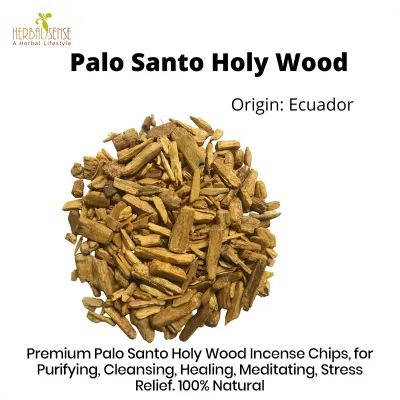
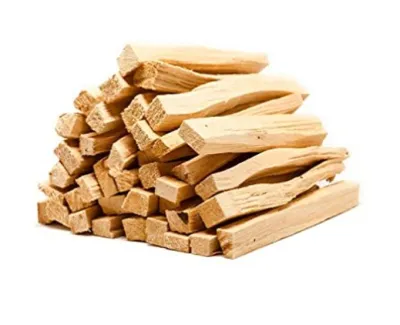
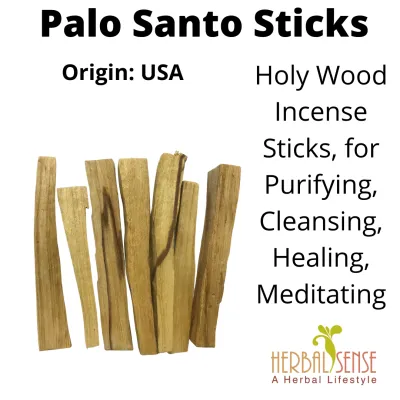
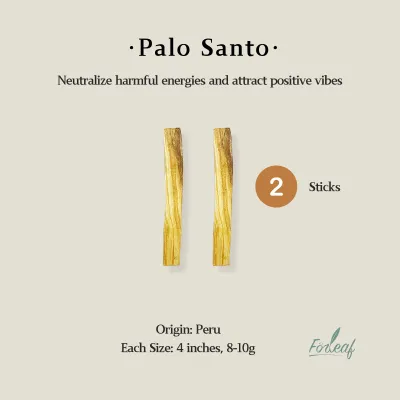
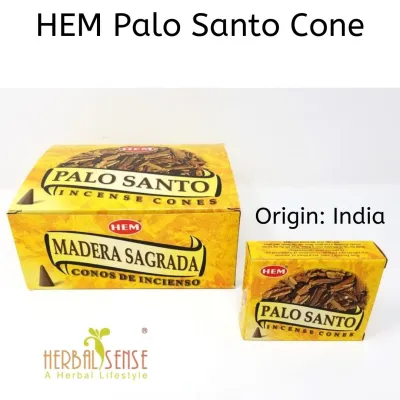
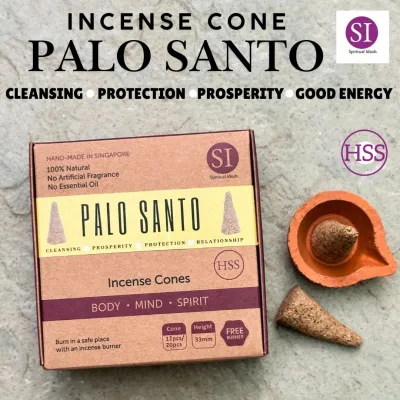

Prices are valid at publication and may change. Please refer to the product page for the latest price.
Understanding Palo Santo: Characteristics and Sourcing Basics
The Bursera graveolens tree thrives in the arid regions of countries like Ecuador and Peru. The unique aromatic properties of the wood cannot be forced or artificially accelerated. They are the direct result of a lengthy, natural transformation that occurs only after the tree completes its natural life cycle.

When a palo santo tree dies and falls naturally, it must rest on the forest floor for three to ten years. During this prolonged curing period, a chemical metamorphosis takes place within the wood. The liquid sap gradually solidifies, concentrating into a rich, fragrant resin that permeates the heartwood. This natural aging process is what gives the wood its characteristic scent and clean-burning properties.
Actively harvesting live trees is highly detrimental to both the environment and product quality. Wood cut from living trees lacks the concentrated resin channels that only develop during natural decomposition. Consequently, prematurely harvested wood will not burn correctly, lacks the complex aromatic profile, and contributes directly to deforestation in vulnerable dry forest ecosystems.
Ethical sourcing is therefore critical when buying this material. Responsible suppliers work closely with local forestry authorities, such as national agricultural ministries, to ensure that only naturally fallen branches and dead trees are collected. This regulated harvesting helps preserve the biodiversity of the dry tropical forests while providing sustainable income to local harvesting communities.
Visual and Sensory Checks: How to Evaluate Quality In-Store or Online
Evaluating palo santo requires a keen eye and an understanding of the physical characteristics of resin-rich wood. Whether you are browsing in a local boutique or evaluating product photos on an online marketplace, several distinct visual and tactile indicators can help you identify premium wood.
Begin by examining the color and grain of the sticks. High-quality palo santo typically features a warm, yellowish-tan base accented by darker, amber-colored streaks or glassy patches. These dark lines are concentrated resin veins. If a stick appears completely uniform, pale white, or dry like standard kindling, it likely contains very little resin and will produce more acrid wood smoke than fragrant aroma.
Weight is another reliable indicator of quality. Pick up a few sticks and compare their heft. Premium pieces feel surprisingly dense and heavy for their physical size because they are saturated with cured essential oils. Light, airy, or brittle sticks often indicate premature harvesting or excessive kiln-drying, which strips the wood of its natural oils.
The scent profile of unlit wood offers immediate clues about its authenticity. Genuine palo santo has a complex, subtle aroma even at room temperature, blending notes of bright citrus, sweet pine, and a hint of licorice or mint. If the unlit wood smells intensely sweet, soapy, or strongly of alcohol, it may have been dipped in cheap synthetic fragrance oils to mask low-grade, non-aromatic wood.
Finally, inspect the texture and moisture levels of the wood. The surface should feel dry to the touch but slightly oily when rubbed firmly. Avoid wood that feels damp or spongy, as excess moisture makes the stick difficult to light and causes it to sputter, pop, and release thick black smoke when burned.
Verifying Sustainability and Ethical Sourcing Labels
As demand for natural aromatics has grown, so has the market for cheap, unregulated wood. Navigating supplier claims requires a critical eye to ensure your purchase does not support illegal logging or exploitative supply chains.
Look for brands that provide explicit details about their supply chain rather than relying on vague marketing buzzwords. Reputable sellers will openly state the country of origin, typically Peru or Ecuador, and detail their harvesting permits. In Peru, for example, look for references to authorization by SERFOR, the national forest and wildlife service, which strictly regulates the collection and export of palo santo.
Be cautious of red flags that suggest unethical practices. Exceptionally low prices are a primary warning sign, as the labor-intensive process of legally collecting, aging, and exporting fallen wood carries inherent costs. Additionally, avoid sellers who offer bulk wood without any brand packaging, origin disclosures, or sustainability statements, as these products are often sourced through unregulated channels.
When shopping online or interacting with specialty retailers, do not hesitate to ask direct questions about their inventory. A transparent supplier should be able to answer key questions regarding their sourcing practices:
- Are these sticks sourced exclusively from naturally fallen trees and branches?
- Can you verify that the harvesting process is licensed and regulated by the local government of the origin country?
- Does the brand participate in active reforestation programs to plant new saplings in the region?
Safe Usage, Storage, and Maintenance Guidelines
Using raw aromatic wood requires adherence to basic fire safety protocols and proper storage techniques to preserve the delicate volatile oils over time.
Always burn palo santo on a sturdy, heat-resistant surface. A ceramic dish, stone bowl, or dedicated metal incense burner is ideal for catching falling ash and holding the hot wood. Never leave a smoldering stick unattended, and ensure the ember is completely extinguished by pressing it firmly into sand or a non-flammable dish before leaving the room.
Proper ventilation is essential during use. While the aroma is pleasant, breathing concentrated smoke in an enclosed space is not recommended. Always open a window or door slightly to allow fresh air to circulate, ensuring the smoke disperses gently throughout the room rather than building up in a tight space.
Storage conditions directly impact the lifespan and quality of your wood. In humid climates, such as Singapore, raw wood can easily absorb ambient moisture from the air, making it difficult to light and prone to mold. Store your sticks in a cool, dry place away from direct sunlight. Keeping them in an airtight glass jar or a resealable bag with a small silica gel packet will lock in the natural oils and prevent moisture damage.
Regularly inspect your stored wood for signs of degradation. If a stick develops a musty odor, displays visible white or green mold spores, or becomes soft and crumbly, it has been compromised by moisture. In such cases, the affected wood should be discarded to avoid burning moldy material in your home.
Frequently Asked Questions (FAQ)
Does palo santo burn differently from standard incense sticks?
Yes, raw wood behaves quite differently from processed incense. Traditional incense sticks are designed with combustible binders that allow them to burn continuously from end to end. Palo santo is solid wood; you must light one end, let it flame for about thirty seconds, and then gently blow it out. The remaining red ember will release fragrant smoke for a few minutes before extinguishing itself naturally. A single stick can be relit dozens of times, making it highly reusable and producing very little ash.
Can I use this wood if I have pets or respiratory sensitivities?
Caution is highly recommended when introducing any smoke into a home with sensitive residents. Any form of combustion releases fine particulate matter that can irritate sensitive airways, asthma, or allergies. Pets, particularly cats, dogs, and birds, have highly sensitive respiratory systems and can experience distress from concentrated smoke and strong essential oils. Always burn the wood in a spacious, well-ventilated area, keep pets out of the immediate smoke path, and consult a medical professional or veterinarian if you have specific health concerns.
Community discussion
Share your experience or ask a question. Comments are reviewed before publication.