
Finding the right seat cushion is more than just adding a layer of softness to your chair. A high-quality cushion provides targeted support, maintains its shape over hours of daily use, and helps distribute your body weight evenly to reduce pressure points. Whether you are sitting at an office desk, driving for long stretches, or looking to make a dining chair more comfortable, understanding what goes on beneath the cover is the first step to making a smart purchase.
To find a cushion that delivers long-term comfort, you must look past marketing buzzwords and focus on verifiable quality indicators. The internal fill material, the durability of the outer cover, the ergonomic shape, and the physical dimensions of your seating setup all play critical roles. By evaluating these key factors systematically, you can avoid the common pitfall of buying a cushion that flattens out within a few weeks.
Understanding Core Foam Types and Density
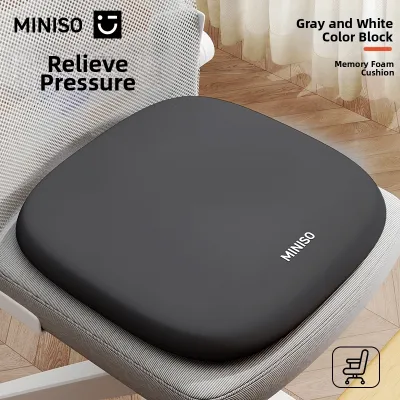
The core material of a seat cushion determines how well it supports your weight and how long it will last before sagging. Memory foam is one of the most common materials, known for contouring to the shape of your body in response to heat and pressure. This contouring effect helps distribute weight evenly, making it highly effective for pressure relief, though traditional memory foam tends to retain heat and has a slower response time when you shift positions.
Products mentioned in this guide
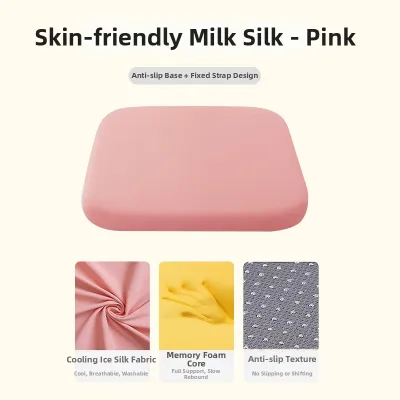
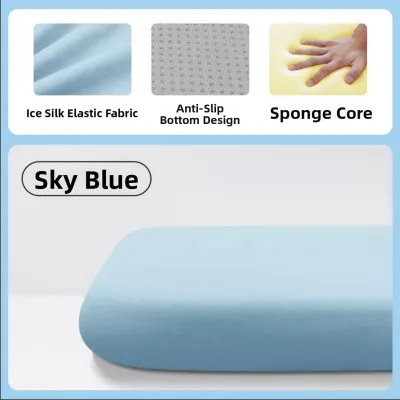
![[SG INSTOCK] Seat Cushion Memory Foam Orthopedic Pressure Relief Car Home Soft Office Chair Pad Wheelchair for Tailbone Sciatica Back Pain Relief](https://img.lazcdn.com/g/p/005adf43d933a7c5edf0e3585d56492d.jpg_400x400q80.jpg_.webp)
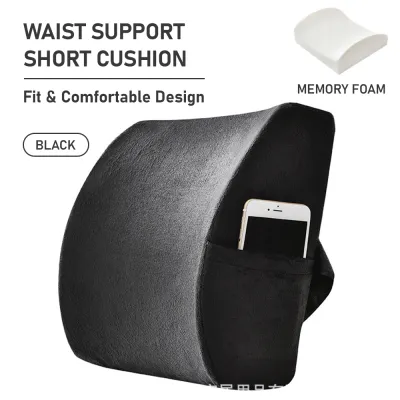
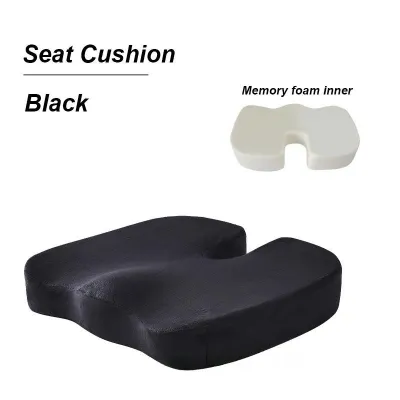
Prices are valid at publication and may change. Please refer to the product page for the latest price.
Latex foam offers a different feel, characterized by its natural elasticity and quick response to movement. Unlike memory foam, latex does not rely on body heat to mold to your shape, meaning it provides an immediate, springy support that keeps you positioned on top of the cushion rather than sinking deep into it. It is also naturally more breathable due to its open-cell structure, making it a popular choice for those who prefer a cooler seating surface.
Gel-infused foam and solid gel grids are designed specifically to address heat retention. Gel-infused foam combines pressure-relieving properties with tiny gel particles to help dissipate heat. Solid gel grids, made from hyper-elastic polymers, offer excellent airflow and pressure distribution, though they tend to feel heavier than standard foam.
Standard polyurethane foam, often found in budget-friendly cushions, is lightweight and highly accessible. However, its durability varies widely depending on its density. When evaluating any foam cushion, checking the density rating on the product label or manufacturer specification sheet is crucial. High-density foam contains more material per unit of volume, which directly correlates with better structural integrity and resistance to sagging over time. Low-density foams may feel comfortable initially but are prone to flattening quickly under regular use.
It is important to remember that firmness and comfort are highly subjective. A material labeled as “firm” by one manufacturer might feel too hard or too soft depending on your body weight and personal preferences. Because material names alone do not guarantee a perfect fit, you should always check the seller’s return policy or test the cushion in person if possible before committing to a purchase.
Evaluating Cover Materials for Durability and Care
The outer cover of a seat cushion is your direct point of contact, making its material composition vital for both comfort and hygiene. Cotton covers offer excellent breathability and a soft texture, though they may wear out faster under heavy friction. Polyester blends are highly durable, resistant to stretching, and more affordable, but they can feel less breathable in warm environments.

Mesh fabrics are highly recommended for office environments and warm climates because their open weave allows air to circulate freely, reducing sweat buildup. Velvet and plush fabrics, on the other hand, offer a luxurious, soft feel and excellent warmth, making them ideal for cooler spaces, though they tend to trap heat and require more careful cleaning to maintain their texture.
Because seat cushions are subjected to daily contact, sweat, and occasional spills, a removable and machine-washable cover is an essential feature for long-term maintenance. Before buying, check the manufacturer’s care label to confirm if the cover can be safely laundered in a standard washing machine. Covers that are spot-clean only can quickly become difficult to maintain, especially with daily use.
You should also inspect the physical construction of the cover, starting with the zipper. A high-quality, recessed zipper ensures that the metal teeth do not scratch your chair’s surface or snag your clothing. Additionally, look for covers that feature a non-slip bottom, typically made of textured rubber micro-dots. This feature prevents the cushion from sliding around on smooth wooden, plastic, or leather chairs, ensuring you do not have to constantly readjust your seating position throughout the day.
Checking Ergonomic Design and Structural Features
The shape of a seat cushion should align with your specific physical needs and the type of chair you use. U-shaped or cutout cushions are specifically designed to suspend the tailbone (coccyx) in the air, reducing direct pressure on the spine during long hours of sitting. These are highly beneficial for individuals experiencing lower back discomfort or tailbone sensitivity.
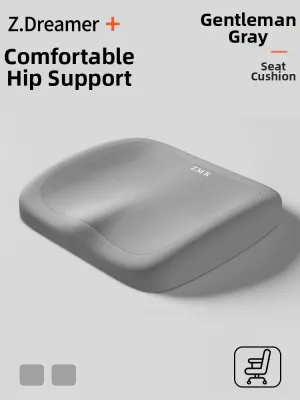
Wedge-shaped cushions feature a sloped design that tilts the pelvis slightly forward. This tilt helps restore the natural curve of your lumbar spine and encourages an active, upright posture, making them excellent for deep office chairs or car seats where you might otherwise tend to slouch. Contoured cushions mimic the natural curves of the thighs and buttocks, distributing your weight across a wider surface area to prevent localized pressure points.
Before making a purchase, it is essential to measure your chair’s dimensions and compare them against the cushion’s listed length, width, and thickness. A cushion that is too wide will overhang the sides of your chair, leading to instability, while one that is too small will fail to support your thighs properly and may cause discomfort at the edges. The thickness of the cushion also matters; a very thick cushion might raise your seating height too much, forcing you to adjust your desk height or causing your feet to dangle if your chair cannot be lowered sufficiently.
Finally, look for practical structural elements that enhance usability. A built-in carrying handle is highly convenient if you plan to transport the cushion between your home office, car, and dining room. Ensuring that these physical details are clearly stated in the product specifications will help you avoid buying a product that is incompatible with your daily routine.
Building Your Seat Cushion Shortlist
To help you narrow down your options, it is useful to match your primary seating environment with the most compatible material and design features. The following matrix outlines common scenarios and the corresponding specifications to look for:
| Seating Environment | Recommended Foam Type | Recommended Cover Material | Key Design Features |
|---|---|---|---|
| Office Chair | High-density memory foam or latex | Breathable mesh | U-shaped cutout, non-slip bottom |
| Car Seat | Wedge-shaped gel-infused foam | Durable polyester blend | Secure strap system, low profile |
| Dining Chair | Medium-density polyurethane or gel | Washable cotton or polyester | Low profile, subtle contoured shape |
| Wheelchair / Mobility | High-density latex or solid gel grid | Moisture-wicking, easy-clean fabric | High thickness, waterproof inner liner |
When finalizing your shortlist, perform a thorough pre-purchase check. Look for clear information regarding warranty terms, as a manufacturer’s warranty can provide peace of mind regarding the foam’s resistance to premature sagging. Read user reviews specifically searching for terms like “flattened,” “sagging,” or “lost shape” to gauge how the cushion performs after several months of continuous use.
Keep in mind that a high price tag or a premium brand name does not automatically guarantee that a cushion is the right fit for your body shape or chair. Because individual comfort is highly subjective, prioritizing sellers that offer flexible return policies or trial periods is often the safest way to ensure you find a cushion that truly supports your daily needs.
Frequently Asked Questions (FAQ)
How often should I replace my seat cushion?
There is no fixed calendar schedule for replacing a seat cushion, as its lifespan depends heavily on the original foam density, your body weight, and how many hours a day it is used. Instead, look for physical signs of degradation. If you notice permanent indentations that do not bounce back after you stand up, a significant loss of overall support, or visible tearing in the cover fabric, it is time for a replacement. High-density foams generally last several years, while lower-density utility foams may need to be replaced much sooner to maintain proper ergonomic support.
Can I use a memory foam seat cushion in a hot climate?
Yes, but you must select the right specifications to avoid discomfort. Traditional memory foam is temperature-sensitive and tends to trap body heat, which can make it feel warm and soft in humid climates like Singapore. To mitigate this, look for cushions that feature gel infusions, ventilated air channels, or an open-cell foam structure. Additionally, pairing the foam core with a highly breathable mesh cover will help promote airflow and keep the seating surface comfortable throughout the day.
Community discussion
Share your experience or ask a question. Comments are reviewed before publication.