
Selecting a Ganesha wall hanging involves balancing aesthetic appreciation, cultural significance, and structural quality. Whether you are looking to adorn an entryway, create a focal point in your living room, or find a meaningful gift, the right piece must be evaluated on more than just initial visual appeal. A high-quality wall hanging should feature durable materials, precise craftsmanship, and a secure mounting system that suits your specific wall type.
To make a lasting investment, you must inspect the physical characteristics of the piece, understand the materials used, and assess how the design fits your home’s environmental conditions. In tropical climates like Singapore, factors such as high humidity can significantly impact certain materials, making careful selection even more critical. By focusing on key quality indicators, you can find a beautiful piece that remains structurally sound and visually striking for years to come.
Assessing Material Quality and Finish
The base material of a Ganesha wall hanging determines its longevity, weight, and maintenance requirements. Common materials include cast metals like brass and bronze, carved hardwoods, and modern synthetic resins. Each material has distinct quality markers that you should inspect before purchasing.
Products mentioned in this guide
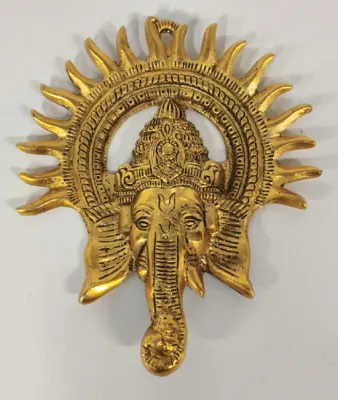
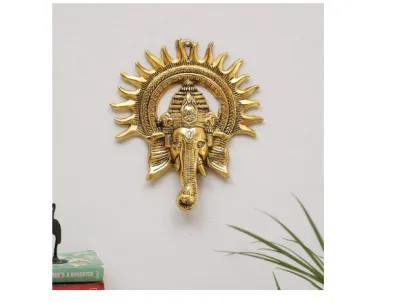
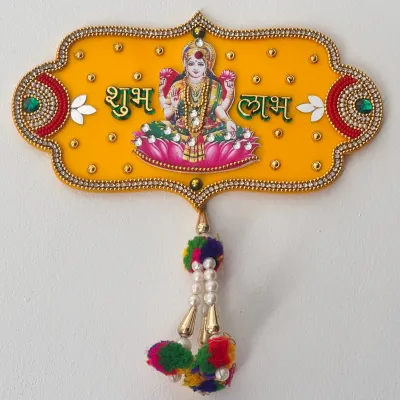
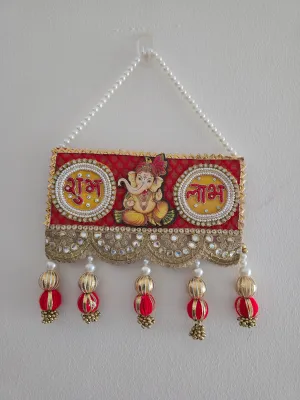
Prices are valid at publication and may change. Please refer to the product page for the latest price.
For metal hangings, look for a consistent, even patina or polish across the entire surface. High-quality brass or bronze should feel solid and heavy for its size, indicating a dense casting rather than a thin, hollow shell. Inspect the surface for tiny pinholes, which are signs of air bubbles trapped during the casting process. If the metal has an anti-tarnish coating, verify this in the product specifications, as untreated metals can oxidize rapidly in humid environments, leading to discoloration.
Wooden carvings require close inspection of the grain and finish. Look for dense hardwoods like teak or mango wood, which resist warping and cracking. The surface should be smooth to the touch, with no splinters or rough patches. Check that any protective sealant, varnish, or wax has been applied evenly, without pooling in the deep crevices of the carving. Unsealed wood is highly susceptible to moisture absorption, which can cause the wood to swell, warp, or develop mold over time.
Resin and composite materials offer intricate details at a lighter weight, but they must be evaluated for structural integrity. High-quality resin should feel solid and rigid, not flexible or brittle. Examine the paint or metallic plating on resin pieces; poor-quality finishes often show bubbling, peeling, or uneven color distribution. Ensure the paint is non-toxic and has been sealed with a clear protective topcoat to prevent chipping during cleaning.
Evaluating Craftsmanship and Detailing
The artistic value of a Ganesha wall hanging lies in the precision of its details. Because Lord Ganesha is depicted with specific symbolic attributes, the execution of these features is a direct indicator of the artisan’s skill or the manufacturer’s quality control.

Begin by examining the facial features, particularly the eyes, trunk, and ears. The eyes should be symmetrical, expressive, and cleanly defined, whether they are carved, cast, or painted. The curve of the trunk should be smooth and graceful, without awkward angles or rough seam lines. Pay close attention to the hands and the mudras (gestures) they form; the fingers should be distinct and proportionally accurate, rather than fused together or poorly defined.
Next, inspect the ornamental elements, such as the crown (mukut), jewelry, and garments. High-quality pieces feature deep, crisp carvings or sharp casting lines that catch the light beautifully. If the hanging includes multiple materials—such as metal inlaid with semi-precious stones or wood with brass accents—verify that these elements are securely attached. There should be no visible glue residue, loose fittings, or gaps where dust can accumulate.
It is also important to distinguish between intentional handcrafted variations and manufacturing defects. Hand-carved or hand-cast items naturally possess minor irregularities, such as slight differences in carving depth or subtle color variations, which add unique character to the piece. Conversely, mass-produced molding flaws present as prominent seam lines along the sides, blurred details, or flat, lifeless surfaces. Avoid pieces where the fine details appear washed out or filled in by excessive paint or thick lacquer.
Choosing the Right Design Style and Symbolism
Ganesha wall hangings are available in a wide array of design styles, ranging from highly ornate traditional representations to sleek, minimalist contemporary interpretations. Selecting the right style requires analyzing your existing interior decor and understanding the symbolic elements of the artwork.
Traditional designs often feature intricate details, rich metallic finishes, and classic iconographic postures. These pieces work exceptionally well in homes with classic, transitional, or ethnic decor themes, serving as a warm, inviting focal point. They often incorporate traditional framing elements, such as an archway (prabhavali) or floral borders, which add visual weight and grandeur to the wall.
Contemporary and minimalist styles, on the other hand, focus on clean lines, abstract forms, and subtle textures. These designs may use single-material constructions, such as matte black metal silhouettes or simple geometric wooden plaques. They are ideal for modern, industrial, or Scandinavian-inspired spaces where a highly detailed traditional piece might feel visually cluttered.
Beyond aesthetics, consider the symbolism depicted in the hanging. Traditional representations of Ganesha include specific items like the modak (sweet), representing the rewards of spiritual path; the mouse (vahana), symbolizing the conquest of ego; and the axe or noose, representing the cutting away of obstacles. The direction of the trunk also carries meaning: a trunk curved to the left is traditionally associated with peace, prosperity, and household bliss, making it a popular choice for residential spaces. Ensure the combination of colors, metallic accents, and symbolic motifs complements your wall color and the ambient lighting of the room.
Sizing, Weight, and Installation Safety
Before purchasing a Ganesha wall hanging, you must carefully plan its physical placement to ensure visual harmony and structural safety. A piece that is too large can overwhelm a room, while one that is too small may look lost on a spacious wall.
Measure your intended wall space and use painter’s tape to outline the dimensions of the hanging. This simple step helps you visualize the scale and proportion of the piece relative to nearby furniture, such as consoles, sofas, or doorways. Leave adequate breathing room around the edges of the hanging so the wall decor does not feel cramped.
The weight of the hanging dictates the mounting hardware and installation method required. Lightweight resin or thin metal pieces can often be hung using standard picture hooks or adhesive strips, provided the wall surface is smooth and clean. However, heavy solid brass, bronze, or thick hardwood hangings require robust mounting solutions.
For heavy items, you must identify the wall construction type. In Singapore, most interior walls are made of solid concrete, masonry, or drywall over metal studs. Concrete and masonry walls require plastic or metal wall plugs (anchors) and matching screws, which must be drilled using a rotary hammer drill. Drywall installations require specialized hollow-wall anchors or toggle bolts, and whenever possible, the mounting screws should be anchored directly into the vertical wall studs for maximum load capacity.
If your chosen wall hanging features integrated backlighting or LED elements, safety is paramount. Verify that the electrical components, wiring, and adapters comply with local safety standards and carry appropriate certifications. Always isolate the power supply before installation or maintenance. If the installation involves working at height, handling exceptionally heavy or fragile materials, or complex electrical wiring, do not attempt a DIY installation. Instead, hire a qualified professional handyman or licensed electrician to ensure the piece is mounted securely and safely.
Building Your Shortlist: A Pre-Purchase Checklist
To help you compare different options and make an objective decision, use a structured evaluation framework. Tracking the physical specifications and seller terms of each candidate ensures you do not overlook critical details.
| Evaluation Criteria | Candidate A | Candidate B | Candidate C |
|---|---|---|---|
| Material & Finish | e.g., Solid Brass / Polished | e.g., Teak Wood / Sealed | e.g., Cast Resin / Painted |
| Dimensions (H x W x D) | |||
| Weight (kg) | |||
| Mounting Type Required | |||
| Price / Budget (S$) | |||
| Seller Return Policy |
When communicating with sellers or independent artisans, ask targeted questions to verify the quality and origin of the piece. Inquire about the specific wood or metal alloy used, whether the finish has been treated for high-humidity environments, and what care instructions they recommend. Confirm their return or exchange policy, especially when purchasing online, as transit damage can occasionally occur with delicate decorative items.
Upon receiving your wall hanging, perform a thorough visual and structural inspection before finalizing the installation. Check the packaging for signs of rough handling, and inspect the item itself for any hairline cracks, loose decorative elements, or chipped paint. Gently shake the piece to ensure there are no loose internal parts or unstable joints. Verify that the integrated mounting brackets on the back of the hanging are centered, level, and securely attached to the main body of the artwork.
Frequently Asked Questions (FAQ)
How should I clean and maintain a wooden Ganesha wall hanging?
To clean a wooden Ganesha wall hanging, use a soft, dry microfiber cloth or a soft-bristled makeup brush to gently remove dust from intricate carvings. Avoid using water, damp cloths, or harsh chemical household cleaners, as moisture can penetrate the wood grain and cause warping, while chemicals can strip away protective varnishes or waxes. Always check the manufacturer’s specific care instructions before applying any wood conditioners or polishes. If you notice any discoloration, stickiness, or peeling of the finish during cleaning, stop immediately and consult a professional restorer.
Are there specific placement guidelines for a Ganesha wall hanging in a home?
Traditionally, a Ganesha wall hanging is placed near the main entrance of the home or in the living room to welcome positive energy and auspiciousness. For optimal visual and cultural alignment, mount the hanging at a comfortable eye-level height, ensuring it is positioned respectfully above the floor and away from low-lying areas. From a practical decor perspective, avoid placing the hanging in areas exposed to direct, harsh sunlight, which can fade paint and dry out wood, or in high-humidity zones like bathrooms, which can corrode metal and warp natural materials.
Community discussion
Share your experience or ask a question. Comments are reviewed before publication.