
Selecting a high-quality tea resin figurine requires a careful balance of visual inspection, tactile assessment, and an understanding of the material’s physical limits. Whether you are looking for a decorative accent to complement your tea corner or a detailed miniature sculpture to sit alongside your teaware, the market offers a wide range of craftsmanship levels. To ensure your investment retains its aesthetic appeal and structural integrity over time, you must look beyond the initial visual charm and evaluate specific indicators of manufacturing quality, material density, and thematic accuracy.
Inspecting Paint Finish and Sculpted Details
The visual appeal of a tea resin figurine depends heavily on the precision of its surface finish and the quality of its mold. When examining a piece, start by looking closely at the boundaries where different colors meet. High-quality figurines display clean, crisp paint lines with no bleeding, smudging, or overspray. This level of detail is especially critical on intricate elements like miniature tea sets, floral patterns, or facial features, where even a minor misalignment can disrupt the overall realism of the sculpture.
Next, inspect the surface for physical imperfections that stem from the molding process. Low-grade resin pieces often exhibit prominent mold lines, excess material known as flash, or tiny pinholes caused by trapped air bubbles during casting. A well-crafted figurine undergoes thorough post-molding cleanup, resulting in a smooth, seamless surface where joints and mold separations are virtually invisible to the naked eye.
Products mentioned in this guide
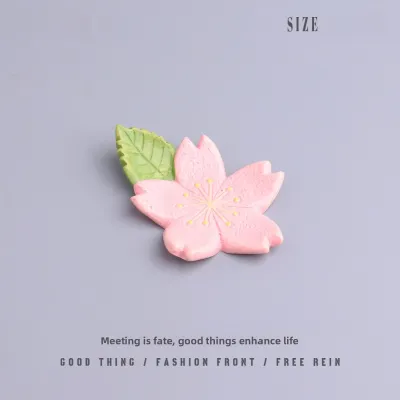

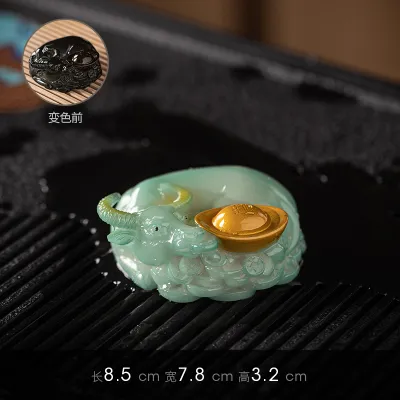
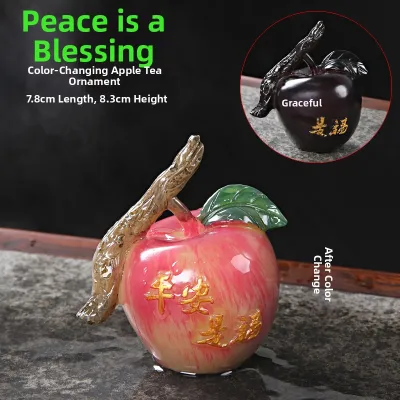
Prices are valid at publication and may change. Please refer to the product page for the latest price.
The protective coating applied over the paint also plays a major role in how the figurine mimics traditional materials. Depending on the design, the piece may feature a matte coating to replicate the earthy, unglazed texture of Yixing clay, or a high-gloss finish to simulate polished porcelain. Ensure this coating is applied uniformly across the entire surface, without patchy areas, runs, or pooled spots that can catch the light unevenly and cheapen the look of the decor.
Assessing Weight, Resin Density, and Structural Integrity
Tactile feedback is one of the most reliable ways to gauge the quality of the resin used in a figurine. When you pick up the piece, it should feel substantial and grounded in relation to its size. Quality solid-cast resin has a satisfying weight that indicates density and durability, whereas cheap, hollow-cast alternatives often feel surprisingly light, fragile, and susceptible to cracking if accidentally bumped.

Pay close attention to the structural integrity of thin or protruding components, such as teapot spouts, delicate handles, or outstretched leaves. Gently check these areas for any signs of flexibility, micro-cracks, or weak joints where the parts meet the main body. High-quality resin should feel rigid and firm; any noticeable flexing or soft spots suggest that the resin was poorly mixed, under-cured, or cast too thin to withstand daily handling.
Finally, turn the figurine over to inspect its base. The bottom should be completely flat and cleanly finished, ensuring the piece sits level on flat surfaces without wobbling. Look for figurines that feature protective felt pads or a smooth, non-abrasive coating on the bottom. This small detail is essential for preventing scratches on your wooden shelves, glass display cabinets, or delicate tea tables.
Evaluating Tea Theme Accuracy and Display Stability
For collectors who appreciate the cultural heritage of tea, the accuracy of the figurine’s design elements is a key consideration. Evaluate how well the piece represents traditional teaware, such as Yixing clay teapots, gaiwans, or classic tea pets. High-quality designs respect the proportions, lid shapes, and spout curves of real-world references, creating a harmonious look when displayed alongside actual brewing vessels.
Physical stability is equally important, particularly if the figurine features a top-heavy design or intricate, elevated elements. Assess the width of the base relative to the height and weight distribution of the sculpture. A wide, low-profile pedestal helps prevent accidental tipping, which is especially crucial if the figurine is placed in high-traffic areas or on surfaces that may experience occasional vibrations.
Before making a purchase, measure the footprint of the figurine and compare it to your intended display environment. In compact living spaces or crowded tea setups, a figurine that is too large can make the area look cluttered. Choosing a piece with dimensions that complement your existing teaware ensures a balanced, intentional aesthetic that enhances rather than overwhelms your space.
Pre-Purchase Checklist and Red Flags for Resin Decor
When shopping for tea resin figurines, there are several immediate warning signs that indicate substandard manufacturing. A strong, sharp chemical odor is a primary red flag, suggesting that the resin has not cured completely or that low-grade solvents were used in the paint. Similarly, avoid any pieces that feel sticky or tacky to the touch, as this uncured state can attract dust permanently and may release volatile organic compounds into your home environment.
Be cautious of exceptionally low prices, such as complex, highly detailed designs selling for under S$10. Intricate sculpting and precise hand-painting require significant labor and quality materials; prices that seem too good to be true often result in receiving a simplified, poorly painted version of the advertised product. Always review the seller’s product descriptions carefully, looking for clear dimensions, actual material specifications, and a transparent return policy for items damaged during transit.
If you are purchasing online, pay close attention to the seller’s packaging standards. Resin can be brittle, and delicate parts are highly vulnerable to breaking during shipping. Look for listings or reviews that confirm the use of custom-molded foam, sturdy inner boxes, and secure wrapping to ensure your figurine arrives intact and ready for display.
Frequently Asked Questions (FAQ)
How do I clean a dusty tea resin figurine without damaging the paint?
To remove dust from a resin figurine safely, use a dry, soft microfiber cloth or a clean, soft-bristled brush to gently sweep away particles from intricate crevices. Avoid using harsh chemical cleaners, household detergents, or abrasive scrubbing sponges, as these can strip the protective topcoat and fade the paint underneath. Never submerge the figurine in water; instead, refer to the manufacturer’s care instructions if a damp wipe is necessary for stubborn spots.
Can tea resin figurines be placed directly on a wet tea tray?
While cured resin is generally water-resistant, standard decorative resin figurines are not designed for prolonged exposure to standing water or hot liquids. Constant moisture and heat can cause the paint to peel, discolor, or trap water underneath the base, potentially leading to mold growth in humid climates like Singapore. If you want to display the figurine on a tea tray, place it on a dry section or use a small coaster to protect both the sculpture and the tray surface. For functional use with hot water, ensure you select items specifically labeled as heat-resistant tea pets rather than standard decorative resin.
Community discussion
Share your experience or ask a question. Comments are reviewed before publication.