
Selecting a brass lamp for your prayer altar is a decision that balances spiritual devotion, aesthetic harmony, and practical safety. A high-quality brass lamp serves as a focal point of light and warmth, representing knowledge, prosperity, and the dispersion of spiritual darkness. However, choosing the wrong size, material, or light source can lead to safety hazards or a cluttered altar. To find the right lamp, you must evaluate your physical altar space, understand the differences in brass quality, select an appropriate design, and decide between traditional open flames and modern electrical alternatives.
Assessing Your Altar Space and Religious Needs
Before browsing for a brass lamp, you must measure the physical boundaries of your altar space. Surface area and shelf depth are critical constraints that dictate the maximum size of any item you place on the altar. A lamp that is too wide for its shelf can easily be knocked over, creating a severe safety hazard. Use a measuring tape to determine the exact depth and width of the flat surface where the lamp will sit, leaving at least a five-centimeter safety buffer from the edge of the shelf.
Consider your daily routine and religious practices, as these will influence the type of lamp you require. Some traditions require continuous lighting, such as an Akhand Diya, which remains lit for days or weeks during specific festivals. Other practices only require lighting the lamp during morning and evening prayers for short durations. Continuous lighting demands a larger oil reservoir to prevent the lamp from running dry, whereas short prayers are suited for smaller, low-capacity designs.
Products mentioned in this guide
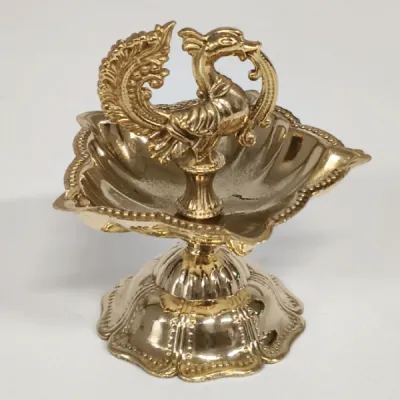
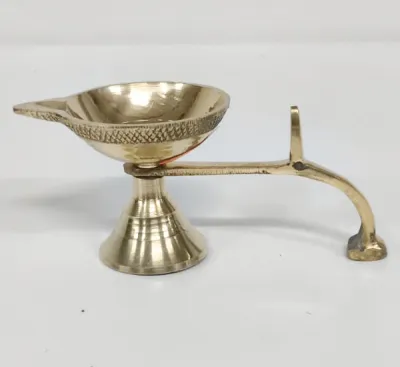
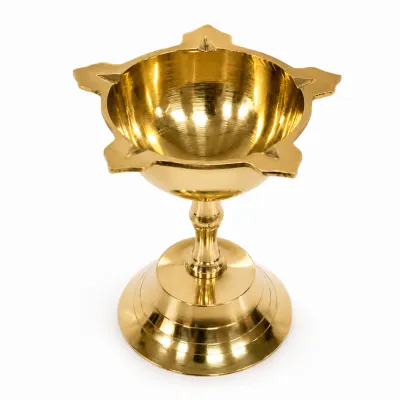
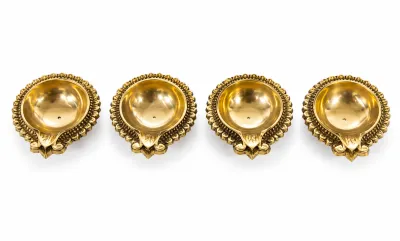
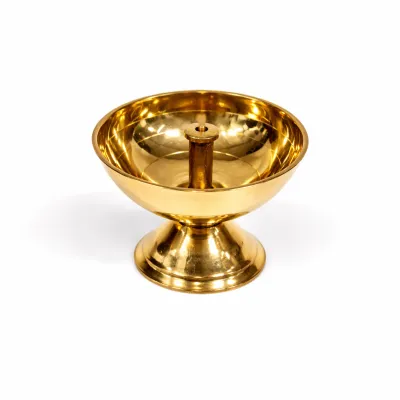
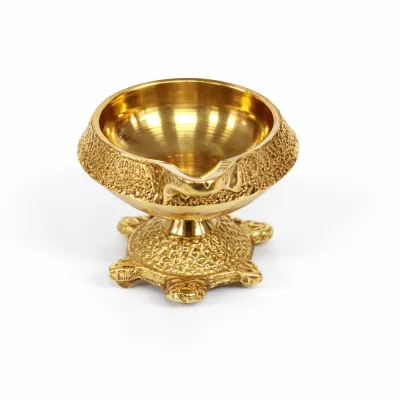
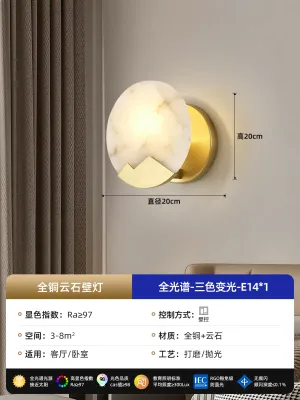
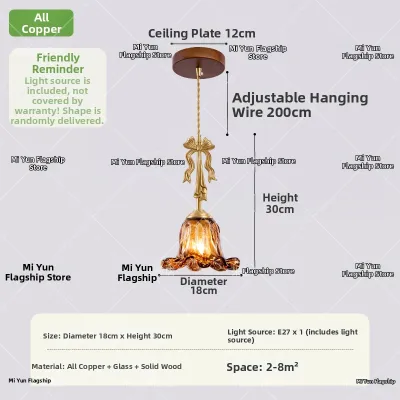
Prices are valid at publication and may change. Please refer to the product page for the latest price.
Evaluate your household environment, particularly if you reside in a high-rise apartment or condominium. Modern apartments often feature compact altar niches with limited ventilation. If your altar is enclosed within a wooden cabinet, heat and soot accumulation can damage the wood over time or trigger sensitive smoke detectors. You must assess whether your space can safely accommodate an open flame or if a flameless option is more practical for your living conditions.
Choosing the Right Size and Proportions
Proportional balance is essential for maintaining a respectful and visually pleasing altar. The base diameter of the brass lamp must fit entirely within the flat surface of your altar shelf. Avoid any overhang, as even a slight protrusion increases the risk of the lamp tipping over during cleaning, daily offerings, or when changing wicks. A stable base is the foundation of both visual balance and household safety.

Compare the height of the lamp relative to your main deity statues or sacred frames. Ideally, the flame or light source should sit slightly below or level with the chest of the main deity. A lamp that is too tall will block the view of the deities and cast harsh shadows upward, while a lamp that is too short may get lost behind other ritual items. For small home altars (around 60 centimeters wide), a lamp height of 10 to 15 centimeters is generally ideal, whereas larger dedicated prayer rooms can accommodate pedestal lamps ranging from 30 to 60 centimeters.
Consider the visual weight and balance of the setup. A massive, highly ornate lamp on a small, minimalist altar will overwhelm the space, making it look cluttered and disorganized. Conversely, a tiny lamp on a wide, grand altar will fail to provide the necessary visual focus. Aim for a balanced arrangement where the lamps frame the central deities rather than dominating them, creating a symmetrical and peaceful layout.
Do not overlook the physical weight of solid brass. High-quality brass is remarkably heavy, and this weight increases significantly when the lamp is filled with oil or ghee. Ensure that your altar shelf, particularly if it is a wall-mounted glass or floating wooden shelf, is rated to support the combined weight of the lamps, statues, and other offering vessels. If you are unsure of the shelf’s weight capacity, opt for a lighter, hollow-cast lamp or reinforce the shelf brackets before installation.
Design Elements and Traditional Motifs
Brass lamps come in various traditional shapes, each serving specific ritual and aesthetic purposes. Flat, single-wick diyas are excellent for daily, short-duration prayers due to their compact size and ease of cleaning. Tall Kuthu Vilakku (pedestal lamps) are traditionally used for major festivals or placed on either side of the altar entrance to create a grand, welcoming atmosphere. Hanging brass lamps (Thooku Vilakku) are ideal for spacious altars or dedicated prayer rooms, freeing up valuable shelf space while adding vertical elegance.
Pay attention to the symbolic engravings and motifs on the lamp, which carry deep cultural and spiritual significance. Common motifs include the lotus, which symbolizes purity and spiritual awakening, and the peacock or swan (Annapakshi), representing grace, beauty, and wisdom. Some lamps feature the Gajalakshmi motif, depicting the goddess of wealth flanked by elephants, which is highly revered for bringing prosperity to the household. Choosing a motif that aligns with your family traditions adds deeper meaning to your daily rituals.
The finish of the brass significantly influences the overall ambiance of your altar. Highly polished brass reflects light brilliantly, creating a bright, celebratory, and festive atmosphere, but it requires frequent polishing to maintain its mirror-like shine. Antique finishes offer a muted, dark-gold appearance that hides fingerprints, oil stains, and tarnish, making them highly suitable for a rustic or traditional look. Matte or brushed brass provides a contemporary compromise, offering a soft, warm glow with minimal maintenance requirements.
Light Source Options and Safety Boundaries
Deciding between traditional open flames and modern electrical alternatives is a crucial step that affects both your daily ritual experience and household safety. Both options have distinct advantages and maintenance requirements.
Traditional Oil and Ghee Lamps
Using an open flame is a deeply rooted tradition, but it requires strict safety protocols to prevent accidents. When choosing fuel, sesame oil (gingelly oil), mustard oil, or pure ghee are the most common choices. Cotton wicks should be rolled tightly to ensure a steady, clean burn with minimal smoke. Loose wicks can absorb oil too quickly, leading to an erratic, oversized flame that produces excess soot.
To prevent fire hazards, always place a fire-resistant mat, ceramic tile, or metal tray under the brass lamp to catch hot oil drips, falling ash, or stray sparks. Ensure there is ample vertical clearance—at least one meter—between the flame and any combustible materials, such as wooden cabinets, paper decorations, hanging garlands, or curtains. Never leave an open flame unattended; if you must leave the house or go to sleep, extinguish the flame safely using a metal wick snuffer rather than blowing it out, which can scatter hot oil.
Manage soot and heat displacement carefully, especially in enclosed altar cabinets. Over time, soot can stain the ceiling of your altar and damage delicate carvings. Ensure the room has adequate ventilation to disperse smoke, and wipe down the surrounding altar surfaces regularly to prevent the buildup of flammable oily residue.
Modern LED and Battery-Operated Alternatives
For households with young children, curious pets, or strict building fire safety regulations, flameless alternatives offer peace of mind. LED brass lamps and battery-operated diyas mimic the warm flicker of a real flame without the associated heat, smoke, or fire risk. These are particularly useful for continuous lighting setups, as they can run safely for days without supervision.
If you choose a wired LED brass lamp, electrical safety must be your primary concern. Always verify that the lamp’s voltage matches your home’s electrical supply and check for local safety certifications, such as the Safety Mark in Singapore, to ensure the wiring is safe. Inspect the cord insulation regularly for any signs of wear, fraying, or heat damage, and avoid overloading your altar’s power outlets by using high-quality multi-way adapters with built-in surge protection.
To preserve the traditional atmosphere of your altar, select LED bulbs with a warm-white color temperature, ideally around 2700K. This closely replicates the gentle, amber glow of a traditional oil flame, avoiding the clinical, cold look of cool-white or daylight bulbs. Some modern LED lamps also feature built-in timers or smart-home integration, allowing you to automate the lighting schedule to match your daily prayer times.
Evaluating Brass Quality and Care Requirements
To ensure your brass lamp lasts for generations, you must verify that it is made of solid brass rather than a cheap plated alternative. Solid brass is heavy, cool to the touch, and produces a clear, ringing tone when gently tapped with a wooden utensil. A simple, non-destructive test is to use a small magnet; pure brass is non-magnetic, so if the magnet sticks to the lamp, it is likely made of iron or steel with a thin brass plating that will quickly wear away.
Understand that raw brass naturally reacts with oxygen and moisture in the air, resulting in a dark patina or tarnish over time. This oxidation process is accelerated in humid tropical climates. Some practitioners prefer this antique look, as it reflects the passage of time and devotion. However, if you prefer a bright, golden shine, you will need to commit to regular maintenance and polishing.
For routine cleaning, use low-risk, gentle methods to avoid scratching the metal or stripping away protective lacquers. Wash the lamp with mild dish soap, warm water, and a soft microfiber cloth to remove oily residue and dust. Always dry the lamp thoroughly immediately after washing to prevent water spots and uneven oxidation. Avoid using harsh abrasive pads, steel wool, or highly acidic commercial cleaners, as these can permanently scratch the polished surface or erode intricate engravings.
If your lamp has a protective lacquer coating, do not use commercial brass polishes or acidic home remedies, as these will strip the lacquer unevenly and leave unsightly patches. Instead, simply wipe the lacquered lamp with a damp, soft cloth. If you are unsure whether your lamp is lacquered, check the manufacturer’s care instructions before applying any cleaning agents.
Frequently Asked Questions (FAQ)
Can I use a traditional oil lamp if I live in a high-rise apartment?
Yes, you can safely use a traditional oil lamp in a high-rise apartment, provided you take strict safety precautions. Ensure your prayer area has adequate ventilation, such as an open window or exhaust fan, to prevent smoke and soot from accumulating. Use small-capacity lamps that hold only a limited amount of oil, which naturally limits the burning time. Keep the lamp away from drafty areas where sudden gusts of wind could blow curtains into the flame. If your apartment building has strict fire safety rules, or if you have pets or children, switching to a high-quality, warm-white LED brass lamp is the safest and most practical alternative.
How do I safely remove stubborn tarnish from an old brass altar lamp?
To remove heavy tarnish without damaging the underlying metal, start with a gentle, natural paste made of equal parts lemon juice (or white vinegar) and baking soda. Apply the paste to the tarnished areas using a soft cloth, let it sit for 5 to 10 minutes, and then gently rub the tarnish away in circular motions. Always perform a spot test on a small, hidden area of the lamp first to ensure the mixture does not react poorly with any lacquer. Once clean, rinse the lamp thoroughly with warm water, dry it completely with a microfiber towel, and avoid using steel wool or harsh chemical polishes that can strip away fine details.
Community discussion
Share your experience or ask a question. Comments are reviewed before publication.