
Selecting the right nebulizer diffuser requires looking beyond aesthetic appeal to evaluate key technical specifications such as room coverage, noise levels, material safety, and power compatibility. Unlike standard humidifying diffusers, a nebulizer operates without water, delivering a highly concentrated aroma directly from pure essential oils. To find a model that fits your lifestyle and home layout, you must assess how its internal pump, timer settings, and physical construction align with your specific space.
Before purchasing, verify that the device features a chemically inert reservoir—ideally made of hand-blown glass—to prevent the degradation of pure oils. Additionally, check the noise rating of the internal air pump, especially if you plan to use the device in a quiet bedroom or home office. Finally, ensure the power interface matches your setup, whether you require a portable USB-rechargeable unit or a stable, plug-in model compatible with local electrical standards.
Understanding Nebulizers vs. Ultrasonic Diffusers
To make an informed purchase, it is essential to understand how a nebulizer diffuser differs from a standard ultrasonic model. Nebulizing technology relies on Bernoulli’s principle, using a pressurized, high-velocity air stream to draw pure essential oil up a micro-tube. This stream atomizes the oil into a microscopic dry mist that disperses rapidly into the air. Because this process uses no water and no heat, the chemical integrity of the essential oil remains entirely unaltered, resulting in a highly potent and pure aromatic experience.
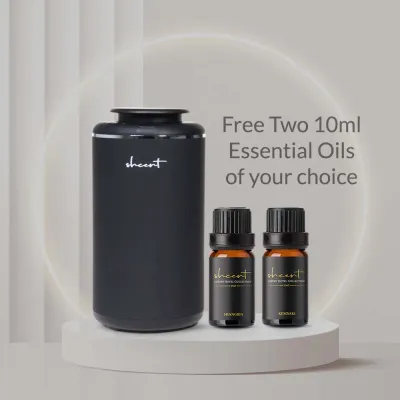
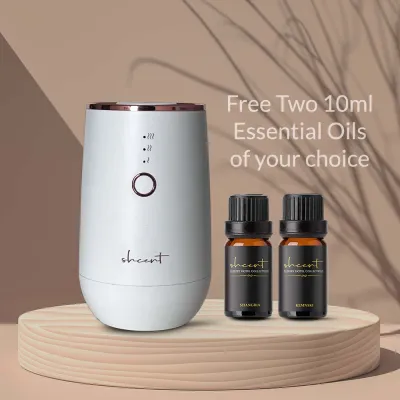
Products mentioned in this guide
![[KIRONA SCENT] Zen Aroma Nebulizer | Free 10ml Pure Essential Oil | Aromatherapy Diffuser | Waterless & Wireless | Compact for Work and Study Desk Bedrooms Bathroom | Hotel & Shopping Mall Fragrances](https://img.lazcdn.com/g/p/576cba30efdbae57aaf772acf532810b.png_400x400q80.png_.webp)
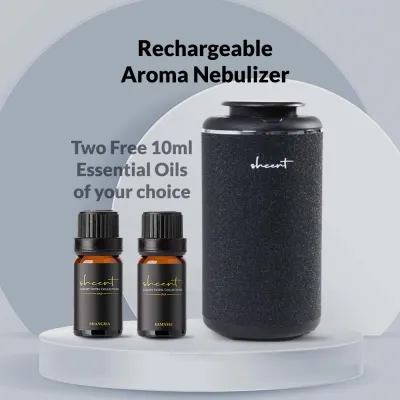
![[KIRONA SCENT] Bullet Aroma Nebulizer | Metallic Gold | Waterless & Wireless | 9 LED Lights | Car & Home Fragrance Gifts](https://img.lazcdn.com/g/p/44d08fc4a4b18953ea8ccea868ae6dde.jpg_400x400q80.jpg_.webp)
![[KIRONA SCENT] Tower Nebulizer (Black) | Waterless Diffuser | FREE 100ml Pure Essential Oil](https://img.lazcdn.com/g/p/5e82a240f87282eff7e1bc1b611dc5a9.png_400x400q80.png_.webp)
Prices are valid at publication and may change. Please refer to the product page for the latest price.
In contrast, ultrasonic diffusers require mixing a few drops of oil into a water reservoir. An ultrasonic disc vibrates at high frequencies to create a cool mist of water droplets carrying the oil. While this adds a small amount of moisture to the air, it significantly dilutes the scent throw. In naturally humid climates, such as in Singapore, adding extra moisture to indoor spaces can sometimes be undesirable, making the waterless, dry mist of a nebulizer a highly appealing alternative.
However, this uncompromising potency comes with distinct trade-offs. Nebulizers typically consume essential oils at a much faster rate than ultrasonic models because they disperse undiluted oil. Additionally, the mechanical air pump inside a nebulizer generates a soft, audible hum during operation, whereas ultrasonic diffusers are nearly silent. Understanding these differences helps ensure you are intentionally choosing a nebulizer for its unmatched scent intensity rather than expecting the quiet, humidifying performance of an ultrasonic device.
Key Specifications to Evaluate for Your Space
When comparing different nebulizer diffusers, technical specifications dictate how effectively the device will perform in your home. Matching these specifications to your physical environment prevents issues like insufficient scent throw or, conversely, an overwhelming concentration of aroma.

Coverage Area
Manufacturers typically specify a maximum coverage area, often measured in square meters. For a compact HDB bedroom or study, a model rated for 10 to 20 square meters is generally sufficient. For larger, open-concept living and dining areas, look for robust models capable of covering 50 square meters or more. Keep in mind that high ceilings, active air conditioning, and open windows will increase air circulation, which can disperse the mist more quickly and require a unit with a higher output capacity.
Noise Level
Because nebulizers use an internal mechanical pump to compress air, they naturally produce some sound. Most manufacturers list a decibel (dB) rating for their devices. A rating below 35 dB is considered quiet enough for sleep or focused work, while ratings above 45 dB may become distracting in a silent room. To mitigate vibration noise, look for models designed with rubberized, shock-absorbing feet or those housed in heavy, solid wood or ceramic bases that naturally dampen sound.
Timer and Intermittent Settings
Because pure essential oil mist is highly concentrated, continuous diffusion can quickly saturate a room and lead to olfactory fatigue. Advanced nebulizers feature customizable intermittent timers that allow you to control the duty cycle—for example, running for 10 seconds and pausing for 50 seconds. Look for a device that offers multiple interval settings and an automatic shutoff timer (such as one, two, or three hours) to help conserve your oils and manage the scent intensity safely.
Power Source and Electrical Safety
Consider where you plan to place the diffuser. Portable, rechargeable models utilize built-in lithium-ion batteries and charge via standard USB ports, offering the flexibility to move the device from a dining table to a bathroom shelf without dealing with cords. For permanent installations, plug-in models offer continuous power without the need to recharge. If you select a plug-in model, verify that the power adapter is compatible with local electrical standards (such as Singapore’s 230V, 50Hz system) and carries appropriate safety certifications to prevent electrical hazards.
Design, Materials, and Build Quality
A nebulizer diffuser is both a functional appliance and a decorative element. Because pure essential oils are highly concentrated, the materials that come into direct contact with the oil are critical to the device’s longevity and safety.
Reservoir Materials
The chamber where the essential oil is atomized should ideally be made of glass. Glass is chemically inert and will not react with or be degraded by the volatile organic compounds found in pure essential oils, such as citrus oils containing high levels of limonene. Plastic reservoirs, even those made of high-quality polymers, can degrade, cloud, or crack over time when exposed to undiluted oils. Hand-blown glass reservoirs also allow you to easily monitor the remaining oil level.
Base Materials
The base of the diffuser houses the air pump and control electronics. High-quality models often feature bases crafted from solid wood (such as oak, walnut, or beech), ceramic, or anodized aluminum. These materials provide excellent durability and a premium aesthetic that complements modern home decor. Avoid lightweight, thin plastic bases, which are more prone to transferring pump vibrations to your furniture, resulting in a louder buzzing noise.
Form Factor and Stability
Because glass reservoirs are fragile and essential oils can stain or damage varnished wood surfaces if spilled, stability is a key design consideration. Look for diffusers with a low center of gravity and a wide, heavy base that resists tipping over. If you have pets or young children, a compact, enclosed model where the glass components are protected inside a metal or wood sleeve may be a safer choice than an exposed, top-heavy glass spindle.
Maintenance, Cleaning, and Long-Term Care
To keep a nebulizer diffuser operating efficiently, regular maintenance is non-negotiable. Because the micro-tubes inside the glass reservoir are incredibly narrow, dried oil residue can easily clog the system, leading to reduced mist output or a strained motor.
Routine Cleaning Frequency
Establish a simple cleaning routine to prevent oil buildup. A quick weekly clean is highly recommended if you use the device daily. To clean the reservoir, pour out any remaining oil and add a small amount of high-proof isopropyl alcohol (90% or higher). Swirl the alcohol around the glass chamber to dissolve any residue, pour it out, and let the reservoir air dry completely before refilling it with oil. Alternatively, you can run the diffuser with a small amount of alcohol for a few minutes in a well-ventilated room to clear the internal micro-tubes.
Identifying and Clearing Clogs
If you notice that the diffuser is running but producing very little or no visible mist, or if the pump sounds strained, the micro-tubes are likely clogged. This often happens when using thicker, more viscous oils like patchouli, vetiver, or sandalwood. To clear a stubborn clog, submerge the detached glass reservoir in a warm bath of isopropyl alcohol for a few hours. Avoid inserting wire, needles, or abrasive cleaning tools into the delicate glass tubes, as this can easily shatter the internal components.
Long-Term Care and Replacement Parts
Over years of continuous use, the internal air pump may gradually lose pressure, or the glass reservoir may accidentally chip or break. Before purchasing a specific brand, check if the manufacturer sells individual replacement parts, such as spare glass reservoirs, rubber seals, or power cords. Choosing a brand that offers modular replacement parts ensures that a single accidental drop does not render your entire appliance useless, extending the overall lifespan of your investment.
Matching the Diffuser to Specific Room Scenarios
To get the most satisfaction out of your nebulizer, tailor your choice to the specific room where it will be most frequently used. Different environments demand different feature priorities.
Bedrooms
For a bedroom, sleep hygiene is the primary concern. Prioritize a nebulizer with an ultra-quiet pump rating and a design that dampens vibrations. Light control is equally important; choose a model that allows you to completely turn off any LED indicator lights or ambient glow features so your sleep environment remains dark. A gentle intermittent timer—such as 5 seconds of diffusion followed by several minutes of rest—is ideal for maintaining a subtle, relaxing scent without overwhelming the room overnight.
Living Rooms and Open Spaces
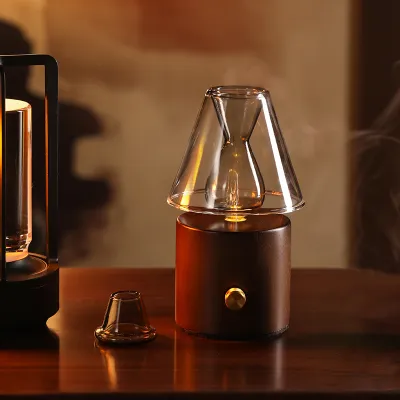
In large, open-concept living areas, the priority shifts to maximum coverage and aesthetic presence. Look for a powerful, plug-in nebulizer with a larger glass reservoir that can hold more oil, reducing the need for frequent refills. A model with a striking design, such as a hand-blown glass dome paired with a natural wood base, can serve as a beautiful centerpiece on a console table or shelf while effectively dispersing scent across a wide area.
Home Offices
For a home office or study, portability and localized scent throw are key. A compact, USB-rechargeable nebulizer is highly practical, as it can sit neatly next to your laptop or on a small desk shelf without requiring an extra wall outlet. Look for a model with moderate output settings so the aroma remains concentrated around your immediate workspace rather than drifting heavily into adjacent rooms, helping you maintain focus without sensory overload.
Frequently Asked Questions (FAQ)
Can I use carrier oils or fragrance oils in a nebulizer diffuser?
No, you should only use 100% pure, undiluted essential oils in a nebulizer diffuser. Carrier oils, such as jojoba, sweet almond, or coconut oil, are far too thick and viscous for nebulizing technology. Attempting to use them will permanently clog the microscopic glass tubes inside the reservoir, potentially burning out the air pump motor. Similarly, synthetic fragrance oils often contain heavy chemical carriers and solvents that can leave a sticky residue, damaging the delicate components and altering the purity of the diffused mist.
How long will a bottle of essential oil last in a nebulizer?
The lifespan of an essential oil bottle depends heavily on your diffuser’s intermittent timer settings, the pump’s output strength, and the viscosity of the oil itself. Because nebulizers disperse pure, undiluted oil, they consume oil faster than water-based diffusers. On a continuous or high-output setting, a 10ml bottle of essential oil may last only a few days of constant use. However, by utilizing conservative intermittent settings—such as diffusing for 10 seconds and pausing for 60 seconds—and running the device for just one to two hours a day, a 10ml bottle can easily last several weeks.
Is it safe to leave a nebulizer diffuser running overnight?
While many modern nebulizers feature automatic shutoff timers that make them physically safe to leave unattended, running a nebulizer continuously overnight is generally not recommended. Because these devices disperse highly concentrated, undiluted essential oils, continuous inhalation over many hours can lead to olfactory fatigue, headaches, or mild respiratory irritation. If you wish to use your diffuser as part of your bedtime routine, utilize a model with a sleep timer set to turn off automatically after 30 to 60 minutes, or use a highly spaced intermittent setting to ensure the air does not become over-saturated while you sleep.
Community discussion
Share your experience or ask a question. Comments are reviewed before publication.