
Mugwort incense sticks, derived from the aromatic leaves of Artemisia argyi (commonly known as Ai Ye), have transitioned from traditional wellness rituals into modern home aromatherapy. Known for their earthy, herbal, and slightly medicinal scent, these incense sticks are widely used for air purification, relaxation, and repelling insects. However, the market is flooded with synthetic alternatives that mimic the scent of mugwort using artificial fragrance oils and chemical binders. To find high-quality, authentic mugwort incense, you must evaluate key factors such as ingredient purity, the aging period of the raw herb (known as Chen Ai), the leaf-to-stem extraction ratio, and the physical characteristics of the unlit stick and its ash.
In Singapore’s compact urban environment, where air conditioning is common and homes like HDB flats or condominiums feature enclosed layouts, choosing the right grade of incense is particularly important. Low-grade or synthetic incense can quickly overwhelm an indoor space with harsh smoke, leading to respiratory discomfort. By understanding what to look for, you can select a product that offers a soothing, authentic aromatherapy experience while maintaining a healthy indoor environment.
Quick Guide: Core Indicators of High-Quality Mugwort Incense
Mugwort, or Ai Ye, holds a venerable place in traditional Eastern wellness, where it has been burned for centuries to cleanse spaces, ward off dampness, and support overall well-being. When processed into incense sticks, it provides a convenient way to integrate these traditional benefits into daily life. However, because raw mugwort varies significantly in quality, manufacturers employ different processing methods that directly impact the final burning experience.
Products mentioned in this guide
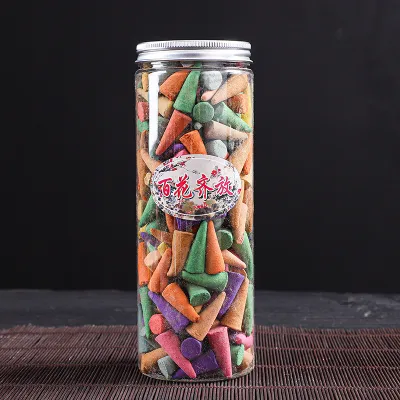
Prices are valid at publication and may change. Please refer to the product page for the latest price.
To quickly distinguish premium, authentic mugwort incense from low-quality or synthetic alternatives, you can rely on four primary indicators:
- Ingredient Purity: Authentic sticks contain only natural mugwort powder and a plant-based binder, with no synthetic fragrances, chemical combustion aids, or artificial colorants.
- Aging Period (Chen Ai): High-quality incense utilizes mugwort leaves that have been aged for one to five years, which mellows the volatile oils and reduces smoke harshness.
- Ash Texture: The ash left behind by natural incense is light-colored, extremely fine, and crumbles instantly without retaining intense heat.
- Unlit Scent Profile: Before lighting, a high-quality stick emits a subtle, earthy, and herbal aroma rather than a sharp, sweet, or heavily perfumed scent.
Authentic mugwort incense is designed to offer a rustic, natural, and functional experience rather than a heavily perfumed fragrance. It does not mask odors with synthetic floral notes; instead, it purifies the air with a clean, herbaceous smoke that naturally dissipates, leaving a refreshing and grounding atmosphere in your living space.
How to Evaluate Authenticity and Ingredient Purity
Evaluating the authenticity of mugwort incense requires a combination of visual, physical, and olfactory checks before and during the burning process. Because synthetic manufacturers have become adept at mimicking the appearance of herbal products, looking closely at the finer details of the sticks will help you avoid chemically treated alternatives.

Visual Inspection
Natural mugwort incense typically exhibits a muted, earthy color palette ranging from dusty brown and dark khaki green to a soft, yellowish-grey. This coloration is a direct result of the dried, ground mugwort leaves. You should be cautious of sticks that display unnaturally bright green hues, perfectly uniform bright yellow shades, or visible dye bleeding onto the packaging. These visual anomalies usually indicate the presence of chemical colorants used to disguise low-grade wood filler or paper pulp.
Unlit Scent Test
The scent of the unlit stick is one of the most reliable indicators of purity. When you bring an unlit, high-quality mugwort stick to your nose, the aroma should be gentle, warm, and distinctly herbal, resembling dried tea leaves or mild Chinese medicinal herbs. If the unlit stick immediately hits your senses with a sharp, sweet, or intensely floral perfume, it is highly likely that the product has been sprayed with synthetic fragrance oils. These synthetic chemicals can cause headaches and respiratory irritation when burned in enclosed spaces.
Ash Observation
Observing the ash during and after burning provides immediate clues about the ingredients used. High-quality natural mugwort incense burns completely, leaving behind a light grey or off-white ash that is soft and fluffy to the touch. This ash crumbles into a fine powder with minimal pressure and cools down almost instantly after falling. Conversely, incense made with synthetic binders, chemical glues, or heavy metal combustion aids often produces hard, dark grey or black ash that clings together in solid chunks. This chemical-laden ash can retain high temperatures for a longer period, presenting a minor burn hazard if it lands on your skin or furniture.
Binder Check
Before making a purchase, always review the ingredient list provided by the manufacturer. High-quality incense relies on natural plant-based binders, most commonly Nanmu powder (elm bark powder) or Tabu powder, which are natural wood mucilages that hold the herb together without altering its scent. You should actively avoid products that list chemical adhesives, synthetic glues, or artificial combustion accelerants. If a manufacturer does not disclose their ingredients or simply lists “natural fragrance,” treat the product with skepticism and look for brands that explicitly commit to 100% plant-based formulations.
Understanding Mugwort Grades and the Importance of Aging
The quality of a mugwort incense stick is fundamentally determined by two factors: how long the raw leaves were aged before processing, and the ratio of leaf material to stems used in the mixture. Understanding these concepts will help you navigate marketing terminology and choose a product that offers the best value for your budget.
The Aging Process (Chen Ai)
In the world of traditional aromatherapy, aged mugwort is known as Chen Ai. Freshly harvested mugwort leaves contain a high concentration of volatile essential oils, moisture, and chlorophyll. If burned immediately, these elements produce a harsh, acrid smoke that smells like burning wet grass and can easily irritate the eyes and throat. By aging the harvested leaves in a dry, well-ventilated environment for one to five years, manufacturers allow the excess volatile oils to evaporate and the chlorophyll to break down. This aging process yields a much milder, smoother, and sweeter smoke that is far more comfortable to breathe.
Leaf-to-Stem Ratio
To make incense, dried mugwort leaves are beaten and sifted repeatedly to separate the soft, fibrous leaf hairs (known as mugwort floss or Ai Rong) from the hard stems and veins. The purity of this floss is expressed as an extraction ratio, such as 10:1, 30:1, or 50:1. A 30:1 ratio means that 30 kilograms of raw mugwort leaves were processed to yield 1 kilogram of refined mugwort floss.
- High-ratio floss (30:1 to 50:1): Often referred to as "gold silk" or premium grade, this contains virtually no stems or impurities. It burns with an incredibly smooth, elegant, and sweet aroma, producing minimal ash.
- Medium-ratio floss (10:1 to 20:1): This grade contains a small amount of fine stem material, offering a balanced, slightly more rustic herbal scent that is highly effective for daily air purification.
- Low-ratio floss (under 10:1): This contains a significant amount of ground stems and woody fibers. It burns hotter, produces more smoke, and has a more pronounced "campfire" smell, making it less suitable for delicate indoor aromatherapy.
Navigating Age Claims
When shopping on online marketplaces, you will frequently see claims of “3-year aged,” “5-year aged,” or even “10-year aged” mugwort. While three to five years of aging is the industry standard for premium incense, claims of ten years or more should be approached with caution. True decade-aged mugwort is exceptionally rare, expensive, and typically reserved for high-end traditional moxibustion therapy rather than mass-market incense sticks. For everyday home use, a verified three-year aged product offers the sweet spot of excellent smoke quality and reasonable pricing.
Budget vs. Quality
Balancing cost and quality depends largely on your personal sensitivity to smoke and your intended usage. In Singapore, a box of standard everyday mugwort incense sticks might cost around S$10 to S$15, while highly refined, premium aged selections can exceed S$40 to S$60 per box. If you intend to burn incense in a small study or during quiet meditation, investing in a higher-grade, highly aged stick (such as a 30:1 ratio aged for 3 years) is well worth the extra cost to ensure a smooth, non-irritating experience. For larger, open living areas or outdoor patios, a medium-grade, budget-friendly option is highly sufficient.
Matching the Incense Type to Your Specific Needs
Mugwort incense is available in various physical formats, thicknesses, and formulations. Matching these characteristics to your specific environment and goals will ensure you get the most out of your purchase.
For Meditation and Relaxation
If your primary goal is to create a calm, focused atmosphere for meditation, yoga, or reading, you should opt for thin, highly refined aged mugwort sticks. These sticks typically measure between 1.2mm and 1.8mm in diameter. Because they are thin and made from highly refined Ai Rong floss, they burn slowly, produce a very delicate, wispy stream of smoke, and release a soft, sweet, and grounding herbal aroma. This gentle scent profile helps settle the mind without overwhelming a quiet, enclosed room.
For Mosquito Repellent and Outdoor Use
In Singapore’s tropical climate, mosquitoes and other insects are a common concern, especially if you enjoy spending time on your balcony, patio, or garden. For these environments, thicker mugwort incense sticks (often 3.0mm or wider) are highly recommended. Many manufacturers offer specialized blends that combine mugwort with other natural insect-repelling herbs, such as citronella, clove, or sandalwood. These thicker sticks burn more vigorously and produce a robust volume of smoke that effectively deters insects in semi-outdoor spaces where air currents would quickly disperse thinner incense smoke.
For Space Purification and Odor Removal
If you want to clear cooking odors, mustiness, or pet smells from your living room, look for standard-grade mugwort sticks with a balanced leaf-to-stem ratio (such as 10:1 or 15:1). These sticks offer a moderately strong, clean, and herbaceous aroma that quickly neutralizes unpleasant odors. They provide excellent coverage for larger open-plan living areas, burning steadily for 40 to 50 minutes to leave the entire home smelling fresh and purified.
Selection Matrix
To help you quickly identify the right product specifications for your home, refer to the following guide:
| Use Case | Recommended Thickness | Aging Grade | Ideal Burning Environment |
|---|---|---|---|
| Meditation & Yoga | Fine (1.2mm – 1.8mm) | High (3 – 5 Years, 30:1+ ratio) | Quiet, indoor room with a cracked window |
| Space Purification | Standard (1.8mm – 2.3mm) | Medium (1 – 3 Years, 10:1 to 15:1 ratio) | Living room with active cross-ventilation |
| Mosquito Repellent | Thick (3.0mm+) | Standard (1 – 2 Years, lower ratio) | Balcony, patio, or semi-outdoor space |
Safe Burning Practices and Indoor Usage Guidelines
While natural mugwort incense offers numerous wellness benefits, burning any material indoors releases particulate matter into the air. Practicing safe burning habits is essential to protect your home, your health, and your family.
Ventilation Requirements
You should never burn mugwort incense in a completely sealed room, especially when running an air conditioner. In Singapore’s humid climate, it is tempting to keep all windows shut to trap cool air, but doing so allows smoke particles to accumulate to unhealthy levels. Always ensure proper cross-ventilation by opening a window or door slightly to allow fresh air to circulate and carry excess smoke outside. This simple practice ensures you enjoy the therapeutic aroma of Ai Ye without compromising your indoor air quality.
Burner Selection and Fire Safety
Always burn your incense sticks using high-quality, heat-resistant accessories:
- Traditional Burners: Use ceramic, brass, or stone incense holders that feature a wide base to catch falling ash.
- Horizontal Burners: For a cleaner setup, consider a horizontal incense box lined with fireproof felt, which allows the stick to lie flat and burn safely from end to end.
- Electric Burners: If you choose to use an electric incense burner to gently heat raw mugwort powder or incense seals instead of burning sticks, you must verify that the device is compatible with Singapore's electrical standards. Ensure the burner operates on 220-240V, features a compatible Type G three-pin plug, and carries the local SAFETY Mark certification to prevent electrical hazards.
- Placement: Keep burning incense on a stable, flat surface away from drafts, open windows, air conditioning vents, and flammable items such as curtains, books, or bedding. Never leave a burning stick unattended, and ensure it is completely extinguished before leaving the room.
Health and Sensitivity Precautions
Before introducing mugwort incense to your household, consider the health profiles of all residents. Pregnant women, individuals suffering from asthma, chronic bronchitis, or severe seasonal allergies, and those with heightened respiratory sensitivities should consult a healthcare professional before burning incense. Furthermore, households with pets must exercise extreme caution. Dogs, cats, and especially birds have highly sensitive respiratory systems; certain essential oils and smoke particles can cause them severe distress. Always burn incense in a separate, well-ventilated room away from your pets, and discontinue use immediately if you or your animals show signs of coughing, sneezing, or watery eyes.
Frequently Asked Questions (FAQ)
Can I use mugwort incense every day?
Daily use of high-quality, well-aged mugwort incense is generally acceptable, provided you burn it in a well-ventilated space. However, to prevent olfactory fatigue—where your nose becomes desensitized to the scent—and to minimize long-term exposure to smoke particles, it is best to limit your usage to one stick per day. If you begin to experience throat dryness, mild coughing, or nasal irritation, you should reduce the frequency of use and increase the ventilation in your room.
Why does my mugwort incense smell like burning grass instead of herbs?
If your incense smells harsh, acrid, or resembles a campfire or burning grass, it is usually a sign of low-quality raw materials. This scent profile typically occurs when the manufacturer uses fresh, unaged mugwort leaves that still contain high amounts of moisture and chlorophyll, or when the incense contains a high proportion of ground stems and woody veins rather than refined leaf floss. It can also indicate the presence of synthetic combustion accelerants or cheap wood fillers. Switching to a higher-grade, aged Chen Ai product with a certified extraction ratio will resolve this issue.
How should I store mugwort incense sticks to maintain their quality?
Proper storage is crucial to preserving the delicate aroma and burning properties of mugwort incense. You should store your sticks in a cool, dry place away from direct sunlight, extreme heat, and strong household odors. In Singapore’s highly humid tropical climate, incense sticks can easily absorb moisture from the air, making them difficult to light or causing them to burn unevenly and develop mold. To prevent this, keep your incense in airtight containers, glass tubes, or resealable plastic bags, and consider adding a food-grade silica gel desiccant pack to absorb any excess humidity.
Community discussion
Share your experience or ask a question. Comments are reviewed before publication.