
Selecting a decorative hourglass for your home involves more than finding an attractive shelf filler. A well-chosen hourglass serves as a captivating sculptural element, drawing the eye with its clean lines, shifting textures, and sense of motion. To make a lasting addition to your interior decor, you must evaluate the piece’s structural craftsmanship, material durability, and visual compatibility with your living space.
In tropical climates where indoor humidity levels can fluctuate, the physical construction of the hourglass becomes even more critical. Moisture can easily compromise the visual appeal and movement of the sand if the glass bulb is not perfectly sealed. By understanding what to look for in terms of build quality, design scale, and flow mechanics, you can select a piece that remains both beautiful and functional over time.
Assessing Build Quality and Materials
The overall durability and aesthetic appeal of an hourglass depend heavily on its frame materials and assembly quality. Common frame options include natural wood, polished or antiqued metals, and molded resins. When examining a wooden frame, inspect the joints for seamless alignment and check that the varnish or paint is evenly applied without drips or rough patches. Metal frames, such as those made of solid brass, iron, or stainless steel, should feel substantial and heavy in the hand, with clean welds and secure screws that do not wobble.
Products mentioned in this guide
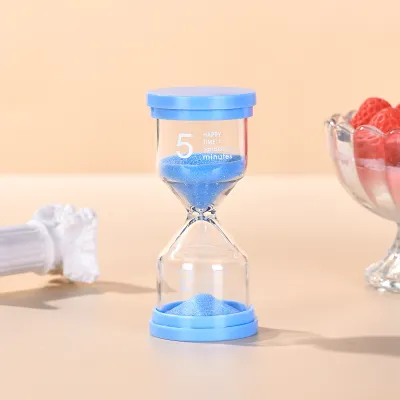
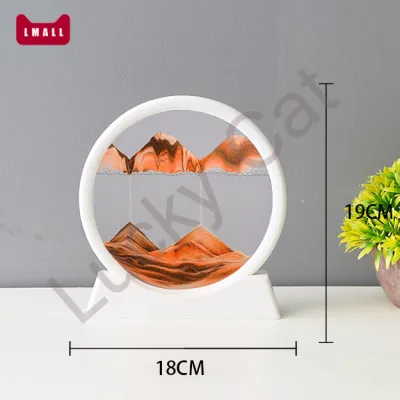
Prices are valid at publication and may change. Please refer to the product page for the latest price.
The glass bulb itself requires close inspection. High-quality decorative hourglasses typically feature hand-blown or thick borosilicate glass, which offers superior clarity and resistance to minor impacts. Hold the piece up to the light to check for manufacturing defects, such as embedded air bubbles, hairline scratches, or noticeable distortions in the glass curve. These imperfections not only detract from the visual elegance of the sculpture but can also indicate structural weak points that make the glass more susceptible to cracking.
Finally, pay close attention to how the glass bulb is integrated into the frame. The top and bottom caps must be securely attached, perfectly level, and cushioned with protective gaskets or silicone seals. If the caps are uneven or poorly aligned, the hourglass will sit at an angle when placed on a flat surface. This misalignment can cause the sand to flow unevenly against one side of the glass, disrupting both the visual symmetry of the falling sand and the physical balance of the entire unit.
Evaluating Design, Scale, and Placement
Before purchasing an hourglass, it is essential to measure the physical dimensions of your intended display area. Whether you plan to place the piece on a narrow floating shelf, a wide console table, or a fireplace mantel, you must ensure there is adequate vertical clearance and a stable footprint. A tall, dramatic hourglass can make a striking statement on a spacious sideboard, but it may look cramped or fail to fit entirely on a standard bookshelf. Conversely, a miniature sand timer might get lost visually if placed on a large, open table.

The design language of the hourglass should complement the existing style of your room. For a minimalist or contemporary space, a frameless, all-glass hourglass with clean lines and monochromatic sand offers a sleek, modern aesthetic. If your home features industrial or vintage decor, look for an hourglass suspended in a gimbaled brass frame or one accented with distressed wood and iron pillars. The choice of materials should harmonize with other decorative accents in the room, such as light fixtures, picture frames, or furniture hardware.
Consider how lighting and color contrast will affect the visibility of the piece. Placing an hourglass in front of a dark accent wall or inside a dimly lit cabinet can obscure the fine details of the frame and the color of the sand. To maximize its visual impact, position the sculpture where it can catch natural ambient light or sit under a soft spotlight. This highlights the texture of the falling grains and creates a gentle play of shadows through the glass. However, avoid placing the piece in areas exposed to extreme heat or direct, harsh sunlight, which can cause certain colored sands to fade over time.
Checking the Sand and Flow Mechanism
The sand inside the hourglass is the central focus of the sculpture, making its quality and behavior highly important. High-grade decorative hourglasses use specialized, uniform glass beads or finely graded silica sand rather than coarse natural sand. Inspect the sand closely to ensure the grains are consistent in size and free of dust or debris. The color should be uniform throughout; any streaking or discoloration can indicate the presence of moisture or low-quality dyes that may bleed onto the interior glass surface.
It is important to distinguish between purely decorative sculptures and functional timing devices. Many modern hourglasses are designed primarily as artistic accents, meaning their run times are approximate and can vary by several minutes. If you require a piece that can double as a functional timer—such as a 15-minute desk timer or a 60-minute study aid—verify the manufacturer’s stated time tolerance. Decorative pieces often prioritize the visual volume and color of the sand over precise calibration.
Observe the sand flow in action before finalizing your choice. The sand should pass smoothly through the narrow neck of the glass bulb without clogging, stuttering, or leaving excessive residue on the inner walls. Static electricity can sometimes cause sand grains to cling to the glass, a common issue in dry, air-conditioned rooms. Additionally, check for uneven drifting, where the sand piles up lopsidedly at the bottom, which usually indicates that the orifice is slightly misaligned or that the frame is not sitting perfectly level.
Safety, Stability, and Care Requirements
Because an hourglass is inherently fragile, safety and stability are paramount when choosing where to display it. Evaluate the weight distribution of the base; a wider, heavier base lowers the center of gravity and significantly reduces the risk of accidental tipping. This is especially crucial in active households with young children or pets who might bump into furniture. For added security, look for bases equipped with non-slip felt or rubber pads, which prevent the piece from sliding on polished wood or glass surfaces.
Position the hourglass away from high-traffic edges, doorways, or areas where cords and daily activities could knock it over. If you are displaying a delicate, frameless glass model, consider placing it inside a glass-fronted cabinet or on a higher shelf where it remains visible but protected from physical contact. Planning your placement carefully ensures the longevity of the piece and prevents messy cleanups of scattered sand and broken glass.
Proper maintenance is key to keeping your hourglass looking pristine. Dust can accumulate quickly on the intricate parts of the frame and the curved glass bulb, dulling its luster. When cleaning, always refer to the manufacturer’s specific care instructions. Avoid using harsh chemical solvents, abrasive scrubbers, or excessive water near the joints and seals, as moisture can degrade adhesives, tarnish metal finishes, or seep into the sand chamber, permanently ruining the flow mechanism.
Frequently Asked Questions (FAQ)
Can decorative hourglasses be used as accurate timers?
Most decorative hourglasses are designed primarily as aesthetic sculptures rather than precision instruments. While they do provide a general sense of passing time, factors such as ambient humidity, static electricity, and minor variations in the hand-blown glass neck can cause the run time to vary. If you need a reliable timer for tasks or productivity, look for products specifically labeled with calibrated time tolerances, though a standard digital device remains the best choice for absolute accuracy.
How do I clean the glass without scratching it?
To clean the glass bulb safely, use a dry, soft, lint-free microfiber cloth to gently wipe away dust and fingerprints. If a deeper clean is necessary, lightly dampen the cloth with water or a mild glass cleaner, taking care to avoid any contact with the wooden, metal, or resin frame seals. Never submerge the hourglass in water or use abrasive pads, as these can scratch the glass surface or compromise the adhesive seals holding the frame together.
Community discussion
Share your experience or ask a question. Comments are reviewed before publication.