
The gold ingot, or yuanbao, is a classic symbol of prosperity, wealth, and abundance in Chinese culture, making it a popular decorative piece in many Singaporean households. To maximize its symbolic value and align with traditional Feng Shui principles, the optimal placement for a gold ingot decoration is typically in the primary wealth sector of your home—often located diagonally opposite the main entrance in the living room—or on a prominent console table in the entryway foyer. However, finding the ideal spot involves balancing traditional spatial guidelines with the practical realities of modern Singaporean living spaces, such as Housing & Development Board (HDB) flats and condominiums. By understanding the cultural significance and spatial dynamics of these decorative items, you can create a harmonious display that respects tradition while complementing your home’s interior design.
Cultural Significance of the Gold Ingot in Local Traditions
Historically, the gold ingot, known as yuanbao in Mandarin, served as a high-value currency in ancient China, cast from silver or gold. Because of its association with imperial wealth and financial security, its distinctive boat-like shape with a raised center has endured for centuries as a powerful visual metaphor for prosperity, continuous growth, and abundance. In multicultural Singapore, this symbol transcends its historical monetary roots, finding a prominent place in festive decorations, household shrines, and seasonal celebrations like Chinese New Year. During these festive periods, replicas of gold ingots are widely displayed to welcome auspicious energy and set a positive tone for the year ahead.
It is important to distinguish between purely decorative aesthetic pieces and culturally consecrated artifacts. A standard decorative gold ingot, whether made of brass, resin, glass, or ceramic, serves as a symbolic reminder of financial aspirations and aesthetic appreciation. These pieces do not require specific religious rituals and can be integrated freely into your home decor. On the other hand, consecrated or blessed artifacts, often placed on family altars or household shrines, are treated with a higher level of cultural reverence and are subject to specific traditional protocols. Understanding this distinction allows you to choose the right type of ingot for your space and display it in a manner that aligns with your personal beliefs and household practices.
Products mentioned in this guide
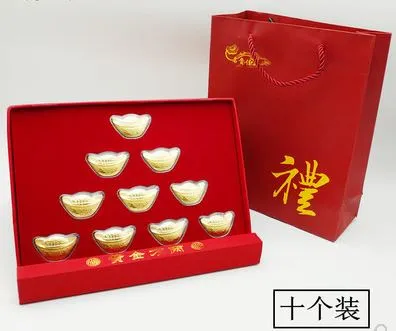
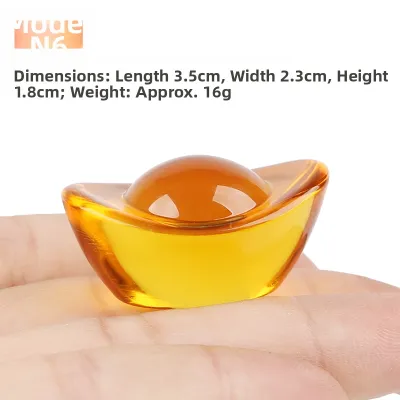
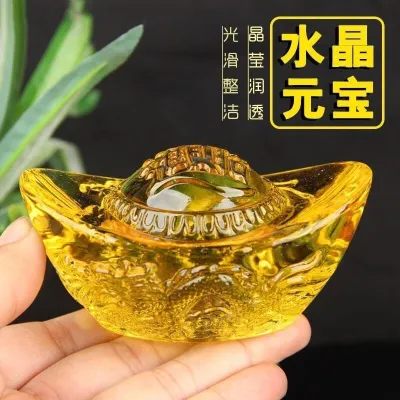
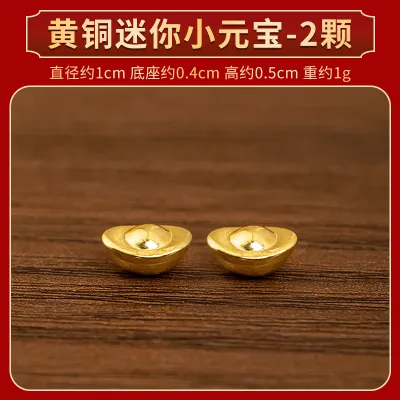
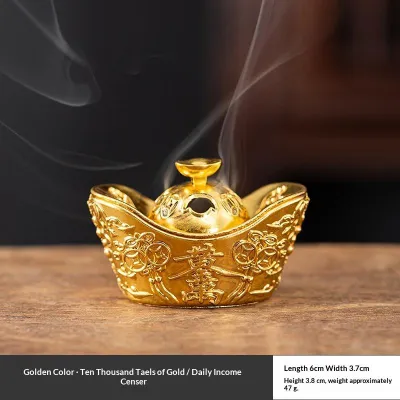
Prices are valid at publication and may change. Please refer to the product page for the latest price.
Core Feng Shui Concepts for Wealth Artifact Placement
In classical Feng Shui, the placement of symbolic objects is guided by the flow of energy, or qi, throughout a living space. The primary area of interest for a gold ingot decoration is the wealth sector, often referred to as the “primary wealth corner” or Xun position in traditional compass-school Feng Shui. In a simplified layout, this corner is typically identified as the diagonal corner opposite the main entrance of a room or the entire home. When you stand at your front door looking inward, the far left and far right diagonal corners are generally considered highly receptive areas for gathering and retaining positive energy.

However, static placements are not a one-size-fits-all solution, as different traditional schools of Feng Shui and individual floor plans can influence the ideal coordinates. For instance, Flying Star Feng Shui calculates auspicious sectors based on the building’s facing direction and the current time period, meaning the active wealth sector can shift. Regardless of the specific school of thought you follow, the fundamental requirement for any wealth display is maintaining a clean, well-lit, and uncluttered environment. Clutter blocks the flow of qi, while a bright, clean space allows the symbolic energy of the gold ingot to circulate freely. Enhancing the display area with dedicated accent lighting, such as a small spotlight or a warm LED strip, can visually elevate the piece and symbolically activate the space. If you choose to install fixed accent lighting, ensure the light fixture is electrically certified, matches the local 230V voltage, and is installed safely.
Room-by-Room Display Strategies for Singapore Homes
Modern residential layouts in Singapore, particularly HDB flats and condominiums, present unique spatial configurations that require a thoughtful approach to decor placement. With open-concept living areas, compact entryways, and structural pillars, finding a balance between traditional guidelines and modern aesthetics is key. The goal is to integrate the gold ingot seamlessly into your daily living environment so that it feels like a natural extension of your home rather than an out-of-place addition. By evaluating the spatial constraints, natural lighting, and functional flow of each room, you can identify spots that respect cultural traditions while maintaining a clean, contemporary interior design.
Living Room and Entryway Foyers
The living room and entryway foyer serve as the primary transitional zones where energy enters and circulates throughout your home. Placing a gold ingot decoration on a console table, shoe cabinet, or display shelf near the main door is an excellent way to welcome positive energy as soon as you or your guests step inside. When positioning the artifact in the foyer, ensure it is placed at an appropriate height—ideally at eye level or waist height—and is not directly in the path of harsh drafts, swinging doors, or cluttered shoe racks. A cluttered entryway can disrupt the visual harmony and symbolic purpose of the decoration.
To enhance the visual and symbolic impact of the gold ingot in your living room, consider pairing it with complementary decor elements. Placing the ingot alongside healthy, vibrant houseplants, such as a money plant or jade plant, creates a balanced composition that represents growth and vitality. Additionally, incorporating warm, soft lighting around the display can highlight the metallic or reflective surfaces of the ingot, creating an inviting focal point. If you are using a display cabinet, keeping the glass clean and organizing the surrounding items will ensure the gold ingot remains a prominent and respected feature of the room.
Home Office and Study Areas
For those who work from home or manage household finances in a dedicated study, the home office is a highly relevant space for displaying a gold ingot. Positioning the decoration on your desk or an adjacent bookshelf can serve as a personal symbol of career advancement, focus, and financial productivity. Ideally, the ingot should be placed in the upper left corner of your desk—often associated with wealth and prosperity in desk-layout principles—or on a sturdy shelf where it is clearly visible while you work. This placement keeps your professional goals in mind and adds a touch of cultural elegance to your workspace.
When integrating the gold ingot into your office decor, avoid placing it directly behind your seating position, as this can symbolically represent a lack of support or stability. It is also wise to keep the artifact away from sharp desk corners, heavy stacks of unorganized paperwork, or electronic clutter like tangled cables. Maintaining a respectful, organized, and clean environment around the ingot not only honors its cultural symbolism but also fosters a more productive and stress-free working environment.
Spaces and Orientations to Avoid
While finding the right spot for your gold ingot is important, knowing where not to place it is equally crucial for maintaining cultural reverence and protecting the physical item. Bathrooms, kitchens, and utility yards are generally considered unsuitable locations for wealth symbols. These spaces are associated with waste, high moisture levels, and heat, which can symbolically “wash away” or diminish the positive energy associated with the artifact. Furthermore, the high humidity in bathrooms and the grease from cooking in kitchens can damage the materials and finishes of your decorative pieces over time.
Additionally, avoid placing the gold ingot in positions where it directly faces a toilet door, as this is culturally viewed as disrespectful and counterproductive. You should also avoid placing the decoration directly under a heavy structural beam, which is thought to exert downward pressure and restrict the symbolic flow of energy. Finally, never place the gold ingot directly on the floor or in low-traffic, neglected corners of your home. Elevating the artifact on a table, shelf, or dedicated stand demonstrates respect for the tradition and ensures it remains a positive visual element in your living space.
Material Care and Display Maintenance
To preserve the physical condition and aesthetic appeal of your gold ingot decoration, regular maintenance and proper care are essential. Gold ingots are crafted from a variety of materials, including brass, gold-plated metal, resin, glass, ceramic, and crystal. Before cleaning your decorative piece, always identify the material and check the manufacturer’s care instructions. For metal and gold-plated items, avoid using harsh chemical cleaners or abrasive cloths, which can scratch the surface or strip away the protective coating. Instead, use a soft, dry microfiber cloth to gently wipe away dust and fingerprints.
Singapore’s tropical climate, characterized by high humidity and warm temperatures, can accelerate the tarnishing of metal decorations and cause dust to adhere more easily to surfaces. To protect your gold ingot from environmental wear, avoid placing it in areas that receive direct, intense sunlight, which can fade resin or glass colors and overheat metal pieces. If you have a particularly delicate or valuable ingot, displaying it inside a glass cabinet, under an acrylic cover, or on a dedicated display stand can provide an extra layer of protection against dust and moisture. Keeping the display area well-ventilated and dry will help maintain the luster and beauty of the artifact for years to come.
When to Seek Professional Feng Shui Consultation
While general placement guidelines offer a helpful starting point for integrating a gold ingot into your home, they are based on broad cultural principles rather than personalized calculations. If you are planning major structural renovations, experiencing significant life transitions, or looking to align your home decor with your personal astrological chart, consulting a qualified local Feng Shui practitioner can provide deeper insights. A professional consultant can analyze your home’s unique orientation, layout, and energy patterns to recommend precise placements that complement your specific goals and lifestyle.
Before meeting with a professional, it is helpful to prepare a clear copy of your home’s floor plan and note the facing direction of your main entrance. You can also prepare specific questions about how your current layout affects your living environment and where to position key decorative elements. A professional consultation can help you navigate complex spatial challenges, such as irregular room shapes or modern open-concept designs, ensuring that your cultural decorations are placed in a way that brings harmony, balance, and aesthetic satisfaction to your Singapore home.
Frequently Asked Questions (FAQ)
Can I place a gold ingot decoration in my bedroom for good luck?
Generally, it is not recommended to place active wealth symbols like a gold ingot in the bedroom. The bedroom is primarily a space dedicated to rest, relaxation, and personal privacy, requiring quiet and peaceful energy. Introducing symbols associated with active financial growth and career energy can disrupt the tranquil atmosphere needed for quality sleep. If you wish to keep a personal charm or symbol of good luck in your private space, consider smaller, more subtle items that promote peace and well-being rather than active wealth accumulation.
Does the material of the gold ingot affect its cultural properties?
From a traditional perspective, the symbolic intent and visual representation of the gold ingot are the most important factors, meaning that pieces made of brass, ceramic, glass, or resin all carry positive cultural meaning. However, choosing durable, high-quality materials is practical for long-term display. Metal options like brass are highly favored for their classic appearance and weight, while glass or crystal pieces can beautifully reflect light in well-lit spaces. Select a material that fits your personal aesthetic preferences, budget, and the existing decor of your home.
Community discussion
Share your experience or ask a question. Comments are reviewed before publication.