
Finding the perfect balance between cozy comfort and clean minimalism is a common goal for homeowners in Singapore, especially when designing modern HDB BTO flats or private apartments. The Japandi aesthetic—a harmonious fusion of Japanese wabi-sabi and Scandinavian hygge—offers an ideal solution, creating serene, clutter-free spaces that feel deeply grounded. A carefully selected pendant light serves as the visual anchor of this style, drawing the eye upward while casting a warm, atmospheric glow over your living spaces.
To find the best Japandi-style fixtures, you must look beyond generic retail labels and understand how different brand categories in Singapore cater to this unique aesthetic. From curated local furniture boutiques to specialized technical lighting showrooms and budget-friendly global retailers, each source offers distinct advantages in terms of material quality, customization, and price. Navigating these options requires a clear understanding of authentic design elements, local electrical safety standards, and practical styling principles.
What Defines an Authentic Japandi Pendant Light?
An authentic Japandi pendant light is more than just a minimalist fixture; it is a study in functional art and material honesty. The design philosophy merges the sleek, practical lines of Nordic style with the rustic, imperfect beauty of traditional Japanese craftsmanship. Rather than demanding attention with polished metals or bright colors, a true Japandi fixture commands a room through quiet texture, organic geometry, and a sense of calm weightlessness.
Products mentioned in this guide
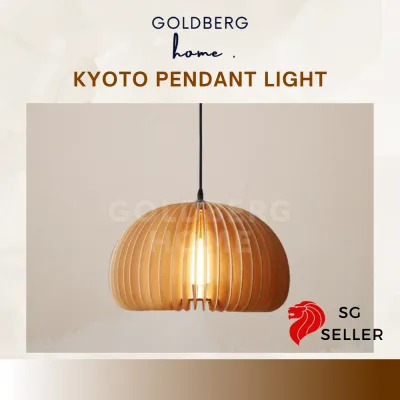
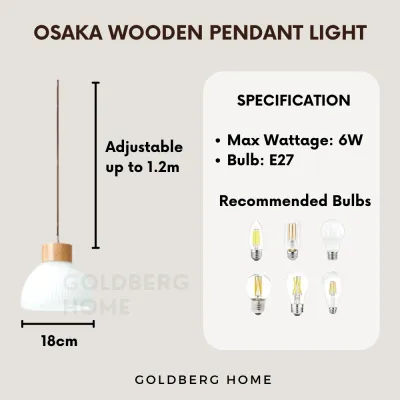
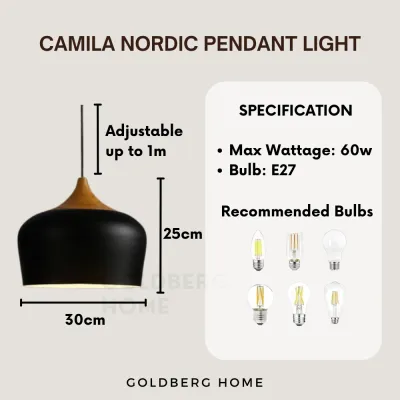
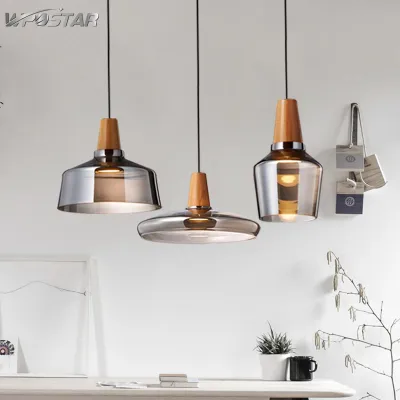
Prices are valid at publication and may change. Please refer to the product page for the latest price.
Material authenticity is the cornerstone of this aesthetic. Look for shades crafted from natural, minimally processed materials that age gracefully over time. Woven rattan, split bamboo, solid white oak, raw linen, and translucent washi (rice paper) are classic choices. These materials introduce a tactile warmth that softens the clean, hard lines of modern architecture, creating a bridge between the indoor environment and the natural world.
Color palettes remain strictly neutral and earthy, designed to complement rather than compete with your interior decor. Expect to see soft creams, warm sands, muted oatmeal, and pale timbers, occasionally punctuated by matte charcoal or deep forest green accents to provide subtle contrast. The finishes are almost exclusively matte or low-sheen, avoiding the cold, reflective glare of polished chrome or brass.
Equally important is the quality of light the fixture emits. A core tenet of both Japanese and Scandinavian design is the elimination of harsh, direct glare. Authentic Japandi fixtures utilize shades that act as natural diffusers, enclosing the bulb to scatter light softly across the room. Depending on your aesthetic preference, a delicate paper shade will cast an ethereal, uniform glow, whereas a woven rattan or bamboo shade will project intricate, organic shadow patterns onto adjacent walls, adding depth and character to your space.
Essential Electrical and Safety Checks Before You Buy
Before purchasing a pendant light, you must verify its technical compatibility with Singapore’s electrical infrastructure. Failing to check these specifications can lead to installation failures, premature driver burnouts, or serious electrical hazards in your home.

First, confirm that the light fixture or its integrated LED driver is designed to operate on Singapore’s standard electrical supply of 230V at a frequency of 50Hz. This is particularly crucial if you are sourcing fixtures directly from international online marketplaces or overseas boutiques. Fixtures manufactured for North America (110V/60Hz) or parts of Japan (100V) will not function safely on local grids without a compatible step-down transformer or a completely replaced driver.
Second, prioritize electrical safety by looking for components that carry the Enterprise Singapore Safety Mark. The Safety Mark ensures that critical parts, such as built-in LED drivers, electronic ballasts, or three-pin plugs, have been rigorously tested to meet local safety standards. While decorative shades themselves do not require certification, any active electrical component hidden within the canopy or ceiling rose should be verified for compliance.
Third, pay close attention to bulb compatibility and socket types. Most traditional pendant lights utilize standard screw-in bases, such as E27 or E14 sockets. Opt for high-quality LED bulbs with a warm color temperature, typically between 2700K and 3000K, to replicate the cozy, inviting glow central to the Japandi mood. Always check the manufacturer’s specified maximum wattage limit for the socket; installing a bulb that exceeds this limit can cause heat to build up inside enclosed shades, damaging delicate materials like paper or linen.
Fourth, assess the weight of the fixture against your ceiling structure. While concrete slab ceilings can easily support heavy pendants using standard expansion bolts, false ceilings—which are common in Singaporean homes to conceal air-conditioning ducts and wiring—require careful planning. Heavy fixtures made of solid hardwood, ceramic, or thick glass cannot be mounted directly onto gypsum board; they require structural reinforcement, such as installing plywood backing or anchoring support brackets directly to the concrete slab above the false ceiling.
Finally, establish clear boundaries for installation safety. Any task involving fixed wiring, modifying ceiling roses, or working at heights requires turning off the main power supply at your home’s distribution board (DB box) and verifying the circuit is dead using a reliable voltage tester. To comply with local regulations and ensure a safe, secure installation, always hire a licensed electrician (EMA-licensed) to handle the hardwiring and mounting of your ceiling fixtures.
Where to Shop: Brand Categories for Japandi Lighting in Singapore
Navigating the retail landscape in Singapore is much easier when you categorize brands by their design focus, service levels, and price points. This structure allows you to target the exact type of retailer that matches your renovation budget and quality expectations.
Local Lifestyle and Furniture Brands
Buying from local lifestyle and furniture brands with physical showrooms in Singapore offers a distinct advantage: the opportunity to inspect the physical textures in person. Because Japandi design relies heavily on tactile feedback, seeing how a linen shade diffuses light or feeling the smoothness of a solid oak canopy helps you make an informed decision before purchasing.
These curated local brands typically design their lighting collections to coordinate seamlessly with their furniture lines. If you have already selected a solid wood dining table or a low-profile fabric sofa from a local retailer, their in-house lighting options are highly likely to match the wood species, fabric tones, and proportions of your existing pieces. This cohesive approach simplifies the design process, ensuring your pendant light fits naturally within the room’s scale.
Keep in mind that high-quality, natural-material fixtures from boutique brands are often produced in limited batches or imported on a made-to-order basis. Be sure to inquire about lead times early in your renovation planning, as waiting for a handcrafted rattan or rice-paper pendant to arrive can take anywhere from 6 to 12 weeks. If you are working within a tight timeline, ask the showroom staff to filter options by immediate stock availability.
Dedicated Lighting Showrooms
For homeowners seeking technical precision, advanced dimming capabilities, or premium designer labels, specialized lighting showrooms in design hubs like Jalan Besar, Balestier, or Tai Seng are the ideal destination. These retailers employ lighting specialists who can provide expert advice on integrating your pendant light into a broader smart home system or a complex lighting layout.
Dedicated showrooms offer a superior selection of high-performance fixtures, including those featuring advanced dimming protocols such as Triac (phase-cut), 0-10V, or DALI (Digital Addressable Lighting Interface). If you plan to dim your Japandi pendant to create a moody, candle-lit atmosphere in the evening, a specialized showroom can help you match the fixture with a compatible dimmable driver and wall switch, preventing annoying bulb flicker.
Furthermore, specialized retailers often provide comprehensive local warranties on electrical components, covering the integrated LED chips and drivers for several years. They also offer customization options, allowing you to request longer suspension cables for high-ceiling double-volume spaces or select specific canopy finishes that match your ceiling paint.
Global Minimalist Retailers
If you are working with a modest budget or executing a quick room makeover, large-scale global minimalist chains operating in Singapore offer highly accessible, off-the-shelf solutions. These brands are excellent for finding clean, simple designs at competitive, entry-level price points, with the added convenience of immediate stock availability and straightforward return policies.
However, shopping at global chains requires a discerning eye. To keep production costs low, mass-market brands often substitute authentic natural materials with synthetic alternatives, such as wood-effect plastic laminates, printed paper, or polyester blends instead of genuine timber, washi paper, or pure linen. Visit the physical store to examine the build quality closely; check that the joints are tight, the paper shades are resilient, and the synthetic materials do not look cheap or overly reflective under bright store lights.
Additionally, verify that the suspension kits and electrical fittings provided with mass-market global products comply with Singapore’s installation standards. Some imported DIY fixtures may feature proprietary mounting brackets or plug configurations that require your electrician to modify the ceiling rose or rewire the socket to ensure a safe, flush mount against your ceiling.
How to Style and Place Your Japandi Pendant Light
Successful styling is what elevates a beautiful light fixture into a cohesive design statement. In a minimalist Japandi interior, the placement, height, and surrounding materials dictate how effectively the pendant light enhances the room’s calm, balanced energy.
Dining Areas
The dining table is the most popular location for a statement pendant light. To create an intimate dining experience while keeping sightlines clear, hang the fixture so that the bottom of the shade sits approximately 70 to 90 cm above the table surface. For standard-sized round or square tables, a single, centrally positioned dome or spherical pendant crafted from woven rattan or paper works beautifully. If you have a long, rectangular dining table, consider hanging a linear timber pendant or pairing two identical medium-sized woven shades side-by-side to distribute light evenly across the entire surface.
Living Rooms and Bedrooms
In the living room, a large, low-hanging paper or fabric pendant can serve as a stunning focal point in a quiet corner, positioned over a low-profile armchair to define a cozy reading nook. In the bedroom, you can replace traditional bedside table lamps by suspending small, matching pendant lights from the ceiling on either side of the bed. This styling choice frees up space on your nightstands and emphasizes the room’s vertical height, drawing the eye upward to create an illusion of space in compact bedrooms.
Layering Light
A common mistake in minimalist interiors is relying on a single overhead light source, which can create flat, clinical spaces. To maintain a soft, shadow-reduced environment, layer your lighting by pairing your Japandi pendant with hidden warm LED cove lighting (T5 or LED strips) along the ceiling perimeter, subtle low-glare downlights, or a warm floor lamp in the corner. This layered approach allows you to turn off bright overhead downlights in the evening, relying solely on the diffused glow of your pendant and accent lights to cultivate a relaxing, wind-down atmosphere.
Material Contrast
To prevent a minimalist room from feeling cold or sterile, use your pendant light to introduce textural contrast. If your space features smooth, matte architectural surfaces such as microcement flooring, lime-wash walls, or seamless matte laminate cabinetry, select a highly textured pendant light—such as a coarse linen drum or a hand-woven bamboo dome. Conversely, if your room already features rich wood grains and textured textiles, a smooth, slip-cast ceramic pendant or a perfectly minimalist paper sphere will provide a clean, calming visual break.
Frequently Asked Questions (FAQ)
How do I clean and maintain natural materials like rattan, wood, or paper?
Delicate natural materials require gentle, dry cleaning methods to preserve their structural integrity and appearance. Use a soft-bristled brush, a clean microfiber cloth, or a vacuum cleaner equipped with a soft brush attachment on low suction to regularly remove dust from woven rattan, bamboo, or paper shades. Because Singapore’s tropical climate is characterized by high relative humidity, strictly avoid using wet cloths, steam cleaners, or harsh chemical sprays on untreated wood, paper, or natural fibers. Excess moisture can cause wood to warp, paper to tear or stain, and organic fibers like rattan to develop mold and mildew.
Can I use smart bulbs in Japandi pendant lights?
Yes, smart LED bulbs are highly compatible with most Japandi pendant lights that feature standard screw-in bases like E27 or E14. Utilizing a smart bulb allows you to adjust the brightness and color temperature dynamically throughout the day, transitioning from a bright, cool white for daytime tasks to a very warm, dim glow for relaxing evenings. Before purchasing, always verify the physical dimensions of the smart bulb; because smart bulbs contain internal wireless receivers and electronics, they are often larger than standard incandescent or basic LED bulbs and may protrude awkwardly from shallow, narrow, or semi-open Japandi shades, disrupting the clean minimalist silhouette.
Community discussion
Share your experience or ask a question. Comments are reviewed before publication.