
Hanging wind chimes is a time-honored way to bring movement, soothing sounds, and a sense of cultural harmony into your living space. Whether you are looking to align your home with traditional Feng Shui principles or simply want to enjoy the gentle melodies carried by a tropical breeze, where you place these decorative items matters. The ideal location depends on the chime’s material, the physical layout of your home, and the natural wind patterns of your environment.
In high-rise apartments and urban estates across Singapore, finding the right balance between traditional placement and practical living is essential. A wind chime that sings beautifully on a quiet balcony might become a distraction if placed directly over a study desk or near a neighbor’s window. By understanding how different materials interact with the directional zones of your home, you can create a peaceful atmosphere that respects both ancient traditions and modern neighborhood etiquette.
Matching Wind Chime Materials to Traditional Elements
Before choosing a spot on your wall or ceiling, it is helpful to understand how different materials fit into traditional elemental frameworks. In Feng Shui and various East Asian cultural practices, materials like metal, wood, bamboo, glass, and ceramic are associated with specific natural elements. Matching the material of your windchimes to the corresponding direction of your home is traditionally believed to harmonize the local energy, though these practices are based on subjective cultural beliefs rather than scientific guarantees.
Products mentioned in this guide
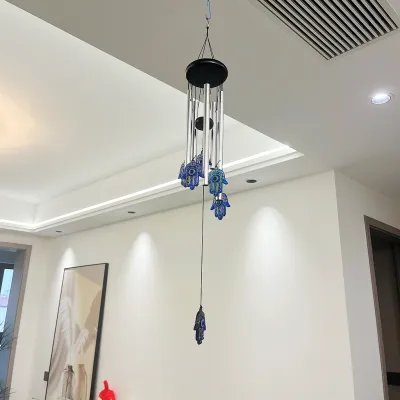
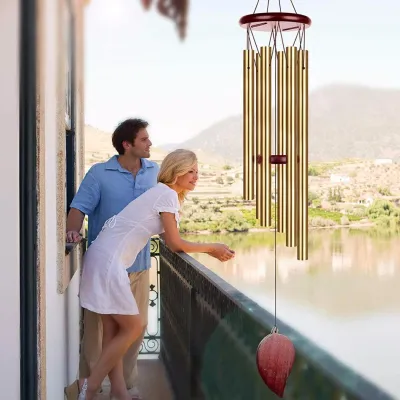


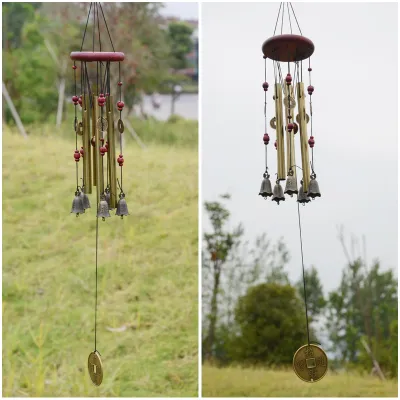

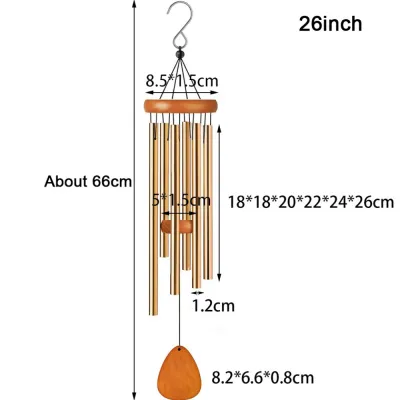

Prices are valid at publication and may change. Please refer to the product page for the latest price.
Metal wind chimes, typically crafted from brass, copper, aluminum, or bronze, are highly favored in traditional practices for their clear, resonant tones. According to classical directional maps, metal is associated with the West, Northwest, and North sectors of a building. Placing a metal chime in these areas is traditionally thought to support mental clarity, organization, and personal productivity. When selecting a metal chime, look for high-quality alloys that resist corrosion, especially in humid tropical climates where moisture can quickly tarnish unprotected surfaces.
Wood and bamboo wind chimes offer a much deeper, hollow, and organic sound that blends seamlessly with natural surroundings. These materials are traditionally linked to the East, Southeast, and South sectors of the home, which represent growth, vitality, and family harmony. Because wood and bamboo are sensitive to extreme moisture and direct sunlight, placing them under a covered patio or a deep balcony overhang will help preserve their structural integrity and prevent cracking over time.
Glass, ceramic, and seashell chimes bring a delicate, artistic quality to a space, often producing light, tinkling sounds. These materials are traditionally associated with the Earth and Fire elements, making them suitable for the Southwest, Northeast, and central areas of your living space. While these placements offer a beautiful way to personalize your decor, always remember that these guidelines are interpretive. Your personal comfort, aesthetic preference, and the physical layout of your home should always take precedence over rigid directional rules.
Indoor Locations for Cultural Harmony and Energy Flow
Bringing wind chimes indoors requires a thoughtful approach to ensure the sound enhances your daily life rather than disrupting it. Unlike outdoor spaces where the wind dictates the chime’s voice, indoor placements rely on gentle drafts, foot traffic, or manual movement to create sound. The goal of indoor placement is to encourage a smooth, gentle flow of energy throughout your living areas while avoiding spots where stagnant air or sudden drafts might cause jarring noises.

The entryway or main foyer is one of the most popular indoor locations for cultural decor. Hanging a small, delicate wind chime near the front door serves as a traditional symbol of welcome, greeting guests with a soft sound as they enter. Practically, it also acts as a natural announcer, letting you know when someone opens the door. To prevent accidents, ensure the chime is hung high enough to clear the heads of your tallest visitors and is positioned slightly to the side of the direct walking path.
Living rooms, hallways, and transitional corridors are also excellent indoor options. These areas often experience natural air movement from open windows or ceiling fans, allowing the chime to whisper softly in the background. Placing a chime in a long hallway can help visually soften the space and break up a monotonous corridor. However, avoid hanging chimes directly above sofas, dining tables, or desks. Sitting directly beneath a suspended object can create a subconscious feeling of unease, and a sudden chime during a quiet meal or a work call can be highly distracting.
Certain indoor areas are traditionally approached with caution or avoided entirely. Bathrooms, for instance, are associated with water drainage and waste in traditional spatial design, making them unsuitable for items meant to elevate energy. Additionally, placing loud or highly active chimes in small, enclosed kitchens can clash with the heat and busy activity of cooking. Focus instead on open, well-ventilated communal spaces where the gentle acoustics can be appreciated without overwhelming the room.
Outdoor and Transitional Spaces for Natural Breezes
Outdoor areas are the natural home of windchimes, where they can fully interact with the elements. Balconies, porches, and patios serve as excellent transitional zones, catching the natural breezes that circulate around your home’s exterior. In high-rise apartments, a balcony is often the primary connection to the outdoors, making it a highly sought-after spot for hanging decorative chimes.
When placing a wind chime on a balcony or porch, observe the local wind patterns for a few days before finalizing the installation. A spot that receives a gentle, steady breeze is ideal. If you hang a lightweight chime in a high-wind corridor, it may chime constantly and loudly, which can quickly lead to acoustic fatigue. Conversely, placing a heavy chime in a deeply recessed corner might mean it rarely makes a sound at all. Finding a middle ground ensures a balanced, pleasant acoustic experience.
Gardens, pathways, and courtyard areas offer a beautiful backdrop for larger, deeper-toned chimes. Hanging a chime from a sturdy tree branch or a dedicated garden arch can mark a transition from the busy outside world to your private sanctuary. When using outdoor structures, ensure the branch or hook can easily support the weight of the chime, especially during sudden tropical downpours or gusty monsoon seasons. Protecting your outdoor chimes from direct, prolonged exposure to heavy rain will extend their lifespan and keep them looking their best.
Practical Installation and Neighborhood Considerations
Installing a wind chime safely requires careful attention to hardware, structural limits, and community living standards. Because wind chimes are suspended loads, improper installation can lead to falling hazards, property damage, or personal injury. This is particularly critical in high-rise residential buildings, where a falling object from a balcony can have severe consequences.
When installing wind chimes at height or drilling into concrete ceilings and eaves, always follow the manufacturer’s installation instructions, use appropriate load-rated hardware, and consult a qualified professional if you are unsure about structural integrity. Avoid using simple adhesive hooks or thin strings that can degrade under UV exposure and humidity. Instead, opt for stainless steel hooks, sturdy screw eyes, or heavy-duty chains that are rated for outdoor use and can withstand sudden gusts of wind.
Securing your chimes against extreme weather is a vital safety step. During monsoon seasons or high-wind warnings, it is wise to temporarily take down outdoor chimes or secure them tightly to a wall so they cannot swing violently. This prevents the tubes from striking your windows, walls, or balcony railings, which could cause chips, scratches, or structural damage to the chime itself.
Finally, living in close proximity to others means neighborhood etiquette must be a priority. While you might find the sound of metal chimes soothing, your immediate neighbors might find it disruptive, especially during quiet night hours or early mornings. To maintain harmony in your community, consider choosing chimes with softer, organic tones like bamboo or glass, which have a shorter sound carry. Alternatively, you can adjust the clapper size, use a clapper silencer at night, or hang the chime in a more sheltered outdoor area where it only catches moderate daytime breezes.
Frequently Asked Questions (FAQ)
Can I hang a wind chime in my bedroom?
While some traditional practices suggest wind chimes can bring positive energy to any room, placing a sounding wind chime in a bedroom is generally not recommended for practical reasons. The bedroom is a sanctuary dedicated to rest, relaxation, and deep sleep, which require a quiet, low-energy environment. Even a gentle breeze through an open window can trigger a wind chime in the middle of the night, disrupting your sleep cycle. If you love the aesthetic of wind chimes, consider using a silent decorative version without a clapper, or place a traditional chime in your study or living room instead.
Does the number of rods or tubes matter in traditional practices?
Yes, in traditional Feng Shui and Chinese numerology, the number of rods or tubes on a wind chime carries specific symbolic meanings. For example, chimes with five tubes are often associated with the five elements and are used to disperse negative energy, while six or eight tubes are traditionally believed to attract good fortune and prosperity. However, these associations vary widely across different cultural lineages and regional practices. Rather than treating these numbers as absolute rules, it is best to choose a chime that aligns with your personal preference, aesthetic taste, and the specific design intent of the manufacturer.
Community discussion
Share your experience or ask a question. Comments are reviewed before publication.