
Establishing a sacred space at home provides a focal point for mindfulness, gratitude, and daily spiritual practice. The ideal placement for a home Buddhist altar is a clean, quiet, and elevated location—typically within the living room or a dedicated study—where the statue faces an open area, rests against a solid wall, and sits well above waist height. By selecting a respectful position, you create a harmonious environment that supports your practice while blending seamlessly with your living space.
In modern housing layouts, particularly compact apartments and high-density flats, finding the perfect spot requires balancing traditional principles with practical spatial design. Understanding these guidelines allows you to set up your altar with both deep reverence and aesthetic harmony, transforming a corner of your home into a sanctuary of peace.
Foundational Principles for Respectful Altar Placement
The primary objective of setting up a home altar is to establish a clean, tranquil, and highly respectful environment dedicated to daily contemplation and practice. In Buddhist tradition, the altar is not merely a decorative feature; it is treated as the most honored space within the household. It serves as a visual reminder of the Buddha’s teachings, representing wisdom, compassion, and mindfulness. Approaching the setup with a clear, intentional mindset ensures that the physical arrangement reflects this inner reverence.
Products mentioned in this guide
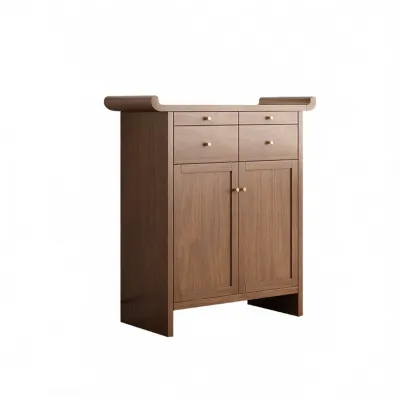

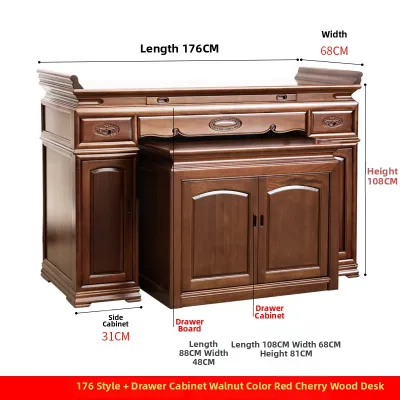
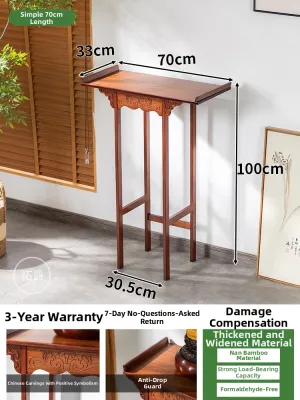
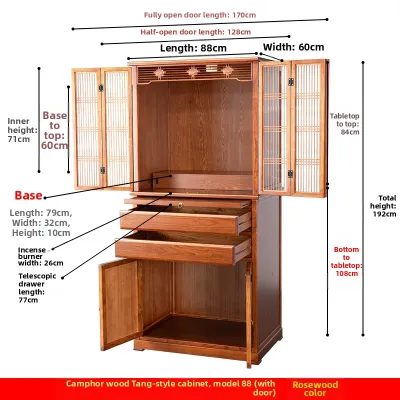
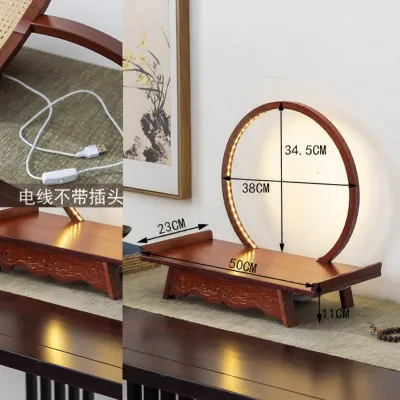
Prices are valid at publication and may change. Please refer to the product page for the latest price.
To maintain the sanctity of this space, physical and energetic cleanliness is paramount. The chosen area must remain free from household clutter, dust, and excessive noise. Placing sacred objects in a chaotic or dirty environment can disrupt the sense of peace required for meditation and chanting. A clean space fosters a clear mind, making it easier to transition from the busy demands of daily life into a state of quiet reflection.
While different Buddhist schools and cultural traditions may offer nuanced guidelines regarding specific deities or lineage practices, sincerity and respect remain the universal foundations. Whether you follow Mahayana, Theravada, or Vajrayana traditions, the core intent is to honor the enlightened qualities represented by the images. When spatial limitations present challenges, prioritizing a clean, dedicated, and highly respectful presentation is always considered the most vital practice.
Ideal Rooms and Locations for Your Home Altar
Selecting the right room is the first practical step in integrating an altar into your home layout. In many modern residences, such as compact apartments and HDB flats, rooms must serve multiple purposes, making thoughtful spatial planning essential.

The Living Room
The living room is often the most suitable location for a home altar. As the central gathering area, it represents the heart of the home and typically receives the most natural light and ventilation. Placing the altar here allows the household to integrate spiritual mindfulness into daily life. To do this successfully without disrupting family activities, position the altar in a dedicated corner or along a quiet wall away from the main television or high-traffic pathways. This keeps the space prominent yet peaceful.
A Dedicated Prayer Room or Study
For those with extra space, a dedicated prayer room or a quiet study offers the ultimate environment for deep meditation and uninterrupted focus. A study is highly compatible with an altar because both spaces share a need for quiet, intellectual clarity, and contemplation. In this setting, you can practice your daily recitations or silent meditation without the distractions of household chores, television noise, or social gatherings.
The Foyer or Entryway
An entryway or foyer can serve as an appropriate location under specific conditions. The area must be spacious, exceptionally clean, well-lit, and free from the chaotic clutter of shoes, keys, and umbrellas. An altar placed near the entrance can offer a calming, protective energy as you enter or leave the home. However, if your entryway is narrow, dark, or serves as a cramped drop zone, it is better to choose a different room to preserve the dignity of the sacred objects.
Creating Sacred Zones in Multi-Purpose Rooms
When a separate room is not available, you can easily define a distinct sacred zone within a multi-purpose room. Utilizing elegant room dividers, open bookshelves filled with spiritual texts, or a dedicated console table helps visually separate the altar from secular activities. This structural boundary preserves the quiet atmosphere of the altar, ensuring that even in a bustling household, your place of practice remains distinct and respected.
Locations and Orientations to Strictly Avoid
To maintain proper reverence and protect your sacred items from physical damage, certain areas of the home must be strictly avoided. These restrictions are based on both traditional principles of purity and practical home maintenance.
Bathrooms and Kitchens
Bathrooms and kitchens are entirely unsuitable for altar placement. Bathrooms are associated with waste, high humidity, and physical cleansing, which directly conflict with the spiritual purity of an altar. Kitchens, while central, expose sacred statues and hanging scrolls to grease, cooking fumes, heat, and moisture. Over time, these airborne residues will degrade materials like wood, brass, and painted canvas, making preservation difficult and requiring constant, abrasive cleaning.
Bedrooms
Placing an altar in a bedroom is generally discouraged, particularly in shared sleeping spaces or master bedrooms. A bedroom is a private area dedicated to sleep, relaxation, and intimate activities, which can conflict with the formal reverence due to sacred images. If space constraints in a rented room make the bedroom your only option, place the altar inside a small cabinet with doors that can be respectfully closed when you are sleeping, or use a clean, dedicated screen to partition the space.
Under Staircases and Low Beams
Avoid placing an altar directly beneath a staircase, a heavy overhead structural beam, or in cramped, low-clearance areas. Traditionally, walking over sacred objects—as happens when an altar is placed under an active staircase—is considered highly disrespectful. Psychologically and structurally, heavy overhead beams create a sense of downward pressure and constriction, which detracts from the open, uplifting energy that a spiritual space should inspire.
Direct Alignment with Doors
An altar should not be positioned in a direct line facing bathroom or bedroom doors. Opening a door to reveal a bathroom directly opposite a sacred image is considered disrespectful and visually disruptive. Similarly, placing the altar where it directly faces a bedroom door can compromise the privacy of both the sleeping quarters and the practice space. Ensure the line of sight from the altar leads toward open, dignified parts of the home.
Setting the Right Height, Backing, and Direction
Once you have selected the appropriate room, you must determine the precise physical dimensions, height, and orientation of the setup to ensure structural safety and traditional alignment.
Height Requirements
The height of your altar is a crucial factor in demonstrating respect. The altar table or shelf must always be positioned well above waist level. Ideally, when you are standing or sitting in your meditation posture, the main Buddha statue or image should be at or slightly above your eye level. This elevation symbolizes looking up with reverence and humility, ensuring that you do not look down upon the sacred representations during your practice.
Solid Backing
An altar must always rest against a solid, stable wall. This backing symbolizes support, strength, and spiritual stability. Avoid placing the altar directly in front of a window, a glass partition, or in the middle of an open room where there is empty space behind it. A lack of solid backing can make the setup feel physically and visually unstable. If you must place it near a window, use heavy, opaque curtains or a solid wooden screen behind the altar to create a stable backdrop.
Facing Direction
In general practice, the altar should face toward a bright, open, and respectful area of the home, allowing the energy of the space to feel expansive. While some specific traditions or Feng Shui practices emphasize particular compass directions (such as facing East or South), the physical condition of the room takes priority. Facing a clean, well-lit, and clutter-free open space is far more important than forcing a strict compass alignment that forces the altar into a dark, cramped, or awkward corner.
Structural Safety and Anchoring
Safety must be a primary consideration when setting up your altar, especially when using wall-mounted shelves or displaying heavy stone, metal, or solid wood statues.
- Wall Assessment: Before mounting any shelf, verify your wall type. Concrete or brick walls require masonry anchors, while drywall or partition walls require locating structural studs to secure the brackets safely.
- Weight Capacity: Ensure that any wall-mounted shelf is rated for a weight capacity that comfortably exceeds the combined weight of your statues, incense burners, and offering vessels.
- Professional Installation: If you are installing heavy shelving, working at heights, or are unsure of your wall's load-bearing capacity, always consult a qualified professional installer to prevent tipping or falling hazards.
Integrating Lighting and Decor Around the Altar
Integrating the altar into your home decor involves balancing aesthetic harmony with the solemnity of the sacred space. Thoughtful lighting and material choices can elevate the area, making it a beautiful focal point of your home.
Lighting Choices
Lighting around the altar should be warm, steady, and respectful, creating a serene atmosphere. Avoid harsh, high-glare spotlights, rapidly flickering bulbs, or overly dramatic colored lights, which can distract from the solemnity of the space. Instead, opt for soft LED prayer lights, warm-white downlights, or gentle accent lighting. If you are installing fixed electrical wiring or overhead lighting fixtures, always isolate the power at the main distribution board before starting, follow the manufacturer’s installation instructions, and hire a licensed electrician to ensure compliance with local electrical safety regulations.
Material Selection
Select natural, durable materials for your altar table, shelves, and decorative accessories. Materials such as solid teak, oak, brass, ceramic, or natural stone age gracefully and carry a timeless, grounded quality. These materials complement a wide range of interior styles, from traditional to minimalist modern, ensuring that the altar looks cohesive within your home without losing its distinct character.
Decor Harmony and Balance
The altar should always remain the clear focal point of the area. Avoid crowding the space with secular decorations, family photographs, toys, or electronic devices like televisions and gaming consoles. Keep the surrounding decor minimalist and complementary. If you wish to add plants, select simple, elegant green foliage or fresh flowers, ensuring they are kept neat and do not block the view of the main statues.
Displaying Offerings
Use clean, dedicated vessels for your daily offerings, such as water cups, flower vases, and incense burners. These items should match the overall aesthetic of the altar, whether you prefer classic brass or modern, minimalist ceramic. Dedicating these vessels solely for altar use preserves the purity of the offerings and shows respect for the practice.
Step-by-Step Setup and Daily Maintenance Routine
Establishing a structured approach to setting up and maintaining your altar ensures that the space remains a clean, vibrant, and inspiring sanctuary for your daily practice.
Step 1: Preparation and Cleaning
Before placing any sacred items, thoroughly clean the chosen surface and the surrounding area. Wipe down the walls, dust the shelves, and sweep the floor. This physical cleaning process serves as a symbolic purification of your mind and environment, preparing the space to receive the sacred objects.
Step 2: Arrangement Order
When arranging your altar, place the items systematically from the center outward and from highest to lowest priority:
- The Central Figure: Place the main Buddha statue or image in the exact center and at the highest position of the altar.
- Sacred Texts: If you have sutras or sacred texts, place them to the left of the Buddha statue (from the viewer's perspective) or slightly below the main image.
- Offering Vessels: Arrange the offering vessels—such as water cups, incense burners, and flower vases—neatly in front of the statue. Ensure they are aligned symmetrically and do not crowd the central figure.
Step 3: Daily Maintenance Routine
Maintain the sanctity of your altar by establishing a simple, consistent daily care routine. Every morning, offer fresh water in your dedicated cups and replace wilted flowers with fresh ones. Use a dedicated, clean microfiber cloth to gently dust the surface of the altar and the statues. Avoid using harsh chemical cleaners on delicate wood or metal statues; instead, use a dry or slightly damp cloth as recommended by the manufacturer’s care instructions.
Step 4: Verification and Assessment
After completing your setup, step back and assess the space. Observe how the altar feels within the room. Ensure that the arrangement is visually balanced, physically stable, and completely free from household clutter. The space should evoke a sense of calm, clarity, and peace whenever you look at it, confirming that you have successfully established a respectful home sanctuary.
Frequently Asked Questions (FAQ)
Can I place a Buddhist altar in a shared or rented room?
Yes, you can absolutely maintain a Buddhist altar in a shared or rented room, provided you adapt the setup to respect your living situation. If space is limited or you share the room with others, consider using a compact, wall-mounted shelf or a small, respectful cabinet with doors that can be closed when the altar is not in use. This protects your privacy and maintains reverence in a multi-use space. Always prioritize cleanliness and keep the altar away from high-traffic, messy, or cluttered areas. To respect shared living rules, prevent smoke damage, and ensure fire safety, use high-quality LED candles and smokeless incense instead of traditional open-flame candles and heavy incense coils.
Is it necessary to use a specific compass direction for the altar?
While certain traditional schools or Feng Shui practices recommend facing specific compass directions, such as facing East to greet the rising sun or South for auspicious energy, general Buddhist practice prioritizes the practical quality of the space over rigid compass alignment. The most critical factors are cleanliness, quietness, and overall respectfulness. If facing a specific compass direction forces your altar into a dark corner, next to a bathroom, or directly under a heavy structural beam, it is far better to disregard the compass direction. Instead, prioritize placing the altar against a solid wall, in a well-lit area, facing an open and dignified space that supports your daily mindfulness practice.
Community discussion
Share your experience or ask a question. Comments are reviewed before publication.