
Finding the right balance of energy in your living space is a cornerstone of creating a harmonious home. If you are looking to introduce a protective, peaceful, and culturally rich element to your household, the Vajra Knot (金刚结) is an excellent choice. To achieve the best feng shui effect, the optimal placement of a Vajra Knot depends on your specific goals: positioning it at your main entrance shields your home from negative external energy, placing it in the living room fosters family harmony, and displaying it in your home office enhances wisdom and career focus. By understanding the spatial and elemental relationships of this sacred emblem, you can transform your living environment into a sanctuary of balanced Qi.
What the Vajra Knot Represents in Feng Shui
The Vajra Knot, traditionally known in Chinese as the 金刚结, is a sacred knotting pattern deeply rooted in Tibetan Buddhism and broader Asian spiritual practices. Visually, it is characterized by its intricate, interwoven lines that flow seamlessly without a visible beginning or end. This continuous structure mirrors the Endless Knot (Srivatsa), which is celebrated as one of the Eight Auspicious Symbols (Ashtamangala). The geometric perfection of the knot represents the infinite nature of wisdom, the ultimate interconnectedness of all things, and the cycle of longevity and protection.
In the practice of feng shui, the Vajra Knot functions as a subtle yet highly effective harmonizing cure rather than an aggressive or confrontational protective talisman. While some protective symbols rely on sharp imagery or fierce guardians to ward off negative energy, this knot works through the principle of containment and smooth transition. Its balanced, symmetrical loops are believed to catch turbulent, chaotic energy (Sha Qi) and gently circulate it until it becomes peaceful and harmonious. By introducing this ornament into your home, you are not erecting a barrier of conflict; instead, you are inviting a continuous flow of protective, compassionate energy that supports the well-being of everyone under your roof.
Products mentioned in this guide
![[SG] Tibetan Buddhist Vajra Knot 西藏金刚结 (M)](https://img.lazcdn.com/g/p/mdc/0912b6d60878ee83eca8ef8536c67006.png_400x400q80.png_.webp)
![[SG] Tibetan Buddhist Vajra Knot 西藏金刚结](https://img.lazcdn.com/g/p/69fd3307dc0fb0b26a61be718b6f87d0.png_400x400q80.png_.webp)
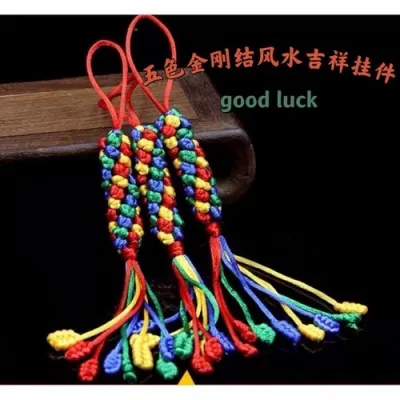
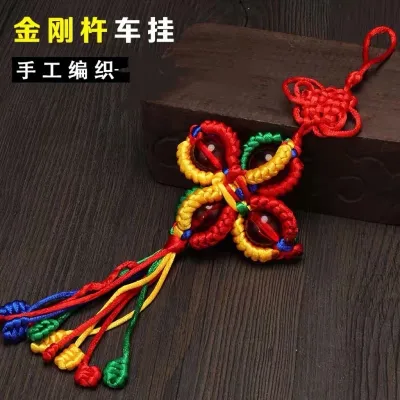
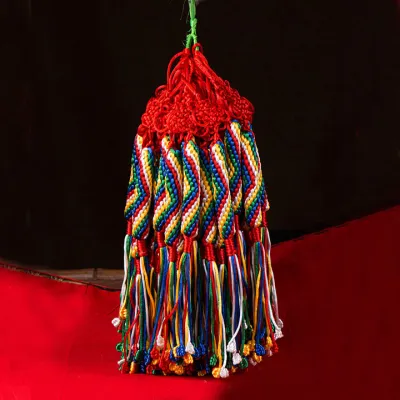
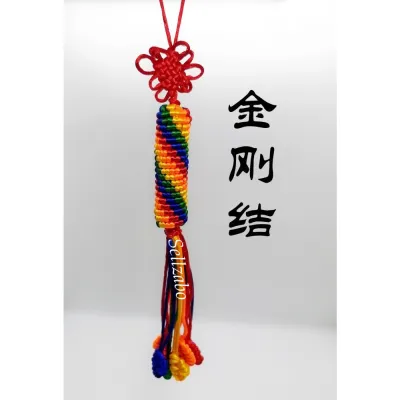
Prices are valid at publication and may change. Please refer to the product page for the latest price.
Ideal Rooms and Positions to Display the Vajra Knot
To harness the full potential of your Vajra Knot ornament, its placement should align with the functional purpose of each room. Different areas of your home govern distinct aspects of your life, from social interactions to personal rest.

Living Room for Harmony and Welcoming Energy
The living room serves as the central hub of your home, where family members gather and guests are welcomed. Placing a Vajra Knot in this space helps to smooth interpersonal relationships, reducing friction and promoting a sense of shared unity. Because the living room is a highly active, social zone, the ornament works best when displayed in a prominent, elevated position where it can oversee the room’s activities.
Consider placing the knot on a stylish console table, a dedicated display shelf, or integrated into a feature wall display. If you choose to hang a larger, framed version of the knot, ensure it is positioned at eye level or higher to maintain its respectful presence. This central placement acts as an energetic stabilizer, helping to ground the conversations and activities of the household, ensuring that the energy remains light, cooperative, and welcoming for everyone who enters.
Bedroom for Relationship Longevity and Peace
In the bedroom, the primary goal of feng shui is to foster deep rest, rejuvenation, and enduring partnership. The infinite loops of the Vajra Knot make it a beautiful symbol for relationship longevity, helping couples maintain a strong, unbreakable bond. However, because the bedroom requires a calm, yin-dominated atmosphere, the placement of the ornament must be handled with care to avoid over-stimulating the space.
An ideal location is on a bedside table, inside a dressing area, or on a quiet corner shelf. It is best to avoid placing the knot directly facing the bed or hanging it directly over your headboard, as this can sometimes create an overly active protective presence that interferes with restful sleep. Additionally, ensure the surrounding area is kept clean and free of clutter, allowing the peaceful energy of the knot to radiate throughout the room without obstruction.
Home Office or Study for Wisdom and Career Flow
For those seeking to enhance their professional life, academic pursuits, or creative endeavors, the home office or study is the perfect environment for a Vajra Knot. The symbol’s association with endless wisdom and continuous learning makes it a powerful tool for overcoming mental blocks and navigating professional obstacles. It serves as a visual and energetic reminder of perseverance and strategic thinking.
You can place a smaller, hand-tied knot directly on your desk, position a framed ornament on a bookshelf behind your seating area, or hang it on a wall within your line of sight. Placing it behind your desk is particularly beneficial in feng shui, as it acts as a symbolic “mountain” of support, shielding you from workplace politics and giving you the confidence to tackle complex projects. This positioning helps maintain a steady flow of focus, allowing you to approach your daily tasks with clarity and calm determination.
Main Entrance for Shielding and Protection
The main entrance, or foyer, is considered the “mouth of Qi” in feng shui, as it is the primary gateway through which all external energy enters your home. In urban environments, such as high-density housing in Singapore, entryways often face elevators, stairwells, or long corridors that can channel fast-moving, harsh energy directly toward your front door. Placing a Vajra Knot near the main entrance acts as a protective shield, filtering this incoming energy before it circulates into your living spaces.
You can hang the knot securely on the wall adjacent to the door, place it on an entryway shoe cabinet, or integrate it into a decorative foyer display. By positioning it here, the ornament serves as a spiritual filter, neutralizing negative influences while welcoming positive, auspicious opportunities into your household. This creates a clear energetic boundary between the busy outside world and the peaceful sanctuary of your home.
Aligning Directions and Materials with Your Goals
To further customize the feng shui benefits of your Vajra Knot, you can align its physical material and color with the traditional compass directions of the Bagua map. Each direction of your home corresponds to a specific life aspiration and is governed by one of the Five Elements (Wood, Fire, Earth, Metal, and Water).
- Northwest (Metal): This sector governs helpful people, mentors, and travel. A Vajra Knot made of polished brass, copper, or silver-finished metal is highly effective here, as it strengthens the natural metal element of the sector, attracting supportive influences into your life.
- Southwest (Earth): This area represents love, relationships, and marriage. Utilizing a red string knot or a ceramic, stone, or crystal ornament in this corner enhances the earth element through the fire-produces-earth cycle, fostering deeper emotional connections and stability.
- East (Wood): This direction is tied to health and family harmony. A wooden or bamboo-framed Vajra Knot placed in the East supports the natural wood element, encouraging physical well-being and peaceful family dynamics.
When selecting your ornament, always check the manufacturer’s care label and material specifications to ensure it is suitable for your specific indoor environment. If you are hanging a heavy metal or wooden piece on a wall, verify that the mounting hardware is rated for the ornament’s weight to prevent any safety hazards. For installations near light fixtures or electrical outlets, maintain a safe distance and consult a qualified professional if any fixed wiring or structural modifications are required.
Placement Taboos and Areas to Avoid
While the Vajra Knot is a benevolent and protective symbol, respecting its cultural and spiritual heritage is essential for maintaining positive feng shui. Placing the ornament in inappropriate areas can disrupt the flow of energy and diminish its harmonizing benefits.
First and foremost, you should strongly avoid placing the Vajra Knot in utility areas such as bathrooms, kitchens, or utility closets. Bathrooms are spaces of drainage and waste, and placing a sacred symbol here can lead to a depletion of its positive energy. Similarly, the kitchen is dominated by intense heat and water fluctuations, which can create a chaotic elemental environment that conflicts with the knot’s stabilizing nature. Additionally, never place the ornament directly on the floor or in low-lying storage areas, as this is considered highly disrespectful to its spiritual origins.
You should also avoid positioning the knot in dark, heavily cluttered corners or high-traffic walkways where it might be frequently bumped, dusty, or damaged. A damaged or neglected ornament can accumulate stagnant energy (Si Qi), which defeats its purpose as a feng shui cure. To show proper respect and maximize its positive influence, always keep the Vajra Knot displayed at or above waist level, ensuring it remains clean, visible, and well-maintained.
How to Clean and Maintain Your Vajra Knot Decor
Keeping your Vajra Knot physically clean is vital to preserving both its aesthetic appeal and its positive energetic properties. Over time, dust and grime can accumulate on the intricate loops, which can symbolically cloud the clarity of the energy it projects.
To clean your ornament safely, always prioritize gentle, non-abrasive methods tailored to the specific material:
- Metal Ornaments: Use a soft, dry microfiber cloth to gently buff away dust and fingerprints. Avoid using harsh chemical cleaners or liquid polishes unless specifically recommended by the manufacturer, as these can strip away protective coatings or patinas.
- Wooden and Fabric Ornaments: A soft-bristled brush or a static duster is ideal for reaching into the tight crevices of wooden carvings or hand-woven red string knots. Keep these materials away from excess moisture to prevent warping or mold growth.
- Crystal and Glass Ornaments: Wipe gently with a damp, lint-free cloth, and dry immediately to prevent water spots.
In addition to physical cleaning, many practitioners choose to perform traditional, reversible energy-cleansing practices to refresh the ornament’s vitality. You can place the knot in a spot where it can receive gentle morning sunlight or soft moonlight for a few hours. This simple ritual, grounded in cultural tradition, helps to revitalize the item’s symbolic energy. If you notice any signs of material degradation, cracking, or if the wall mounting structure becomes loose, stop using the display immediately and consult the manufacturer or a professional installer to ensure the piece remains securely and safely hung.
Frequently Asked Questions (FAQ)
Can I hang a Vajra Knot in the bathroom or kitchen?
No, it is highly recommended to avoid hanging a Vajra Knot in these areas. In feng shui, bathrooms are primary zones of drainage and water elimination, which can symbolically wash away or weaken the protective and harmonizing energy of the knot. Kitchens, on the other hand, feature strong, conflicting elements of fire and water, along with grease and cooking fumes. Placing a sacred decorative item in these spaces can lead to rapid physical deterioration and disrupt the peaceful, stabilizing intentions of the symbol.
Does the color of the Vajra Knot affect its feng shui properties?
Yes, the color of the ornament plays a significant role in how it interacts with your home’s energy. A classic red Vajra Knot represents the fire element, which is traditionally associated with vitality, warmth, protection, and the warding off of negative influences. This is ideal for entryways or active social spaces. A gold or yellow knot represents the earth element, which symbolizes stability, grounding, wealth, and abundance, making it perfect for living rooms or study areas where you want to foster steady, long-term growth. Match the color to your specific room’s decor and feng shui goals for the best results.
Community discussion
Share your experience or ask a question. Comments are reviewed before publication.