
Finding the right bedroom decoration clock is more than a matter of keeping time; it is about completing the visual narrative of your personal sanctuary. The ideal clock acts as a quiet design anchor that harmonizes with your furniture, wall colors, and lighting. To make the right choice, you must evaluate the materials, shapes, and tones already present in your room, and then balance these aesthetic traits with silent, sleep-friendly functionality.
Diagnose Your Bedroom's Core Design Aesthetic
Before browsing online marketplaces or local decor boutiques, take a close look at the physical elements that define your bedroom. Start by identifying the dominant materials in the space. If your room features a platform bed made of light oak, woven rattan baskets, and linen curtains, your aesthetic leans heavily toward natural textures. Conversely, if your bedside tables feature powder-coated steel legs, glass tops, or polished acrylic surfaces, your room carries a more contemporary, manufactured feel.
Next, observe the lines and shapes that structure your room. A bedroom filled with sharp angles, rectangular headboards, and floating shelves has a structured, geometric layout. On the other hand, a space with arched mirrors, rounded bolster pillows, and soft, flowing drapery relies on organic curves. Distressed wood finishes or visible grain patterns introduce tactile depth, suggesting a preference for rustic or lived-in textures over pristine, flat surfaces.
Products mentioned in this guide
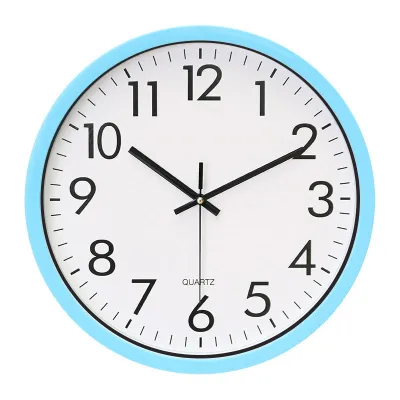

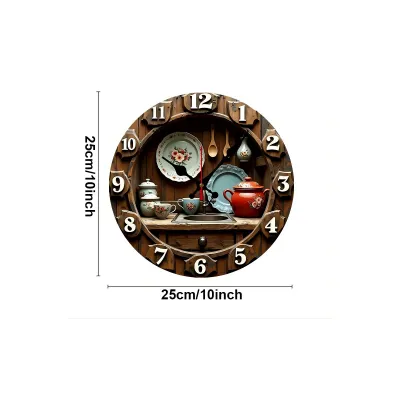
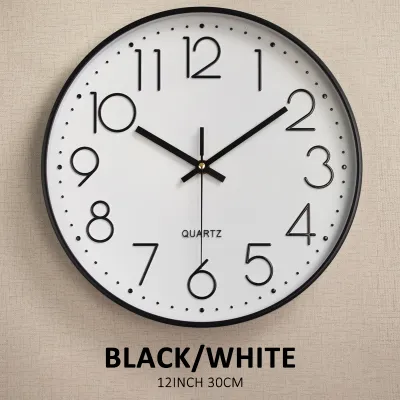
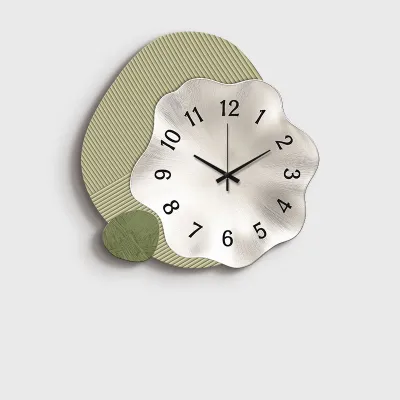
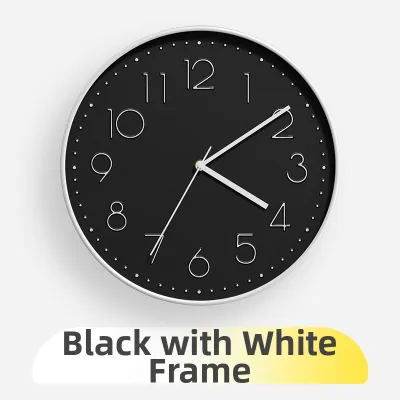
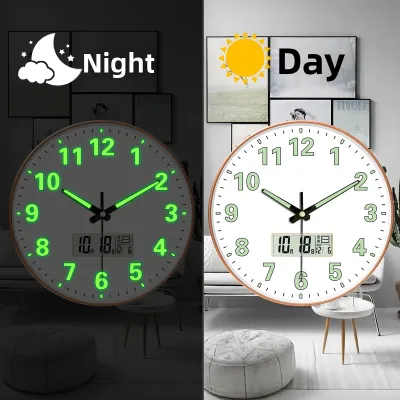
Prices are valid at publication and may change. Please refer to the product page for the latest price.
Finally, analyze your color palette and contrast levels. Take note of whether your walls and bedding lean warm, cool, or neutral. A warm palette might include terracotta, beige, and soft cream, while a cool palette often features slate gray, navy, or crisp white. High-contrast rooms—such as those pairing deep charcoal walls with bright white sheets—require a clock with strong visual presence, whereas low-contrast, monochromatic spaces benefit from a timepiece that blends softly into the background.
Match Clock Designs to Your Identified Theme
Once you have mapped out your bedroom’s visual DNA, you can begin matching these characteristics to specific clock designs. Rather than searching for generic style labels, focus on the physical attributes of the clock itself. Many manufacturers use broad marketing terms that may not align with your specific interpretation of a style, so it is essential to inspect product specifications, material lists, and close-up photos.

Use the following style breakdowns to align your bedroom’s materials, shapes, and colors with the right timepiece. Pay close attention to the frame material, dial design, and hand shapes described in the product details to ensure a cohesive match.
Minimalist and Scandinavian Spaces
For bedrooms designed around simplicity, utility, and natural light, the ideal clock should maintain an uncluttered, peaceful presence. Look for clean dials that feature minimal markings, simple tick marks, or no numerals at all. Slim, unobtrusive hands made of thin metal or light wood ensure the face remains legible without feeling visually crowded.
Prioritize natural, tactile materials that reflect Scandinavian design principles. Matte ceramic casings, light birch or ash wood frames, and soft, muted dial colors like sage green, pale gray, or warm cream work exceptionally well. These materials diffuse light softly rather than reflecting it harshly across the room.
Avoid clocks with heavy, ornate frames, deep shadows, or complex digital displays. Exposed gears, ticking pendulums, or highly reflective chrome bezels can disrupt the calm, meditative atmosphere of a minimalist sleeping space. The goal is a timepiece that feels like a natural extension of the wall or bedside table.
Vintage and Rustic Spaces
If your bedroom evokes a sense of nostalgia, warmth, or traditional comfort, look for a clock that carries historical character. Timepieces with distressed finishes, antique brass hardware, or rich, dark wood casings complement these spaces beautifully. Classic dials featuring Roman numerals or elegant, serif-style Arabic numbers add an authentic vintage touch.
Traditional shapes are highly effective in these environments. Consider a classic carriage clock for your nightstand, a domed glass tabletop clock, or a round wall clock with a gently weathered frame. These shapes evoke a sense of craftsmanship and permanence that aligns with rustic decor.
When selecting a vintage-style clock, ensure the patina or artificial aging effect looks convincing and matches your existing decor. If your room features genuine antique brass drawer pulls, a clock with a bright, shiny gold plastic frame will look out of place. Aim for material consistency so the clock feels like a curated heirloom rather than a modern afterthought.
Industrial and Modern Spaces
Urban, industrial, and highly contemporary bedrooms demand clocks with bold structures and raw, honest materials. For an industrial theme, look for clocks featuring exposed mechanical gears, open wireframe structures, or concrete casings. Raw metal finishes such as matte black iron, brushed copper, or gunmetal gray pair exceptionally well with exposed brick or concrete-look walls.
If your space leans more toward sleek, high-end modernism, focus on bold geometric shapes and clean, frameless designs. Clocks with high-gloss acrylic faces, brushed aluminum hands, or asymmetrical shapes make a striking artistic statement. These designs treat the clock as a piece of functional sculpture rather than a traditional timepiece.
Always verify that the visual weight of the clock balances with your other furniture. A delicate, thin-framed clock can easily get lost next to a heavy, dark wood headboard or a chunky concrete bedside table. Choose a clock with enough structural presence to hold its own against the room’s bolder architectural elements.
Verify Practical Features for a Sleep Environment
While aesthetic harmony is crucial, a bedroom clock must also support high-quality sleep. The most beautiful clock becomes a nuisance if its functional features disrupt your rest. First and foremost, check the product specifications for the movement mechanism. Look for terms like “silent sweep movement” or “non-ticking quartz movement.” Traditional step movements produce a distinct, rhythmic ticking sound that can be highly distracting in a quiet room, whereas sweep movements glide continuously and silently.
Next, carefully evaluate any lighting or display features. If you prefer a digital clock or a model with a backlight, ensure it offers adjustable brightness or an auto-dimming function. Bright blue or white LED displays can emit significant blue light, which can interfere with your natural sleep cycle. Opt for soft amber, warm red, or dimmable displays that only illuminate when a button is pressed.
Finally, compare the clock’s physical dimensions against your intended placement area. If you are placing a table clock on a compact bedside table, measure the available surface area to ensure you have room for other essentials like a lamp, a water glass, or a book. For wall-mounted clocks, verify the weight of the timepiece and ensure your wall type can safely support it, especially if you live in a high-humidity environment like Singapore, where moisture can affect wall anchors and adhesive hooks over time. If you are mounting a heavy clock at height, ensure you follow the manufacturer’s installation instructions or consult a professional to prevent any safety hazards.
Finalize Your Bedroom Decoration Clock Shortlist
Before making your final purchase, take a few steps to ensure the clock will look and perform as expected in your home. Start by taking a photo of your bedroom from the angle you most frequently view it. Hold your phone up with a picture of the shortlisted clock overlaying the spot where it will live to help you visualize the scale, color contrast, and material harmony in real-time.
Next, read the product labels and care instructions carefully. In humid climates, certain materials require more attention; untreated wood can warp, and low-grade metals may rust if exposed to high moisture levels. Confirm that the clock’s materials are suitable for your room’s typical humidity and dust conditions, and check if it requires specialized batteries or power connections.
Lastly, review the retailer’s return policy before checking out. Online images can sometimes distort colors, and a finish that looks like warm brass on screen might arrive looking like bright yellow gold. Whether you are spending S$30 on a simple bedside clock or investing in a premium designer piece, knowing you can easily return or exchange the clock if the physical texture or silent mechanism does not meet your expectations provides peace of mind during your shopping journey.
Frequently Asked Questions (FAQ)
Can I mix different design styles in my bedroom decor?
Yes, you can successfully mix design styles by using your clock as either a subtle coordinator or a deliberate focal point. If you want a cohesive look, choose a clock that shares at least one visual element—such as a matching wood tone or metal finish—with your existing furniture. If you prefer an eclectic look, a bold, contrasting clock can serve as an eye-catching accent piece that breaks up visual monotony.
How do I clean and maintain different clock materials?
Regular maintenance keeps your clock looking pristine and operating smoothly. For wood, metal, and glass surfaces, use a dry, lint-free microfiber cloth to gently remove dust. Always check the manufacturer’s care label before applying any liquid cleaners, polishes, or damp cloths, as moisture can damage delicate movements or strip protective finishes. If your clock features exposed mechanical gears, delicate antique finishes, or complex electronic components, stop and consult a professional clock restorer or the manufacturer for specialized care instructions.

Community discussion
Share your experience or ask a question. Comments are reviewed before publication.