
Selecting the ideal home fragrance is more than a matter of personal taste; it is about aligning the sensory profile of a scent with the physical characteristics and daily functions of your living space. In Singapore’s unique residential landscape, where compact apartments and modern condominiums often feature open-plan layouts and transition rapidly between air-conditioned comfort and tropical humidity, choosing the right BioAire essential oil or room spray requires a thoughtful approach. By matching specific fragrance families to the purpose of each room, reading product labels for concentration and format, and observing essential safety protocols, you can create a cohesive and inviting atmosphere that enhances your home’s decor and daily living experience.
An effective home fragrance strategy does not rely on a single, universal scent for the entire household. Instead, it treats each room as a distinct sensory zone with its own microclimate, traffic patterns, and functional requirements. Understanding how different fragrance families interact with these spatial variables is the first step toward selecting the right product for your needs.
Matching Fragrance Families to Room Functions and Ambiance
To establish a successful olfactory environment, you must first identify the primary activity of each room and select a fragrance family that supports that function. Bedrooms and dedicated relaxation zones require scents that promote tranquility and prepare the mind for rest. Calming fragrance families, such as those dominated by lavender, chamomile, and soft, grounding woods like cedarwood or sandalwood, are ideal for these spaces. These scents feature low volatility, meaning they linger gently in the air to create a quiet, comforting backdrop that complements soft lighting and warm textiles without overwhelming the senses.
Products mentioned in this guide
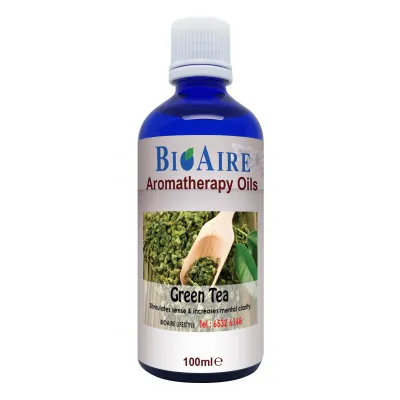
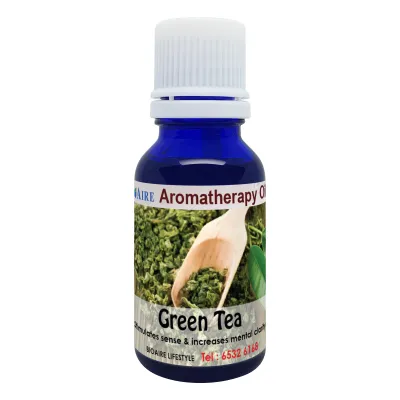


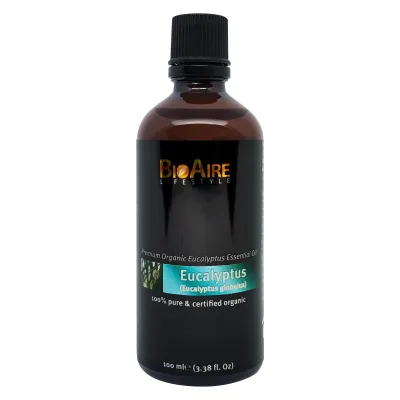
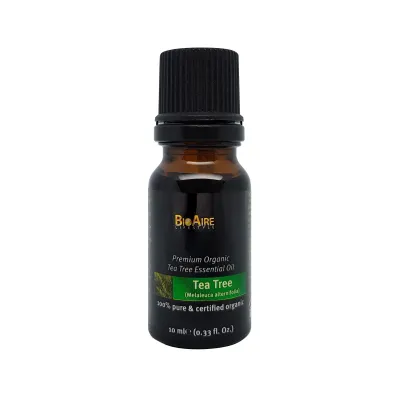
Prices are valid at publication and may change. Please refer to the product page for the latest price.
Active and social spaces, such as living rooms, dining areas, and home offices, benefit from more uplifting, neutral, or intellectually stimulating scent profiles. Citrus-based families featuring bergamot, sweet orange, or grapefruit bring a bright, clean energy that pairs naturally with daytime sunlight and open windows. For a more sophisticated, spa-like ambiance that suits diverse social gatherings, light florals like jasmine or green tea and white tea profiles offer a balanced, refreshing presence. These scents are prominent enough to mask everyday household odors but subtle enough to remain pleasant during extended conversations or work sessions.
High-humidity or odor-prone areas, such as bathrooms and kitchens, demand robust, fresh, and highly volatile scent profiles that can actively cut through dampness and cooking aromas. Crisp, herbal families dominated by eucalyptus, peppermint, lemongrass, and tea tree are highly effective in these environments. Lemongrass, in particular, is a popular choice in tropical climates for its sharp, clean character that instantly neutralizes musty air. These high-volatility scents disperse rapidly, providing an immediate sensation of cleanliness and freshness in spaces that experience frequent moisture buildup.
While matching scents to room functions provides a reliable framework, personal preferences and sensory limits must always guide your final choice. If a recommended scent family causes discomfort or simply does not appeal to you, prioritize your personal comfort over conventional design rules. Additionally, managing scent fatigue—the natural process where your nose becomes desensitized to a continuous fragrance—is crucial for long-term enjoyment. To prevent this, avoid running diffusers continuously in frequently occupied spaces, and opt for intermittent diffusion cycles or lighter concentrations that keep the sensory experience fresh.
How to Read BioAire Labels for Ingredients and Formats
Before purchasing a home fragrance product, reading and interpreting the product label is essential to ensure compatibility with your diffusion equipment and spatial needs. Understanding the structure of the fragrance notes listed on the packaging allows you to predict how the scent will evolve in your room over time. Fragrance profiles are typically divided into top, middle, and base notes. Top notes, such as citrus and light herbs, provide the immediate, sharp impression when first diffused but evaporate quickly. Middle notes, often florals or spices, form the heart of the fragrance and emerge as the top notes fade, while base notes, like heavy woods and musks, provide the lasting foundation that clings to the space for hours.

Identifying the delivery format on the label is equally important for matching the product to your room size and equipment. Water-soluble essential oils are specifically formulated with emulsifiers to mix evenly with water, making them ideal for ultrasonic humidifiers and diffusers commonly used in air-conditioned rooms. Pure, undiluted essential oils are designed for waterless nebulizers, which disperse a highly concentrated mist suitable for larger open-plan areas. Ready-to-use room sprays, on the other hand, are formulated with alcohol or water carriers for instant, localized manual application, making them perfect for quick refreshes before guests arrive.
Label checks should also include verifying the volume, concentration indicators, and any manufacturer claims regarding expected longevity. A highly concentrated oil blend requires fewer drops per use, making a smaller 10ml bottle highly cost-effective compared to larger, highly diluted alternatives. Look for clear volume measurements and concentration terms on the packaging to evaluate the true value of the product. Be cautious of universal longevity claims, as the actual duration of any scent is heavily influenced by your room’s specific environmental conditions rather than the liquid alone.
Finally, always locate the allergen warnings, ingredient transparency lists, and specific usage instructions on the back of the bottle. Responsible manufacturers list potential allergens, such as limonene, linalool, or geraniol, which are naturally occurring compounds in many essential oils that can trigger sensitivities in some individuals. Checking these details helps you avoid adverse reactions and ensures you are using the product strictly according to the manufacturer’s intended guidelines, preserving both your safety and the lifespan of your diffusion devices.
Safety, Pet, and Material Compatibility Checks Before Spraying
Introducing any airborne fragrance product into your home requires a careful assessment of safety boundaries, particularly regarding ventilation, sensitive household members, and pets. Proper airflow is essential when diffusing oils or using room sprays, especially in enclosed, air-conditioned rooms where volatile organic compounds can easily accumulate. If your household includes young children, elderly individuals, or anyone with pre-existing respiratory sensitivities such as asthma, always start with a very low concentration and ensure a window is cracked to maintain continuous fresh air exchange.
Pet owners must exercise extra caution, as many common essential oil compounds that are pleasant for humans can be highly toxic to dogs and cats. Animals metabolize these compounds differently, and their highly sensitive respiratory systems and skin can react poorly to airborne oils. Compounds found in tea tree, eucalyptus, citrus, pine, and cinnamon oils are known to pose risks to pets if inhaled in high concentrations or absorbed through the skin. When diffusing any scent, always keep the device in a well-ventilated area and leave the room doors open so your pets can freely exit the space if the fragrance becomes uncomfortable for them.
Beyond biological safety, you must protect your home’s physical surfaces from potential damage caused by direct contact with essential oils and room sprays. Essential oils are natural solvents and can easily degrade, stain, or strip finishes from delicate materials. Avoid spraying room mists directly onto polished wood furniture, varnished surfaces, acrylic plastics, or delicate textiles such as silk, leather, and fine linen. When placing an active diffuser on a tabletop, always use a protective coaster or decorative ceramic tray to catch any condensation or accidental drips that could mar the surface underneath.
Establishing clear stop conditions is the final element of a safe home fragrance routine. If you, your family members, or your pets experience symptoms such as headaches, watery eyes, persistent coughing, sneezing, skin irritation, or lethargy, immediately turn off all diffusers, open all windows to ventilate the space, and move to an area with fresh air. If symptoms persist or if a pet shows signs of respiratory distress, halt the use of the product entirely and consult a medical professional or a qualified veterinarian before attempting to introduce any home fragrances again.
Building a Cohesive Room-by-Room Scent Strategy
Creating a harmonious sensory experience throughout your home requires a strategic approach that prevents different fragrances from clashing as you move from room to room. In modern open-concept homes, where the living room, dining area, and kitchen often share a single continuous space, using highly contrasting scents simultaneously can result in an unpleasant, chaotic olfactory environment. To maintain a smooth transition, select complementary scent families that share common undertones, such as transitioning from a citrus-forward living room to a green tea dining space, or keeping the entire home within a soft, woody theme.
Adjusting your spray frequency and diffuser dosage based on the physical dimensions and airflow of each room is key to maintaining the right fragrance intensity. A small, enclosed study or powder room requires only a minimal amount of fragrance—perhaps a single spritz of a room spray or a low-intensity setting on a small diffuser—to avoid becoming overwhelming. Conversely, a spacious living room with high ceilings and active ceiling fans will disperse scent rapidly, requiring a more consistent diffusion method, such as an ultrasonic diffuser placed centrally to allow the air currents to distribute the aroma evenly.
To prevent olfactory adaptation and keep your home feeling inviting, establish a routine for rotating your scents. You can align your fragrance choices with the time of day, utilizing bright, energizing citrus or herbal notes in the morning to help you wake up, and transitioning to warm, soothing lavender or sandalwood in the evening to signal a shift to rest. Alternatively, rotating your scent profiles every few weeks keeps your sensory receptors active, ensuring that you and your guests can always appreciate the subtle design elements of your home’s fragrance.
Proper storage is the final step in preserving the quality and longevity of your essential oils and room sprays. Exposure to heat, direct sunlight, and oxygen can cause the delicate organic compounds in essential oils to oxidize, which alters their scent profile and reduces their effectiveness. Store your bottles in a cool, dark cupboard or drawer away from window sills, air conditioning exhaust vents, and kitchen appliances. Keeping the caps tightly sealed immediately after use prevents evaporation and ensures that your home fragrance collection remains fresh and potent for its intended lifespan.
Frequently Asked Questions (FAQ)
Can I mix different BioAire scents in the same room?
Mixing different scents simultaneously in the same room or blending multiple oils in a single diffuser tank without a professionally formulated recipe is generally not recommended. Doing so often results in a muddy, unbalanced fragrance profile where individual notes clash rather than harmonize. If you wish to transition from one scent to another, it is best to let the first fragrance dissipate completely, or use complementary scents in separate, distant corners of a large room to allow them to blend subtly in the air rather than in the diffuser.
How long does a typical room spray scent last?
The longevity of a room spray scent is highly variable and depends on several environmental factors rather than a fixed time frame. In rooms with high humidity, active air conditioning, or strong cross-ventilation, the scent molecules will disperse and fade much faster. Additionally, spaces with soft furnishings, such as carpets, curtains, and fabric sofas, will retain scents longer as the fibers absorb and slowly release the fragrance over time. To manage your expectations, check the product label for any specific manufacturer guidelines regarding application frequency.
Are BioAire room sprays safe to use on bed linens and upholstery?
Before applying any room spray directly to fabrics, you must check the product label for explicit fabric-safe indications, as some formulations contain oil concentrations or carriers that can leave permanent stains or discolorations. If the label does not forbid fabric application, always perform a spot test first. Spray a small, inconspicuous area on the underside of the cushion or a hidden corner of the linen, allow it to dry completely, and inspect the material under good lighting to ensure there is no staining, residue, or color bleeding before proceeding with a wider application.
Community discussion
Share your experience or ask a question. Comments are reviewed before publication.