
While glass, metal, and fully glazed ceramic are generally the most reliable materials for preserving scented candle fragrance due to their non-porous nature, the actual effectiveness of a candle cover depends heavily on the lid’s fit, weight, and surface treatment rather than just the material name. A heavy, well-fitted metal lid will easily outperform a loose glass one, and untreated wood can actually absorb your candle’s scent over time. To keep your favorite home fragrances from fading, you need to understand how different materials interact with volatile fragrance oils and how to ensure your candle cover forms a proper, airtight seal.
What Actually Keeps the Fragrance Locked In?
To understand why certain materials perform better than others, it helps to look at the physical behavior of scented candles. Scented candles are made by blending wax with fragrance oils, which consist of volatile organic compounds. These compounds are designed to evaporate easily when heated, releasing the aroma we enjoy. However, even at room temperature, these oils slowly evaporate from the surface of the wax. Without a proper candle cover, a candle left open to the air will gradually lose its scent throw, leaving you with a faint, uninspiring aroma when you finally light it.
Porosity is the most critical material property when it comes to scent preservation. A porous material contains microscopic gaps, pores, or channels that allow air, moisture, and oils to pass through. When volatile fragrance molecules come into contact with a porous surface, they can penetrate the material, becoming trapped or escaping into the surrounding environment. Non-porous materials, by contrast, present a solid, impenetrable barrier that forces the fragrance molecules to remain within the jar.
Products mentioned in this guide
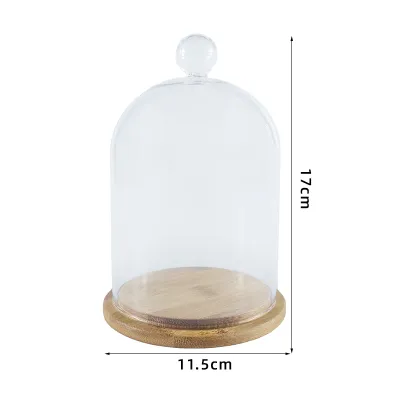
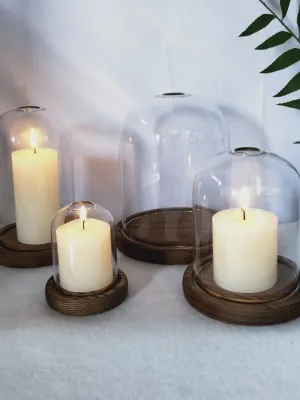
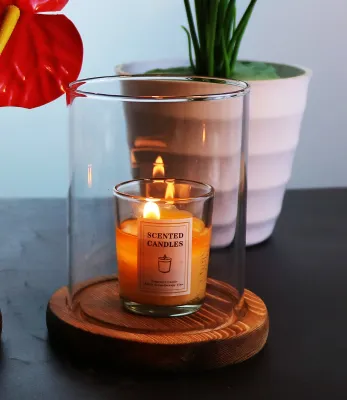
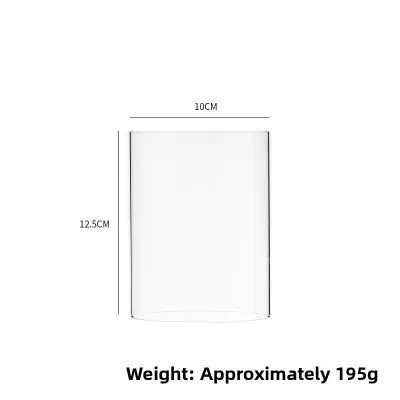
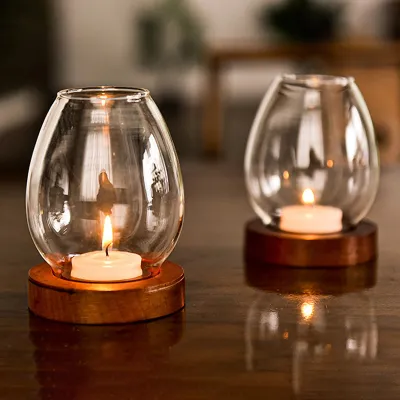
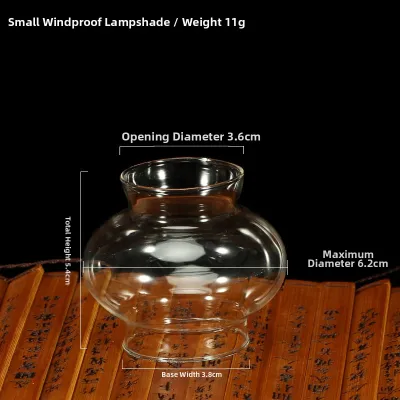
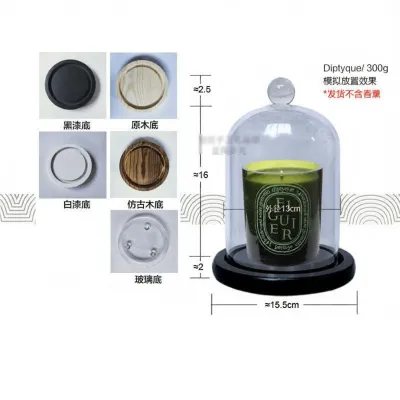
Prices are valid at publication and may change. Please refer to the product page for the latest price.
Beyond the material itself, the physical fit and snugness of the cover dictate how much scent escapes. Even the most impermeable material will fail to preserve fragrance if there is a physical gap between the lid edge and the jar rim. Air currents in your home can enter through these tiny gaps, creating a continuous cycle of evaporation. A snug fit minimizes this air exchange, keeping the air inside the jar saturated with fragrance molecules, which naturally halts further evaporation from the wax surface.
Weight and gravity also play a significant role in creating a natural seal. A heavier lid, such as one made of solid brass, thick glass, or dense ceramic, exerts downward pressure on the rim of the candle jar. This weight helps to compress any minor imperfections along the rim, creating a tighter seal without requiring a flexible gasket. Lighter lids, such as thin aluminum or lightweight wood, lack this gravitational advantage and must rely on mechanical friction or flexible seals to achieve the same level of scent preservation.
How Different Candle Cover Materials Perform
When choosing a candle cover, the material’s density and surface finish are the most critical factors. A smooth, sealed surface prevents the volatile oils in the wax from escaping into the air or being absorbed by the cover itself. Let’s look at how common materials compare in everyday use.

Glass and Metal: The Non-Porous Standards
Glass is widely considered one of the most reliable materials for candle covers. It is naturally non-porous, highly stable, and chemically inert, meaning it will not react with essential oils or synthetic fragrance compounds. A glass lid is incredibly easy to wipe clean of any soot, wax splatter, or oil residue, ensuring that old scents do not linger to contaminate the candle’s profile. Because glass is completely impermeable, it acts as an absolute barrier to evaporation, provided the fit is tight. Many high-quality glass lids feature a ground-glass edge or a small silicone ring to ensure a snug fit against the jar rim.
Metal lids, such as those made of aluminum, brass, or stainless steel, also offer excellent barrier properties. Metals are completely non-porous and are often heavier than other materials, which helps create a reliable gravity seal. However, when using metal lids, it is important to check the interior surface. Raw, untreated metals can sometimes react with acidic fragrance notes or moisture in the air, leading to corrosion or rust over time. Look for metal lids with protective food-safe coatings, lacquers, or plastic liners on the underside to prevent these chemical reactions and keep your fragrance pure.
Ceramic and Wood: Aesthetic Choices with Conditions
Ceramic lids can be excellent for scent preservation, but their performance depends entirely on the finish. To be effective, the ceramic must be fully glazed on the interior surface that faces the wax. Glazing creates a glassy, non-porous barrier that prevents fragrance absorption. If the ceramic is unglazed, such as terracotta or bisque, or has hairline cracks in the glaze, it becomes highly porous. Unglazed clay will actively absorb the volatile fragrance oils from the candle, weakening the scent of the wax and permanently staining or scenting the lid itself, which can lead to scent contamination if you swap lids between different candles.
Wood is a popular aesthetic choice, offering a warm, organic look that complements many home decor styles. However, wood is naturally porous and prone to absorbing moisture and oils. Over time, untreated wood can draw fragrance oils out of the wax, which not only diminishes the candle’s scent throw but can also cause the wood to warp. In humid environments, such as tropical climates, unsealed wood is particularly susceptible to warping and mold. To use a wooden lid effectively, it must be treated with a protective, non-reactive sealant on the underside, and it should ideally be fitted with a flexible silicone ring or gasket to compensate for any natural expansion or contraction of the wood.
How to Check if Your Candle Cover Forms a Proper Seal
To ensure your candle cover is actually doing its job, you can perform a few simple visual and tactile checks. First, place the lid on your candle jar and look closely at the contact point. Is there a visible gap? Gently press down on different sides of the lid to see if it rocks or tilts, which indicates an uneven rim or a warped lid. If you can see light passing through the seal when holding the candle up to a light source, the cover is not airtight and will allow fragrance to escape.
Next, identify if the lid features a built-in silicone gasket, rubber O-ring, or an inner lip. These flexible components are designed to compress against the inner wall or top rim of the jar, compensating for minor imperfections in the glass or lid material. A lid with a high-quality silicone gasket will feel snug and offer slight resistance when you pull it off. If the lid slides off too easily or feels loose, the gasket may be worn out or improperly sized.
Finally, you can use the “sniff test” and check for oil residue to gauge the lid’s performance. To test the effectiveness of your cover, leave the lid on for a few days, then sniff the outside of the closed jar. If you can clearly smell the candle’s fragrance without removing the lid, the seal is leaking. Additionally, inspect the underside of the lid periodically. If you notice a greasy film or oil residue on a porous material like wood or unglazed ceramic, it means the lid is absorbing the fragrance oils rather than trapping them.
Maintaining Your Candle Cover to Prevent Scent Mixing
To prevent old fragrance notes or soot from contaminating your candle, clean the lid regularly. For glass and glazed ceramic, a simple wipe with a damp microfiber cloth and mild dish soap is usually sufficient. Avoid using harsh chemical solvents, which can strip protective coatings on metal lids or dissolve sealants on wooden lids.
If wax has splattered onto the underside of the lid, do not scrape it with sharp metal tools that can scratch the surface. Instead, gently warm the lid with a hairdryer on a low setting to soften the wax, then wipe it away with a paper towel. For metal lids, ensure they are dried completely after cleaning to prevent rust. For wooden lids, avoid soaking them in water; instead, wipe them with a slightly damp cloth and allow them to air dry completely in a well-ventilated space.
Over time, silicone gaskets can degrade, stretch, or become brittle, losing their sealing ability. Wooden lids may warp beyond repair, and metal lids may develop rust spots. If you notice that a lid no longer fits snugly, has visible cracks, or has become heavily saturated with old fragrance oils that cannot be cleaned off, it is time to replace the cover to protect your candle investment.
Frequently Asked Questions (FAQ)
Should I put the lid on immediately after blowing out the candle?
No, you should avoid putting the lid on immediately after extinguishing your candle. When you blow out a candle, a small amount of smoke and soot is released. If you seal the jar immediately, you will trap this smoke inside, which can infuse into the warm, liquid wax and ruin the clean fragrance profile of your candle. Instead, wait a few minutes for the smoke to dissipate and the wax pool to begin cooling and solidifying before placing the cover back on. This ensures that only the pure fragrance is locked inside.
Can I use a flexible silicone cover instead of a hard lid?
Yes, flexible food-grade silicone covers are excellent alternatives for preserving candle fragrance. Silicone is completely non-porous, highly durable, and chemically inert, meaning it will not absorb or react with fragrance oils. Because silicone is flexible, it can stretch to form a tight, airtight seal over irregular jar rims or handmade ceramic vessels that standard rigid lids cannot properly seal. They are also easy to wash and reuse across different candles.

Community discussion
Share your experience or ask a question. Comments are reviewed before publication.