
Quick Answer: Which Diffuser Technology Fits Your Needs?
Finding the perfect scent experience for your home or workspace depends entirely on your personal priorities. There is no single “best” technology; rather, the ideal choice is determined by how you balance scent purity, room size coverage, and your tolerance for daily maintenance. Different technologies vaporize essential oils in distinct ways, directly impacting how far the aroma travels and how strong it feels.
For those seeking maximum scent intensity and coverage for large, open-plan spaces, nebulizing diffusers are the premier choice. If you prefer a versatile, moderate aroma accompanied by a gentle mist that adds light ambient humidity, ultrasonic diffusers are highly effective. For small-space personal use, travel, or low-maintenance setups, evaporative and heat-based diffusers offer practical, compact alternatives that require minimal upkeep.
How the Four Main Diffuser Technologies Work
To make an informed decision, it is essential to understand the mechanical principles behind each diffuser type. These operating mechanisms dictate how essential oils are dispersed, which in turn influences the purity of the aroma and the physical requirements of the device.
Products mentioned in this guide
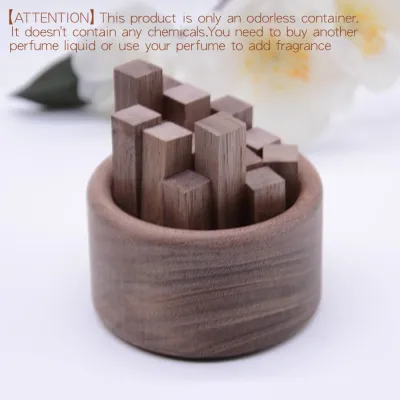
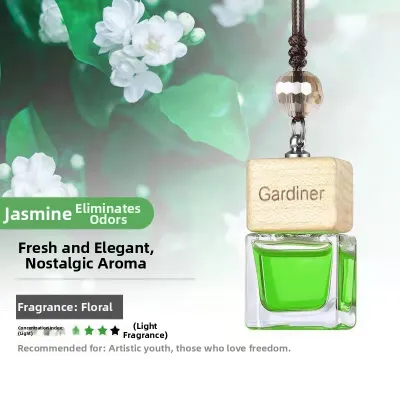
Prices are valid at publication and may change. Please refer to the product page for the latest price.

Ultrasonic Diffusers
Ultrasonic diffusers rely on a small ceramic disk located at the bottom of a water reservoir. When electricity is applied, this disk vibrates at an extremely high electronic frequency. These rapid vibrations create ultrasonic waves that break the water and added essential oil drops into an ultra-fine, cool mist. This mist is then pushed out into the room by a tiny built-in fan. Because the oil is suspended within water droplets, the resulting scent is naturally diluted, providing a softer, more gradual aromatic experience.
Nebulizing Diffusers
Nebulizing diffusers operate on a principle of fluid dynamics known as Bernoulli’s principle, which requires neither water nor heat. A high-pressure air pump forces pressurized air through a narrow tube, creating a vacuum that pulls pure essential oil up from an attached vial. When the oil meets the high-velocity air stream, it is atomized into a microscopic dry mist of pure oil particles. These tiny particles are released directly into the air, delivering an exceptionally potent, undiluted aroma that represents the true profile of the essential oil.
Evaporative Diffusers
Evaporative diffusers utilize a straightforward airflow mechanism to distribute fragrance. The user applies drops of essential oil directly onto an absorbent pad, filter, or cassette. A small motorized fan inside the device then blows ambient air through the saturated pad. As the air passes through, it accelerates the natural evaporation of the oil, carrying the scent out into the room. Because lighter volatile compounds evaporate faster than heavier ones, the top notes of an oil are released first, followed gradually by the middle and base notes.
Heat-Based Diffusers
Heat-based diffusers use thermal energy to encourage the evaporation of essential oils. These devices feature a small tray or basin where the oil is placed, which is positioned directly above a heat source. This heat source can be a traditional candle or a low-wattage electric heating element. As the basin warms, the temperature of the oil rises, causing it to evaporate into the surrounding air. While silent and simple, the application of heat can alter the delicate chemical structures of certain therapeutic oils, sometimes changing the perceived scent profile.
Comparing Scent Intensity and Room Coverage
The performance of any diffuser is ultimately judged by how effectively it fills a room with your chosen scent and whether the aroma matches your desired strength. Understanding the relationship between diffusion mechanics, scent purity, and spatial limits is key to selecting a device that performs reliably in your specific environment.
Scent Intensity and Aroma Purity
The purity and strength of the scent experience vary dramatically between waterless and water-based technologies. Nebulizing diffusers offer the highest scent intensity because they disperse pure, undiluted essential oil directly into the air. This makes them highly favored by aromatherapy enthusiasts who want to experience the complete, unaltered chemical profile of the plant extract. In contrast, ultrasonic diffusers deliver a much softer, more subtle aroma because the oil droplets are heavily diluted by the water in the reservoir.
Heat-based and evaporative models introduce other variables to the scent experience. Gentle heat can accelerate evaporation, but excessive temperatures from lower-quality burners risk scorching the oil, which alters its therapeutic properties and can introduce a slightly burnt undertone to delicate floral or citrus notes. Evaporative diffusers, meanwhile, tend to separate the scent notes over time. Since lighter top notes (such as lemon or peppermint) vaporize at lower temperatures and airflows than heavy base notes (such as patchouli or cedarwood), the fragrance profile will evolve and change as the device runs.
Room Size and Dispersion Range
Matching your diffuser to the physical dimensions of your space prevents both underwhelming performance and overwhelming scent buildup. Nebulizing diffusers are the most effective option for large, open-concept living rooms, high-ceiling spaces, or commercial lobbies. Because they project a dense mist of pure oil particles that remain suspended in the air longer, they can easily cover expansive areas up to 60 square meters or more.
Ultrasonic diffusers are highly suited for medium-sized rooms, such as standard bedrooms, home offices, or enclosed dining areas. Their mist carries well within a 15 to 30 square meter radius, but the scent tends to dissipate as the water droplets settle or evaporate in larger, open spaces. For very small, enclosed environments like bathrooms, walk-in wardrobes, or a personal office desk, evaporative and heat-based diffusers are ideal. They provide localized, close-range scenting without saturating the wider environment. Regardless of the technology type, you should always verify the manufacturer’s specified square footage or square meter coverage listed on the product packaging before purchasing.
Daily Use: Maintenance, Noise, and Oil Consumption
While performance is critical, everyday usability determines whether a diffuser remains a staple of your routine or ends up forgotten in a cupboard. Maintenance habits, operating noise, and the ongoing cost of essential oils are crucial practical factors to weigh before making your choice.
Maintenance Requirements Different technologies demand varying levels of physical upkeep. Ultrasonic diffusers require frequent, regular cleaning of their water reservoirs—ideally every few days—to prevent the accumulation of mold, bacteria, and mineral deposits from tap water. Nebulizing diffusers do not suffer from water mold, but their micro-nozzles are highly susceptible to clogging from dried oil residue. They require periodic flushing with high-percentage isopropyl alcohol to maintain a clear mist. Evaporative diffusers are incredibly low-maintenance, requiring only occasional wipe-downs and periodic replacements of the absorbent scent pads. Heat-based models simply need their oil basins wiped clean with a damp cloth after each use to prevent old, sticky residue from building up.
Operating Noise Levels The acoustic profile of a diffuser can impact your relaxation or sleep quality. Ultrasonic diffusers produce a very soft, rhythmic hum from the internal fan, accompanied by the gentle, soothing sound of trickling water. Evaporative diffusers rely on a fan, which produces a steady, low-level whirring noise that some users find comparable to white noise. Heat-based diffusers are completely silent when electrically powered, making them excellent for quiet study areas. Nebulizing diffusers, however, utilize a mechanical air pump that generates a noticeable vibration hum. While modern high-end nebulizers feature insulated casings to dampen this sound, the mechanical vibration can still be distracting in a completely silent bedroom at night.
Oil Consumption and Running Costs The speed at which a device consumes essential oils directly impacts your long-term running costs. Because nebulizing diffusers disperse pure, undiluted oil, they consume precious essential oils at a much faster rate than other technologies. A small 10ml bottle of oil can be depleted in a matter of days if a nebulizer is run continuously on a high setting. Ultrasonic diffusers are far more economical; they require only three to ten drops of oil mixed into a full tank of water, allowing a single bottle of oil to last for weeks or even months. Evaporative and heat-based models also use oil relatively slowly, though their lower scent output reflects this conservative consumption. Always check the product labels and instructions for oil capacity and estimated run times to gauge ongoing costs.
Diffuser Technology Comparison Matrix
To help you quickly compare these four distinct technologies, the table below outlines their typical characteristics across key decision dimensions.
| Technology Type | Scent Intensity | Ideal Room Size | Water Required? | Noise Level | Maintenance Effort |
|---|---|---|---|---|---|
| Ultrasonic | Moderate | Medium (15–30 m²) | Yes | Very Low (Hum/Drip) | Medium (Weekly cleaning) |
| Nebulizing | High | Large (30–60+ m²) | No | Low to Medium (Pump hum) | Medium (Nozzle flushing) |
| Evaporative | Low to Moderate | Small (Personal desk) | No | Medium (Fan whir) | Low (Pad replacement) |
| Heat-Based | Low | Small (Bathrooms) | No | Silent (Electric models) | Low (Wipe down basin) |
Please note that specific performance metrics, such as exact decibel levels, oil consumption rates, and precise square meter coverage, vary widely by individual brand and model. Always verify these specifications on the product packaging or manufacturer’s documentation before finalizing your purchase.
Decision Framework: Which Technology Should You Choose?
Selecting the right diffuser technology comes down to identifying your primary spatial constraints and lifestyle preferences. Use the following targeted guidelines to determine which device aligns with your daily routine.
Choose Nebulizing If:
- You prioritize maximum scent intensity and want to experience the pure, uncompromised aroma of high-quality essential oils.
- You need to scent a large, open-concept living area, high-ceiling room, or light commercial space.
- You prefer a waterless system that does not require constant refilling.
- You do not mind paying more for ongoing oil consumption and performing regular nozzle maintenance.
Choose Ultrasonic If:
- You want a highly versatile, widely available device suitable for standard bedrooms or home offices.
- You prefer a softer, more delicate fragrance level that is easily adjustable by changing the number of oil drops.
- You enjoy the visual appeal of a gentle mist and the soothing sound of soft water trickling.
- You are comfortable with performing quick, regular water tank cleanings to keep the device hygienic.
Choose Evaporative If:
- You need a highly portable, battery-operated, or USB-powered option for travel, car journeys, or your office desk.
- You prefer a simple, low-maintenance device that does not use water, heat, or high-pressure pumps.
- You want a localized scent bubble that will not disturb colleagues or family members in neighboring spaces.
Choose Heat-Based If:
- You are looking for a completely silent, cost-effective entry-level option for a small space like a powder room.
- You appreciate traditional, decorative aesthetics, such as ceramic candle burners or minimalist plug-in warmers.
- You do not plan to use delicate, heat-sensitive therapeutic oils that could be altered by thermal exposure.
Verify First If:
- You plan to place the device in a high-humidity environment, near household pets, or in a child's bedroom. Always check the manufacturer's safety guidelines and research essential oil toxicity warnings before running any device.
Setup and Safety Checks for High-Humidity Environments
Operating electrical scent devices in a tropical, high-humidity climate like Singapore requires extra attention to safety and environmental factors. Taking a few proactive steps will protect your home, your family, and your devices.
Electrical Safety and Certification Before plugging in any new diffuser, verify that its voltage, plug type, and electrical specifications match local standards. In Singapore, household electricity is supplied at 230V and 50Hz, typically requiring a Type G three-pin plug. Ensure the device carries recognized safety certifications, such as the local Safety Mark, which indicates it has been tested and approved for safe electrical use. Always plug your diffuser into a properly grounded electrical outlet and avoid overloading extension cords.
Moisture and Condensation Management Because local humidity levels are naturally high, adding extra moisture to the air can lead to condensation issues. Avoid placing ultrasonic diffusers directly on untreated solid wood furniture, delicate veneers, or near sensitive electronics. The cool mist can settle on surfaces, potentially warping wood or causing water damage over time. Instead, position your diffuser on a water-resistant tray or coaster, and keep it at least 30 centimeters away from walls and electrical outlets.
Ventilation and Airflow If you run a high-intensity nebulizing diffuser in a small, closed room—especially one that is air-conditioned—ensure there is adequate ventilation. The rapid accumulation of undiluted oil particles in a sealed space can cause scent fatigue, headaches, or mild respiratory irritation. Cracking a door open or running a ceiling fan on a low setting helps circulate the air, keeping the aroma pleasant and safe.
Pet and Child Safety It is vital to recognize that many common essential oils, including tea tree, eucalyptus, ylang-ylang, and citrus oils, are highly toxic to domestic pets, particularly cats, dogs, and birds. Their bodies lack the specific liver enzymes needed to process these concentrated organic compounds. Always consult a qualified veterinarian before diffusing oils in a home with pets. Keep all diffusers, cords, and oil bottles completely out of reach of children and animals, and run devices only in well-ventilated rooms where pets have a clear, unblocked path to leave the space if they find the aroma overwhelming.
Frequently Asked Questions (FAQ)
Can I use any essential oil in a nebulizing diffuser?
No, nebulizing diffusers require high-quality, pure, and relatively thin essential oils to function correctly. Because these devices rely on extremely narrow glass or metal micro-nozzles to atomize the liquid, thick or resinous oils—such as vetiver, patchouli, sandalwood, or jasmine absolute—can easily clog the mechanism. Additionally, you must never use carrier oils (like jojoba, sweet almond, or coconut oil) or synthetic fragrance oils in a nebulizer, as these heavy liquids will quickly ruin the pump. Always check the manufacturer’s viscosity guidelines before using a new oil.
Do ultrasonic diffusers increase room humidity significantly?
While ultrasonic diffusers do release a continuous stream of water mist, their overall impact on room humidity is minimal in standard-sized spaces. Most residential ultrasonic models feature water reservoirs ranging from 100ml to 500ml, which disperse water slowly over several hours. This small volume of moisture is generally negligible compared to the natural ambient humidity of a tropical climate. However, to prevent localized dampness, you should still avoid placing the device directly next to moisture-sensitive paper products, drywall, or high-value electronic appliances.
Community discussion
Share your experience or ask a question. Comments are reviewed before publication.