
Quick Answer: How to Match Vase Styles to Your Decor
Matching a flower vase style to your home requires evaluating your room’s existing aesthetic and balancing it with local environmental factors. For minimalist or Scandinavian spaces, clean-lined glass or matte ceramic vessels offer an elegant, uncluttered look. Oriental and Japandi interiors thrive with textured, organic ceramics that embrace natural imperfections, while industrial or modern eclectic rooms are elevated by metallic finishes or bold geometric concrete. Beyond aesthetics, choosing a vase for a Singapore home requires considering practical constraints like tropical humidity, high-rise apartment lighting, and spatial layouts. The ideal vessel should seamlessly complement your room’s dominant focal points rather than compete with them, turning simple floral arrangements into intentional design statements.
Diagnose Your Home Interior: Identify Your Dominant Aesthetic
Before selecting a flower vase, you must analyze the architectural and decorative language of your room. Singaporean homes often feature open-plan living areas where multiple design influences mingle. Identifying your dominant aesthetic prevents visual conflict. Start by observing the largest surfaces in the room: the walls, flooring, and primary furniture pieces. Are they dominated by cool, neutral tones and sleek surfaces, or do they feature warm woods, textured plasters, and organic shapes?

For minimalist and Scandinavian interiors, look for clean lines, light-toned timbers like oak or beech, and highly functional, streamlined furniture. Surfaces are kept uncluttered, and the color palette relies heavily on whites, creams, soft greys, and muted pastels. If your room prioritizes open space, hidden storage, and abundant natural light, it falls into this category.
Products mentioned in this guide
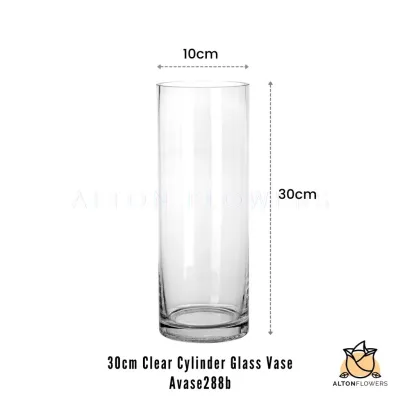
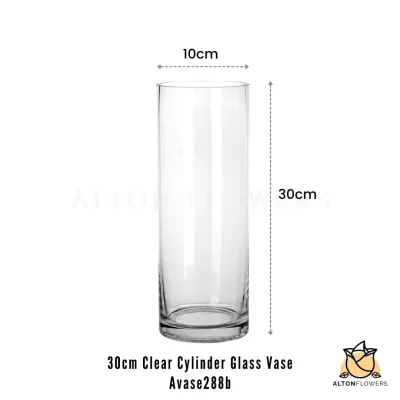
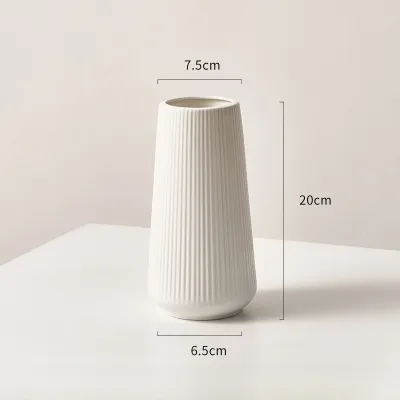
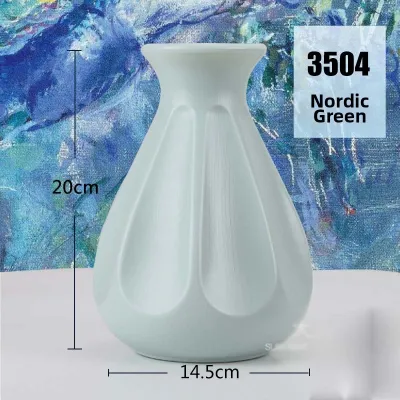
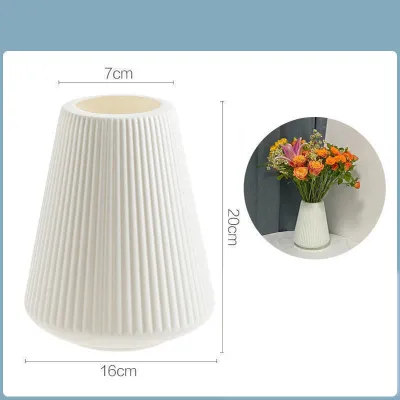
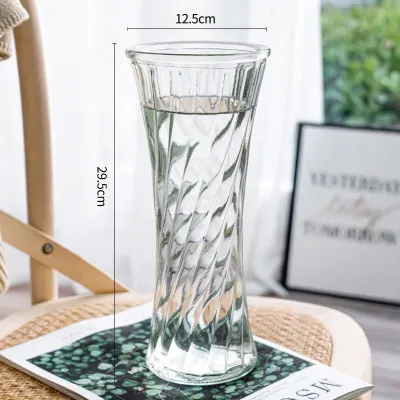
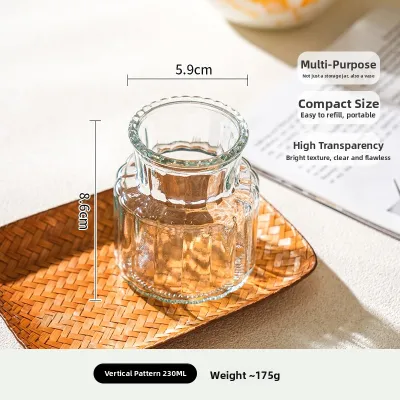
Prices are valid at publication and may change. Please refer to the product page for the latest price.
For oriental and Japandi interiors, the aesthetic merges Japanese minimalism with rustic Scandinavian warmth or traditional Asian elements. Look for low-profile furniture, natural fibers like rattan, bamboo, or linen, and earthy color schemes featuring terracotta, olive, or warm ochre. You will notice a preference for organic, slightly imperfect shapes and raw, unpolished textures.
For industrial and modern eclectic interiors, spot exposed structural elements, such as concrete screed floors, brick accent walls, and matte black metal frames. Modern eclectic spaces, on the other hand, pair these structural elements with high-contrast color schemes, bold geometric patterns, and curated vintage or contemporary statement pieces.
To complete your diagnosis, evaluate the room’s dominant materials and overall color temperature. If your space features mostly cool metals and glass, a warm, rustic terracotta vase might create an intentional contrast or, conversely, look out of place if not styled carefully. Identifying these elements establishes a baseline for your search.
Match Flower Vase Styles to Your Diagnosed Decor
Once you have diagnosed your interior style, you can translate those design cues into specific vase characteristics. The right flower vase acts as an anchor for both fresh blooms and dry arrangements, reinforcing the room’s design narrative through its shape, material, and color.
Minimalist and Scandinavian Interiors
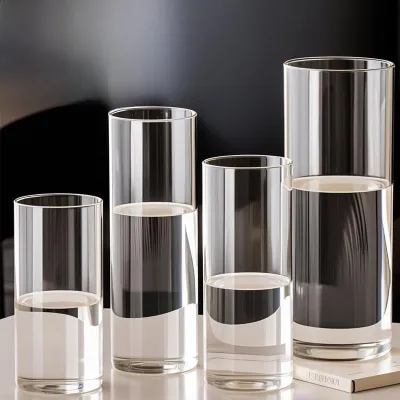
Minimalist and Scandinavian interiors demand a “less is more” philosophy. In these spaces, a flower vase should serve as a subtle, elegant accent that highlights the natural beauty of the floral arrangement rather than competing with it. Clear glass vases are an exceptional choice here; they allow light to pass through unobstructed, maintaining the airy, spacious feel of the room. When choosing glass, look for simple geometric silhouettes—such as cylinders, spheres, or soft tapered cones—that align with streamlined furniture.
Matte ceramic vases in neutral tones like chalk white, soft charcoal, or pale sand also complement this aesthetic beautifully. These vessels provide a soft, non-reflective surface that absorbs light, adding a quiet tactile layer to clean-lined console tables or sideboards. When styling, opt for single stems, delicate eucalyptus branches, or structured monstera leaves. This approach ensures the arrangement remains uncluttered, preserving the calm, functional atmosphere characteristic of Nordic-inspired homes.
Oriental and Japandi Interiors
For spaces defined by oriental or Japandi design, the focus shifts toward warmth, texture, and grounded natural elements. These interiors benefit immensely from unglazed ceramics, terracotta, and hand-thrown pottery. Vases with organic, asymmetrical shapes celebrate the philosophy of wabi-sabi—finding beauty in imperfection. Rough, sandy textures, visible brushstrokes, and subtle glaze drips add depth to rooms dominated by wood, stone, and natural fibers.
Earthy color palettes are key when selecting vessels for these environments. Look for rich ochre, deep forest green, charcoal, or warm clay tones that echo the natural landscape. An asymmetrical stoneware vase placed on a low-profile TV console or a solid wood dining table creates an instant connection to the earth. To style these vases, consider using dried grasses, architectural branches like pussy willow, or single, striking blooms. The combination of textured earthenware and organic floral lines enhances the serene, grounded ambiance of the home.
Industrial and Modern Eclectic Interiors
Industrial and modern eclectic interiors thrive on contrast, bold statements, and structural edge. To complement these dynamic environments, look for flower vases made from heavier, more industrial materials. Metallic finishes—such as brushed brass, copper, or blackened iron—provide a striking contrast to raw brickwork or concrete screed walls. These reflective surfaces catch the light, adding a touch of sophisticated warmth to otherwise cool, utilitarian spaces.
Tinted glass and concrete vases are also highly effective in these settings. A heavy concrete vase with a brutalist, architectural silhouette anchors a room with strong visual weight. Meanwhile, amber, smoky grey, or forest green tinted glass vessels offer a moody, sophisticated touch, especially when paired with bold geometric floral arrangements or tropical foliage. In modern eclectic spaces, do not shy away from dramatic silhouettes or high-contrast colors. A sculptural, geometric vase can serve as a standalone art piece even when empty, reinforcing the curated, artistic vibe of the home.
Evaluate Practical Constraints for Singapore Homes
While aesthetics are vital, practical considerations tailored to the Singaporean living environment are equally crucial. High-rise living, tropical humidity, and specific spatial layouts dictate how a flower vase will look and perform over time.
Space and Proportion Most Singaporeans reside in HDB flats or condominiums, where optimizing floor area and maintaining clear walkways is essential. Large, heavy floor vases can easily overwhelm narrow entryways or compact living rooms, creating physical and visual clutter. Instead, utilize vertical space and elevated surfaces. Placing medium-sized vases on console tables, floating shelves, or sideboards keeps the floor clear while drawing the eye upward. If you wish to use a larger vessel, ensure it is positioned in a corner or alongside a substantial piece of furniture to prevent it from disrupting the natural flow of traffic.
Climate and Material Care Singapore’s tropical climate features consistently high humidity levels, which can affect certain vase materials. Highly porous, unglazed ceramics or low-fired terracotta can absorb environmental moisture. Over time, this trapped moisture may lead to the development of surface mold or damp spots on wooden furniture. Before purchasing an unglazed ceramic piece, verify if the interior is glazed or sealed to hold water safely. Always check the manufacturer’s care labels for specific material limitations, and ensure that porous vases are thoroughly dried after washing to prevent mildew.
Lighting Conditions The orientation of your apartment significantly influences how a vase is perceived. Homes with large, floor-to-ceiling windows receiving direct afternoon sun will experience intense glare on highly reflective surfaces, such as polished chrome, brass, or clear glossy glass. Under bright, direct sunlight, these materials can create uncomfortable reflections. Conversely, matte ceramics, concrete, and tinted glass absorb and soften intense light, making them ideal for sun-drenched rooms. For darker corners or rooms relying primarily on artificial, warm lighting, metallic or glossy glass vases can help bounce light around, brightening up the space.
Final Selection Checklist: Verify Proportion and Function
Before finalizing your purchase, run through this practical checklist to ensure your chosen flower vase meets both aesthetic and functional demands:
- Proportion and Scale: Measure the surface area of the table or shelf where the vase will sit. As a general rule, the height of the vase should be roughly one-third to one-half the height of the entire floral arrangement, and its footprint should not exceed the depth of the shelf.
- Functional Compatibility: Match the vase's neck opening to your preferred floral style. Narrow necks are ideal for single stems, delicate branches, or minimalist arrangements, as they hold the stems upright. Wide mouths are necessary for lush, heavy bouquets but require more stems to look full and stable.
- Weight and Stability: Ensure the base of the vase is heavy and wide enough to support the weight of water and top-heavy floral arrangements. This is particularly critical in households with active pets or young children, where lightweight glass or top-heavy ceramic vases can easily be tipped over.
- Maintenance Requirements: Review the manufacturer's cleaning instructions. Delicate, hand-painted, or unglazed ceramic pieces typically require gentle hand-washing with mild soap, while sturdy glass vases may be dishwasher safe. Ensure you can easily clean the interior of the vase, especially if it has a complex or narrow geometric shape where residue can accumulate.
Frequently Asked Questions (FAQ)
Can I mix different vase styles in the same room?
Yes, you can successfully mix different vase styles by establishing a unifying element to tie them together. To prevent a cluttered or chaotic look, ensure the vessels share a common characteristic, such as a consistent color palette, a similar material finish, or a matching height scale. For instance, pairing a matte black ceramic vase with a dark grey concrete vase maintains textural variety while staying cohesive through a unified, moody color scheme.
How do I clean and maintain unglazed ceramic vases in a humid climate?
To maintain unglazed ceramic vases in Singapore’s humid climate, regularly dust the exterior with a dry, soft microfiber cloth. Avoid using harsh chemical cleaners or soaking the unglazed exterior in water. If the interior is unlined or unglazed, use a plastic or glass liner inside the vase to hold water, preventing moisture from seeping through the porous clay. Always allow the ceramic piece to air-dry completely in a well-ventilated area after cleaning.
What is the best vase height for a dining table centerpiece?
For a dining table centerpiece, the total height of the vase and the floral arrangement should ideally remain below eye level when seated—generally under 30 to 35 centimeters. This ensures that guests can maintain clear, unobstructed sightlines across the table for comfortable conversation. Alternatively, you can use very tall, slender vases with high, airy branches that bloom well above eye level, leaving the conversation zone completely clear.
Community discussion
Share your experience or ask a question. Comments are reviewed before publication.