
Choosing the perfect home fragrance setup requires balancing your living space’s layout with the right diffusion technology. Whether you live in a compact apartment, a spacious condominium, or want to refresh a high-traffic office lobby, matching a Hooga diffuser to your specific environment ensures an optimal sensory experience. The ideal choice depends on calculating your room’s volume, understanding the functional differences between ultrasonic and waterless nebulizing systems, and selecting features that align with your daily routine.
Assessing Your Room Size and Scent Coverage Needs
To find the right diffuser, start by measuring the physical dimensions of your target room. In Singapore, where residential layouts range from cozy study rooms to open-plan living and dining areas, floor area alone does not tell the whole story. You must also consider ceiling height to calculate the total air volume of the space. A room with high ceilings or an open-concept kitchen requires a device with a more robust output to distribute scent effectively, whereas a small, enclosed bedroom can easily become overwhelmed by a high-capacity unit.
Next, define your preferred scent intensity. Some users seek a subtle, barely-there background aroma to promote relaxation during sleep or meditation. Others require a more pronounced, robust fragrance to mask cooking odors, pet scents, or dampness in high-traffic zones like entryways and living rooms. Identifying this preference helps you determine whether you need a continuous, gentle mist or a concentrated, intermittent burst of pure oil.
Products mentioned in this guide
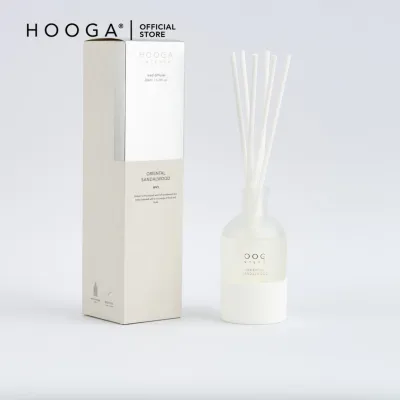

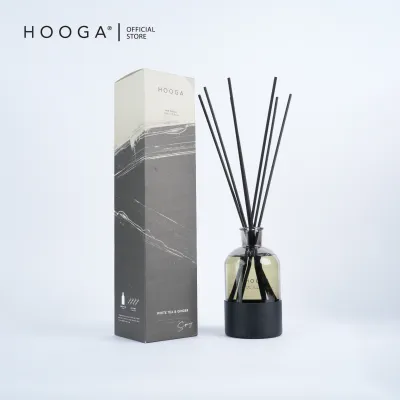
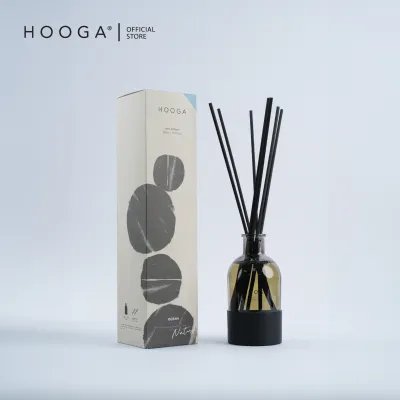
![[6 NEW SCENTS] Hooga Black Series Reed Diffuser 200ml](https://img.lazcdn.com/g/p/1ffd8c3f6be39df0f302c26adff3be23.jpg_400x400q80.jpg_.webp)
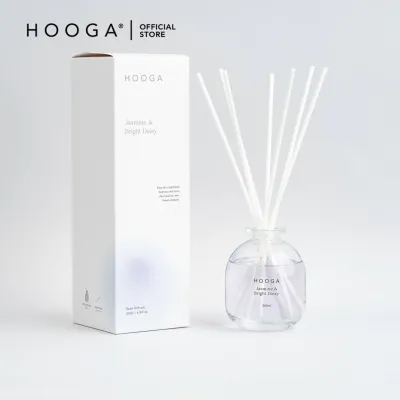
![Hooga Black Series Diffuser [Refill 500ml]](https://img.lazcdn.com/g/p/e2b5159470b1a0e72efe039c34941e95.jpg_400x400q80.jpg_.webp)
Prices are valid at publication and may change. Please refer to the product page for the latest price.
Finally, account for local environmental factors that influence how scent behaves in your home. Singapore’s warm, humid climate means many households rely heavily on air conditioning or ceiling fans, which create constant airflow. Strong cross-ventilation from open windows or the draft from an air conditioner can rapidly dissipate dispersed essential oils, carrying the scent out of the room before it can settle. If your space has high airflow or doors that remain open, you will need a diffuser with a higher output capacity or adjustable settings to maintain a consistent fragrance level.
Matching Hooga Diffuser Technologies to Your Space
Different diffusion mechanisms are engineered to suit distinct spatial demands and user preferences. The brand’s ecosystem features several types of electric diffusers, each utilizing a unique method to disperse fragrance into the air. Understanding these core technologies allows you to align their mechanical strengths with your calculated room size and scent goals.

Before making a purchase, it is essential to verify the manufacturer’s specified coverage area and water tank capacity rather than relying on visual design alone. A sleek, minimalist exterior can house either a compact ultrasonic transducer or a powerful waterless pump. Checking these technical specifications ensures the device you choose has the physical capacity to service your room efficiently without requiring constant refills or running dry prematurely.
Ultrasonic Diffusers for Medium to Large Rooms
Ultrasonic diffusers are among the most popular choices for residential spaces due to their dual-function nature. These devices utilize a small ceramic disc that vibrates at an ultrasonic frequency to break down a mixture of water and essential oils into an extremely fine, cool mist. As this mist is released into the air, it provides a gentle, hydrating effect that can be particularly comforting in air-conditioned bedrooms where the air tends to dry out.
When evaluating ultrasonic models, pay close attention to the water tank volume and the available mist settings. A larger tank allows for longer operational periods, making it suitable for overnight use. Many models feature intermittent mist settings, which cycle the diffusion on and off at set intervals. This not only extends the runtime of a single water fill but also helps prevent olfactory fatigue, ensuring you continue to notice the fragrance throughout the day.
Because ultrasonic technology relies on water dilution, the resulting scent throw is generally softer and more subtle compared to waterless methods. This makes ultrasonic diffusers highly suitable for continuous, all-day use in medium-sized living rooms, study areas, or bedrooms. The gentle mist creates a relaxing visual element while gradually building a consistent, delicate aromatic backdrop that does not overwhelm the senses.
Nebulizing Diffusers for Targeted, High-Intensity Scent
For those who demand an immediate, uncompromising fragrance experience, nebulizing diffusers offer a powerful, waterless alternative. Instead of diluting essential oils in water, a nebulizer uses a high-velocity air pump to force pure oil through a microscopic nozzle. This process atomizes the oil into an ultra-fine dry mist of pure, undiluted aromatic particles that disperse rapidly across a wide area.
This technology is highly recommended for large, open-concept living spaces, high-ceilinged rooms, or commercial environments where a standard water-based diffuser would fail to make an impact. Because nebulizers disperse pure oil, they deliver a highly concentrated, true-to-bottle scent profile almost instantly. However, buyers should note that this high-intensity performance comes with a faster rate of essential oil consumption, meaning you will go through your favorite oil bottles more quickly.
Additionally, because nebulizing diffusers rely on an internal mechanical air pump to atomize the oil, they typically produce a low, audible humming sound during operation. If you plan to use the device in a quiet study or on a bedside table, it is wise to check the product specifications for noise levels or look for models with adjustable output dials. Being able to dial down the intensity allows you to control both the scent concentration and the mechanical sound to suit your comfort level.
Alternative Options: Room Sprays and Passive Diffusers
Electric diffusers are not always the most practical choice for every corner of a home, especially where power outlets are scarce or immediate fragrance is needed. Room sprays represent an excellent, highly portable solution for targeted, instant scent delivery. A few quick sprays can instantly refresh a bathroom, walk-in wardrobe, or guest room right before visitors arrive, offering immediate odor control without any setup or waiting time.
For continuous, low-maintenance fragrance in compact areas, passive diffusers such as reed diffusers and ceramic stones are highly effective. Reed diffusers draw scented oil up through natural rattan reeds, slowly evaporating it into the air to maintain a constant, subtle scent profile. Similarly, passive ceramic or plaster stones absorb a few drops of essential oil and release the aroma gradually over several days. These options are ideal for small, enclosed spaces like entryways, powder rooms, or office desks where electricity is unavailable or undesirable.
It is important to view these passive options and room sprays as complementary additions to your home fragrance strategy rather than direct replacements for active electric diffusers. While a reed diffuser keeps a small bathroom smelling fresh around the clock, it lacks the output power to scent a large living room. Combining active electric diffusers in main living areas with passive options in smaller transition zones creates a cohesive, multi-layered aromatic experience throughout your entire home.
Evaluating Features Based on Personal Preferences
Once you have identified the right diffusion technology for your room size, you can refine your choice by evaluating secondary features that impact daily usability. Timer and interval settings are incredibly valuable for customizing your scent experience. Look for devices that offer multiple timer options, such as one-hour, three-hour, or continuous modes. Interval settings that cycle the mist on and off every few minutes are particularly useful for maintaining a consistent scent level while conserving both water and essential oils over long working or sleeping hours.
Ambient lighting is another key feature to consider, as many diffusers double as decorative lamps or nightlights. If you plan to use the device in a bedroom, ensure it offers a dimmable light setting or a dedicated light-off mode. A diffuser that forces you to keep a bright LED light on while running can disrupt your sleep patterns, especially if you are sensitive to light. Conversely, a soft, warm glow can enhance a relaxing evening routine in the living room or bath.
Finally, consider the physical footprint, material finish, and cable length of the diffuser to ensure it integrates seamlessly into your living space. A diffuser should complement your existing decor, whether you prefer a minimalist ceramic dome, a warm wood-grain finish, or a sleek glass exterior. Ensure the device fits securely on your chosen tabletop, shelf, or bedside table, and check that the power cable is long enough to reach your nearest wall outlet safely without creating a tripping hazard or requiring unsightly extension cords.
Pre-Purchase Verification and Safety Checklist
Before finalizing your purchase, it is crucial to perform a few practical checks to ensure safety, compatibility, and ease of maintenance. First, verify that the power adapter and plug type supplied with the diffuser are fully compatible with local electrical standards and voltage requirements. In Singapore, electrical appliances must match the standard 230V supply and use a compatible plug to ensure safe operation and prevent electrical hazards or damage to the device’s internal circuitry.
Second, review the manufacturer’s guidelines regarding the types of oils compatible with the device. Ultrasonic diffusers are generally versatile but can still be damaged by extremely thick, unrefined carrier oils or synthetic fragrance oils containing heavy solvents. Nebulizers are even more sensitive; using highly viscous oils like vetiver or patchouli without proper dilution or cleaning can quickly clog the delicate atomizing nozzle, potentially voiding your warranty or causing the motor to overheat.
Lastly, consider the cleaning and maintenance routine required to keep the diffuser functioning optimally. Over time, mineral deposits from tap water and residual oil buildup can clog ultrasonic plates or nebulizing nozzles, leading to reduced mist output, unpleasant odors, or motor failure. Ensure you are comfortable with the recommended cleaning steps, which typically involve wiping down the water tank with a soft cloth or running a mild descaling solution through the system periodically. Regular maintenance not only preserves scent purity but also significantly extends the lifespan of your investment.
Frequently Asked Questions (FAQ)
Can I use any brand of essential oil in a Hooga diffuser?
Yes, most high-quality, pure essential oils from other brands are compatible with Hooga diffusers. However, it is vital to avoid using thick carrier oils (such as jojoba, coconut, or sweet almond oil) and synthetic perfume oils that are not specifically formulated for diffusion. These heavy substances can clog the ultrasonic transducer or the nebulizer’s fine nozzle, leading to permanent mechanical damage. Always check your specific device manual for any viscosity restrictions or warranty clauses regarding third-party oils.
How often should I clean my diffuser to maintain performance?
To ensure optimal performance and pure scent dispersion, you should perform a quick cleaning of your diffuser’s water tank after every three to five uses, or whenever you change to a different oil blend. For a thorough deep clean, wipe the interior with a soft cloth dipped in a mixture of water and mild soap, or use a manufacturer-approved descaling agent to remove stubborn mineral buildup. Regular cleaning prevents mold growth, eliminates stale oil odors, and keeps the misting mechanism running smoothly.
Is a diffuser safe to use in a room with pets or infants?
Caution is highly recommended when diffusing essential oils around pets and infants, as their respiratory systems and metabolic pathways are far more sensitive than those of adults. Many common essential oils, including tea tree, eucalyptus, lavender, and citrus oils, are highly toxic to cats and dogs, even when airborne. Always consult a qualified veterinarian or pediatrician before diffusing any oils in shared spaces, ensure the room is well-ventilated, and never leave a running diffuser unattended in an enclosed room with a pet or baby.
Community discussion
Share your experience or ask a question. Comments are reviewed before publication.