
Selecting the ideal House of Holly throw blanket requires a thoughtful look at your personal comfort preferences, your home’s thermal environment, and your maintenance routine. In a tropical climate like Singapore, where warm outdoor humidity contrasts sharply with chilled, air-conditioned indoor spaces, finding a textile that balances breathability with cozy insulation is key. By analyzing your tactile needs and verifying the material specifications of each product, you can find a throw blanket that integrates seamlessly into your lifestyle and home decor.
Identify Your Comfort Needs and Usage Scenarios
To find your ideal throw blanket, first evaluate the specific environment where you plan to use it. The local climate presents a unique challenge: homes often transition from warm, humid ambient temperatures to highly cooled, air-conditioned zones. If you primarily use your living room with open windows to catch the natural breeze, you will require a highly breathable, lightweight fabric that prevents heat buildup. Conversely, if you enjoy winding down in a bedroom cooled to a crisp temperature, a more insulating, substantial material is necessary to keep the chill at bay.
Next, consider your tactile and weight preferences. Some individuals prefer a fluid, silky drape that glides smoothly over the skin without adding physical pressure. Others find comfort in a weightier, plush wrap that provides a gentle, reassuring hug. Identifying where you fall on this spectrum helps narrow down the fabric density and weave style that will feel most comforting during use.
Products mentioned in this guide
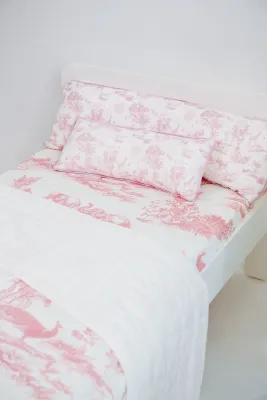
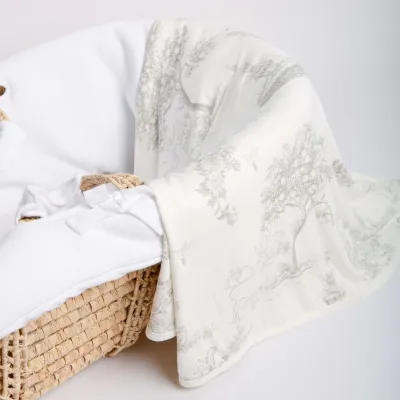
Prices are valid at publication and may change. Please refer to the product page for the latest price.
Finally, define the primary function of the blanket within your space. A throw intended purely as a decorative accent draped over a minimalist armchair requires different structural qualities than one meant for daily snuggling by toddlers or pets. Decorative throws benefit from structured weaves that hold their shape, while active-use blankets must prioritize durability, softness, and ease of cleaning.
Match House of Holly Material Traits to Your Needs
Once you understand your comfort profile, you can decode the material specifications of House of Holly blankets. Start by checking the product label or online specifications for the exact fiber composition. The brand is widely recognized for utilizing bamboo-derived viscose, often blended with other fibers to achieve specific textures. Understanding whether a blanket is made of pure bamboo-derived viscose, organic cotton, or a synthetic blend is the first step in predicting how it will perform in your home.

Bamboo-derived viscose is highly celebrated for its exceptional breathability and moisture-wicking properties. The physical structure of bamboo fibers allows for rapid moisture absorption and evaporation, making it feel naturally cool to the touch. This characteristic is incredibly beneficial for warm afternoons or for individuals who tend to sleep warm. If you want a silky, fluid drape that keeps you comfortable without overheating, prioritizing high percentages of bamboo-derived viscose is an excellent strategy.
For those seeking a more traditional, structured warmth, look for cotton or cotton-blend options. Cotton fibers provide a familiar, cozy weight and excellent durability while remaining highly breathable. If the product description mentions a synthetic blend, such as polyester, this typically indicates a focus on plushness, loft, and heat retention. Synthetic blends are ideal for creating an ultra-soft, velvety hand-feel that excels in heavily air-conditioned home theaters or bedrooms.
Do not overlook the weave and finish of the fabric. A loose, open-knit pattern allows for maximum airflow, making even heavier blankets suitable for warmer rooms. A tight, jacquard or sateen weave creates a smoother, more uniform surface that traps a thin layer of warm air close to the body, offering a cozier experience. Read the manufacturer’s descriptions of the fabric’s finish to determine if it has been brushed for extra softness or left smooth for a clean, modern look.
Check Care Requirements and Longevity
A throw blanket’s longevity depends heavily on how well its care requirements align with your household routine. Before purchasing, locate the care instruction symbols on the product page or the physical tag. Delicate materials, such as high-percentage bamboo viscose or intricate knits, often require specific washing parameters to maintain their signature softness and prevent shrinkage.
Evaluate the time and effort you are willing to dedicate to fabric maintenance. While some everyday cotton or synthetic blends can withstand standard machine washing and tumble drying, delicate weaves may demand a gentle cycle in cold water, mild liquid detergents, and line drying in the shade. In a humid climate, ensuring a heavy blanket dries completely without developing a musty odor is crucial, so consider whether you have adequate shaded drying space for air-drying delicate items.
Over time, all household textiles experience wear, but proper care can delay the onset of material fatigue. Watch for early signs of wear such as pilling—the formation of tiny fiber balls on the surface—or color fading from exposure to direct sunlight. If you notice these issues, adjust your washing routine by turning the blanket inside out, using a mesh laundry bag, or switching to a gentler wash cycle as recommended by the manufacturer.
Verify Dimensions, Safety, and Purchase Conditions
Before finalizing your selection, verify the physical dimensions of the throw blanket against your furniture. A throw designed for a nursery crib or a single armchair will look disproportionately small when draped over a three-seater sofa or a king-sized bed. Measure your furniture beforehand to ensure the blanket provides the aesthetic coverage you desire and is long enough to cover your feet comfortably during use.
Safety and quality certifications are another critical factor, especially if the blanket will be used by infants, young children, or individuals with sensitive skin. Look for recognized textile certifications, such as the OEKO-TEX® Standard 100 label, which verifies that the fabric has been tested for harmful substances. These independent certifications provide peace of mind that the dyes and manufacturing processes meet strict international safety standards.
Lastly, review the return and exchange policies of your chosen retailer or the official brand store. Because tactile comfort is highly subjective, a material that looks appealing online might not match your personal hand-feel expectations upon delivery. Ensure you understand the return window, shipping fees, and condition requirements—such as keeping the original packaging and tags intact—so you can exchange the product smoothly if needed.
Frequently Asked Questions (FAQ)
How do I know if a House of Holly blanket is suitable for sensitive skin?
To determine skin compatibility, carefully inspect the fiber composition on the product label, prioritizing natural, smooth fibers like bamboo-derived viscose, which are inherently gentle on the skin. Look for official hypoallergenic claims or independent textile safety certifications, such as OEKO-TEX®, which ensure the product is free from irritating chemical residues. If you or your family members have highly reactive skin or severe allergies, it is wise to consult the manufacturer’s specific material guides or perform a gentle patch test by draping a small section of the fabric over your forearm before full use.
Can I use a decorative House of Holly throw blanket outdoors?
Indoor decorative throw blankets are generally not designed to withstand outdoor environmental factors. These materials typically lack specialized treatments for UV resistance, water repellency, or heavy abrasion, meaning prolonged exposure to direct sunlight, humidity, or rough outdoor surfaces can cause rapid fading, mold growth, or fiber damage. To preserve the beauty and structural integrity of your blanket, keep it indoors, and always consult the manufacturer’s care label and usage guidelines before attempting to use it in an outdoor setting.
Community discussion
Share your experience or ask a question. Comments are reviewed before publication.