
Umbra wall art is widely recognized for its modern, minimalist, and geometric design language. These pieces frequently feature clean lines, three-dimensional structures, and mixed-material finishes that allow them to integrate into contemporary, Scandinavian, and industrial interiors. However, finding a harmonious match for your home goes beyond simply picking a design you like. The success of the pairing depends heavily on the specific materials, color palettes, and structural depth of the artwork, as well as how these elements interact with your existing furniture and lighting. By understanding the core design principles of these pieces, you can make an informed decision that enhances your home’s aesthetic harmony.
Understanding the Core Aesthetics of Umbra Wall Art
To successfully pair these decorative elements with your home, it is essential to first analyze their defining visual characteristics. A primary hallmark of this design philosophy is the use of geometric, abstract, and modular forms. Rather than traditional flat canvas prints, these pieces often consist of repeating shapes, interconnected wireframes, or customizable multi-piece sets that allow homeowners to arrange them in personalized configurations. This modularity introduces a structured yet customizable element to wall decor.
Material selection also plays a critical role in defining the brand’s aesthetic. Common finishes include powder-coated metals, natural or painted wood, wireframe structures, and matte textures. These materials are typically presented in neutral, monochromatic, or metallic color palettes, such as matte black, brass, copper, nickel, and soft white. This restrained color palette ensures that the focus remains on the form and structure of the piece rather than loud, distracting colors.
Products mentioned in this guide
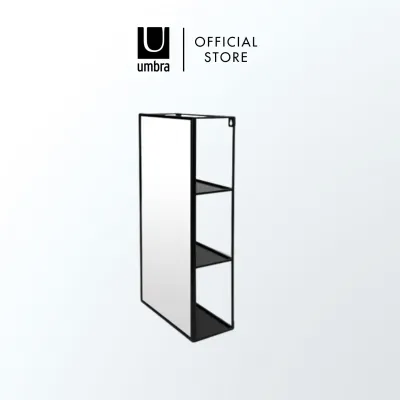
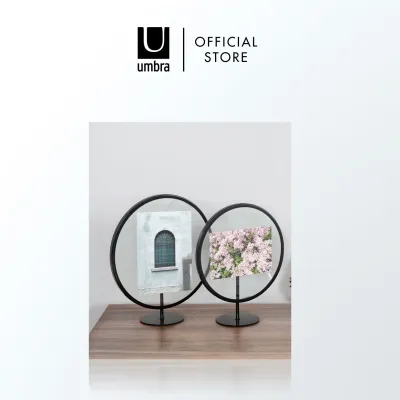
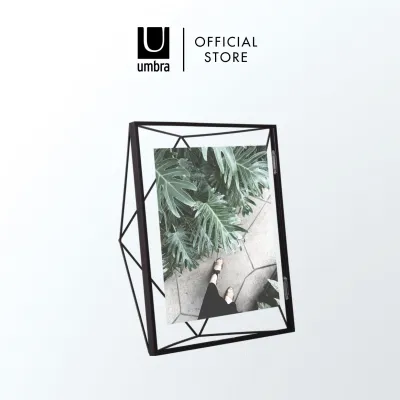
Prices are valid at publication and may change. Please refer to the product page for the latest price.
Furthermore, many designs emphasize three-dimensional structures that project outward from the wall. This physical depth creates an active interplay of light and shadow throughout the day. As natural light shifts or artificial lighting is turned on, the shadows cast by the wireframes or raised panels change, giving the wall art a dynamic quality that flat artwork cannot easily replicate.
Best Interior Design Styles for Umbra Wall Art
Because of their clean lines and structural variety, these pieces can complement several distinct interior design styles. Matching the right material finish and form to your specific decor style ensures a cohesive and intentional look.

Modern and Contemporary Spaces
Modern and contemporary interiors, characterized by sleek lines, low-profile furniture, and an emphasis on function, provide a fitting backdrop for geometric and abstract wall decor. In these spaces, abstract metal or acrylic pieces can be paired with minimalist sofas, glass coffee tables, and polished concrete or hardwood flooring. The clean, unadorned surfaces of contemporary rooms allow the sharp angles and curves of the artwork to stand out without visual competition.
Using monochromatic or high-contrast art is an effective way to anchor neutral color schemes in a modern living room or entryway. For instance, a matte black geometric installation on a stark white or soft gray wall creates a striking focal point that defines the room’s visual center. This approach balances bold geometric shapes with the uncluttered architectural lines of contemporary architecture, ensuring the space feels curated rather than crowded.
Minimalist and Scandinavian Interiors
Minimalist and Scandinavian designs focus on simplicity, functionality, and a connection to natural elements. When decorating these light-filled, airy spaces, look for wall art featuring natural wood tones, matte white finishes, or soft, muted pastels. These lighter finishes harmonize with light oak furniture, linen textiles, and indoor greenery, maintaining the calm and serene atmosphere characteristic of Nordic design.
In a minimalist home, the concept of negative space is just as important as the objects themselves. Selecting simple geometric or organic wireframe shapes allows the wall color to show through, keeping the overall look light and spacious. By avoiding overly ornate, heavy, or visually dense frames, you preserve the clean, uncluttered flow of the room while still adding a layer of sophisticated texture to the walls.
Industrial and Eclectic Accents
For homes with an industrial aesthetic, raw metal, wireframe, and dark-finished designs are natural fits. These pieces complement the exposed brick, concrete walls, visible ductwork, and weathered wood typical of industrial lofts. A dark bronze or black metal wireframe piece adds a refined, structural element that echoes the utilitarian feel of industrial architecture while introducing a touch of modern artistic intent.
In contrast, eclectic spaces thrive on the unexpected mixing of different eras, textures, and styles. Three-dimensional wall art can serve as an effective bridge between varied design elements, such as pairing a modern geometric piece alongside vintage oil paintings or woven wall hangings. Utilizing modular or multi-piece arrangements allows you to design dynamic gallery walls where the modern shapes break up traditional rectangular frames, adding depth and visual curiosity to the collection.
How to Choose the Right Umbra Piece for Your Room
Selecting the right wall art requires a careful evaluation of your room’s physical characteristics and existing decor. The first step is to assess your wall space proportions. For large, expansive walls, a single small piece can look lost and out of scale. In these areas, modular arrangements or multi-piece sets work well, as they can be spaced out to occupy a larger footprint. Conversely, compact walls or narrow hallways benefit from a single, well-proportioned focal piece that does not overwhelm the limited space.
Next, coordinate the materials and finishes of the artwork with the existing hardware and textiles in your room. If your light fixtures, cabinet handles, or chair legs feature warm brass or gold tones, selecting wall art with matching metallic accents creates a sense of continuity. If your room is dominated by soft, matte textures and natural fabrics, a wooden or matte-finished piece will feel more integrated than a high-gloss metallic one.
Lighting is another crucial factor, especially for three-dimensional or reflective pieces. Position your artwork where it can interact with both natural daylight and artificial light sources. Placing a 3D wireframe piece near a window allows the changing angle of sunlight to cast shifting shadows throughout the day, while positioning it under a directional spotlight or track lighting highlights its structural depth at night.
Finally, consider the visual weight of the art relative to the surrounding furniture. Heavy, solid-looking pieces should be balanced by substantial furniture below them, such as a sturdy sideboard or a deep sofa. Lightweight, airy wireframe designs, on the other hand, pair beautifully with delicate console tables or floating shelves, keeping the overall spatial balance light and harmonious.
Installation and Display Considerations
Proper installation is vital to ensure your wall art remains secure, stable, and visually appealing over time. Before hanging any piece, verify your wall type—such as drywall, plaster, concrete, or brick—and check its weight capacity against the product’s included mounting hardware. Heavy or three-dimensional pieces may require specialized wall anchors or screws rather than simple nails to prevent damage to both the wall and the artwork.
Environmental factors must also be taken into account. Avoid hanging materials prone to moisture damage, warping, or rust—such as untreated wood or certain metals—in high-humidity areas like bathrooms or directly above kitchen stoves, unless the manufacturer explicitly states the product is rated for damp environments. Keeping these pieces in dry, climate-controlled rooms preserves their finishes and structural integrity.
Always consult the manufacturer’s instructions for specific hanging mechanisms, structural weight limits, and recommended tools. Many modular sets come with mounting templates or specific spacing guides to help you achieve the intended look. Before drilling any holes, plan your layout by tracing the pieces on paper and taping them to the wall, or use temporary pencil markers to ensure accurate placement, level alignment, and balanced spacing.
Frequently Asked Questions (FAQ)
Can Umbra wall art fit into traditional or classic decor?
Yes, modern geometric wall art can be successfully integrated into traditional spaces by using strategic placement and styling. To bridge the gap between modern art and traditional elements like classic moldings or antique furniture, consider arranging modular pieces in highly symmetrical, structured layouts. Selecting pieces with warmer wood tones, muted brass, or antique bronze finishes also helps soften the contrast, allowing the contemporary shapes to blend gracefully with a classic color palette.
How do I clean and maintain metal or 3D wall art?
To preserve the finishes and prevent dust buildup in the crevices of three-dimensional or wireframe art, dust the pieces regularly with a soft, dry microfiber cloth or a static duster. Avoid using harsh chemical cleaners, glass sprays, or abrasive sponges, as these can scratch, discolor, or strip the protective coatings on metallic, painted, or matte surfaces. For specific care limits, always refer to the maintenance instructions provided by the manufacturer.

Community discussion
Share your experience or ask a question. Comments are reviewed before publication.