
Selecting the right waterproof rating for solar lights around plants depends entirely on the specific microclimate of each planting zone. In exposed garden beds, lights face direct downpours and soil splash, whereas under a sheltered patio or dense canopy, they must withstand high humidity and dripping condensation. Choosing the correct Ingress Protection (IP) rating prevents short circuits, corrosion, and premature failure, keeping your garden safely illuminated without wasting money on over-specified fixtures.
Understanding IP Ratings for Outdoor Solar Lights
The Ingress Protection (IP) rating system is an international standard defined by the International Electrotechnical Commission (IEC). It provides a reliable, standardized measurement of how well an electrical enclosure protects its internal components from external elements. Rather than relying on vague marketing terms like “waterproof” or “weather-resistant,” which have no standardized legal definition, you should look for the two-digit IP code on a product’s packaging to understand its true capabilities.
The first digit of the IP code ranges from 0 to 6 and measures protection against solid particles, such as dust, dirt, and insects. A rating of 4 indicates protection against solid objects larger than 1 millimetre, while a rating of 6 means the fixture is completely dust-tight, preventing even microscopic particles from entering. In a garden environment, this solid protection is crucial because wind, rain, and watering activities constantly kick up soil, mulch, and organic debris that can clog seals and damage internal electronics.
Products mentioned in this guide
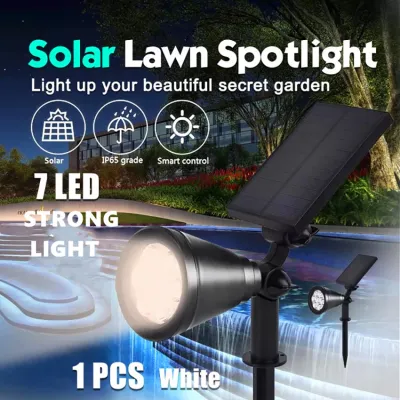
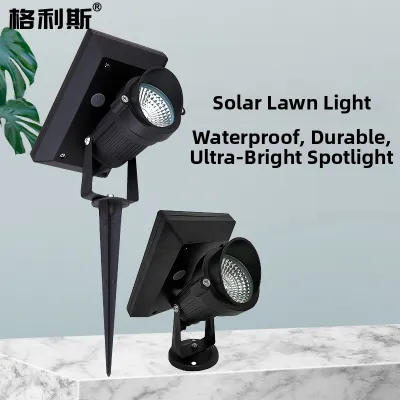
Prices are valid at publication and may change. Please refer to the product page for the latest price.
The second digit ranges from 0 to 8 and measures protection against liquids, specifically water. This digit scales from basic protection against vertical rain drops (1) to continuous immersion under specified conditions (8). For most garden applications, you will encounter ratings between 4 (protection against splashing water from any direction) and 8. Understanding these numbers allows you to match the light’s physical defenses with the environmental hazards of your specific planting beds.
Exposed Garden Beds and Open Lawns
Exposed garden beds and open lawns represent the most demanding environments for solar lights. These areas are completely open to the elements, meaning they receive the full force of tropical rainstorms, overhead sprinkler systems, wind-blown dirt, and intense sunlight. When solar lights are placed directly in the soil next to low-lying plants or turf, they are also subjected to soil splash, where falling rain strikes the ground and forces mud and grit upward onto the light fixture.

For these fully exposed zones, you should select solar lights with an IP rating of at least IP65. An IP65 rating ensures that the light is completely dust-tight (6) and can withstand low-pressure water jets (5) from any angle. This level of protection is highly effective against heavy downpours and garden sprinklers, preventing water from bypassing the seals and corroding the battery contacts. While an IP44 rating can survive light rain, it may eventually fail under the relentless force of seasonal monsoons or high-pressure irrigation systems.
Physical placement within these exposed zones requires careful strategy to protect both the lights and your plants. Position solar lights slightly setback from the edges of lawns where lawnmowers and line trimmers operate, as physical impacts from gardening tools can easily crack plastic housings and compromise their waterproof seals. Placing lights amidst sturdy ground covers or behind low decorative borders provides a physical buffer while still allowing the lights to illuminate your landscaping.
Additionally, you must verify the UV resistance of any solar light destined for exposed areas. Intense, direct sunlight can rapidly degrade inferior plastics through a process called photodegradation, causing the housing to become brittle, fade, and crack. When the outer casing cracks, the internal IP rating is completely compromised, allowing water to flood the electronics. Look for manufacturer specifications indicating the use of UV-stabilized materials, such as high-grade polycarbonate or ABS plastic, to ensure long-term durability.
Sheltered Patios, Pergolas, and Under-Canopy Areas
Sheltered areas, such as covered patios, pergolas, and zones beneath dense tree canopies, present a very different set of environmental challenges. While these locations are protected from direct, heavy rainfall, they are far from dry. In tropical climates, these sheltered pockets often trap moisture, leading to exceptionally high humidity levels, heavy morning dew, and condensation that settles directly onto the surfaces of your light fixtures.
Furthermore, plants themselves contribute to this damp microclimate. Through a process called transpiration, plants release water vapor into the air, raising the local humidity around their leaves and stems. After a rainstorm, water can continue to drip slowly from dense overhead foliage for hours, landing directly on any lights positioned underneath. For these sheltered but humid environments, an IP rating of IP44 is generally the ideal choice, as it protects against splashing water and prevents moisture ingress from condensation and dripping leaves.
The primary challenge for solar lights placed under dense plant canopies is not water protection, but solar charging efficiency. In tropical regions like Singapore, frequent cloud cover combined with the shade cast by broad-leafed plants (such as monsteras, ferns, or palms) can severely limit the amount of direct sunlight reaching the solar panel. If a solar light cannot charge fully during the day, its runtime will be drastically reduced, and the battery may eventually fail prematurely due to deep discharge cycles.
To overcome this shade limitation, consider utilizing split-system solar lights. These fixtures feature a separate solar panel connected to the light emitter by a thin, low-voltage wire. This design allows you to mount the solar panel in a high, unshaded position—such as on a rooftop, fence, or pergola beam—where it can receive direct sunlight throughout the day. Meanwhile, the light fixture itself can be placed deep within the shaded canopy or under the patio roof, safely illuminating your plants without sacrificing charging performance.
Water Features, Ponds, and Damp Soil Zones
Water features, garden ponds, and damp soil zones represent the most extreme moisture environments in any garden. Constant exposure to water, combined with organic factors like algae growth, mineral deposits, and soil acidity, creates a highly corrosive environment that will quickly destroy standard outdoor lighting.
Splash Zones and Damp Soil
Splash zones include areas immediately surrounding fountains, artificial waterfalls, and birdbaths, as well as garden beds that remain perpetually wet due to poor drainage or frequent watering. These spots are subjected to constant splashing and high localized humidity, which can find its way into even the smallest gaps in a light’s housing.
For these highly active wet zones, you should use lights rated at IP65 or higher. The dust-tight seal prevents fine soil particles and muddy water from entering the casing, while the water jet protection ensures that continuous splashing from a nearby fountain will not penetrate the housing. Installing lower-rated lights, such as IP44, in these zones carries a high risk of failure, as constant moisture will eventually seep past the seals, corroding the battery terminals and short-circuiting the internal circuit board.
Submersible and Pond Edges
For lights that will be partially or fully submerged in water—such as those placed on shallow pond shelves, along submerged steps, or directly at the bottom of a water feature—standard splash-proof ratings are entirely inadequate. Submersion introduces hydrostatic pressure, which forces water into any microscopic gap in the fixture’s construction.
To safely submerge a light, you must select fixtures with an IP67 or IP68 rating. An IP67 rating indicates that the light can withstand temporary submersion in water up to 1 meter deep for up to 30 minutes, making it suitable for pond edges that may briefly flood during heavy rain. For continuous submersion, an IP68 rating is mandatory. However, you must verify the manufacturer’s exact specifications, as IP68 ratings are defined by the manufacturer and specify the maximum depth and duration the light can safely withstand.
Strictly avoid submerging any solar light that is not explicitly rated, certified, and labeled for underwater use by the manufacturer. Attempting to submerge a non-rated light can lead to rapid water ingress, battery rupture, and chemical leakage into your pond, which can harm fish and aquatic plants. Always inspect the light’s seals and housing for any signs of damage before placing it underwater.
Cross-Zone Compatibility and Installation Safety
When planning your garden lighting, you must decide whether to purchase different lights for each specific zone or to use a single, high-rated light type across your entire property.
Using Higher IP Ratings Across Zones
Using high-IP-rated lights, such as IP65 or IP67, in lower-risk zones like sheltered patios or dry garden pathways is entirely safe and offers excellent durability. However, this approach comes with notable trade-offs. Higher-rated fixtures are typically more expensive due to the specialized gaskets, sealed battery compartments, and heavy-duty materials required to pass strict ingress testing.
Over-specifying your lights can also limit your design options. Many highly decorative, vintage-style solar lanterns, delicate fairy lights, and artistic path lights are only manufactured with an IP44 rating. If you restrict your choices only to IP65 or higher, you may miss out on softer, more decorative designs that would easily survive under a sheltered pergola. Matching the IP rating to the specific environmental demands of each zone allows you to balance your budget while achieving your desired aesthetic.
Plant Root and Electrical Safety
Installing solar lights around plants requires care to avoid damaging both your flora and your property’s infrastructure. When inserting ground stakes for solar spotlights or path lights, proceed gently. Forcing a sharp stake into dry, compacted soil can easily slice through shallow plant roots, damage delicate flower bulbs, or puncture buried drip irrigation lines. To prevent this, dampen the soil beforehand to soften it, and gently probe the ground with a thin wooden stick before pushing the light’s spike into place.
While standalone solar lights are low-voltage devices that pose no risk of dangerous electrical shocks, integrating them with existing hardwired garden systems requires strict safety protocols. If you plan to connect solar-powered fixtures to a hybrid mains-power backup system, outdoor water pumps, or automated irrigation controllers, always isolate the power supply before handling any wiring. Consult a qualified professional electrician to ensure all connections comply with local electrical safety standards and building codes.
Maintenance Tips for Solar Lights in Plant Zones
Regular maintenance is essential to keep your solar garden lights operating safely and efficiently among growing plants. Because plants are dynamic, growing organisms, the environment around your lights will change over time, requiring periodic adjustments.
First, establish a routine for cleaning the solar panels. Wipe down the panels at least once a month using a soft, damp microfiber cloth to remove accumulated dust, soil splash, pollen, tree sap, and bird droppings. Avoid using abrasive scrubbing pads or harsh chemical cleaners, as these can scratch or cloud the protective plastic cover, permanently reducing the panel’s ability to absorb sunlight and charge the battery.
Second, keep surrounding plants trimmed. Fast-growing foliage can quickly drape over a solar panel, blocking crucial sunlight and reducing the light’s runtime. Trimming nearby leaves also improves airflow around the light fixture, which helps prevent moisture from becoming trapped against the housing and reduces the risk of fungal growth or mold forming on the seals.
Third, inspect the rubber gaskets and O-rings annually. Over time, exposure to intense tropical heat and UV radiation can cause rubber seals to dry out, crack, or lose their elasticity. If you notice any degradation, replace the seals or apply a thin layer of manufacturer-approved silicone grease to maintain the waterproof barrier.
Finally, open the battery compartment periodically to check for signs of moisture or corrosion. If you see white powdery deposits or rust on the metal contacts, clean them gently with a small brush and dry the compartment thoroughly. Replace the rechargeable batteries (typically NiMH or Li-ion) every one to two years, ensuring you use only the exact voltage, capacity, and battery chemistry specified by the manufacturer to prevent damage to the charging circuitry.
Community discussion
Share your experience or ask a question. Comments are reviewed before publication.