
Selecting the right home fragrance involves more than just picking a pleasant smell; it requires matching the product format and scent profile to your specific space, lifestyle, and ambiance goals. By understanding how different diffusion methods interact with your home’s airflow and aligning fragrance families with the function of each room, you can create an inviting, sophisticated environment. This guide provides a structured framework to help you navigate the available options, compare fragrance families, and safely integrate them into your living spaces.
Comparing Jo Malone Home Fragrance Formats
Choosing the right physical format is the first step in establishing a successful home fragrance setup. Different delivery methods suit different room sizes, ventilation patterns, and daily routines, making it essential to match the product type to your spatial needs.
Reed diffusers offer a continuous, passive scent throw that operates without heat or electricity. They utilize capillary action, drawing fragrance oil up through porous reeds to release it gradually into the surrounding air. This format is ideal for establishing a consistent, signature ambiance in high-traffic transition areas such as entryways, hallways, and living rooms. Because the scent release is constant, reed diffusers work best in spaces where you want a welcoming aroma to be present at all times without requiring active intervention.
Products mentioned in this guide
![[Exclusive Gift] Jo Malone London Scent Surround Diffuser 165ml Set • Luxury reed diffusers are designed to fill a room with ever-present scent](https://img.lazcdn.com/g/p/d16ed726ba4667576626e3e6ffa2dcb1.jpg_400x400q80.jpg_.webp)

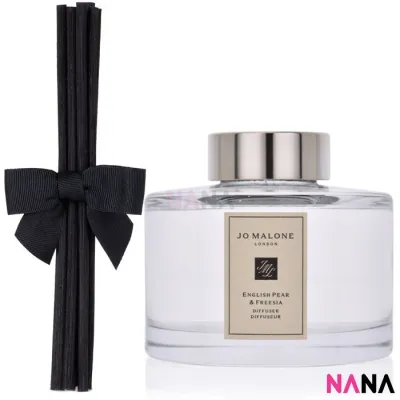
![[LIMITED EDITION] Jo Malone London Green Tomato Vine Diffuser 350ml • An abundance of sprightly tomato vines release their vibrant herbaceous aroma and earthy tang](https://img.lazcdn.com/g/p/e867ed635a5ed63ced8c35f800569b5b.jpg_400x400q80.jpg_.webp)
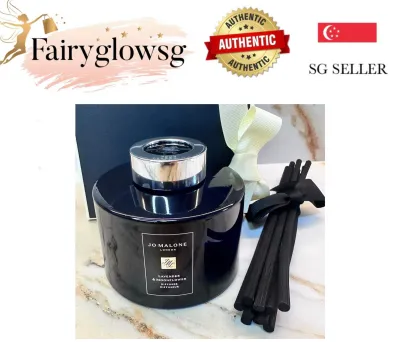
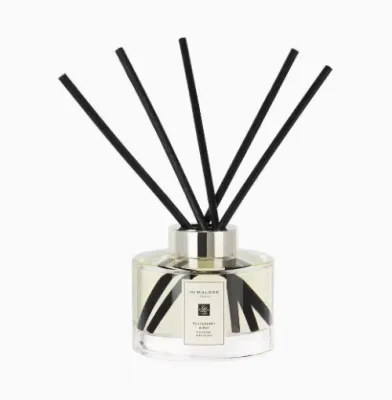
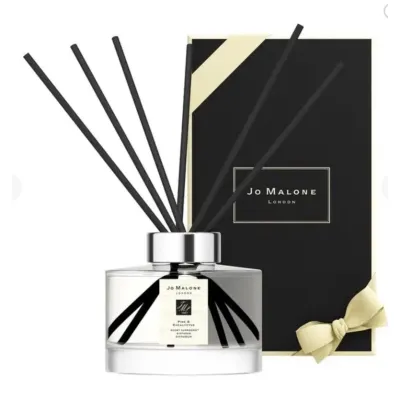
Prices are valid at publication and may change. Please refer to the product page for the latest price.
Room sprays, by contrast, deliver an instant, highly concentrated burst of fragrance. This active format is designed for rapid refreshes, making it highly effective for neutralizing sudden odors, preparing a room just before guests arrive, or scenting large, open-plan spaces that might overwhelm a passive diffuser. Room sprays also offer the flexibility of targeted application, allowing you to mist soft furnishings or linens from a safe distance, provided you verify fabric compatibility beforehand.
For compact, enclosed environments, car and travel diffusers provide a highly localized fragrance experience. These portable formats typically utilize scented cartridges or compact clip-on designs that rely on active airflow, such as a vehicle’s air conditioning vent, to disperse the aroma. They are excellent for personal workspaces, small study nooks, or travel, ensuring you can maintain a familiar sensory environment without dispersing scent into wider, shared household areas.
Before purchasing any home fragrance product, always check the manufacturer’s specifications for liquid volume, reed count, and expected lifespan. A standard 165ml reed diffuser, for example, is typically designed to last for several weeks to a few months, depending on room temperature and humidity. Reviewing these specifications ensures you select a format that aligns with your maintenance preferences and budget.
Navigating Jo Malone Scent Families for Your Ambiance
Fragrance has a profound impact on the perceived atmosphere of a room. Jo Malone categorizes its scents into distinct fragrance families, each carrying its own character, weight, and suitability for different home environments.

Citrus and fruity profiles are characterized by their uplifting, crisp, and energizing qualities. Scents featuring notes of mandarin, lime, basil, pear, or pomegranate offer a bright, refreshing sensory experience. These profiles are highly suited for active, social, or morning spaces where a sense of cleanliness and vitality is desired. They help make a space feel open, airy, and vibrant, making them popular choices for kitchens and main living areas.
Floral and light floral profiles deliver a classic, elegant, and calming aroma. Incorporating notes such as peony, rose, jasmine, or bluebell, these fragrances evoke the atmosphere of a fresh garden. They are traditionally favored for creating a serene, relaxing environment that complements classic or soft interior decor styles. The delicate nature of light florals makes them highly versatile, providing a gentle background presence that rarely overpowers a room.
Woody and spicy profiles offer warm, grounding, and sophisticated notes that add physical depth and richness to a space. Featuring elements like amber, patchouli, oak, or dark plum, these fragrances create a cozy, intimate, and comforting ambiance. They are particularly effective in the evening or during cooler seasons, helping to make large or minimalist spaces feel more enclosed, secure, and luxurious.
If you prefer a customized home aroma, you can utilize the brand’s official fragrance combining principles. This involves layering complementary scent families within the same space to create a unique olfactory signature. For example, pairing a bright citrus diffuser with a soft floral room spray can add complexity and balance, allowing you to tailor the home’s sensory identity to your exact preferences.
Matching Scents to Specific Rooms and Functions
To maximize the impact of your home fragrance, it is helpful to assign specific scent profiles to different functional zones. A fragrance that works beautifully in a lively entryway might feel intrusive in a quiet home office.
Living rooms and entryways serve as the primary transition points of the home, making them ideal for welcoming, balanced scents. The goal in these areas is to create a positive, memorable first impression without overwhelming guests. Balanced fruity-florals or light woody-citrus blends work exceptionally well here, as they provide a sophisticated backdrop that appeals to a wide range of preferences while harmonizing with the natural movement of people through the space.
Bedrooms and bathrooms require profiles that promote rest, cleanliness, and a sense of personal retreat. For the bedroom, soothing light florals or soft, warm woody notes help signal to the brain that it is time to unwind. In bathrooms, clean, crisp, or spa-like profiles featuring herbal, marine, or light citrus notes help maintain a fresh, hygienic atmosphere, reinforcing the feeling of a private sanctuary.
Home offices and study areas benefit from fragrances that support concentration, mental clarity, and focus. Crisp, green, or subtly stimulating scents—such as those featuring rosemary, eucalyptus, or sharp citrus—can help keep the mind alert. Avoid heavy, sweet, or deeply sedative woody profiles in these spaces, as they can induce drowsiness and detract from productivity.
When positioning your fragrance products, always adjust your scent intensity expectations by factoring in room dimensions, ceiling height, and natural ventilation pathways. A large, open-concept living area with high ceilings in Singapore’s humid climate will naturally disperse scent much faster than a small, enclosed study. In larger spaces, you may need to use multiple diffusers placed at opposite ends of the room, or opt for a higher reed count to achieve the desired fragrance presence.
Placement, Care, and Safety Guidelines
Proper placement and maintenance are essential to ensure your diffuser performs efficiently while keeping your home environment safe and undamaged.
Always place reed diffusers on stable, flat, and heat-resistant surfaces. Keep them away from direct sunlight, radiators, air conditioning vents, and strong drafts. Direct heat and excessive airflow accelerate the evaporation of the carrier liquid, causing the diffuser to empty much faster than expected and leading to an uneven, overly intense release of fragrance.
Protecting your home’s surfaces is a critical maintenance step. Fragrance oils contain concentrated aromatic compounds and solvents that can easily strip paint, dissolve varnishes, or permanently stain polished wood and natural stone like marble. To prevent accidental damage from drips or condensation, always place your diffuser on a protective coaster, ceramic tray, or glass plate rather than directly on high-value furniture.
To maintain a consistent scent throw, flip the reeds periodically according to your preference for fragrance intensity. When flipping the reeds, always do so over a sink or a protected surface to avoid oil droplets landing on furniture or flooring. Wash your hands thoroughly with soap and water immediately afterward to prevent skin irritation, and strictly follow the manufacturer’s care instructions regarding handling.
Safety should always be a priority when using liquid fragrance products. Keep all diffusers and room sprays completely out of reach of children and pets, as the ingestion of essential and synthetic oils can be highly toxic. Review the product’s safety labels and packaging for specific hazard warnings, flammability notices, and instructions on what to do in case of accidental skin contact or ingestion.
Frequently Asked Questions (FAQ)
Can you mix different diffuser scents in the same room?
Yes, you can mix different diffuser scents in the same room to create a customized fragrance profile, provided you select complementary scent families. Pairing a bright, uplifting citrus with a soft, light floral or a clean herbal note often yields a balanced and sophisticated blend. To ensure the aromas mix naturally in the air rather than clashing intensely at the source, place the separate diffusers at a physical distance from one another, such as on opposite sides of the room. Additionally, avoid using multiple heavy, woody, or highly spicy notes in small or poorly ventilated spaces, as this can quickly lead to an overwhelming atmosphere and olfactory fatigue.
How do you know when a reed diffuser needs replacing?
A reed diffuser typically needs replacing when you observe specific visual and olfactory changes. Check the liquid level in the vessel; if the oil has completely evaporated, or if only a tiny amount of thick, discolored residue remains at the bottom, the diffuser has reached the end of its lifecycle. Over time, the reeds themselves can become fully saturated, discolored, or clogged with household dust, which prevents them from drawing up and dispersing fragrance effectively. If you notice a significant, persistent drop in scent throw even after carefully flipping or replacing the reeds, it is time to replace the unit. Always consult the original product packaging or the manufacturer’s official guidelines for estimated lifespan and proper disposal instructions.

Community discussion
Share your experience or ask a question. Comments are reviewed before publication.