
To find the most energy-efficient LED 2-pin bulbs in Singapore, you should look beyond brand names and focus on luminous efficacy, which is measured in lumens per watt (lm/W). True energy efficiency is not a brand-exclusive secret; it is a verifiable technical specification printed on the product packaging or detailed in the manufacturer’s technical datasheet. By comparing the actual light output against the power consumed, you can identify which bulb delivers the most brightness for every cent spent on your electricity bill.
When shopping for replacement bulbs, you will encounter various brands claiming superior performance. However, because there are no universal “best” brands that excel in every single category, the most reliable approach is to evaluate each product using standardized metrics. This guide will show you how to read lighting specifications, verify local safety and energy certifications, and ensure your new energy-efficient bulbs are fully compatible with your existing fixtures.
Key Metrics for Comparing LED 2-Pin Bulbs
To make an accurate comparison between different LED 2-pin bulbs, you must understand the relationship between light output and power consumption. Wattage simply measures the rate at which a bulb consumes electrical energy, whereas lumens measure the total amount of visible light emitted by the source.
Products mentioned in this guide
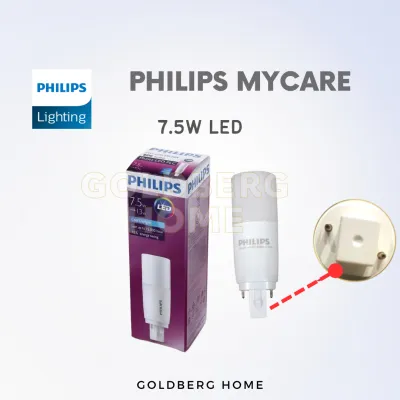
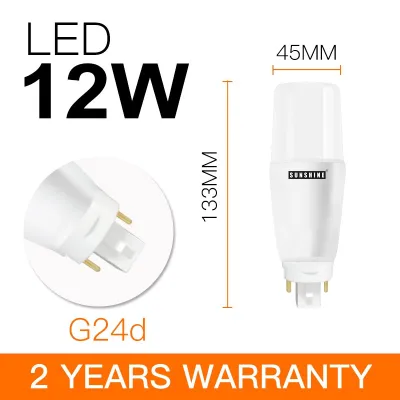
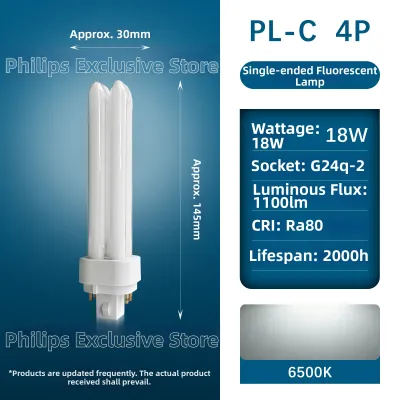
Prices are valid at publication and may change. Please refer to the product page for the latest price.
To determine the true efficiency of a bulb, divide the total lumen output by the wattage consumed. For example, a bulb that produces 400 lumens while consuming 4 watts has an efficacy of 100 lumens per watt (lm/W). A competing bulb that produces the same 400 lumens but consumes 5 watts has an efficacy of only 80 lm/W. When comparing brands, always prioritize the bulb with the higher lm/W rating, as it will deliver the same level of brightness while drawing less power from your electrical mains.
In Singapore, you should look for official energy and safety indicators to verify these manufacturer claims. The National Environment Agency (NEA) regulates energy labeling for various household appliances and lamps. While mandatory energy labels with tick ratings are common for standard lighting, you should check the packaging of 2-pin bulbs for any voluntary or mandatory energy efficiency registrations. Additionally, for mains-voltage bulbs like GU10 or G9, ensure the product carries the Safety Mark issued by Enterprise Singapore. This mark indicates that the bulb has been tested and certified to meet local safety standards, reducing the risk of electrical faults.
Another critical factor in long-term efficiency is lumen depreciation and the rated lifespan of the bulb. All LED bulbs gradually lose brightness over time, a process known as lumen depreciation. High-quality bulbs are designed to maintain at least 70% of their original light output (indicated as the L70 rating) for tens of thousands of hours. A bulb with a lower initial price but rapid lumen depreciation will eventually require premature replacement or run less efficiently, offsetting any initial cost savings.
Evaluating Brands: What to Look For on the Packaging
When evaluating different lighting brands in Singapore, you should focus on the transparency of their product packaging and technical documentation. Reputable manufacturers provide comprehensive, easily accessible datasheets that detail the photometric properties of their bulbs. If a brand hides or omits key specifications, it is difficult to verify whether the product is truly energy-efficient.

A transparent product package or datasheet should clearly state the total lumen output, exact wattage, color rendering index (CRI), power factor, and beam angle. A high power factor (ideally 0.5 or above) means the bulb converts incoming power more effectively, operating efficiently within your home’s wiring system.
Warranty terms serve as a practical indicator of a brand’s confidence in its thermal management and component quality. LED chips are highly sensitive to heat; if a bulb lacks proper heat dissipation, its efficiency will drop rapidly, and the internal driver may fail prematurely. Brands that offer a multi-year warranty (typically two to three years) generally use higher-grade aluminum or ceramic heat sinks and robust electronic drivers. This thermal durability ensures the bulb maintains its high energy efficiency throughout its intended lifespan.
Be cautious of common red flags when browsing products on online marketplaces or in local lighting shops. Avoid brands that only advertise “equivalent wattage” (such as “replaces a 50W halogen”) without providing the actual lumen output or efficacy data. This marketing tactic often masks a lower-quality bulb that consumes more power than necessary. Furthermore, always verify that the brand provides clear contact information, batch numbers, and safety instructions on the packaging.
Compatibility and Safety Checks for 2-Pin Fixtures
Before purchasing highly efficient LED 2-pin bulbs, you must ensure they are physically and electrically compatible with your existing light fixtures. Installing the wrong base type can damage the fixture or create an electrical hazard.
The most common 2-pin bases found in Singapore homes include:
- GU10: Features two thick pins with twist-and-lock feet spaced 10mm apart, operating directly on mains voltage (220V-240V).
- G9: Features two looped metal pins spaced 9mm apart, also operating on mains voltage.
- GU5.3 (MR16): Features two thin, straight pins spaced 5.3mm apart, typically operating on low voltage (12V) via an external transformer.
- G4: Features two very thin, straight pins spaced 4mm apart, commonly used in small decorative fixtures and operating on low voltage.
Voltage compatibility is a critical safety consideration. Mains-voltage bulbs (GU10 and G9) connect directly to your home’s electrical supply. Low-voltage bulbs (GU5.3 and G4) require a step-down transformer to convert the 230V mains voltage to 12V. If you attempt to connect a low-voltage bulb directly to mains voltage, the bulb will fail instantly and could cause a short circuit. Conversely, connecting a mains-voltage bulb to a low-voltage circuit will result in no light output at all.
Heat dissipation is another vital factor, particularly in Singapore’s warm, humid climate. LED bulbs require adequate airflow to dissipate the heat generated by their internal drivers. If you install an LED bulb in a tightly enclosed or recessed downlight fixture, heat can build up rapidly, degrading the LED chips and shortening the bulb’s lifespan. Always check the manufacturer’s instructions to see if the bulb is rated for use in enclosed fixtures.
For safety reasons, always isolate the power at your main distribution board (DB box) before replacing or inspecting any light fixtures. If you are replacing older low-voltage halogen setups with modern LEDs, you may need to upgrade the existing transformers to LED-compatible drivers. Because older magnetic or electronic halogen transformers often have high minimum wattage requirements, they may cause low-wattage LED bulbs to flicker or hum. For any fixed wiring modifications, transformer replacements, or work at height, always engage a licensed electrical worker (LEW) or a qualified professional.
Decision Framework: Choosing the Right Bulb for Your Space
To select the ideal LED 2-pin bulb for your home, you should match the bulb’s technical specifications to the specific requirements of each room. This ensures you maximize energy savings without compromising on light quality.
For high-usage areas where lights remain on for several hours a day, such as kitchens, living rooms, and corridors, prioritize bulbs with the highest lumens per watt (lm/W) and the longest warranty periods. In these spaces, the cumulative energy savings will quickly offset any premium paid for a high-efficiency bulb. Look for models with an efficacy of at least 90 to 100 lm/W to ensure optimal performance.
When replacing low-voltage halogen pins like G4 or GU5.3, pay close attention to physical clearance and transformer compatibility. LED replacement bulbs are often slightly larger than their halogen predecessors because they must house internal driver circuitry. Measure the physical dimensions of your fixture’s housing to ensure the new LED bulb will fit comfortably. Additionally, verify whether your existing transformer can operate at the lower wattage draw of the LED bulb, or plan to replace it with a dedicated LED driver.
For task lighting or areas where visual accuracy is important, such as study desks, vanity mirrors, or kitchen countertops, you may need to balance energy efficiency with the Color Rendering Index (CRI). The CRI measures how accurately a light source reveals the true colors of objects compared to natural daylight. While standard bulbs often have a CRI of 80, high-CRI bulbs (CRI 90 or above) provide much better color clarity. However, because high-CRI phosphors absorb slightly more light, these bulbs may have a marginally lower lm/W rating. In these specific scenarios, prioritizing visual comfort and color accuracy over a minor difference in energy efficiency is a practical trade-off.
Frequently Asked Questions (FAQ)
Do 2-pin LED bulbs consume less power than halogen equivalents?
Yes, 2-pin LED bulbs consume significantly less power than their halogen equivalents, typically reducing energy consumption by 80% to 90% for the same level of brightness. For example, a standard 5W LED bulb can easily replace a 35W or 50W halogen bulb while delivering a comparable light output. This directly translates to lower monthly electricity bills.
However, when replacing low-voltage halogen bulbs (such as GU5.3 or G4), you must consider the hidden energy costs of older magnetic transformers. These older transformers are highly inefficient and can lose a significant amount of energy as heat, even when operating low-wattage LED bulbs. To maximize your energy savings, consider replacing these legacy transformers with modern, highly efficient electronic LED drivers.
Can I use a higher wattage LED 2-pin bulb to get more light?
If you need more light, you should look for a bulb with a higher lumen rating rather than simply choosing a higher wattage. Because LED technology is highly efficient, a small increase in LED wattage can result in a significant jump in brightness. Always check the lumen output printed on the packaging to ensure you are getting the desired level of illumination.
Before installing a brighter bulb, you must verify the maximum wattage limit of your light fixture. Even though LED bulbs draw much less power than halogens, they still generate heat that must be dissipated. Installing a bulb that exceeds the fixture’s rated wattage or physical space limits can cause heat to build up, leading to flickering, premature component failure, or potential safety hazards. Ensure there is sufficient clearance around the bulb for proper ventilation.
Community discussion
Share your experience or ask a question. Comments are reviewed before publication.