
When shopping for energy-efficient lighting in Singapore, you will quickly find that no single brand holds a permanent monopoly on energy efficiency. While major manufacturers frequently advertise their products as the most eco-friendly, actual performance varies significantly across different product lines, bulb shapes, and color temperatures. Finding the most efficient option requires looking past brand names and focusing on specific performance metrics, such as how much light a bulb produces for every watt of electricity it draws. By learning to read packaging specifications and understanding local energy rating systems, you can make an informed choice that minimizes your monthly utility bills.
Understanding LED Energy Efficiency Metrics
To accurately compare the efficiency of different bulbs, you must look at luminous efficacy, which is measured in lumens per watt (lm/W). Lumens represent the total amount of visible light emitted by a source, while watts measure the electrical power consumed. A higher lumen-per-watt ratio means the bulb converts electricity into light more effectively, giving you more brightness for less power. This metric is the most reliable way to compare different brands, as it directly measures performance rather than marketing claims.
In Singapore, the National Environment Agency (NEA) regulates energy labels for lamps to help consumers make quick comparisons. These labels display a tick rating system, where more ticks indicate a higher level of energy efficiency. When browsing options at local retailers or online marketplaces, checking the number of ticks on the energy label provides a standardized way to filter out less efficient models. This system ensures that you can verify the efficiency of a bulb using independent, regulated standards rather than relying solely on manufacturer packaging.
Products mentioned in this guide
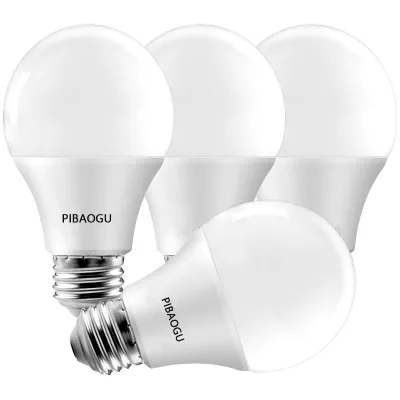
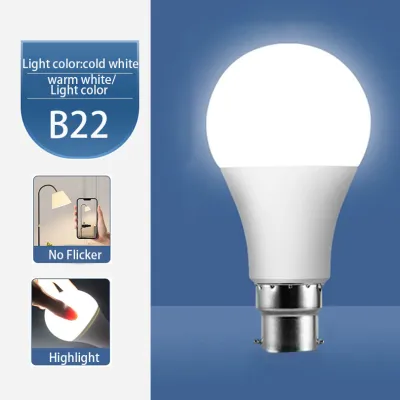
Prices are valid at publication and may change. Please refer to the product page for the latest price.
It is a common mistake to assume that a lower-wattage bulb is automatically the better choice. If a bulb has low wattage but also has very low luminous efficacy, it may not provide enough light for your space. This can force you to install additional fixtures or keep lights turned on longer, ultimately defeating the purpose of choosing a low-wattage option. To avoid this, always look for a bulb that provides the specific brightness you need while drawing the fewest possible watts.
Key Specifications to Check on the Packaging
When evaluating bulbs in-store or online, the packaging contains several critical specifications that reveal true performance. The most important number to locate is the luminous flux, expressed in lumens (lm). Instead of matching the old wattage of incandescent bulbs, you should match the lumen output to ensure the new LED provides equivalent brightness. For example, a traditional 60-watt incandescent bulb typically produces around 800 lumens, which can now be matched by highly efficient LEDs drawing under 10 watts.

The correlated color temperature (CCT) and color rendering index (CRI) also influence how you perceive brightness. Bulbs with a cool white or daylight color temperature (typically 5000K to 6500K) often appear brighter to the human eye than warm white bulbs (2700K to 3000K) of the exact same lumen rating. Additionally, a higher CRI (typically 80 or above) ensures colors appear natural and vibrant, which improves visual comfort and reduces the need to turn on extra task lighting. Understanding these visual factors helps you choose a bulb that feels bright and comfortable without needing to over-specify the wattage.
You should also check the rated lifespan and lumen maintenance of the bulb. LEDs rarely burn out suddenly; instead, their light output gradually declines over time. Look for the rated operating hours on the box, along with indicators of how well the bulb maintains its brightness over its lifespan. A bulb that maintains its lumens longer will remain highly efficient throughout its entire service life, saving you from premature replacement costs and ensuring consistent light quality over many years.
Comparing Popular LED Bulb Categories
Different bulb designs serve distinct lighting purposes, and their physical structures directly impact their overall efficiency. Standard omnidirectional bulbs are designed to distribute light evenly in all directions, making them ideal for general ambient lighting in living rooms and bedrooms. These bulbs generally offer balanced efficacy ratings and are highly versatile for standard household fixtures, providing a reliable baseline for home energy savings.
Directional bulbs, such as spotlights and downlights, focus their light into a concentrated beam. The beam angle determines how effectively the light is delivered to a specific surface, such as a kitchen countertop or a study desk. Because these bulbs direct light exactly where it is needed rather than scattering it across walls and ceilings, they can often make a room feel brighter while using fewer total lumens. This targeted illumination is highly efficient for task-oriented spaces.
Decorative and filament LED bulbs mimic the vintage look of traditional carbon filament lamps. While they add aesthetic appeal to dining areas or cafes, their design often limits their maximum energy efficiency. The materials and structures used to create the glowing filament look typically result in a lower lumen-per-watt ratio compared to standard utility LEDs, meaning you trade some energy efficiency for visual style. Understanding this trade-off allows you to reserve decorative bulbs for accent areas while using high-efficacy bulbs for primary lighting.
How to Calculate Long-Term Energy Savings
Calculating the actual operating cost of a bulb allows you to see the financial impact of your purchase over time. You can estimate the annual energy cost of any bulb using a straightforward formula. First, divide the bulb’s wattage by 1,000 to convert it to kilowatts. Multiply this number by your estimated daily usage hours, then multiply by 365 days to find the annual kilowatt-hour (kWh) consumption. Finally, multiply the total annual kWh by your current local electricity tariff in S$ per kWh to find the yearly running cost.
To find the true cost of ownership, you must combine this annual running cost with the upfront purchase price. A highly efficient bulb might carry a slightly higher retail price, but its lower energy consumption and longer rated lifespan often offset the initial expense within the first year or two of operation. Over the lifespan of the bulb, the accumulated savings on your electricity bill will far outweigh the initial price difference between a standard model and a premium, high-efficacy option.
When upgrading from older halogen or compact fluorescent lamps (CFLs) to modern high-efficacy LEDs, the break-even point is often reached very quickly. Because LEDs use a fraction of the power of older technologies, the monthly savings on your utility bill will rapidly cover the cost of the new bulbs, especially in high-use areas like kitchens and corridors. This makes lighting upgrades one of the most cost-effective ways to lower household energy consumption in Singapore.
Decision Framework: Matching Bulb Specs to Your Lighting Needs
Selecting the right LED bulb requires balancing energy efficiency with your specific household requirements and fixture types. If your primary goal is pure energy savings and maximum lumens per watt, choose standard, high-efficacy LED bulbs for frequently used spaces. These bulbs provide the highest light output for the lowest power draw without any added features that consume extra energy, making them the most practical choice for utility areas, kitchens, and main living spaces.
If you prefer automated scheduling, occupancy sensing, or precise dimming control, smart LED bulbs are a practical option. While smart bulbs draw a small amount of standby power even when turned off to maintain their wireless connection, their ability to automatically turn off when rooms are empty or dim during off-peak hours can offset this minor standby consumption. They are best suited for spaces where automated controls can actively prevent lights from being left on unnecessarily.
Before purchasing, always verify the installation environment and fixture compatibility. If you plan to install bulbs in enclosed fixtures, damp locations like bathrooms or balconies, or fixtures controlled by legacy dimmer switches, you must check the manufacturer’s labels for compatibility. Incompatible pairings can cause flickering, overheating, and a drastically reduced lifespan. For any fixed electrical wiring modifications, work at height, or installations in wet areas, always isolate the power supply and consult a qualified professional to ensure safety.
Frequently Asked Questions (FAQ)
Do smart LED bulbs consume more electricity than standard ones?
Yes, smart LED bulbs consume a very small amount of electricity even when they are turned off, which is known as standby power. This standby draw is necessary to keep the bulb’s wireless receiver active so it can respond to app commands or smart home schedules. However, you can easily offset this minor energy use by using automated schedules and motion sensors to ensure the lights only operate when someone is actually in the room.
Does a higher wattage always mean a brighter LED bulb?
No, wattage only measures the amount of electrical power a bulb consumes, not the amount of light it produces. Brightness is measured in lumens. Because different brands and models have varying levels of efficiency, a high-quality, lower-wattage LED bulb can produce the same or even greater brightness than a less efficient bulb with a higher wattage rating. Always compare the lumen output on the packaging to determine actual brightness.
How does the local energy label apply to LED bulbs?
In Singapore, the energy label regulated by the National Environment Agency helps consumers quickly identify efficient appliances and lamps. The label features a tick rating system where more ticks represent higher energy efficiency. When comparing LED bulbs, looking for models with a higher number of ticks allows you to easily identify which products deliver the best luminous efficacy and will cost the least to run over time.
Community discussion
Share your experience or ask a question. Comments are reviewed before publication.