
When shopping for energy-efficient lighting in Singapore, there is no single brand that universally dominates the market. Energy efficiency is not a static brand characteristic; instead, it varies significantly across specific product lines, depending on the quality of the LED chips, the design of the driver, and the effectiveness of the thermal management system. To find the most efficient option for your home, you must evaluate the technical specifications of individual models rather than relying on brand reputation or marketing slogans. The primary metric to look for is luminous efficacy, measured in lumens per watt (lm/W). By focusing on verified specifications and local safety certifications, you can identify which specific product line will deliver the best long-term energy savings for your space.
Core Metrics for Comparing LED Strip Efficiency
To accurately compare the energy efficiency of different LED strip lights, you need to understand three core technical metrics: lumens per watt, watts per meter, and driver efficiency.
Luminous efficacy, expressed as lumens per watt (lm/W), is the most critical indicator of how efficiently a light source converts electricity into visible light. You can calculate this by dividing the total light output (lumens) by the power consumed (watts). For example, a strip that produces 1,200 lumens per meter while consuming 10 watts per meter has an efficacy of 120 lm/W. A less efficient model might consume 15 watts to produce the same 1,200 lumens, resulting in an efficacy of only 80 lm/W. When evaluating options, always prioritize models with higher lm/W ratings, as they deliver more brightness for every dollar spent on your electricity bill.
Products mentioned in this guide
![[SG Seller] 24V COB LED Striplight Strip Light 5meters Extra Bright Improved Version GSE 8mm 5mm](https://img.lazcdn.com/g/p/6a7f93e1548fffd8ade77d6231563d9d.png_400x400q80.png_.webp)
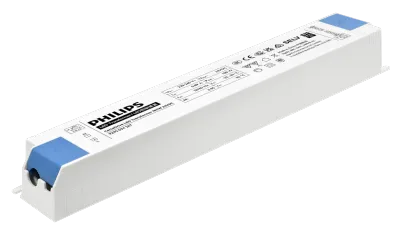
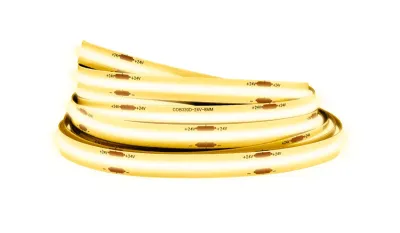
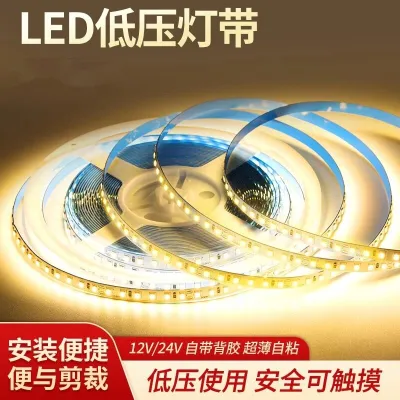
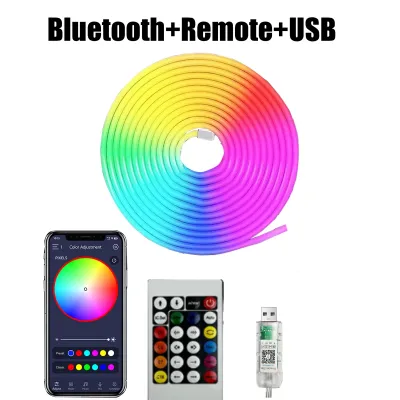
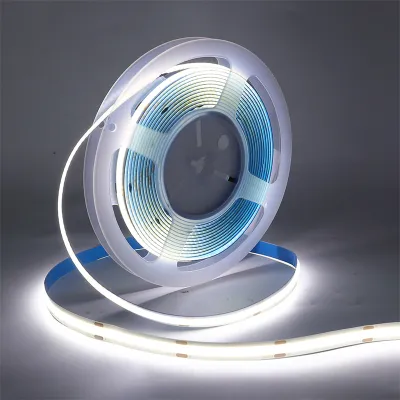
Prices are valid at publication and may change. Please refer to the product page for the latest price.
Watts per meter (W/m) dictates the total power consumption of your installation based on the required length. If you plan to install 15 meters of cove lighting in your living room, a strip rated at 14.4 W/m will draw 216 watts of power. In contrast, a highly efficient strip rated at 8 W/m will draw only 120 watts while offering comparable brightness. Understanding this metric helps you estimate the ongoing operating costs and select an appropriately rated power supply.
The efficiency of the LED driver, or power supply, is another critical factor that is often overlooked. The driver converts Singapore’s 230V mains AC power into the low-voltage DC power (typically 12V or 24V) required by the LED strip. Inefficient drivers lose a significant amount of energy as heat. If you pair a highly efficient LED strip with a cheap, inefficient driver, the overall system efficiency will suffer. Look for drivers with an efficiency rating of 85% or higher to ensure minimal energy waste.
How to Verify Energy Claims on Packaging and Listings
With the rise of online shopping, e-commerce platforms are flooded with misleading marketing claims. It is common to see unverified terms like “ultra-bright,” “extreme energy saver,” or “zero-power consumption” on product listings. To avoid falling for these marketing traps, you must know how to verify these claims using objective data.

First, look for standardized energy rating labels and recognized electrical safety certifications on the physical packaging. In Singapore, electrical components like LED drivers should carry the Safety Mark issued by Enterprise Singapore. This mark ensures that the product has undergone rigorous testing to meet local safety standards, reducing the risk of electrical hazards and ensuring stable power delivery.
Second, always cross-reference the claims made on online listings with the manufacturer’s official specification sheets. Reliable brands publish detailed datasheets that outline the exact lumen output, wattage, and testing conditions of their products. If an online listing claims an impossibly high brightness level at an extremely low wattage, but the manufacturer’s datasheet shows different figures, trust the official datasheet. Be skeptical of products that do not provide any technical datasheets or lack clear certification marks. A lack of transparent data usually indicates that the product has not undergone standardized third-party testing, meaning its energy efficiency and safety claims are unverified.
Brand Comparison Framework: What to Check Before Buying
When comparing different brands available in the local market, a structured framework can help you weigh the trade-offs between cost, performance, and efficiency.
One major trade-off to consider is the relationship between the Color Rendering Index (CRI) and energy efficiency. CRI measures how accurately a light source reveals the true colors of objects compared to natural light. While a high CRI (90 or above) is highly desirable for task areas like kitchens or vanity mirrors, achieving this level of color accuracy typically requires more power, slightly lowering the overall lm/W efficiency. For general ambient cove lighting where color precision is less critical, a CRI of 80 is usually sufficient and offers better energy efficiency.
You should also compare the long-term performance and warranties offered by different brands. Premium international brands often provide detailed lumen depreciation ratings (such as L70, which indicates how many hours the strip will run before its brightness drops to 70% of its original output) and back their products with multi-year warranties. Budget-friendly alternatives may have lower upfront costs, but they often lack these performance guarantees, meaning they may dim rapidly or fail prematurely, leading to higher replacement costs over time.
While standard led bulbs strip away the complexity of external drivers, LED strip lights require a dedicated power supply and careful planning. When comparing traditional led bulbs, strip lights offer a more continuous, linear glow that is ideal for architectural highlighting, but they require a higher initial investment in drivers and profiles. Additionally, if you plan to integrate your lighting into a smart home ecosystem, check the compatibility and standby power consumption of the smart controllers. Some low-quality smart controllers draw a continuous current even when the lights are turned off, quietly inflating your monthly energy bill.
Installation Factors That Affect Real-World Energy Savings
Even the most efficient LED strip light can perform poorly if it is installed incorrectly. Real-world energy savings depend heavily on physical installation conditions and daily usage habits.
Heat dissipation is the single most critical factor affecting LED efficiency and lifespan. Although LEDs generate far less heat than traditional incandescent bulbs, they still produce thermal energy that must be dissipated. If heat is trapped behind a false ceiling or inside a tight wooden cabinet, the LED chips will overheat, causing their efficiency to drop and accelerating their degradation. Installing the strips inside aluminum profiles with diffusers acts as an effective heat sink, drawing heat away from the chips and maintaining peak operating efficiency.
Voltage drop is another common installation issue, particularly in long runs of low-voltage strips. As electrical current travels down the thin copper tracks of a strip, resistance causes the voltage to drop, resulting in dimmer light at the far end of the run. To compensate for this dimness, some users mistakenly install higher-wattage strips or larger power supplies, which wastes energy. To prevent voltage drop without wasting power, use 24V systems instead of 12V systems for longer runs, or inject power at both ends of the strip.
Finally, incorporating smart controls like dimmers, timers, and motion sensors can dramatically optimize your daily energy consumption. Dimming your lights by just 20% can result in noticeable energy savings while still providing ample illumination for evening relaxation. Timers and motion sensors ensure that lights are automatically turned off in unoccupied rooms, preventing unnecessary power draw.
For installations involving fixed wiring, work at height, or damp environments like bathrooms and outdoor balconies, always isolate the power before starting and consult a qualified professional to ensure compliance with local electrical standards.
Final Decision Checklist for Your Lighting Project
To select the best energy-efficient LED strip light for your home, use this practical decision checklist:
- Identify the Lighting Purpose: Choose high-CRI (90+) strips for task lighting where color accuracy matters, and high-efficacy (100+ lm/W) strips with a standard CRI (80) for ambient cove lighting.
- Calculate Total Wattage: Multiply the watts per meter by the total length of the strip to determine the total power draw.
- Select the Right Driver: Choose a high-efficiency driver (85%+) and apply a 20% safety margin (e.g., use a 100W driver for an 80W load) to prevent overheating.
- Verify Safety Certifications: Ensure the driver carries the local Safety Mark and is compatible with Singapore's 230V mains voltage.
- Plan for Heat Dissipation: Always use aluminum profiles to ensure proper heat sinking, especially in enclosed spaces.
- Check Warranty and Return Policies: Opt for brands that offer clear warranties on both the LED strip and the driver to protect your investment.
Frequently Asked Questions (FAQ)
Do higher wattage LED strips always produce more light?
No, higher wattage does not automatically guarantee more light output. Wattage only measures the amount of electrical power the strip consumes. The actual brightness is measured in lumens. A highly efficient LED strip with a high lumens-per-watt (lm/W) ratio can produce the same amount of light as a lower-efficiency strip while consuming significantly less power. Always compare the luminous efficacy rather than relying on wattage alone to judge brightness.
Does the color of the LED strip affect its energy consumption?
Yes, the color and type of LED strip directly impact its energy consumption. Single-color strips have a stable and predictable power draw based on their rated wattage. In contrast, RGB (Red, Green, Blue) and tunable white strips vary their power consumption depending on the color and brightness levels selected. For example, displaying a mixed color like white on an RGB strip requires all three color chips to run at full capacity, drawing maximum power, whereas displaying a single primary color like red uses only a fraction of the total wattage.

Community discussion
Share your experience or ask a question. Comments are reviewed before publication.