
Selecting a home fragrance is an intentional design choice that shapes how you experience your living space. A room spray from Mad Parfumeur offers an immediate, customizable way to alter the atmosphere of a room, but finding the right scent requires looking beyond basic fragrance names. To make an informed choice, you must evaluate how different olfactory families interact with your home’s layout, room functions, and environmental conditions like humidity and airflow. By establishing a systematic selection process, you can find a scent that complements your lifestyle without overwhelming your senses.
Modern residential layouts, particularly compact apartments and open-plan living spaces, present unique challenges for scent distribution. A fragrance that works beautifully in a closed bedroom might get lost in a combined living and dining area, while a powerful scent designed for large spaces can easily overpower a small study. Understanding the relationship between architectural design and scent behavior is the first step toward creating a balanced sensory environment. This guide provides a structured framework to help you evaluate scent families, adjust for room conditions, and build a personalized shortlist before making a purchase.
Understanding Mad Parfumeur's Olfactory Families
To navigate the diverse offerings of Mad Parfumeur, it helps to understand the primary olfactory families used in home perfumery. Citrus scents, featuring notes like bergamot, lemon, and grapefruit, are widely recognized for their bright, uplifting qualities. Woody profiles, which often incorporate cedar, sandalwood, or vetiver, ground a space with earthy, warm undertones. Floral families range from light, powdery rose to rich jasmine, offering a classic, decorative atmosphere. Oriental or spicy profiles introduce amber, vanilla, and warm spices, creating a cozy, substantive environment, while aromatic scents rely on herbs like lavender, rosemary, and mint to deliver a crisp, natural feel.
Products mentioned in this guide
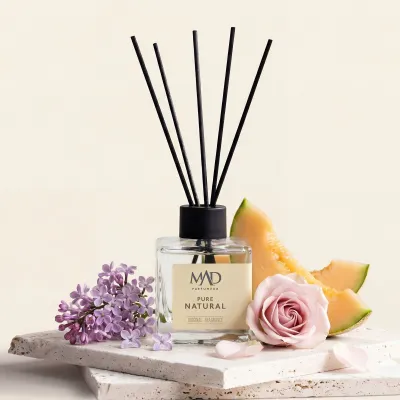
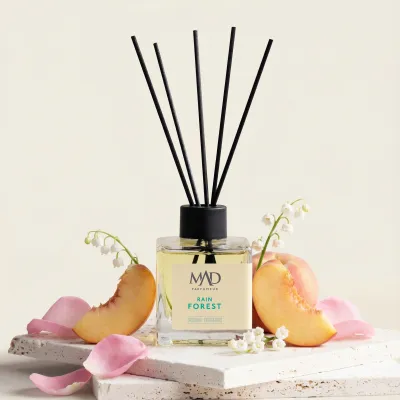
Prices are valid at publication and may change. Please refer to the product page for the latest price.
Understanding how these families behave over time requires analyzing the fragrance pyramid listed on the product label. The top notes are the initial scents you perceive immediately after spraying; these are typically light, volatile molecules like citrus or light herbs that disperse quickly. The heart notes, or middle notes, emerge as the top notes fade, forming the core character of the fragrance and lasting for several hours. Finally, the base notes consist of heavy, slow-evaporating molecules like musk, wood, or resins that linger long after the initial spray, providing the lasting foundation of the scent in your room.
When shopping, look past creative marketing names and focus on the manufacturer’s official ingredient lists and dominant note profiles. Many brands provide detailed breakdowns of their fragrance compositions on their packaging or official websites. By identifying the specific botanical or synthetic compounds listed, you can anticipate whether a spray will lean sweet, sharp, dry, or medicinal. This analytical approach prevents purchasing decisions based solely on packaging design or abstract descriptions, ensuring the actual scent matches your expectations.
Additionally, pay attention to whether the formulation relies primarily on natural essential oils or synthetic aroma compounds. Natural oils often provide a complex, evolving scent profile but can be highly volatile and sensitive to light and heat. Synthetic compounds, on the other hand, offer greater stability, consistency, and longevity in various indoor environments. Checking the ingredient label also allows you to identify potential allergens or sensitizing agents, which is a critical safety step for any household.
Matching Scents to Room Types and Functions
Every room in your home serves a distinct purpose, and the fragrance you introduce should support, rather than disrupt, that function. In living areas and social spaces, the goal is to create a welcoming, balanced environment. Because these rooms host diverse activities and multiple people, opt for universally appealing profiles that facilitate conversation without dominating the air. Mild woody blends, soft ambers, or subtle citrus-infused florals work well here, as they provide a pleasant background presence without interfering with the aroma of food or drinks during social gatherings.

For bedrooms and rest zones, the priority shifts entirely toward relaxation and sleep hygiene. Heavy, stimulating scents can interfere with rest, so it is best to avoid sharp citrus or intense spices in these areas. Instead, prioritize calming, low-intensity profiles such as lavender, chamomile, soft vanilla, or light sandalwood. These notes help signal to the brain that it is time to wind down, creating a serene sanctuary. When applying room sprays in the bedroom, spray well before bedtime to allow the top notes to dissipate, leaving only the gentle, soothing base notes.
Bathrooms and utility areas require a different approach, focusing on freshness and cleanliness. These spaces often deal with high humidity and localized odors, making crisp, clean fragrance profiles highly effective. Look for room sprays dominated by eucalyptus, mint, tea tree, or sharp citrus notes. These ingredients complement the functional nature of the space and help neutralize stale air. However, avoid overly sweet or heavy floral scents in small, damp areas, as they can combine with humidity to create an oppressive, cloying atmosphere.
Home offices and study areas benefit from scents that promote focus, clarity, and mental stamina. When working from home, especially in compact urban apartments, a sluggish environment can hinder productivity. Invigorating notes like rosemary, peppermint, lemon, and green tea can help stimulate the mind and maintain alertness. Avoid heavy, sweet, or deeply relaxing base notes in your workspace, as they can induce drowsiness. A light, aromatic mist sprayed near your desk area can provide a quick sensory reset during long working hours.
Transitional spaces, such as entryways, foyers, and hallways, represent another important zone for home fragrance. These areas establish the first impression for anyone entering your home, making them ideal for signature scents that reflect your personal style. Since hallways are high-traffic zones with constant air movement, opt for medium-intensity scents that carry well without becoming trapped. A balanced blend of light woods and soft citrus can create an inviting transition from the outdoors into your private living space.
Adjusting Fragrance Intensity for Room Size and Ventilation
The physical characteristics of your space play a critical role in how a room spray performs. In small, enclosed areas like hallways, walk-in wardrobes, or powder rooms, scent molecules become concentrated very quickly. To prevent olfactory fatigue or headaches, limit your application to a single, light spray. In contrast, large, open-plan living and dining areas require a more strategic approach. You may need to apply multiple sprays in different corners of the room to achieve an even distribution, focusing on areas with gentle air movement to help carry the scent across the space.
Environmental factors such as natural ventilation, air conditioning, and local humidity levels significantly influence scent diffusion and longevity. In tropical climates like Singapore, high humidity can cause fragrance molecules to hang heavily in the air, sometimes intensifying sweet or musky notes. Conversely, running an air conditioner dries out the air and creates continuous circulation, which can cause light citrus and floral notes to dissipate much faster. If your room is highly ventilated with open windows and ceiling fans, the scent will carry beautifully but will require more frequent applications to sustain its presence.
When using air conditioning, be mindful of where you direct the spray. Avoid spraying directly into the intake vents of your air conditioning unit, as this can cause the fragrance to build up on the internal filters, leading to a stale, distorted scent over time. Instead, spray toward the center of the room, allowing the natural airflow generated by the unit’s louvers to distribute the mist evenly. This ensures a more natural dispersion pattern and prevents the fragrance from being immediately stripped out of the air by the filtration system.
Always consult the product label for specific usage instructions, safety warnings, and recommended spraying distances. Most manufacturers advise spraying upward into the center of the room, keeping the nozzle at least 30 centimeters away from any walls, furniture, or light fixtures. This prevents the concentrated liquid from settling directly on surfaces, which can leave oily residues, discolor paint, or damage delicate wood finishes. Understanding these physical dynamics ensures you enjoy the fragrance safely and efficiently without damaging your home decor.
Building Your Personalized Shortlist
Before finalizing your purchase, it is essential to build a personalized shortlist that accounts for practical household considerations. Start by reviewing the ingredient disclosures on the packaging, especially if anyone in your household has known respiratory sensitivities, allergies, or asthma. Additionally, if you share your home with pets, keep in mind that certain concentrated essential oils and synthetic fragrance compounds can be toxic to dogs and cats. Checking the safety data sheets or consulting with a veterinarian regarding specific ingredients is a crucial step in maintaining a safe home environment.
Next, evaluate the value proposition of the product by comparing the cost per milliliter across different bottle sizes. While larger bottles often offer a lower unit price, they may not be the most practical choice if you prefer to rotate scents frequently or are testing a fragrance for the first time. Calculate your anticipated usage frequency—whether you plan to spray daily or only on special occasions—and align this with your home fragrance budget. For instance, budgeting S$30 to S$60 for a high-quality room spray can yield a product that lasts several months when used selectively.
Finally, prioritize hands-on testing before committing to a full-sized bottle. Fragrances smell vastly different in a retail store compared to how they dry down in your actual living space, where they interact with your home’s unique baseline odors, humidity, and airflow. If available, purchase a discovery set or small sample sizes to test the spray at home over a few days. If shopping in person, spray a tester card and carry it with you for several hours to observe how the heart and base notes develop over time, ensuring you truly enjoy the fragrance’s complete evolution.
When testing a fragrance on a paper blotter or tester card, avoid holding it directly to your nose immediately after spraying. The high concentration of alcohol used as a carrier in many room sprays can temporarily numb your olfactory receptors, distorting your perception of the actual scent. Instead, wave the card gently in the air for a few seconds to allow the alcohol to evaporate, then hold it a few centimeters away to experience the true top notes. This simple technique ensures a much more accurate assessment of the fragrance profile.
Frequently Asked Questions (FAQ)
How long does a room spray scent typically last?
The longevity of a room spray fragrance varies widely based on room size, ventilation, and the specific ingredients used in the blend. Generally, a standard application can linger in the air anywhere from one to several hours. Scents dominated by heavy base notes like patchouli, amber, or cedarwood tend to last significantly longer than those relying on volatile top notes like citrus or mint. To manage expectations, check the manufacturer’s product description for any estimated duration claims, and remember that closed, air-conditioned rooms will retain fragrance longer than highly ventilated spaces.
Can I use room spray on fabrics and linens?
Whether you can apply a room spray to fabrics depends entirely on the product’s formulation and the manufacturer’s explicit guidelines. Some room sprays are dual-purpose and safe for linens, while others contain alcohol, synthetic solvents, or natural oils that can stain, discolor, or degrade delicate textiles. Never spray directly onto sensitive materials such as silk, leather, suede, or light-colored upholstery. If the manufacturer indicates the spray is fabric-safe, always perform a spot test on a small, hidden area of the material first and allow it to dry completely to verify compatibility.
Community discussion
Share your experience or ask a question. Comments are reviewed before publication.