
Selecting the right MUJI essential oil involves matching specific botanical scent profiles to your personal wellness goals, whether you want to wind down for a restful night, sharpen your focus during work, or create a serene environment to relax. MUJI offers a diverse range of single-note essential oils and pre-blended synergy oils designed to work seamlessly with their signature ultrasonic diffusers. By understanding how different scent families interact with your senses and learning how to read product labels, you can curate an aromatherapy routine that safely and effectively enhances your living space.
Map Scent Families to Your Wellness Goals
To choose the ideal scent, start by identifying the primary atmosphere you want to create in your home. Aromatherapy relies on distinct scent families, each characterized by unique volatile organic compounds that influence your environment in different ways.
For sleep and evening wind-down routines, prioritize floral, woody, or earthy notes. Lavender is a classic floral option widely recognized for its ability to foster a tranquil atmosphere conducive to rest. If you prefer a more grounding, forest-like aroma, woody oils such as hinoki (Japanese cypress) or cedarwood offer a deep, comforting scent profile that mimics the calming effect of nature. Earthy notes like vetiver provide a heavy, lingering base that helps quiet a busy mind before bed.
Products mentioned in this guide
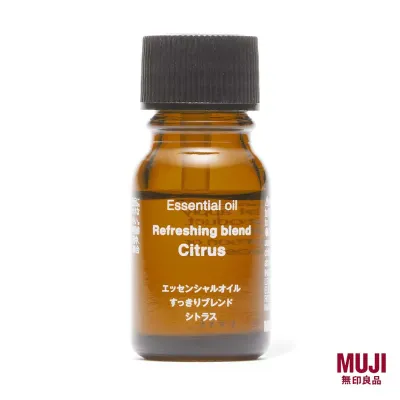
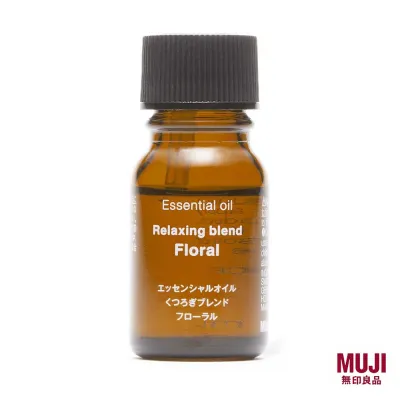
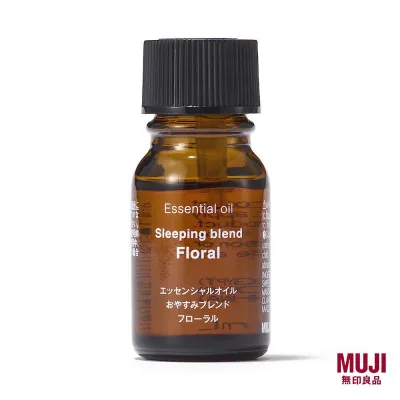
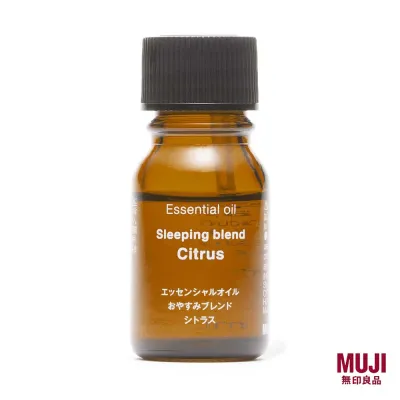
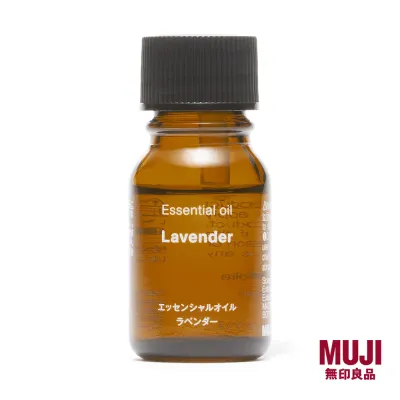
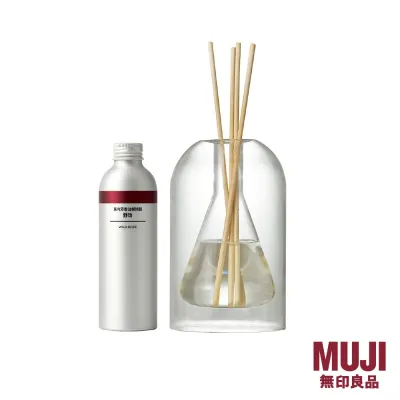
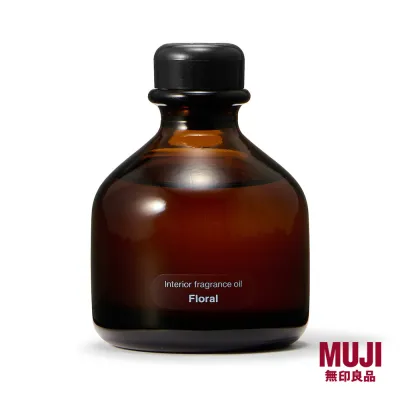
Prices are valid at publication and may change. Please refer to the product page for the latest price.
When your goal is focus, mental clarity, and productivity, turn to herbal, minty, or camphoraceous scent families. Peppermint is highly effective for morning or afternoon slumps, offering a crisp, cooling sensation that helps stimulate the senses and promote alertness. Rosemary and eucalyptus are excellent herbal and camphoraceous choices that support deep breathing and mental sharpness, making them ideal companions for study sessions or remote work hours.
For general relaxation and stress relief without heavy drowsiness, citrus and light floral notes are highly versatile. Sweet orange, grapefruit, and bergamot deliver bright, uplifting aromas that help ease tension and elevate your mood after a demanding day. Light florals like geranium offer a balanced, sweet aroma that softens the atmosphere, allowing you to transition smoothly from work mode to leisure time.
How to Verify Purity and Quality on MUJI Labels
Navigating the aromatherapy aisle requires a careful eye, as not all scented liquids are created equal. When browsing MUJI’s selection, the first step is to distinguish between 100% pure essential oils and synthetic fragrance oils. Pure essential oils are extracted directly from plants via steam distillation or cold pressing, containing only the natural aromatic compounds of the source botanical. Synthetic fragrance oils, often labeled as “interior fragrance oils” or “home fragrances,” are chemically formulated to mimic scents and do not offer the same aromatherapy benefits; they are strictly for home perfuming.

To verify purity, examine the ingredient list on the product packaging. A genuine essential oil will list the single botanical ingredient, often accompanied by its scientific botanical name in italics, such as Lavandula angustifolia for lavender or Citrus sinensis for sweet orange. The label should also specify the plant part used—such as the flower, leaf, peel, or wood—and the extraction method. This level of detail ensures you are purchasing a high-quality, unadulterated product with predictable scent characteristics.
Additionally, consider whether a single-note oil or a pre-blended synergy oil fits your lifestyle. Single-note oils contain only one plant extract, giving you complete control over the scent profile and allowing you to experiment with custom blending. Pre-blended synergy oils, which MUJI often categorizes by themes like “Sleep” or “Relax,” combine multiple pure essential oils in precise ratios. These blends offer maximum convenience, saving you the step of purchasing and mixing multiple bottles to achieve a balanced, multi-layered aroma.
Safe Diffusing Practices for Your Household
While diffusing essential oils can significantly enhance your indoor environment, practicing safe aromatherapy is crucial to protect the well-being of everyone in your home. One of the most common mistakes is running a diffuser continuously for hours. This can lead to olfactory fatigue, where your nose becomes desensitized to the scent, and may cause mild respiratory irritation or headaches. Instead, adopt an intermittent diffusion cycle, running your device for 30 to 60 minutes, followed by an equal or longer break to allow the air to clear.
Household composition is another vital factor to consider before diffusing. Pets, particularly cats and dogs, have highly sensitive respiratory systems and livers that cannot easily metabolize certain essential oil compounds. Oils such as tea tree, eucalyptus, citrus, and peppermint can be highly toxic to pets if inhaled in high concentrations or absorbed through the skin. Similarly, pregnant individuals and infants require extra caution; many aromatherapists recommend avoiding diffusion entirely in rooms occupied by babies under six months old, and using only highly diluted, gentle oils in well-ventilated spaces for older children.
Always prioritize room ventilation when diffusing any essential oil. Keep a door slightly ajar or ensure there is adequate airflow to prevent the concentration of volatile compounds from becoming overwhelming. If you or anyone in your household experiences stop conditions—such as headaches, watery eyes, coughing, nausea, or dizziness—turn off the diffuser immediately, open the windows to ventilate the space, and move to an area with fresh air.
Adjusting Oil Volume for Your Diffuser Type
The way you experience an essential oil depends heavily on the technology of your diffuser. Different devices disperse oils into the air using distinct mechanisms, requiring you to adjust your oil volume and usage habits accordingly.
Ultrasonic diffusers are the most common type found in modern homes. These devices use water and ultrasonic vibrations to create a fine, cool mist that carries the essential oil into the room. When setting up an ultrasonic diffuser, always verify the voltage compatibility of the power adapter, ensure the device is placed on a stable, level surface away from other electrical appliances, and check for local electrical safety certifications before plugging it in. Because the oil is diluted in water, you must adjust your drop count based on the water tank capacity. For a standard 100ml tank, starting with 2 to 3 drops of essential oil is generally sufficient for a small room, while a larger 300ml or 500ml tank in a spacious living area may require 5 to 10 drops. Always verify the manufacturer’s instructions for your specific model to avoid overloading the internal ultrasonic plate.
Nebulizing diffusers, by contrast, do not use water. Instead, they use pressurized air to atomize pure, undiluted essential oil directly into the air. This results in a much more intense and immediate scent profile. Because the concentration is so high, you should run nebulizing diffusers for very short periods—often just 5 to 10 minutes is enough to scent a room—and expect to consume oil at a faster rate than with ultrasonic models.
Heat or evaporative diffusers, such as ceramic oil burners or stone diffusers, rely on ambient temperature or a gentle heat source to evaporate the oil. Heat can alter the chemical structure of some delicate oils, causing lighter top notes like citrus to evaporate very quickly, while heavier base notes like cedarwood linger longer. When using heat-based models, ensure the heat source is stable, never leave a burning candle unattended, and clean the reservoir regularly to prevent oil residue from burning and creating unpleasant odors.
Frequently Asked Questions (FAQ)
Can I Blend Different Essential Oils Together?
Yes, blending different essential oils is an excellent way to customize your aromatherapy experience to target multiple wellness goals at once. To create a balanced blend, follow the classic perfumery structure of combining top, middle, and base notes. Top notes, like sweet orange or peppermint, provide the initial, bright burst of scent but evaporate quickly. Middle notes, such as lavender or geranium, form the heart of the blend and tie the scents together. Base notes, like cedarwood or patchouli, provide depth and help the aroma linger in the room. Start by testing small batches in a separate glass dropper bottle, recording your drop ratios so you can easily replicate your favorite combinations.
How Should I Store Essential Oils to Maintain Quality?
To preserve the therapeutic properties and scent quality of your essential oils, proper storage is essential. Essential oils are highly sensitive to light, heat, oxygen, and moisture, which can cause them to oxidize and degrade over time. Always store your oils in their original amber or dark glass bottles, which help filter out damaging ultraviolet light. Keep the bottles in a cool, dark, and dry place, such as a drawer or a dedicated storage box, away from direct sunlight and heat sources like radiators. Ensure the caps are twisted tightly after every use to minimize exposure to air, and regularly check your oils for any changes in color, consistency, or scent, which can indicate that the oil has expired.
Community discussion
Share your experience or ask a question. Comments are reviewed before publication.