
Finding the perfect paint by numbers kit is about matching an artistic style to your personal taste, your home’s interior design, and your current skill level. The three primary styles—abstract, landscape, and portrait—each offer a completely unique painting experience and visual result. Abstract designs provide a modern, highly forgiving, and low-stress creative outlet. Landscapes bring the calming beauty of nature indoors, offering a moderate and rewarding challenge. Portraits deliver a deeply personal, highly detailed project that requires precision, focus, and patience. By understanding how these styles differ in their technical demands and decorative impact, you can confidently select a kit that beautifies your space and provides a deeply satisfying creative journey.
Diagnose Your Space and Decor Goals
Before purchasing a paint by numbers kit, evaluate the physical environment where your finished masterpiece will hang. In Singapore, where residential spaces like HDB flats and condominiums require thoughtful layout planning, wall decor plays a pivotal role in defining a room’s atmosphere. The scale of your wall, surrounding furniture, and the room’s primary function should all influence your choice of art style.
Consider how room psychology interacts with different visual styles. A busy living room or dining area benefits from an energetic, conversation-starting focal point, whereas a bedroom or dedicated study requires a calming, restful retreat. Lighting is another critical factor. A wall that receives abundant natural light can handle deep, saturated colors without making the room feel smaller. Conversely, a dimly lit hallway or a corner shaded from natural light will require high-contrast artwork or pastel tones to avoid looking gloomy.
Products mentioned in this guide
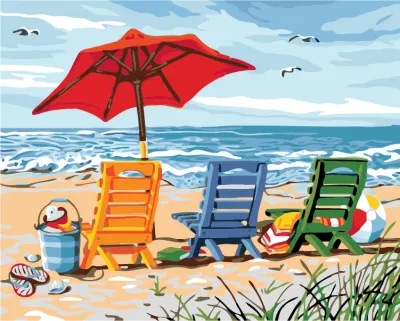
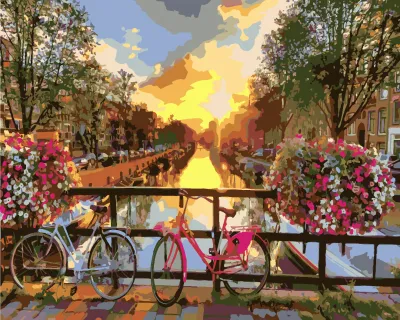
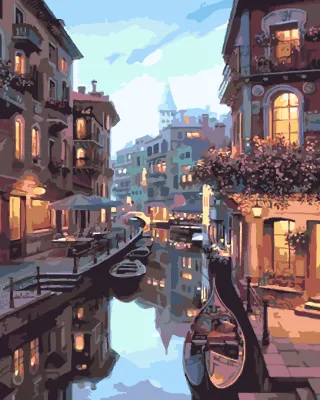
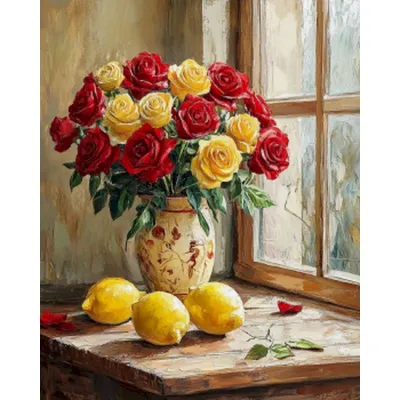
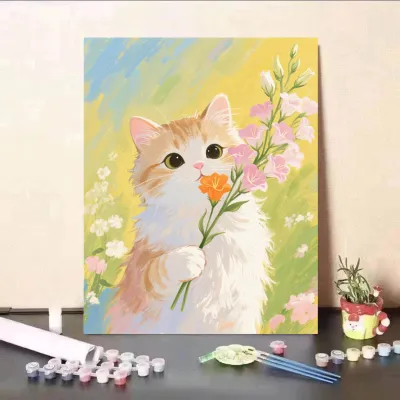
Prices are valid at publication and may change. Please refer to the product page for the latest price.
To help clarify your design objectives, walk through this quick self-assessment checklist:
- Integration vs. Contrast: Do you want your finished painting to blend seamlessly with your existing Scandinavian, industrial, or minimalist decor, or do you want it to stand out as a bold, contrasting statement piece?
- Color Palette Harmony: Are you looking to echo the specific accent colors of your cushions and rugs, or do you want to introduce an entirely new color scheme to the room?
Compare the Styles: Abstract, Landscape, and Portrait
Choosing between abstract, landscape, and portrait styles is the most critical decision in your paint by numbers journey. Each style represents a distinct creative path, offering a unique rhythm of painting and a different type of visual satisfaction. The right choice depends on finding a balance between the aesthetic look you want to achieve on your walls and your willingness to engage with specific levels of detail.

Some painters thrive when working with broad, expressive brushstrokes and large color blocks, while others find immense satisfaction in the meticulous detail required to bring a realistic face or a complex natural scene to life.
Abstract Paint by Numbers
Abstract paint by numbers kits are defined by their bold color blocks, geometric patterns, and fluid, expressive shapes that do not attempt to represent external reality. This style is exceptionally popular in modern Singaporean homes, particularly those featuring minimalist, mid-century modern, or eclectic interior designs. An abstract piece can instantly inject a vibrant pop of color and texture into a space without making a compact room feel cluttered.
One of the greatest advantages of the abstract style is its incredibly high level of forgiveness for mistakes. Because the shapes are non-representational, a slightly shaky hand, an uneven line, or a minor color overlap will not ruin the final product. Instead, these slight imperfections often enhance the organic, hand-painted texture of the canvas, giving it a unique, authentic character.
This high level of forgiveness makes abstract kits highly recommended for absolute beginners, children, or anyone seeking a low-stress, purely therapeutic painting experience. It allows you to focus entirely on the soothing, repetitive motion of applying paint to canvas without the pressure of achieving perfect realism.
Landscape Paint by Numbers
Landscape paint by numbers kits capture the breathtaking beauty of the natural world, ranging from misty mountain ranges and dense forests to sun-drenched beaches and charming European streetscapes. This style is highly valued for its ability to introduce a sense of depth, perspective, and open space into a room. By depicting distant horizons and atmospheric elements like soft skies, rolling waves, or winding pathways, a landscape painting can make a small room feel significantly larger and more connected to the outdoors.
In terms of difficulty, landscape kits offer a moderate, highly rewarding challenge. They typically feature a balanced mix of large, easy-to-paint areas—such as wide expanses of sky—and highly intricate sections that require close attention, such as individual leaves on a tree, complex rock textures, or delicate ripples on a lake. Painting these natural elements requires a steady hand and basic color blending to create soft, realistic transitions in sunsets or misty horizons.
Landscape art is incredibly versatile and works beautifully in living rooms, bedrooms, or home offices. When selecting a landscape kit, consider how the color palette will interact with your room’s design. For instance, a landscape dominated by cool blues, soft greys, and deep greens will foster a quiet, contemplative, and cooling environment.
Portrait Paint by Numbers
Portrait paint by numbers kits focus on the human form, detailed character studies, or beloved family pets. This style is intensely personal and visually arresting, capturing the intricate details of facial features, expressions, and the subtle play of light and shadow on skin or fur. A finished portrait serves as a powerful focal point in any room, drawing the eye and evoking strong emotional connections.
However, portrait painting comes with a very low tolerance for error. Human eyes are naturally trained to spot even the slightest anatomical inconsistencies. A minor mistake in the placement of a shadow, a slightly misplaced line on an eyelid, or an uneven transition between skin tones can dramatically alter the subject’s expression or make the face look unnatural. Achieving a realistic result requires a high level of precision, exceptional focus, and a willingness to work with incredibly small, complex numbered cells.
Because of the precision required, portrait kits are best suited for intermediate to advanced painters, or highly patient beginners. To succeed with a portrait, you will need a well-lit workspace—ideally using a neutral white task light (around 4000K to 5000K) to ensure accurate color perception—along with ultra-fine detail brushes. Despite the challenge, the payoff is immense, making portraits incredibly meaningful, deeply personal gifts or beautiful family commemorations.
Evaluate Your Skill Level and Time Commitment
To ensure your paint by numbers project is a source of relaxation rather than frustration, match your chosen style to your available time, patience, and fine motor skills. Abandoning a half-finished canvas because it feels too overwhelming is a common disappointment, but it can easily be avoided by understanding the physical and temporal demands of each style before you begin.
The time investment required varies dramatically across the three categories. Abstract kits are generally the fastest to complete, often requiring between 8 to 15 hours of total painting time. Because they feature larger color blocks, you can cover large areas of the canvas quickly, making them highly satisfying for those who want to see rapid progress. Landscape kits demand a moderate time commitment, typically taking between 20 to 40 hours to complete, as you navigate a mix of broad background washes and detailed foreground elements. Portraits represent the ultimate time commitment, easily requiring 40 to 60+ hours of highly focused, meticulous work to master the tiny, overlapping color zones and delicate shading transitions.
Beyond time, consider the physical demands of brush control and color blending. Detailed landscapes and portraits require a steady hand to keep paint within micro-sized borders. They also require you to blend wet acrylic paints directly on the canvas to create soft, natural gradients rather than harsh, blocky color transitions. If you are new to the hobby or have limited free time, you can set yourself up for success by applying these practical strategies:
- Start with Smaller Canvas Sizes: Choose a compact 30×40 cm size instead of a massive canvas to reduce the surface area and the number of cells you need to paint.
- Look for Simplified Color Palettes: Select kits that use a smaller range of colors (such as 12 to 18 paint pots) to simplify the visual map of the canvas.
- Check the Difficulty Rating: Opt for designs labeled "easy" or "beginner," which feature larger, clearly defined numbered regions that are easier to navigate.
Select a Quality Kit and Explore Custom Options
The overall enjoyment and success of your painting project depend heavily on the physical quality of the materials inside your kit. When browsing online craft platforms or visiting specialised art stores in Singapore, standard kits generally range from S$15 to S$40, while premium or custom options can range from S$45 to S$80. Regardless of price, always use this quality checklist to verify the kit’s components before purchasing:
- Canvas Clarity and Texture: The canvas should be made of durable, pre-stretched linen or high-grade cotton. The printed numbers and boundary lines must be clear and highly legible. Avoid folded canvases that arrive with deep, stubborn creases; opt for kits shipped rolled in a protective tube.
- Paint Opacity and Freshness: The acrylic paints should be vacuum-sealed in individual pots to prevent drying out. High-quality paints are richly pigmented and opaque, allowing you to cover the printed numbers in a single coat without needing multiple tedious layers.
- Brush Variety: A good kit should include at least three synthetic nylon brushes—a wide flat brush for large background areas, a medium round brush for general shapes, and an ultra-fine detail brush (such as a size 0 or 00) for tiny, intricate sections.
If you want to create a truly unique piece of art, custom paint by numbers kits allow you to transform a personal photograph into a paintable canvas. To ensure the manufacturer can generate a beautiful, highly detailed canvas, your reference photo should feature high resolution, balanced natural lighting, strong subject contrast, and an uncluttered background.
Additionally, always check the seller’s customer service policies regarding missing or dried paint replacements, and verify their shipping times to Singapore to ensure your kit arrives safely and on schedule.
Frequently Asked Questions (FAQ)
Can I mix abstract and landscape styles in one room?
Yes, you can absolutely mix abstract and landscape styles in the same room by establishing a clear, unifying design element. To maintain visual harmony, ensure both paintings share a similar color palette, use matching frame styles, or are printed on identical canvas sizes. For a balanced look, hang a large, peaceful landscape as the primary visual anchor of the room, and place a smaller, energetic abstract piece on an adjacent wall to serve as a dynamic accent.
What should I do if I make a mistake on a portrait paint by numbers?
If you apply the wrong color to a portrait, do not try to wipe or scrub the wet paint off, as this will smudge the pigment into neighboring cells and ruin the canvas lines. Instead, let the incorrect paint dry completely. Once it is fully dry, use a fine-tip detail brush to carefully paint over the mistake with the correct color. Apply thin, even layers to cover the error completely, preserving the natural texture of the canvas without creating thick, unsightly paint buildup.
Are custom paint by numbers kits more difficult than pre-designed ones?
Custom kits can be significantly more difficult than pre-designed ones if the uploaded reference photo contains low contrast, complex details, or a busy background. These factors force the conversion software to generate thousands of microscopic, highly complex numbered regions that are difficult to see and paint. To keep a custom kit manageable, choose a high-contrast photo with a clear, prominent subject and a simple, clean background.
Community discussion
Share your experience or ask a question. Comments are reviewed before publication.