
Selecting the ideal small turtle decoration for your home is a thoughtful process that balances personal heritage, spiritual intent, and interior design. Whether you are drawn to the structured placement of Chinese Feng Shui, the minimalist elegance of Japanese wabi-sabi, or the warm, organic textures of Southeast Asian craftsmanship, the right artifact should harmonize with both your cultural values and your physical living space. In Singapore’s diverse apartments and modern condominiums, these small accents serve as meaningful focal points that reflect your personal journey while elevating your interior aesthetic.
By understanding the distinct design languages and cultural histories behind these artifacts, you can choose a piece that feels intentional rather than accidental. This guide will help you evaluate your personal connection to these traditions, explore the stylistic characteristics of each regional style, and select a durable, visually balanced piece that complements your home’s climate and layout.
Assess Your Cultural Connection and Interior Aesthetic
Before purchasing a small turtle artifact, take a moment to evaluate your personal cultural resonance. For some, a decorative piece is a reflection of ancestral heritage or active spiritual beliefs, serving as a daily anchor in a dedicated altar space or study. For others, it represents a deep appreciation for regional art forms, travel memories, or the universal symbolism of patience and longevity. Identifying your primary motivation helps determine whether you should seek an authentic, ritually compliant object or a purely stylistic interpretation.
Products mentioned in this guide
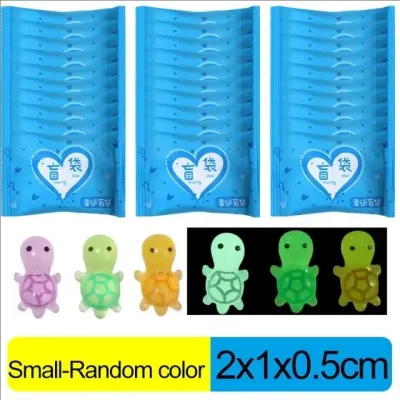
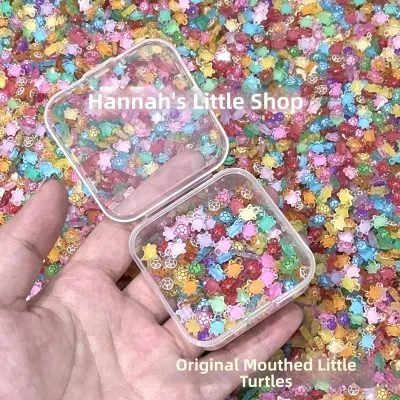
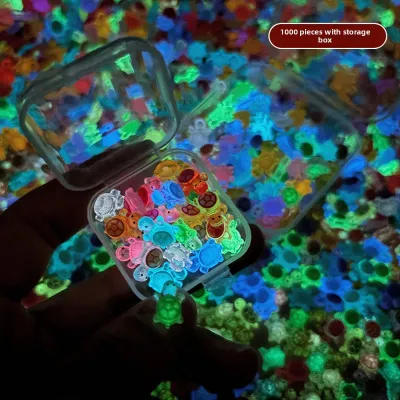
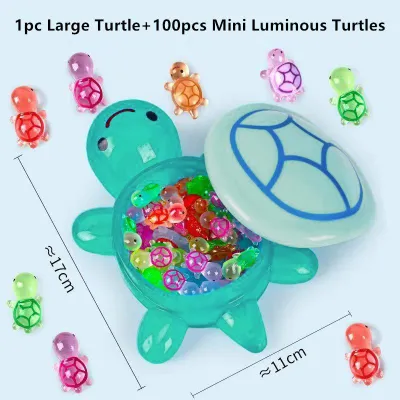
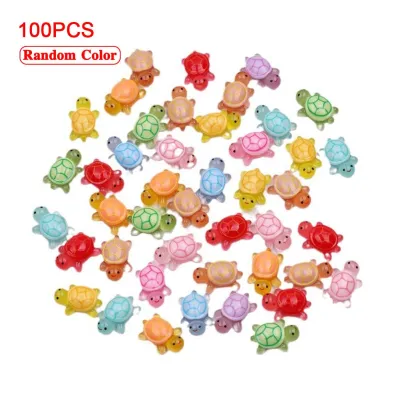
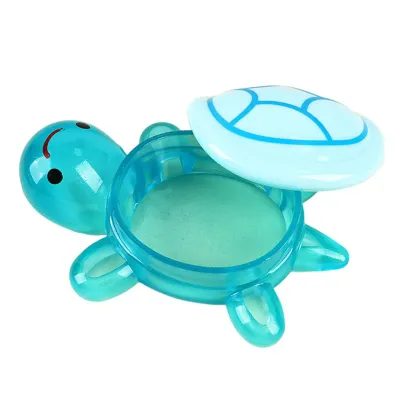
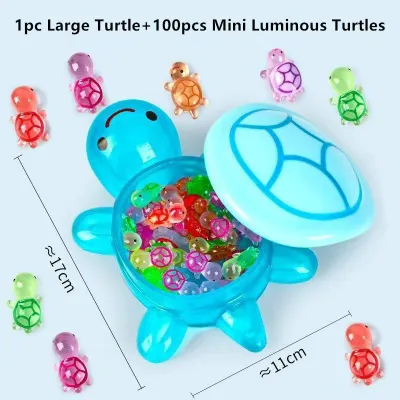
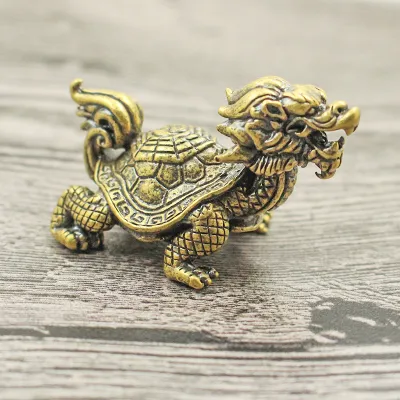
Prices are valid at publication and may change. Please refer to the product page for the latest price.
Next, analyze the dominant interior design themes in your living space. A modern minimalist home characterized by clean lines and neutral palettes requires a very different decorative approach than a vibrant, eclectic bohemian living room or a traditional space filled with dark wood antiques. Introducing a cultural artifact should feel like a natural extension of these existing design choices rather than a jarring contradiction.
Finally, clarify the primary purpose of the decor within the room. Decide if the small turtle will serve as a subtle, quiet accent on a study desk, a prominent conversation piece on a coffee table, or a functional spiritual tool. Defining this role beforehand prevents impulse purchases and ensures the object fits seamlessly into your daily environment.
Chinese Feng Shui Small Turtles: Symbolism and Spatial Harmony
In Chinese culture, the turtle is one of the four celestial animals, representing longevity, stability, strength, and protection. Traditional Feng Shui practices often utilize small turtle figures to support the home’s energy balance, particularly to invite career support and personal security. These artifacts are commonly crafted from classic materials such as heavy brass, carved jade, or detailed resin painted in gold tones, each carrying its own weight and visual presence.

When integrating a Feng Shui turtle, placement is typically guided by traditional Bagua areas rather than random aesthetic choice. For instance, placing a brass turtle in the north sector of a room is traditionally associated with supporting career endeavors, while placing it near a rear entrance is thought to provide symbolic backing and protection. It is helpful to treat these placement principles as cultural guidelines that foster personal mindfulness and spatial order, rather than absolute guarantees of life outcomes.
To ensure visual compatibility, consider how the material of the turtle interacts with your existing furniture. A polished brass or dark bronze turtle pairs naturally with traditional Chinese rosewood furniture, transitional warm wood tones, and rich color palettes featuring deep reds, greens, or golds. If your home leans toward a modern style, a highly stylized jade or stone carving can bridge the gap between ancient symbolism and contemporary refinement without overwhelming the room.
Japanese Small Turtle Artifacts: Minimalism and Natural Elements
Japanese representation of the turtle, or kame, is deeply rooted in folklore, where it is celebrated as a symbol of ten thousand years of longevity and good fortune. Unlike the highly ornate designs found in other traditions, Japanese-style turtle decor emphasizes understatement, simplicity, and the beauty of natural imperfection, often aligned with the wabi-sabi philosophy. Common materials include unglazed ceramic, carved local timber, and heavy cast iron (nanbu tekki), which showcase raw, tactile textures.
These artifacts are exceptionally well-suited for Zen, Japandi, or modern minimalist interiors. In these design schemes, negative space is prioritized, meaning every single decorative object must justify its presence through exceptional craftsmanship and quiet utility. A small, cast-iron Japanese turtle can sit quietly on a low oak shelf or a concrete console table, offering a grounding, organic texture that contrasts beautifully with smooth, modern surfaces.
When selecting a Japanese piece, look for stylized, abstract forms that capture the essence of the turtle with minimal detail. The beauty of these items lies in their quiet presence; they do not demand immediate attention but instead reward close observation. This makes them excellent choices for quiet spaces such as home offices, reading corners, or bedside tables where a sense of calm is desired.
Southeast Asian Small Turtle Decor: Tropical Craftsmanship and Textures
Southeast Asian turtle artifacts reflect the rich maritime and agrarian folklore of the region, where the sea turtle is often revered as a symbol of navigation, endurance, and connection to the natural world. These pieces are characterized by vibrant, tactile craftsmanship that celebrates local materials and hand-carved details. Common mediums include sustainably sourced teak or suar wood, woven rattan, intricate batik-inspired painted patterns, and rustic sand-cast brass.
This style of decor is a perfect match for bohemian, coastal, or tropical-modern interior themes. The warm, earthy tones of hand-carved wood and the intricate patterns of woven fibers complement indoor plants, linen upholstery, and natural light. In Singapore’s warm and humid climate, these natural materials evoke a relaxed, resort-like atmosphere that blurs the line between indoor living and the lush outdoor environment.
Because Southeast Asian pieces often carry significant visual weight due to their detailed textures, they work beautifully as standalone statement pieces. A hand-carved wooden turtle placed on a rattan side table or a woven console adds a layer of warmth and storytelling to the space. These items celebrate the hand of the artisan, making each piece unique and full of individual character.
Final Evaluation: Matching the Artifact to Your Space
To finalize your choice, carefully evaluate the physical dimensions and visual weight of the small turtle against your available space. A decoration that is too small may get lost among other household items, while a piece that is too heavy or large can make a delicate shelf look cluttered. Measure your target shelf, side table, or altar beforehand, and choose an artifact that leaves plenty of breathing room around it to preserve visual balance.
Material maintenance is another crucial factor to consider, especially under Singapore’s humid conditions. Untreated wood, rattan, and low-grade metals are susceptible to moisture damage, mold, or rapid tarnishing over time. If you select a delicate wooden carving or a woven piece, ensure it is kept in a well-ventilated area away from direct sunlight and dampness, and check the manufacturer’s instructions regarding protective sealants. For brass or bronze pieces, decide if you prefer the natural patina that develops with age or if you are willing to perform regular polishing to maintain a bright shine.
Before making your final decision, use this quick checklist to confirm your choice:
- Does the material of the artifact withstand the humidity levels of the chosen room?
- Is the scale of the turtle proportionate to the furniture it will rest upon?
- Does the cultural origin of the piece align respectfully with your personal values and decorative intent?
- If placing the item on a high shelf, is the shelf securely anchored to prevent heavy stone or metal pieces from falling?
By taking these practical and aesthetic considerations into account, your chosen small turtle decoration will serve as a durable, beautiful, and culturally respectful addition to your home.
Frequently Asked Questions (FAQ)
Can I mix different cultural turtle decorations in the same room?
Yes, you can display different cultural turtle decorations in the same room, provided you maintain visual cohesion. To prevent the space from looking cluttered or disjointed, try to group the items by material, color palette, or scale rather than mixing highly contrasting spiritual symbols in a single tight cluster. Utilizing neutral shelving, dedicated display boxes, or distinct spatial zones helps maintain visual order and ensures that each cultural context is respected individually.
Does the direction the small turtle faces matter for non-Feng Shui decor?
Strict directional and elemental placement rules primarily apply to Chinese Feng Shui practices, where the orientation of the turtle is tied to specific energy flows within the Bagua map. For Japanese, Southeast Asian, or purely contemporary decorative pieces, placement is generally driven by visual balance, focal points, and personal aesthetic preference. In these cases, position the artifact where it best catches the light, complements surrounding decor, and fits naturally within your daily view.
Community discussion
Share your experience or ask a question. Comments are reviewed before publication.