
Selecting the right vase is more than just finding a container for flowers; it is an intentional design choice that anchors the visual narrative of your room. To find the vase style that suits your home, you must align its material, silhouette, and visual weight with your dominant interior theme. A minimalist interior calls for geometric, unadorned glass or metal vessels; a Scandinavian space thrives on organic, tactile ceramics; and a traditional Asian setting is best complemented by classic porcelain or celadon silhouettes. By analyzing your existing furniture, color schemes, and layout, you can select a piece that seamlessly enhances your living environment.
Identify Your Current Interior Aesthetic
Before purchasing a new vase, observe the architectural lines, furniture profiles, and color palettes that define your living space. Singaporean homes, from compact HDB flats to spacious condominiums, often feature distinct design themes that dictate how decorative accessories behave in the room. Take a step back and look at your primary living zone as a whole, noting whether your furniture prioritizes sharp angles, soft organic curves, or ornate historical details.
If your home features clean lines, concealed storage, handleless cabinets, and a strictly neutral or monochromatic color scheme, your aesthetic is Minimalist. In these spaces, surfaces are kept intentionally bare, and every object must justify its presence through functional utility or stark structural beauty. The dominant materials are usually polished concrete, microcement, engineered stone, and matte metals, creating a cool, calm environment that relies heavily on negative space.
Products mentioned in this guide
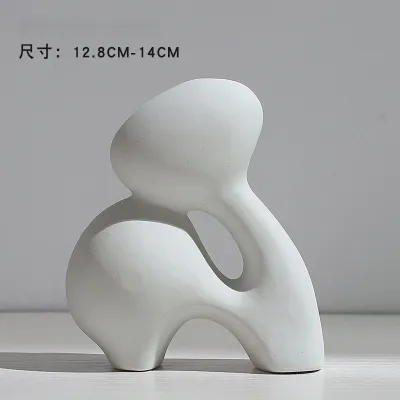
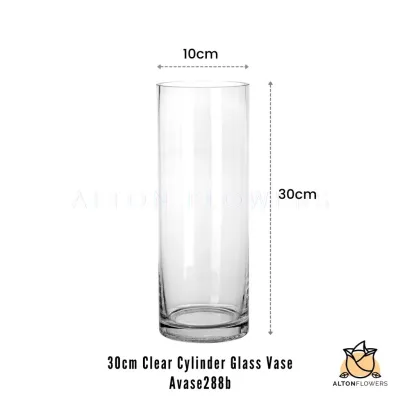
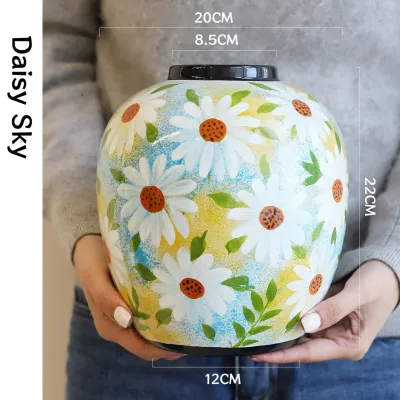
![[Local Stock] Elegant Transparent Glass Plant Flower Vase Pot](https://img.lazcdn.com/g/p/7bf4a85e45340c7fb55ec566cbed6128.jpg_400x400q80.jpg_.webp)
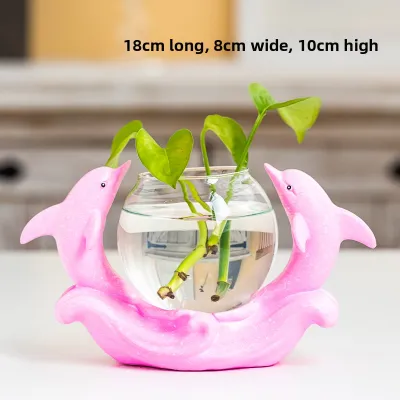
Prices are valid at publication and may change. Please refer to the product page for the latest price.
If your interior features light-toned wood finishes like oak or ash, cozy textured fabrics like linen, and an abundance of indoor plants, your aesthetic is Scandinavian. This design style emphasizes warmth, comfort, and a close connection to nature. The color palette is typically soft, featuring warm whites, gentle greys, and muted earth tones, all designed to maximize the distribution of soft, natural light throughout the home.
If your home showcases rich, dark timber furniture such as teak or rosewood, intricate carved detailing, lacquerware, or classic porcelain accents, your aesthetic leans toward Traditional Asian. This style, which often incorporates elements of Chinese, Peranakan, or Zen design, relies on symmetry, deep cultural symbolism, and a sophisticated contrast between dark woods and vibrant decorative pieces. The color palette may include deep crimsons, jade greens, and rich blues.
For open-concept layouts common in modern Singaporean homes, identifying your style requires looking at the dominant theme of the specific zone where the vase will reside. If your dining area merges into a minimalist kitchen but your living room has warmer, Scandinavian touches, choose a vase that acts as a visual bridge between the two zones. Always prioritize the aesthetic of the immediate surface and its surrounding backdrop to ensure the accessory feels integrated.
Match Vase Designs to Your Decor Style
Aligning a vase with your interior aesthetic requires looking past the flowers it will hold and focusing on the vessel’s physical properties. The material, shape, and surface finish of a vase carry distinct visual weights that can either harmonize with your room or create jarring friction. By matching these physical characteristics to the design rules of your specific decor style, you turn a simple container into a cohesive design statement.

Minimalist Vases: Geometric Forms and Neutral Palettes
Minimalist vases are defined by their restraint, relying on precise geometry and unadorned surfaces to make an impact. Rather than drawing attention through intricate patterns or bright colors, these vessels celebrate pure form and the concept of negative space. They are designed to blend into the background or act as subtle, structural anchors on a clean console or shelf.
The preferred materials for minimalist vases include clear or frosted glass, matte ceramics, and brushed metals such as stainless steel, brass, or aluminum. Frosted glass offers a soft diffusion of light that prevents the water and flower stems inside from creating visual clutter. Matte ceramic finishes, particularly in rougher textures like sand or unglazed clay, provide a tactile contrast without requiring color, while brushed metals introduce a sleek, industrial edge that complements modern architectural fixtures.
In terms of shape, minimalist design favors strict geometric silhouettes, including perfect cylinders, sharp cubes, cones, and spheres. Sleek, unadorned tubes and column vases are highly effective because they do not compete with the natural asymmetry of the plants they hold. These shapes emphasize verticality and clean lines, mirroring the structural elements of minimalist architecture and built-in carpentry.
The color palette for these vases remains strictly neutral, consisting of stark whites, deep charcoal blacks, cool greys, and muted monochromatic tones. When styled correctly, a matte black cylindrical vase placed against a white wall creates a striking high-contrast focal point without feeling chaotic. The ultimate goal of a minimalist vase is to serve as a quiet, structural element that frames a single botanical specimen with absolute clarity.
Scandinavian Vases: Organic Curves and Earthy Textures
Scandinavian vases prioritize warmth, natural materials, and a sense of handcrafted imperfection. Inspired by the Nordic concept of hygge, these vessels are designed to make a space feel cozy, lived-in, and deeply connected to the natural world. They reject the cold, clinical feel of high-gloss modernism in favor of tactile surfaces and soft, inviting shapes.
The material selection for Scandinavian design revolves around raw or lightly glazed stoneware, terracotta, ribbed glass, and light-toned woods. Ribbed or fluted glass is particularly popular because it catches and scatters natural light across a room, creating a soft, watery glow. Stoneware and terracotta vessels, often left partially unglazed on the exterior, expose the natural grit and color of the clay, bringing an earthy, grounded feel to wooden dining tables or sideboards.
The silhouettes of Scandinavian vases are characterized by organic, asymmetrical curves, rounded bellies, and gentle, flowing lines. Unlike the rigid geometry of minimalist vessels, these shapes mimic forms found in nature, such as smooth river stones, seed pods, or water droplets. Hand-blown glass vases with slight variations in thickness or minor air bubbles are highly prized, as these imperfections highlight the artisanal process behind the object.
The color palette is dominated by soft, earthy tones and gentle pastels that evoke the natural landscape. Think of warm cream, sandy beige, soft sage green, terracotta, dusty rose, and pale sky blue. These colors harmonize beautifully with light oak furniture and indoor greenery, creating a peaceful, low-contrast environment. A Scandinavian vase should feel like a natural extension of the outdoors, adding texture and warmth to your home.
Traditional Asian Vases: Classic Silhouettes and Rich Details
Traditional Asian vases are celebrated for their historical legacy, exquisite craftsmanship, and deep visual narrative. Unlike minimalist or Scandinavian designs, which seek to blend or soften a space, an Asian-style vase is often intended to be a statement piece. It acts as a cultural anchor, bringing a sense of history, curated elegance, and artistic depth to contemporary interiors.
The materials used in traditional Asian vases are highly refined, with high-gloss porcelain, celadon, dark carved wood, and cloisonné leading the category. Fine porcelain, especially classic blue and white ware, features a brilliant white glaze decorated with cobalt blue pigments that have captivated collectors for centuries. Celadon, with its signature translucent jade-green glaze and delicate crazing patterns, offers a more serene, organic alternative that mimics the prized gemstone.
The shapes of these vases are steeped in historical tradition, featuring classic silhouettes that carry specific cultural meanings. The meiping (plum vase), with its high, wide shoulders and narrow base, was historically used to display plum blossoms and represents strength and elegance. Other iconic shapes include the double-gourd vase, which symbolizes longevity and good fortune, and wide-mouthed ginger jars, which offer a substantial, rounded presence on low consoles or sideboards.
Visually, these vases are rich with hand-painted motifs, including detailed landscapes, delicate floral patterns, calligraphy, and symbolic animals like cranes or dragons. The intricate detailing and deep glazes create a sense of luxury and visual complexity. When placed in a modern home, a traditional Asian vase should be given ample breathing room, allowing its detailed artistry to serve as a sophisticated focal point against a clean, uncluttered background.
Scale and Placement Strategies for HDB and Condo Spaces
Selecting the perfect style is only half the battle; you must also ensure the vase is scaled correctly for the unique spatial constraints of Singaporean residential layouts. Standard HDB flats and condominiums often require clever spatial management to prevent decorative items from making a room feel cramped or cluttered. Understanding how to measure your surfaces and position your vessels is key to maintaining a balanced, harmonious home.
Before purchasing a vase, always measure the height, width, and depth of the surface where it will sit, whether it is a dining table, entryway console, or floating shelf. A common design mistake is choosing a vase that is either too small, causing it to get lost in the surrounding decor, or too large, making the surface feel crowded. A reliable rule of thumb is that the height of your vase, combined with the height of its floral arrangement, should not exceed half the vertical distance between the tabletop and the ceiling or the shelf above it.
For compact HDB entryways, narrow corridors, or modest dining areas, opt for smaller, transparent glass or light-colored ceramic vases. Transparent glass allows light to pass through, maintaining a sense of openness and visual flow even in tight quarters. If you prefer ceramic, choose slender, vertical silhouettes that occupy a minimal footprint on narrow shoe cabinets or consoles. These vertical pieces draw the eye upward, creating the illusion of higher ceilings in standard 2.6-meter HDB layouts.
In larger condominium living rooms, open-plan kitchen islands, or homes with double-volume ceilings, you have the freedom to experiment with scale. Consider using large floor vases to fill empty corners or placing a substantial, wide-mouthed ceramic vessel on a kitchen island to anchor the open space. Alternatively, you can create a styled cluster of three vases of varying heights and shapes, ensuring they share a common color palette or material to maintain visual cohesion.
When placing your vases, ensure they do not obstruct crucial sightlines across open-plan living and dining areas. A dining table vase, for example, should keep its floral arrangement below eye level (typically under 25 centimeters) so guests can converse easily. Additionally, place fragile glass or ceramic vases safely away from high-traffic edges, active pathways, and direct, harsh afternoon sunlight, which can fade delicate glazes or cause the water inside to evaporate rapidly, harming live botanicals.
Final Selection Checklist and Floral Pairing Guide
To ensure your chosen vase is both beautiful and practical for your daily life, run through a quick pre-purchase checklist before making your final selection. First, verify the physical dimensions against your measured space, paying close attention to the mouth opening, which dictates how many flower stems the vase can accommodate. Second, check the color contrast; ensure the vase stands out subtly against your wall paint or wallpaper rather than blending in completely. Finally, assess your household environment: if you have young children or active pets, avoid fragile, top-heavy glass vases and instead opt for heavy, wide-based stoneware or shatterproof materials.
To complete the look, pair your vase style with the appropriate botanical elements to maximize its aesthetic impact:
- Minimalist Vases: Pair with single, highly structured, or architectural stems. Excellent choices include a single calla lily, a glossy monstera leaf, a structural monstera branch, or bare, sculptural twigs. The goal is to highlight the clean lines of both the vessel and the plant, allowing negative space to define the arrangement.
- Scandinavian Vases: Style with lush, highly textured greenery and soft, informal flowers. Dried pampas grass, eucalyptus branches, cotton stems, and mixed wildflowers are ideal for creating a relaxed, organic look. Allow the stems to drape naturally over the sides of the vase to emphasize a casual, unforced connection to nature.
- Traditional Asian Vases: Pair with symbolic, highly structured botanicals that complement the historical weight of the vessel. Elegant orchids (such as Phalaenopsis), delicate plum blossoms, pussy willow branches, or structured bamboo stalks work beautifully. These plants echo the artistic motifs painted on the porcelain, creating a unified and culturally resonant display.
Ultimately, the vase you choose should serve to complement and elevate your home’s existing design narrative rather than compete with it. By selecting a style that matches your aesthetic, scaling it appropriately for your layout, and pairing it with the right botanicals, you can transform any corner of your home into a beautifully curated sanctuary.
Frequently Asked Questions (FAQ)
Can I mix different vase styles in an open-concept layout?
Yes, you can successfully mix different vase styles in an open-concept layout by using a unifying design element to tie them together. To prevent visual chaos, ensure the different vases share a common thread, such as a consistent color palette (e.g., all earthy tones), a similar material finish (e.g., all matte textures), or a balanced progression of heights. A highly effective approach is the 70/30 rule: designate one style, such as Scandinavian stoneware, as your dominant theme (70%) and introduce a traditional Asian porcelain vase or a minimalist glass vessel as a subtle, high-contrast accent (30%). This creates a curated, layered look rather than a cluttered, mismatched environment.
How do I choose a vase style for a Japandi-themed home?
To choose a vase for a Japandi-themed home, look for pieces that bridge Scandinavian warmth with Japanese minimalist restraint. The ideal Japandi vase features organic, slightly imperfect shapes inspired by the Japanese philosophy of wabi-sabi, but maintains a highly disciplined, uncluttered surface and a muted color palette. Opt for matte stoneware, unglazed ceramics, or rough terracotta in neutral tones such as charcoal black, warm grey, soft beige, or off-white. Avoid high-gloss finishes, bright colors, or intricate painted patterns. Instead, let the natural texture of the clay and the simple, functional form of the vessel speak for themselves, paired with a single, elegant botanical stem.
Community discussion
Share your experience or ask a question. Comments are reviewed before publication.