
Selecting a Vitra table clock is more than a simple purchase of a timekeeping device; it is an investment in a functional sculpture that defines the character of a room. Originally designed by mid-century pioneers like George Nelson in the mid-20th century, these clocks serve as focal points that bridge historical design innovation with modern home aesthetics. To choose the perfect model for your living space, you must evaluate how a clock’s physical dimensions, materials, and visual weight interact with your existing furniture and daily routines. By understanding the nuances of Vitra’s design language and matching them to your specific environmental conditions, you can select a timepiece that offers both lasting utility and artistic value.
Understanding Vitra's Design Language for Table Clocks
Vitra’s portfolio of table clocks is deeply rooted in the mid-century modern movement, a design era characterized by organic shapes, clean lines, and a playful approach to everyday objects. George Nelson, who served as a key figure in mid-century design, sought to redefine how we perceive time by stripping away traditional clock faces and replacing them with abstract, sculptural forms. These designs reflect a belief that clocks should be decorative three-dimensional objects rather than mere utility items. When exploring these timepieces, you will encounter a distinct contrast between the whimsical, geometric experiments of the 1950s and the more restrained, minimalist aesthetics of contemporary designers.
The materials used in Vitra table clocks are as diverse as their shapes, ranging from warm natural woods to industrial metals and molded plastics. Solid walnut, cherry, and maple are frequently utilized to bring organic warmth and texture to a room, making these clocks ideal for spaces with Scandinavian or classic mid-century decor. In contrast, polished brass, chrome, and painted aluminum offer a sleek, reflective quality that complements industrial or highly modern interiors. High-quality acrylic glass and molded polyurethane are also employed to achieve complex, fluid shapes that would be impossible to replicate in wood or metal alone.
Products mentioned in this guide

Prices are valid at publication and may change. Please refer to the product page for the latest price.
Because of the enduring popularity of these designs, the market contains numerous replicas and unauthorized reproductions. To ensure you are investing in an authentic Vitra timepiece, it is essential to verify the design trademarks and purchase exclusively through authorized retail channels in Singapore. Authentic Vitra clocks feature precise manufacturing tolerances, high-grade movements, and official branding stamps, often accompanied by a certificate of authenticity. Purchasing from authorized physical showrooms or official online storefronts guarantees that you receive a genuine product backed by the manufacturer’s quality standards and warranty.
Core Dimensions for Selecting a Table Clock
Before committing to a specific Vitra clock, you must carefully measure the physical proportions and footprint of your intended placement area. A clock that appears compact in a spacious showroom can easily overwhelm a narrow bedside table or a crowded writing desk. Conversely, a delicate timepiece may lose its visual impact if placed on a massive sideboard or a wide fireplace mantel. Take note of the clock’s height, width, and depth, and compare these measurements against the clear space available on your furniture, leaving sufficient clearance around the object so it does not look cramped.

Material durability and care requirements should also influence your selection, as different finishes react uniquely to environmental factors and handling. Polished metal surfaces, such as brass or chrome, are highly reflective and elegant, but they are prone to showing fingerprints and may require specialized, non-abrasive polishing over time. Natural wood components are sensitive to direct sunlight, which can cause uneven fading or warping, and they must be kept away from areas with high temperature fluctuations. Molded plastics and acrylics offer excellent durability and are easier to clean, making them highly practical for high-traffic areas or homes with young children.
The internal movement of the clock dictates its daily operation, maintenance needs, and overall longevity. Modern Vitra table clocks are equipped with high-precision quartz movements, which rely on a battery-powered electronic oscillator to keep highly accurate time. This movement type is incredibly low-maintenance, requiring no manual winding or calibration, unlike traditional mechanical clocks. While quartz movements are highly reliable, they do require periodic battery replacements to prevent acid leakage from damaging the internal circuitry.
Power sources and cable management are critical considerations for maintaining a clean, uncluttered aesthetic on your shelves or desks. Fortunately, almost all Vitra table clocks are battery-operated, utilizing standard AA batteries to run their quartz mechanisms. This cordless design provides complete freedom of placement, allowing you to position the clock in the center of a free-standing table or deep within a bookshelf without worrying about hiding unsightly power cords. Always check the manufacturer’s specifications to confirm the exact battery type required and ensure you have high-quality cells on hand for installation.
Matching Clock Styles to Room Sizes and Placements
The specific room and functional zone where you plan to display your Vitra clock should guide your choice of aesthetic and physical features. For bedside tables, sleep hygiene and physical comfort are the primary priorities. You should select a clock with a compact footprint that leaves ample room for a reading lamp, a glass of water, and your phone. Avoid clocks with highly reflective metallic faces or bright, contrasting colors that might catch ambient light and disrupt your rest. Furthermore, a silent or near-silent movement is essential in a bedroom to prevent the repetitive ticking sound from interfering with your sleep.
In a home office or study, the clock serves as a tool for productivity and time management, making legibility and professional styling paramount. Choose a design with clear, high-contrast hands and markers that allow you to read the time at a single glance from your desk chair. The aesthetic should be structured and sophisticated, complementing your computer setup, books, and writing instruments without creating visual clutter. A clock with a steady, quiet sweep movement is ideal here, as it provides a subtle sense of passing time without the distracting, rhythmic ticking that can break your concentration during deep work.
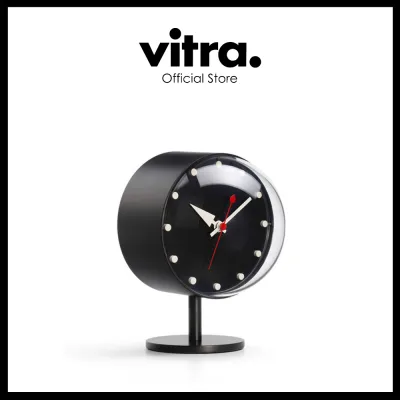
Living rooms, entryways, and dining areas offer the perfect stage for larger, highly sculptural Vitra table clocks that function as statement pieces. In these spacious environments, you can opt for bold, iconic designs like the Night Clock or the Tripod Clock, which draw the eye and spark conversation. These clocks should be positioned on eye-level shelves, fireplace mantels, or console tables where their unique silhouettes can be appreciated from multiple angles. When styling these areas, ensure the clock’s materials and colors harmonize with surrounding decorative objects, such as vases, art books, and framed prints, to create a cohesive visual narrative.
To narrow down your options, create a shortlist of candidates by evaluating how each clock’s design interacts with the specific lighting conditions of your room. A room with large windows and abundant natural light may cause distracting glare on clocks with flat glass covers or highly polished metal faces, making a matte wood or plastic design a more practical choice. Conversely, a dimly lit corner or a deep bookshelf might benefit from a clock with bright brass accents or a high-contrast white face that catches what little light is available. By matching these environmental variables to the clock’s physical properties, you can ensure your chosen timepiece remains both beautiful and functional.
Practical Features and Pre-Purchase Checks
Beyond aesthetics, the auditory impact of a table clock is one of the most critical practical factors to verify before making a purchase. While modern quartz movements are generally much quieter than their mechanical ancestors, some models still produce an audible ticking sound that can be highly distracting in quiet environments. If you are sensitive to noise, carefully review the product descriptions or consult with showroom staff to confirm whether the clock features a silent sweep movement, where the second hand glides smoothly and silently around the dial. Testing the clock in a quiet corner of a physical showroom can also help you assess its sound level before bringing it home.
Legibility is another essential feature that varies significantly across Vitra’s artistic clock collection. Some designs prioritize abstract sculptural forms over precise time-telling, featuring minimalist dials without numbers or highly stylized hands that blend into the background. Consider your personal needs: do you require a clock that tells you the exact minute for scheduling purposes, or do you prefer a decorative piece that offers a general approximation of the hour? Ensure the contrast between the hands and the clock face is sufficient for your eyesight, especially under the specific lighting conditions of your home.
When you are ready to purchase, compare prices in S$ across authorized physical showrooms and official online storefronts in Singapore. Because Vitra clocks are premium design pieces, prices are generally consistent across authorized dealers, but occasional seasonal promotions or showroom events may offer opportunities for savings. Be wary of online marketplaces offering these clocks at steep discounts, as these are almost certainly counterfeit products made with inferior materials and unreliable movements. Investing in an authorized product ensures you receive the genuine design, premium materials, and proper packaging.
Finally, always review the manufacturer’s warranty terms and the availability of authorized after-sales support in Singapore. A genuine Vitra clock is built to last for decades, but having access to an authorized service center provides peace of mind should the quartz movement ever require repair or replacement. Keep your proof of purchase and the warranty card in a safe place, and familiarize yourself with the specific coverage details, which typically protect against manufacturing defects in the movement and casing under normal residential use.
Frequently Asked Questions (FAQ)
How do I clean and maintain a Vitra table clock?
To keep your Vitra table clock in pristine condition, perform regular, gentle dusting using a dry, soft microfiber cloth to prevent the buildup of airborne particles. Avoid using harsh chemical cleaners, household solvents, glass sprays, or abrasive polishes, as these substances can permanently strip protective coatings, discolor molded plastics, and tarnish polished metal finishes. For clocks with intricate geometric shapes or delicate hands, use a soft-bristled brush or a compressed air canister designed for electronics to clear dust from hard-to-reach crevices without applying physical pressure. Always consult the official manufacturer care card included in the original packaging for specific instructions tailored to your clock’s unique material composition.
Are Vitra table clocks suitable for humid environments?
No, Vitra table clocks are designed strictly for dry, indoor residential environments and are not suitable for placement in humid areas such as bathrooms, indoor pool rooms, or directly adjacent to kitchen sinks. These decorative timepieces do not possess high IP (Ingress Protection) ratings for moisture resistance, meaning that prolonged exposure to high humidity can cause significant damage. Moisture can warp natural wood components, cause polished metal surfaces to tarnish or rust, and lead to corrosion within the battery compartment and quartz movement, ultimately causing mechanical failure. Given Singapore’s naturally humid tropical climate, it is highly recommended to display these clocks in well-ventilated, air-conditioned living spaces and to consult the manufacturer’s guidelines if you are uncertain about a specific placement.

Community discussion
Share your experience or ask a question. Comments are reviewed before publication.