
Selecting the perfect essential oil wood diffuser requires balancing aesthetic appeal with physical performance. Unlike active ultrasonic or heat-based devices that actively mist or warm oils, a passive wood diffuser relies entirely on the wood’s natural structures to absorb and gradually release fragrance. The ideal wood type depends heavily on your specific aromatherapy goals: highly porous softwoods like cedar and pine absorb oil quickly for an immediate, robust scent throw, while dense hardwoods like walnut and beech offer a slow, controlled release that can last for days. For those who value versatility and want to switch scents frequently, modern ceramic-wood hybrids provide an innovative compromise by combining a clean, non-degrading porous core with a beautiful wooden exterior.
As interest in natural, electricity-free home scenting grows, the passive essential oil wood diffuser has become a popular choice for creating localized “scent bubbles.” These compact, elegant pieces function without water, cords, or noise, making them excellent additions to workspaces, bedside tables, and small reading nooks. However, navigating the market can be confusing, as many products labeled as “wood” actually utilize alternative botanical fibers like bamboo or rattan, or incorporate engineered ceramic elements. Understanding how these materials interact with volatile plant oils is the key to choosing a diffuser that delivers consistent performance while complementing your interior decor.
How Passive Wood Diffusers Disperse Essential Oils
To understand why material selection is so critical, it helps to look at the microscopic physics of passive diffusion. Wood is not a solid, inert block; it is a highly complex network of microscopic pathways, primarily composed of cellulose and lignin. In a living tree, these pathways—known as tracheids and vessel elements—act as natural plumbing, transporting water and nutrients upward from the roots. When wood is harvested, dried, and cut, these hollow tubular structures remain intact. When you apply drops of essential oil to raw, unsealed wood, the liquid is drawn deep into these micro-channels through capillary action, a physical phenomenon where liquid flows into narrow spaces without the assistance of external forces.
Products mentioned in this guide
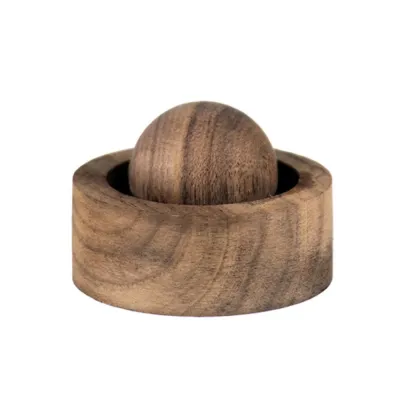
![[SG Seller] Essential Oil Diffused Wood Aroma Essential Oils Diffuser Wooden Essential Oil Aromatherapy Diffuser](https://img.lazcdn.com/g/p/7d9d516a223080d3a0d24d9aa764023f.jpg_400x400q80.jpg_.webp)
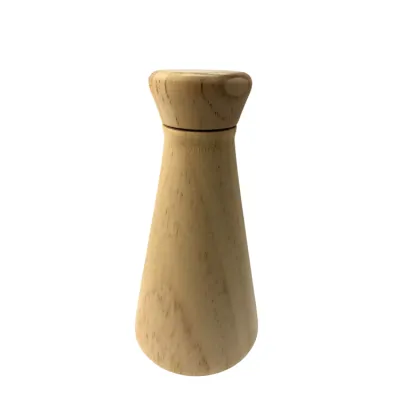
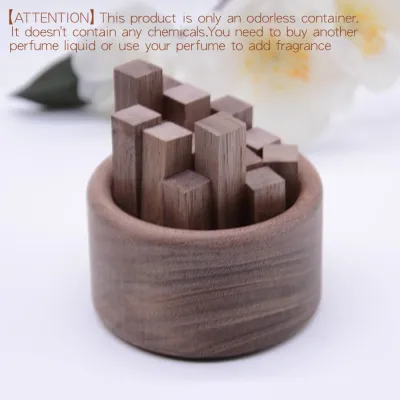
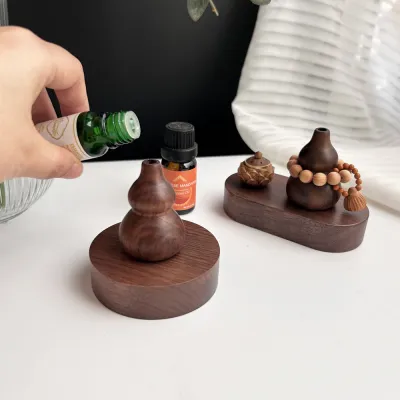
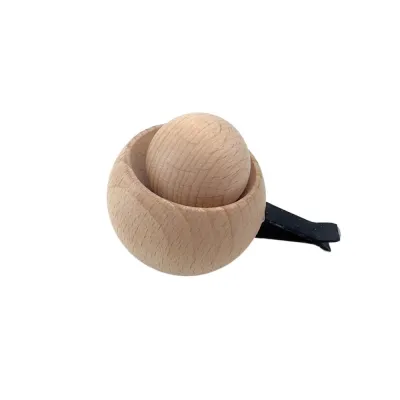
Prices are valid at publication and may change. Please refer to the product page for the latest price.
Once the essential oil is absorbed into the wood’s cellular matrix, it begins to evaporate. Because essential oils are highly volatile organic compounds, they naturally transition from a liquid to a gas when exposed to the air. The rate of this evaporation is directly governed by the physical properties of the wood, specifically its density, porosity, and grain tightness. Softwoods, which have larger cell cavities and a lower overall density, allow oils to penetrate rapidly and evaporate quickly. Hardwoods, characterized by incredibly dense, tightly packed grain structures, slow down this entire process, resulting in a highly gradual, metered release of fragrance.
It is also important to clarify what qualifies as a “wood diffuser” in today’s market. While consumers frequently search for raw wooden blocks, the broader product category often includes botanically non-wood natural materials such as bamboo, rattan, or reeds, as well as multi-material hybrid designs. Each of these materials handles capillary action differently, which directly affects how efficiently they wick and disperse scents.
Furthermore, buyers must set realistic expectations regarding passive diffusion. Because these diffusers rely solely on natural ambient evaporation rather than ultrasonic vibrations or heat plates, they offer a subtle, highly localized scent throw. They are designed to scent your immediate personal space—such as a desk, a small dressing table, or a bedside drawer—rather than a large, open-plan living room. Selecting the right material is therefore essential to maximize this localized performance.
Comparing Wood and Natural Materials for Scent Dispersion
True Woods (Hardwoods and Softwoods)
True woods are generally categorized into hardwoods and softwoods, each offering a distinct rate of absorption and scent throw. Dense hardwoods, such as beech, ash, walnut, maple, and oak, feature highly compact cellular arrangements. When you drop essential oils onto an unsealed block of walnut or beech, the oil pools on the surface for a moment before slowly seeping into the grain. Because the fibers are so tightly packed, the oil is held deep within the wood, releasing its aroma at an incredibly slow, steady rate. This makes hardwoods ideal for a subtle, long-lasting scent throw that does not overwhelm.

In contrast, softwoods and highly porous woods, such as cedar, pine, cypress, and fir, act like natural wooden sponges. They absorb essential oils almost instantly, pulling the liquid deep into their open grain. This high absorption rate translates to a stronger, more immediate initial scent throw. However, because softwoods are highly absorbent, they tend to retain scent molecules permanently. Over time, the wood fibers can become saturated, making it difficult to completely clear the original scent.
Additionally, certain aromatic woods like sandalwood, hinoki, and rosewood possess their own natural volatile compounds. When used as a passive diffuser, these woods will naturally release their own inherent woody, balsamic, or citrusy notes, which will blend with and alter the profile of whatever essential oil you apply. While this can create beautiful, complex custom aromas, it is a key trade-off to consider if you prefer to experience the pure, unadulterated scent profile of your chosen essential oil.
Stalk and Grass Alternatives (Bamboo, Rattan, Reed)
Many popular passive diffusers utilize stalk and grass alternatives, which are botanically distinct from true wood but highly valued for their scent-dispersing capabilities. Rattan and reeds are the absolute gold standard for continuous liquid wicking. The interior of a high-quality rattan reed is packed with dozens of open, continuous vascular bundles that run the entire length of the stalk. These act like tiny straws, drawing liquid essential oil mixtures upward against gravity and exposing them to the air at the top of the reed for continuous, efficient evaporation.
Bamboo, on the other hand, is an incredibly dense, fast-growing grass with a highly silica-rich outer cuticle. This outer skin is naturally water-resistant and virtually non-porous, meaning raw bamboo cannot absorb essential oils through its exterior. To work as diffusers, bamboo products must be specifically engineered. Bamboo diffusers typically rely on laser-cut patterns that slice through the tough outer skin to expose the porous inner fibers, hollowed-out center reservoirs, or integrated porous cores made of unglazed ceramic or plaster to hold and disperse the oils effectively.
Ceramic-Wood Hybrids and Porous Blends
For those who love the natural aesthetic of wood but want superior, modern diffusion performance, ceramic-wood hybrids represent an excellent design solution. These innovative diffusers typically feature an outer decorative shell crafted from premium hardwoods like walnut or beech, housing an inner core or top plate made of unglazed ceramic, plaster, or porous diatomaceous earth.
The functional benefit of this hybrid design is significant. Unglazed ceramic and diatomaceous earth possess an incredibly high, uniform porosity that absorbs essential oils instantly and releases them cleanly without leaving a sticky, oxidized residue. By applying the essential oil directly to the ceramic insert, you prevent the outer wooden shell from becoming stained, warped, or chemically degraded by the oils. This setup also makes switching between different essential oil profiles much easier; you can simply allow the ceramic core to dry completely, wipe it down, or swap the core entirely, preventing the muddy olfactory cross-contamination common with solid wood blocks.
How to Choose the Right Wood Diffuser for Your Space
Porosity and Room Size
Matching the porosity of your diffuser material to your specific spatial requirements is key to achieving the desired level of fragrance. For personal, close-range spaces—such as your study desk, office cubicle, or bedside table—a dense hardwood block or a compact ceramic-wood hybrid is highly recommended. These materials release a micro-dose of fragrance that remains confined to your immediate personal zone, ensuring you enjoy the therapeutic benefits of the oil without over-perfuming the room or disturbing others nearby.
For slightly larger, enclosed spaces like bathrooms, entryways, or walk-in closets, you will need a material with higher porosity or a larger surface area to project the scent. In these environments, high-porosity softwoods like cedar or classic rattan reed diffusers are far more effective. The continuous, passive wicking action of rattan reeds provides a wider, more consistent scent dispersion that can easily fill a small-to-medium room with a gentle background aroma. Passive wood diffusers are highly budget-friendly, typically ranging from S$10 to S$40 depending on the wood species and design complexity.
Scent Retention and Switching Oils
Your usage habits and scent preferences should play a major role in your material choice. Untreated, porous wood absorbs essential oils deeply and permanently into its fiber matrix. If you are an aromatherapy enthusiast who likes to change scents frequently—perhaps using a stimulating peppermint in the morning and a calming lavender at night—a solid wood block can quickly lead to muddy, conflicting olfactory profiles as the old and new oils mix.
To avoid this cross-contamination, you have two practical paths. If you prefer solid wood blocks, consider dedicating specific wood diffusers to specific scent families; for example, keep one cedar block exclusively for bright citrus oils and a separate walnut block for heavy, grounding resins like frankincense or patchouli. Alternatively, opt for a ceramic-wood hybrid diffuser. Because the unglazed ceramic core does not trap oils as permanently as wood fibers, it allows for much cleaner transitions between diverse scent profiles.
Climate and Humidity Considerations
Environmental factors like temperature, ventilation, and humidity heavily influence the evaporation rate of volatile oils. In tropical, high-humidity climates like Singapore, the air is frequently saturated with moisture, which can significantly slow down the natural evaporation rate of essential oils from passive surfaces.
To compensate for this slower evaporation in humid, non-air-conditioned spaces, select diffusers that maximize the exposed surface area of the absorbing material. Carved wooden blocks with deep geometric grooves, exposed rattan reeds, or hybrid models with wide, open-air ceramic plates will disperse scent much more effectively than a flat, solid wooden cube. Conversely, if you plan to use the diffuser in a constantly air-conditioned room, the air will be significantly drier, which accelerates evaporation. In these dry environments, dense hardwoods are highly advantageous, as their tight grain naturally slows down evaporation, preventing your precious essential oils from vanishing too quickly.
How to Apply Oils and Maintain Your Wood Diffuser
To ensure your wood diffuser remains beautiful and functions effectively for years, proper application and maintenance are essential. First and foremost, always prioritize safety and product longevity by checking the applied product’s label and the treated item’s manufacturer instructions before use. If instructions conflict, the item is unidentified, or your intended use is not covered, stop and consult the manufacturer or a qualified professional. Furthermore, if your wood diffuser is an active hybrid model that utilizes USB power or electrical heating elements, always verify the voltage, base/interface, wattage limits, and electrical safety certifications before plugging it in. If you are installing a wall-mounted or suspended diffuser near damp areas or at a height, ensure proper power-isolation, strictly follow the installation instructions, and consult a qualified professional if any fixed wiring is required.
When applying essential oils to a passive wood diffuser, target the raw, unsealed portions of the wood, such as the end grain, recessed wells, or designated unglazed ceramic inserts. Avoid dropping oil onto the smooth, finished, or varnished outer surfaces of the wood. Essential oils are highly concentrated and can act as mild natural solvents, which can easily dissolve varnishes, strip paints, or leave sticky, unsightly stains on finished wood. Start by applying 3 to 5 drops of pure essential oil directly to the porous area. Allow the liquid to absorb completely before moving or handling the diffuser to prevent accidental spills.
Routine maintenance for a passive wood diffuser is remarkably straightforward but must be done gently. To clean the surface, wipe away any excess or pooled oil immediately using a dry, lint-free microfiber cloth. If the unsealed porous parts of your diffuser have accumulated a sticky, oxidized oil residue over time, check the manufacturer’s care instructions first. If permitted, you can lightly dampen a clean cloth with a small amount of isopropyl alcohol and gently wipe the surface to lift the buildup. Never submerge a wooden diffuser in water, and never use harsh chemical solvents, bleach, or abrasive scrubbing pads, as these will warp the wood, strip its natural oils, and ruin its structural integrity.
Because wood is an organic material, it is subject to environmental wear, especially in humid conditions. In tropical climates, if a natural wood diffuser is kept in a damp, poorly ventilated area like a bathroom without adequate airflow, it can develop mold or mildew. Additionally, over time, residual oils trapped deep within the wood fibers will oxidize, resulting in a stale, rancid smell that ruins the aroma of any newly applied oils. Inspect your diffuser regularly for signs of wear. If you notice structural warping, deep cracks, persistent mold spots, or an unfixable sour odor, discard the item and replace it to ensure a clean, healthy aromatherapy experience.
Frequently Asked Questions (FAQ)
Can I use citrus essential oils on wood diffusers?
Yes, but you must be careful where you apply them. Citrus essential oils, such as lemon, sweet orange, grapefruit, and bergamot, contain high concentrations of limonene, a natural compound that is highly effective at breaking down synthetic varnishes, paints, and wood finishes. If a citrus oil comes into contact with a lacquered or finished section of your wood diffuser, it can quickly degrade the coating, leaving a sticky, ruined surface. To safely enjoy citrus scents, apply them strictly to raw, unsealed wood surfaces, test a tiny drop on an inconspicuous bottom area first, or use a ceramic-wood hybrid diffuser where the oil only touches the inert ceramic plate.
Do wood diffusers need a carrier oil?
For solid wood block diffusers, you should not use a carrier oil; pure, undiluted essential oils are preferred because they evaporate cleanly without leaving a heavy, greasy residue that can clog the wood’s microscopic pores. However, if you are using a reed or rattan diffuser, a carrier oil or a specialized diffuser base (such as fractionated coconut oil or dipropylene glycol) is absolutely necessary. Pure essential oils are too viscous and volatile to climb up rattan reeds on their own; a light carrier oil dilutes the essential oil, allowing it to wick efficiently up the vascular channels and evaporate at a controlled, steady rate. Always defer to the manufacturer’s instructions for the correct dilution ratios.
Is it safe to use wood diffusers around pets?
The safety risk associated with wood diffusers does not come from the wood material itself, but rather from the toxicity of specific essential oils to domestic animals. Many popular essential oils—including tea tree, eucalyptus, peppermint, pine, and citrus—are highly toxic to pets, especially cats, dogs, and birds, who lack the liver enzymes necessary to metabolize these concentrated compounds. Additionally, because passive wood diffusers hold the oil physically on their surface, there is a risk of a curious pet chewing on or ingesting the oil-soaked wood. Always research pet-safe essential oils, ensure your space is well-ventilated, and place your wood diffuser completely out of reach of your pets.
Community discussion
Share your experience or ask a question. Comments are reviewed before publication.