
Choosing the right wooden frame is more than just picking a border; it is about creating a dialogue between the artwork, the frame, and the room. The frame acts as a visual bridge, either containing the art’s energy or extending its presence onto the wall. By understanding how different wood grains, finishes, and profiles interact with various art mediums, you can elevate your home decor and preserve your cherished pieces for years to come.
Core Rules for Matching Wooden Frames to Your Art
The relationship between an artwork and its frame is built on balance. A frame should never compete with the art for the viewer’s attention; instead, it should enhance the visual story. When selecting a wooden frame, the first decision is whether to aim for harmony or contrast. Harmonizing involves matching the frame to the art’s dominant tones, textures, or historical period, creating a seamless and classic look.
Deliberate contrast, on the other hand, can create a striking modern focal point. For example, pairing a highly contemporary abstract print with a deeply textured, rustic wooden frame can add unexpected warmth and character. The key is intentionality; the contrast must feel like a design choice rather than an oversight.
Products mentioned in this guide
![[SG Stock] Wooden Picture Frame Wooden Photo Frame- Wall Art Poster Painting Hanging Stand Table Decor A3 A4 4R 5R](https://img.lazcdn.com/g/p/dbe873a1b973510e498244e54cebad2f.jpg_400x400q80.jpg_.webp)
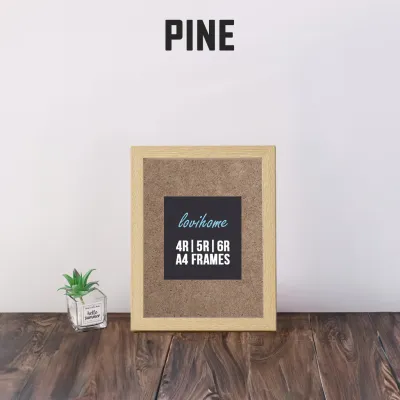
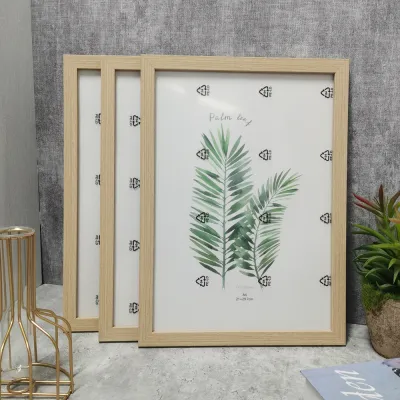

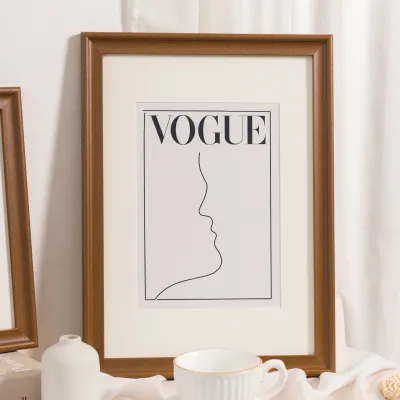
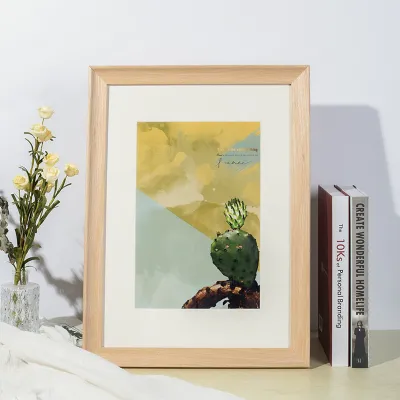
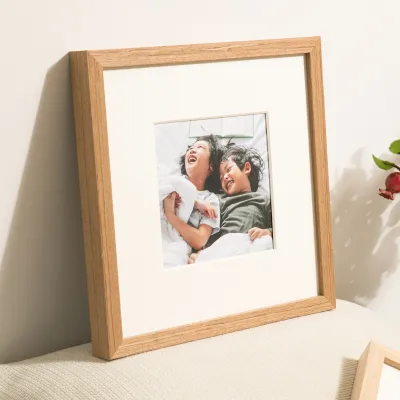
Prices are valid at publication and may change. Please refer to the product page for the latest price.
The grain pattern of the wood also plays a significant role in the frame’s visual weight. Open-grain woods like oak and ash have prominent, textured patterns that draw attention to the frame itself, making them excellent for grounding large, bold artworks. Closed-grain woods like maple and cherry offer a smooth, uniform surface that feels more subdued and elegant, allowing the viewer’s eye to pass easily over the frame and settle directly on the artwork.
Color temperature is another critical factor. Warm wood tones, such as cherry, mahogany, and warm walnut, bring out the rich, earthy colors in paintings and prints. Cool wood tones, such as gray-washed pine or bleached ash, complement cool color palettes, blues, greens, and modern black-and-white photography. Matching the color temperature of the wood to the dominant tones of the artwork ensures a cohesive and pleasing visual flow.
Different art mediums interact uniquely with wood textures. Delicate paper prints often require the structure of a flat, smooth wooden frame to ground them. Canvas paintings, which possess inherent physical texture, can handle substantial wooden profiles or floating frames that let the painted edges breathe. Photographs, with their smooth surfaces, pair beautifully with fine-grained woods that do not distract from the image’s details.
A mat board serves as a crucial transition zone between the artwork and the wooden border. It provides visual breathing room, preventing the artwork from feeling cramped. For smaller prints or detailed sketches, a wide mat board paired with a simple wooden frame elevates the piece, giving it a gallery-like importance and drawing the eye inward.
Minimalist and Modern Wooden Frames for Contemporary Art
Contemporary art thrives on simplicity, clean lines, and open space. When framing modern pieces, the wooden frame should act as a subtle boundary rather than an ornate statement. The goal is to provide structure without adding visual noise.

Best Art Matches
- Black-and-white photography: High-contrast images benefit from the crisp boundary of a dark or pale wood frame.
- Abstract prints: Large blocks of color or minimalist compositions are grounded well by simple wooden borders.
- Modern line art: Delicate sketches require thin, unobtrusive frames that do not overwhelm the fine lines.
Wood Finishes Light oak, natural ash, and matte black are the hallmarks of modern framing. Light oak and ash offer warm, pale undertones and subtle grain patterns that complement soft color palettes and minimalist aesthetics. Matte black wooden frames provide a sharp, graphic boundary that anchors high-contrast photographs and bold, monochromatic prints.
Profile Choices Opt for thin, flat, or gallery-style profiles. A gallery frame typically features a deep profile with a very narrow face, creating a shadowbox effect that draws the eye inward. Flat profiles with a face width of 1.5 centimeters or less keep the focus entirely on the artwork, ensuring the frame serves as a clean, architectural border rather than a decorative distraction.
For contemporary canvas paintings, a wooden floating frame is an exceptional choice. Unlike traditional frames that cover the front edge of the canvas, a floating frame leaves a small gap (usually around 5 to 10 millimeters) between the canvas edge and the inner border of the frame. This creates the illusion that the artwork is suspended inside the frame, preserving the entire painted surface and highlighting the physical depth of the canvas.
Shadowbox frames are another excellent modern option, particularly for three-dimensional contemporary art, textile pieces, or thick handmade paper prints. By using a deep wooden profile and placing the glazing far forward, a shadowbox creates a dramatic sense of depth and casts subtle shadows that change throughout the day, adding a dynamic, architectural element to your wall display.
Rustic and Textured Wooden Frames for Organic Art
Organic, nature-inspired, and vintage art pieces possess an inherent warmth that pairs beautifully with the tactile qualities of textured wood. These frames celebrate the natural imperfections of the material, mirroring the organic themes of the artwork they enclose.
Best Art Matches
- Botanical illustrations: Detailed drawings of plants and flowers are enhanced by the natural grain of raw wood.
- Landscape paintings: Earthy tones in landscapes find a natural extension in textured, warm-toned wooden frames.
- Vintage typography prints: Aged paper and classic fonts pair naturally with weathered or distressed wood finishes.
Wood Characteristics Reclaimed wood, distressed finishes, and highly visible grain patterns like those found in pine, walnut, or rough-sawn oak add depth and history to the display. Knots, subtle color variations, and weathered textures give the frame a unique personality, making the entire piece feel curated and grounded.
Styling Limits While texture adds character, it is important to establish clear styling limits. Highly detailed or busy artwork can easily become lost if paired with an overly distressed or heavily knotted frame. If the artwork features intricate patterns or a high density of fine lines, choose a textured frame with a simpler, flatter profile to prevent the frame and the art from competing for visual dominance.
When selecting reclaimed or distressed wooden frames, especially in tropical climates like Singapore, it is crucial to inspect the wood for structural integrity and pests. Reclaimed wood should be properly treated and kiln-dried to ensure it does not harbor wood-boring insects or mold spores. Checking the back of the frame for any signs of powdery residue or small holes is a simple but essential step before bringing a rustic piece into your home.
Maintaining the beauty of textured and rustic wooden frames requires a gentle touch. Because these frames often have rough, unsealed surfaces, standard liquid wood polishes or damp cloths can seep into the grain and cause discoloration. Instead, use a dry, soft-bristled brush or a microfiber duster to gently remove dust from the crevices. This preserves the natural, matte patina of the wood without damaging its unique texture.
Ornate and Classic Wooden Frames for Formal Pieces
Classical art and formal documents demand a sense of permanence, weight, and tradition. Ornate wooden frames provide the necessary grandeur, transforming a simple wall hanging into a commanding focal point.
Best Art Matches
- Oil paintings: Rich, textured oil paintings on canvas are traditionally paired with deep, carved wooden frames.
- Classical portraits: Formal portraits benefit from the dignified presence of dark wood and gold accents.
- Formal documents: Diplomas, certificates, and family crests are elevated by classic, polished wooden borders.
Design Elements Look for frames featuring carved details, scoop profiles, and metallic leaf accents like gold or silver gilding over a dark wood base. Deep, substantial profiles create a sense of depth, drawing the viewer’s eye into the artwork as if looking through a window. The combination of rich wood tones, such as mahogany or dark walnut, with subtle metallic highlights adds a layer of sophistication.
Spatial Considerations Before choosing an ornate frame, assess the surrounding environment. These frames carry significant visual weight and require adequate wall space to breathe. In a small, minimalist room, a heavily carved frame can feel oppressive and out of place. Ensure the room’s existing decor—such as classic furniture, warm lighting, or traditional architectural details—can support the formal aesthetic of the frame.
How to Measure and Select the Right Frame Dimensions
Selecting the perfect wooden frame requires precise measurements to ensure both aesthetic balance and a secure physical fit. A poorly sized frame can pinch the artwork or leave unsightly gaps.
Measuring the Art Begin by measuring the exact height and width of the artwork. If you are framing a paper print without a mat, the “sight size” (the visible area of the art inside the frame) should be slightly smaller than the paper size—typically by about 3 to 5 millimeters on each side—to prevent the edges from slipping out. If you are using a mat board, the opening of the mat should overlap the artwork by at least 3 millimeters on all sides to hold it securely in place.
Depth Requirements Standard flat prints require minimal frame depth, but canvas wraps, stretched fabrics, and three-dimensional objects need a deeper profile. For a stretched canvas, verify the depth of the stretcher bars. A standard canvas is often 2 to 4 centimeters deep, requiring a “floater frame” or a deep-channel wooden frame that can accommodate this thickness without the canvas protruding awkwardly from the back.
Matting Ratios The width of the mat board should be proportional to both the artwork and the frame. A general rule of thumb is that the mat board should be at least 1.5 to 2 times the width of the frame profile. For example, if you are using a 2-centimeter-wide wooden frame, a mat board width of 4 to 6 centimeters creates a balanced, professional look. Avoid making the mat board the exact same width as the frame, as this creates an unappealing, repetitive visual rhythm.
To understand how these measurements work in practice, let us look at a concrete example. Suppose you have a paper print that measures 30 by 40 centimeters, and you want to frame it with a 5-centimeter mat board and a wooden frame with a 2-centimeter profile. The mat board will add 5 centimeters to all four sides of the print, increasing the overall dimensions of the matted artwork to 40 by 50 centimeters. The wooden frame will then add its 2-centimeter profile to all sides, resulting in a final outer frame dimension of approximately 44 by 54 centimeters. Keeping these calculations in mind helps you plan exactly how much wall space the finished piece will occupy.
Another critical dimension to verify is the rebate depth, which is the recessed channel on the inner back of the frame where the glass, mat board, artwork, and backing board sit. If the rebate depth is too shallow, the backing board will protrude from the back of the frame, making it difficult to mount flat against the wall. For standard paper prints with a single mat board, a rebate depth of 10 to 15 millimeters is usually sufficient. For thicker materials or double-matted pieces, look for a rebate depth of at least 20 millimeters.
Hanging Hardware and Wall Safety Checks
Wooden frames, especially those made of solid hardwoods or featuring thick glass glazing, can be surprisingly heavy. Ensuring they are mounted securely is essential for protecting your artwork, your walls, and your household.
Weight Assessment Always weigh the fully assembled frame, including the glass and backing, before choosing your hanging hardware. For lightweight frames under 2 kilograms, standard picture hooks may suffice. For heavier frames, use heavy-duty D-rings mounted on either side of the frame back, connected by a high-tensile picture wire, or mount the frame directly onto wall anchors.
Wall Type Compatibility The hanging method must match the wall construction of your home. In Singapore, many residential walls are made of solid concrete or structural brick, which require a masonry drill bit, plastic wall plugs, and sturdy screws to hang heavy wooden frames safely. For drywall partitions, locate the wooden or metal studs behind the wall, or use specialized toggle bolts that expand behind the plasterboard to distribute the weight evenly.
Environmental Limits Wood is an organic, hygroscopic material that reacts to its environment. In humid climates like Singapore, high moisture levels can cause wooden frames to warp, expand, or develop mold. Avoid hanging valuable wooden frames in damp areas like bathrooms or directly opposite air conditioning vents where rapid temperature fluctuations occur. Additionally, keep frames out of direct sunlight to prevent the wood finish from fading and the artwork from yellowing.
Frequently Asked Questions (FAQ)
Can I mix different wooden frame styles on a gallery wall?
Yes, mixing different wooden frame styles can create a dynamic, curated look that feels collected over time rather than bought all at once. To keep the display cohesive, establish a unifying element. This could be a consistent mat board color (such as off-white or cream across all pieces), uniform spacing between the frames (typically 5 to 8 centimeters), or a shared color palette within the artwork itself. Mixing light oak, warm walnut, and painted black frames works beautifully if the spacing and matting remain consistent.
How do I protect my wall art from fading inside a wooden frame?
Protecting your art from fading requires selecting the right glazing (the protective glass or acrylic front). Standard framing glass offers minimal protection against ultraviolet (UV) rays. For valuable prints, original watercolors, or cherished photographs, opt for UV-filtering acrylic or museum-grade glass. These options block a significant portion of harmful UV light. Additionally, ensure that all backing boards and mat boards are acid-free to prevent chemical yellowing over time, and avoid hanging the frame in areas with direct sunlight exposure.
Should the wooden frame match my furniture or the wall art?
The primary rule of framing is that the frame must match the artwork first. A frame that is chosen solely to match a coffee table or flooring may clash completely with the style, color, or mood of the art itself. However, you can bridge the gap between your art and your interior decor by selecting a wood tone for the frame that shares a similar undertone (warm or cool) with your furniture, even if the wood species or finish is different. This ensures the framed piece feels integrated into the room without compromising the integrity of the artwork.

Community discussion
Share your experience or ask a question. Comments are reviewed before publication.