
Choosing the right sage leaves for burning involves balancing your personal fragrance preferences, the size of your living space, and important ethical considerations. While white sage is historically the most famous option for aromatic burning, it is not always the most practical or sustainable choice for every household. Blue sage offers a lighter, sweeter alternative that is highly suited for smaller rooms, while common culinary sage provides an accessible, herbaceous option that you can easily source or even grow yourself.
Beyond the scent itself, factors like smoke density, indoor air quality, and cultural respect play a major role in determining which variety fits your lifestyle. By examining the unique characteristics of each type, you can create a safe, pleasant, and mindful aromatic experience in your living space.
Identifying White, Blue, and Common Sage
To make an informed choice, it is helpful to understand the botanical and physical distinctions between these three popular plants. White sage, scientifically known as Salvia apiana, is a shrub native to the arid regions of the southwestern United States and northwestern Mexico. When dried and bundled into traditional wands, white sage leaves are broad, thick, and display a distinct silvery-white or pale gray color. The leaves are naturally stiff and leathery, allowing them to retain their shape well even after a long drying process.
Products mentioned in this guide
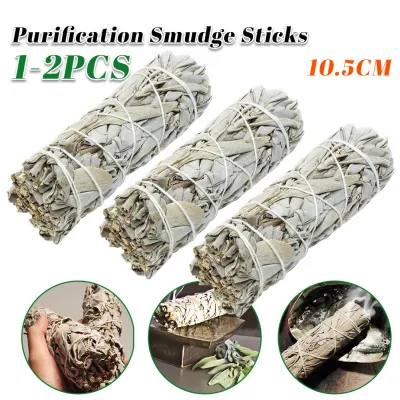
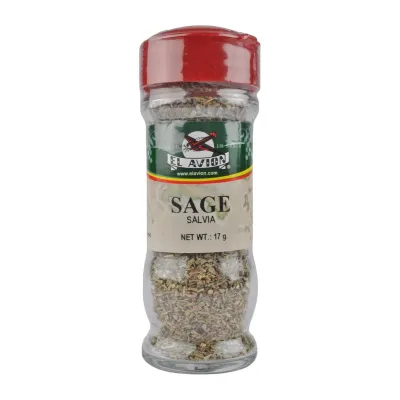
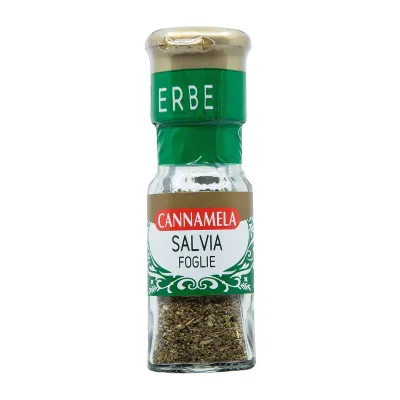
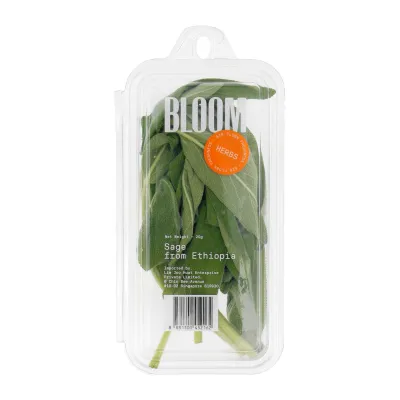
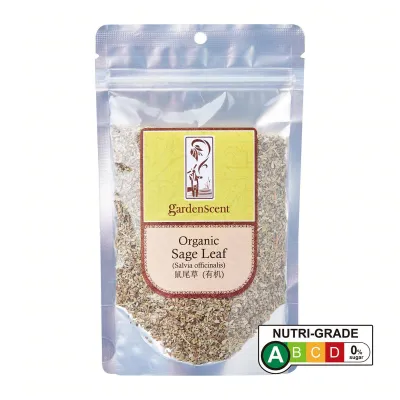
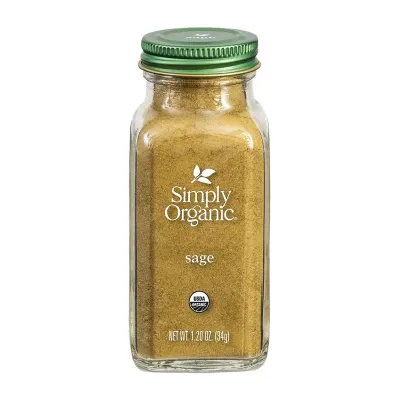
Prices are valid at publication and may change. Please refer to the product page for the latest price.
Blue sage, which often refers to Salvia azurea or Salvia clevelandii, is another wild shrub known for its vibrant blue flowers when in bloom. In the market, blue sage bundles are sometimes referred to as “grandmother sage.” The dried leaves of blue sage are typically narrower, thinner, and slightly darker than those of white sage, often presenting a dusty grayish-green hue. Depending on when the plant was harvested, these bundles may also feature small, dried blue or purple floral clusters interspersed among the foliage.
Common sage, or Salvia officinalis, is the familiar culinary herb found in spice racks and kitchen gardens worldwide. Native to the Mediterranean region, it features soft, oblong leaves with a textured, slightly fuzzy surface and a classic dusty green color. Because common sage is grown primarily for cooking rather than commercial incense bundling, it is most frequently sold as loose dried leaves or packaged in small, delicate sprigs rather than thick, tightly bound wands.
Comparing Scent Profiles and Smoke Density
The sensory experience of burning sage leaves varies significantly depending on the species you select. White sage is renowned for its incredibly strong, sharp, and deeply resinous aroma. When ignited, it releases a heavy, earthy scent with distinct pine and camphor undertones that can linger in a room for hours. Because of its high resin content, white sage produces a very thick, dense smoke that is highly effective for masking strong odors but can quickly become overwhelming in confined spaces.

In contrast, blue sage offers a much milder and sweeter aromatic profile. Its smoke carries light, herbaceous notes with a subtle floral sweetness that feels far less heavy than white sage. The smoke generated by blue sage is generally thinner and dissipates more rapidly, making it an excellent choice for daily relaxation, meditation, or light home fragrancing. If you find the intense, medicinal scent of white sage too sharp, the gentler profile of blue sage provides a welcoming alternative.
Common sage occupies a middle ground, offering a sharp, savory, and distinctly herbaceous scent when burned. The aroma is warm and familiar, closely resembling the scent of roasting herbs but with a deeper, woodier undertone. The smoke density of common sage is moderate, especially when burning loose leaves rather than a tightly bound bundle. This makes it highly manageable for quick aromatic sessions where you want a clean, natural scent without filling your entire home with thick smoke clouds.
In compact living environments, such as high-rise apartments in Singapore, heavy smoke can easily accumulate and trigger smoke detectors. Opting for lighter smoke profiles like blue sage or burning small amounts of loose common sage leaves allows you to enjoy the aromatic benefits without compromising indoor air quality. Keep in mind that scent perception is subjective, and natural batch variations will occur based on harvest conditions.
Navigating Cultural Respect and Sustainability
Before purchasing sage leaves for burning, it is crucial to understand the cultural and environmental impacts associated with these plants. White sage (Salvia apiana) holds deep spiritual significance for many Indigenous nations of North America, who have used it for generations in sacred purification ceremonies. The commercialization of white sage has led to widespread cultural appropriation, where sacred traditions are sometimes reduced to mass-market trends without respect for their origins.
This surge in global demand has created severe environmental challenges, with wild white sage populations increasingly threatened by overharvesting. When wild plants are stripped unsustainably, it damages local ecosystems and restricts access for Indigenous communities. As a consumer, choosing how and where you buy your sage leaves is a direct way to support ecological preservation.
If you choose to burn white sage, verify its origin. Look for suppliers that explicitly state their products are grown on certified organic farms or sourced through ethical partnerships with Indigenous cultivators. Avoid products labeled simply as “wild-harvested” unless they carry verifiable certifications of ethical wildcrafting.
For general home fragrance and aromatherapy, choosing blue sage or common sage is often the most sustainable and respectful path. These varieties are widely cultivated globally, face no threats of overharvesting in the wild, and do not carry the same complex history of ceremonial restriction. By opting for these accessible alternatives, you can enjoy a soothing aromatic practice while minimizing your ecological footprint and showing respect for indigenous heritages.
Which Sage Should You Choose?
To help you decide which variety best suits your needs, consider this practical decision framework based on your living space, scent preferences, and sourcing standards:
- Choose White Sage if you have a large, open living area with excellent ventilation, prefer a powerful, deeply resinous aroma that lingers, and can verify that the product is sustainably cultivated on an ethical farm.
- Choose Blue Sage if you live in a smaller home or apartment, prefer a gentler, sweeter, and slightly floral fragrance for daily relaxation, and want a highly sustainable, low-impact option.
- Choose Common Sage if you want an easily accessible, budget-friendly option for occasional use, prefer a familiar culinary-herbaceous scent, or want the flexibility of burning loose leaves in small quantities.
Before finalizing your purchase, always inspect the product’s ingredient label carefully. High-quality sage bundles should contain 100% pure dried sage leaves and be bound only with natural cotton string. Avoid any products that contain synthetic binders, artificial fragrances, or chemical glues, as these additives can release harmful toxins and unpleasant chemical odors when burned. If you are buying loose sage leaves, ensure they are free from artificial preservatives or added oils.
Essential Safety and Setup for Burning Sage
Burning dried botanicals requires careful attention to fire safety. Always place your sage bundle or loose sage leaves in a sturdy, heat-resistant container before lighting, such as a ceramic dish or cast-iron bowl. Ensure this container is placed on a stable, flat surface away from drafts and flammable household items like curtains. Never leave a smoldering bundle unattended.
Proper ventilation is essential, particularly in humid climates like Singapore. Before lighting your sage, open windows and doors to establish active cross-ventilation. This allows the smoke to circulate freely and exit the home rather than settling into fabrics. If your home has limited airflow, burn only a few loose leaves at a time to keep smoke levels minimal.
To extinguish the sage completely, gently press the burning tip of the bundle into a bowl of clean sand or against the bottom of your fireproof dish until no more smoke rises. Avoid using water, as excess moisture can saturate the inner leaves, leading to mold growth and making the bundle difficult to relight later.
Finally, always prioritize the health of your household members. If anyone in your home suffers from asthma, respiratory allergies, or general airway sensitivities, avoid burning sage entirely. The fine particulate matter present in any smoke can easily irritate sensitive lungs. For these households, safer, smoke-free alternatives such as essential oil diffusers or room mists are highly recommended.
Frequently Asked Questions (FAQ)
Can I grow my own sage for burning?
Yes, growing your own sage leaves for burning is an excellent way to ensure a sustainable supply. Common sage (Salvia officinalis) and various blue sage species are highly adaptable and can be grown successfully in pots. In tropical climates like Singapore, common sage can be cultivated on sunny balconies, provided it is planted in well-draining soil and protected from heavy rains. White sage, however, is native to arid desert regions and is extremely difficult to grow in humid environments.
To prepare your homegrown sage, harvest healthy leaves in the morning after any dew has dried. Bind the stems tightly together using natural cotton string to form a bundle. Hang it upside down in a warm, dry, and well-ventilated area away from direct sunlight, which can degrade the aromatic oils. Allow the bundle to dry completely for two to three weeks; any trapped moisture can cause mold or prevent even burning.
How do I store sage bundles to maintain their quality?
To preserve the aromatic essential oils, store your sage bundles in a cool, dry, and dark place. Direct exposure to sunlight and heat will rapidly break down the volatile compounds responsible for the fragrance, leaving you with a weak, dusty-smelling bundle.
In humid environments, moisture control is critical. Never store your sage bundles in airtight plastic containers if they are not completely dry, as this traps residual moisture and leads to mold. Instead, wrap your bundles in natural tissue paper or store them in breathable paper bags inside a dry cupboard. If you live in a highly humid region, placing a food-safe silica gel packet inside the storage container can help keep your sage leaves crisp.
Community discussion
Share your experience or ask a question. Comments are reviewed before publication.