
Quick Answer: Which Smudge Stick Should You Choose?
Deciding between white sage and palo santo depends on your immediate environment, scent tolerance, and the specific atmosphere you want to create. A smudge stick is a powerful tool for shifting the sensory profile of a room, but these two popular materials offer entirely different aromatic and physical experiences. To make the right choice, evaluate your physical space and your personal olfactory preferences.
Choose White Sage if you prefer a sharp, herbaceous, and deeply earthy aroma. It is the ideal option when you require a heavy, dense smoke to completely clear a space, such as when moving into a new home or performing an occasional deep seasonal reset. Because of its intense smoke production, white sage is best suited for larger rooms or properties with excellent cross-ventilation.
Choose Palo Santo if you lean toward sweet, warm, and woody notes with hints of citrus and mint. It is perfect if you want a lighter, more delicate smoke that dissipates quickly, making it highly suitable for daily grounding routines, meditation, or smaller living environments like apartments. Palo santo is also easier to extinguish and relight in small increments.
Products mentioned in this guide
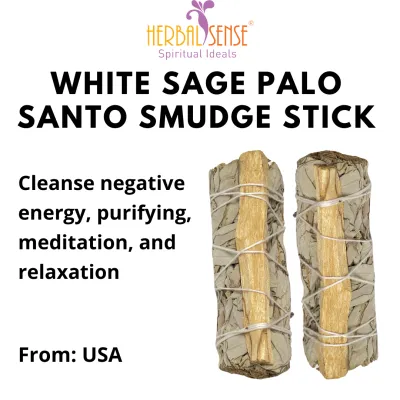
![Local Stock] White Sage Smudge Stick Purifying Cleaning Negative Energy California White Sage Bundles Aromatherapy](https://img.lazcdn.com/g/p/0fad33945cba0833741249a35fc63cfe.jpg_400x400q80.jpg_.webp)

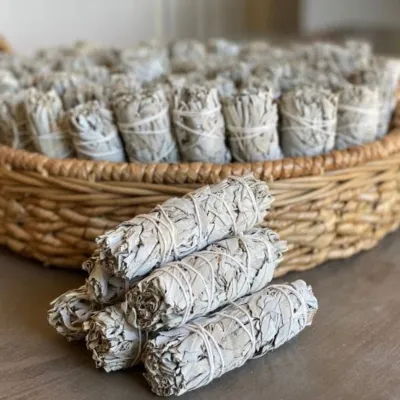
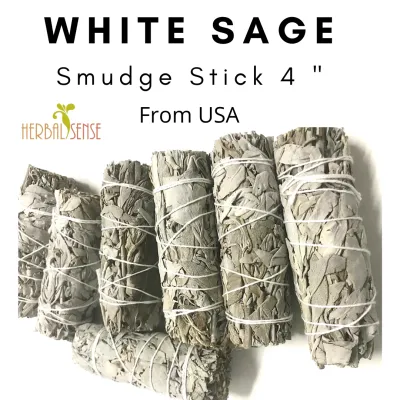
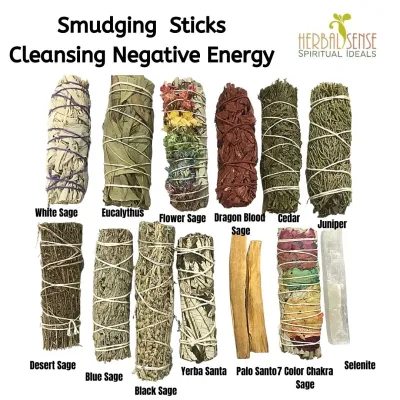
Prices are valid at publication and may change. Please refer to the product page for the latest price.
Ultimately, neither option is universally superior. Your decision should rest on your scent preferences, the ventilation capacity of your home, and your ability to verify that the products you buy are ethically and sustainably sourced.
Scent Profile and Smoke Characteristics
To choose the right aromatic companion for your home, you must first understand how these materials burn. The physical experience of using a smudge stick is defined by its chemical composition, which dictates both the scent notes and the density of the smoke released into your living space.

White Sage: Earthy, Herbaceous, and Intense
White sage (Salvia apiana) is a shrub native to the arid regions of the southwestern United States and northwestern Mexico. When you light a white sage smudge stick, it releases a potent, highly diffusive aroma characterized by strong camphoraceous, herbaceous, and deeply earthy notes. The scent is sharp and instantly recognizable, often lingering in a room and on fabrics long after the ember has been extinguished.
This intense aroma is accompanied by a thick, heavy, and opaque white smoke. The dense smoke is highly effective at carrying the botanical oils throughout expansive areas, making it a favorite for open-plan spaces. However, this same density can easily overwhelm smaller, enclosed rooms or individuals with sensitive respiratory systems. If you burn white sage indoors, you must be prepared for a highly sensory, room-filling experience that demands active airflow to clear.
Palo Santo: Sweet, Woody, and Subtle
Palo santo (Bursera graveolens), which translates to “holy wood” in Spanish, comes from a wild tree native to the seasonally dry forests of South America, including Ecuador and Peru. Unlike the leafy, herbaceous profile of sage, palo santo is a resinous wood. When burned, it releases a warm, sweet, and complex aroma. You will notice prominent woody base notes complemented by natural top notes of bright citrus, clean pine, and cool mint, which stem from its high concentration of limonene and terpineol.
In terms of physical behavior, palo santo produces a much lighter, thinner, and less intrusive smoke than sage. A palo santo stick typically burns for a shorter duration before self-extinguishing, giving you precise control over how much smoke enters your room. This delicate smoke profile makes it exceptionally well-suited for high-density urban housing, compact apartments, or daily mindfulness practices where you want to refresh the air without leaving a heavy, long-lasting smoky residue on your curtains, upholstery, or clothes.
Cultural Roots and Cleansing Intentions
Using a smudge stick is more than just a way to scent a room; it is an engagement with centuries of cultural history. Understanding the origins of these plants allows you to approach your home rituals with respect, mindfulness, and historical context.
White Sage in Smudging Practices
For generations, white sage has held a sacred place in the ceremonial practices of various Native American nations, particularly those indigenous to the Southwest, such as the Kumeyaay, Luiseño, and Chumash peoples. In these traditions, the burning of sage—often referred to as smudging—is a deeply spiritual ceremony. It is used to purify the air, clear away negative influences, invite physical and spiritual cleanliness, and establish a protective boundary around a community or space.
Because white sage has become highly commercialized globally, it is crucial for modern consumers to approach its use with cultural appreciation rather than treating it as a passing aesthetic trend. When you use a white sage smudge stick, take a moment to acknowledge its indigenous roots. Approach the practice with quiet focus and respect, recognizing that you are participating in a preserved cultural tradition that values the plant as a living, protective entity.
Palo Santo in South American Traditions
Palo santo has a rich history embedded in South American traditions, dating back to the Incan Empire. It has been used for centuries by shamans, healers, and medicine communities across the Andean and coastal regions for its purifying and therapeutic properties. In these traditional contexts, palo santo is burned to clear away stagnant, heavy energies (mala energía) and to welcome positive, uplifting, and harmonious influences back into the space.
Rather than acting as a heavy-duty clearing agent, palo santo is traditionally viewed as an inviter of good fortune, creativity, and emotional grounding. This makes it an excellent companion for modern daily routines. Whether you are settling down for a yoga session, preparing a quiet space for meditation, or simply winding down after a stressful workday, the sweet, comforting aroma of palo santo helps signal to your mind that it is time to relax, focus, and find your center.
Sustainability and Ethical Sourcing
As the global popularity of aromatherapy and space-cleansing rituals has grown, both white sage and palo santo have faced severe environmental pressures. Making an ethical purchase requires understanding how these plants are harvested and knowing how to identify responsible suppliers.
Evaluating White Sage Harvesting
White sage grows naturally in a very specific, fragile Mediterranean scrub habitat in Southern California and Baja California. Because of its sudden rise in global demand, wild white sage populations have suffered from illegal poaching, overharvesting, and habitat destruction. Poachers often strip entire plants from public and protected lands, damaging the local ecosystem and making it difficult for indigenous communities to access their traditional medicine.
To ensure your purchase does not contribute to this ecological damage, you must actively verify the sourcing of your white sage smudge stick:
- Avoid Wild-Harvested Labels: Unless the supplier can explicitly prove they have legal, respectful, and sustainable wildcrafting agreements with local indigenous landowners, avoid products labeled simply as "wild-harvested."
- Look for Cultivated Sage: Prioritize brands that source their sage from certified organic, family-owned farms that cultivate the plant specifically for commercial use.
- Demand Supply Chain Transparency: Check the seller’s website for detailed stories, photos, or certifications regarding their farms. If a retailer cannot explain exactly where and how their sage was grown, look for another supplier.
Checking Palo Santo Wood Origins
Sustainable and high-quality palo santo wood cannot be harvested from living trees. The characteristic aromatic resins only develop fully after a tree has died of natural causes and rested on the dry forest floor for a period of four to ten years. Cutting down a living palo santo tree is not only illegal in many South American countries, but it also yields wood that lacks the rich, therapeutic essential oils found in naturally aged timber.
To verify that your palo santo is authentic and environmentally friendly, use the following checklist before buying:
- Verify the Harvest Method: Ensure the supplier explicitly states that the wood was gathered exclusively from naturally fallen branches and dead trees.
- Look for Reforestation Initiatives: Ethical brands often partner with local non-governmental organizations (NGOs) or government forestry programs in Ecuador and Peru to actively replant palo santo seedlings, helping to restore the dry tropical forests.
- Check for Certifications: Look for fair-trade certifications or official export permits issued by national agricultural authorities, such as SERFOR in Peru, which regulate and trace the legal movement of palo santo wood.
Safe Burning and Space Preparation
Burning any botanical material indoors carries inherent risks of fire, smoke inhalation, and damage to household items. To enjoy your smudge stick safely, you must establish a secure environment and follow proper lighting and extinguishing protocols.
Lighting and Extinguishing Techniques
To burn your smudge stick safely and efficiently, follow these step-by-step instructions:
- Prepare a Fireproof Vessel: Before lighting, place a heat-resistant bowl—such as a ceramic dish, a cast-iron cauldron, or a traditional abalone shell—on a flat, stable surface.
- Angle and Light: Hold the smudge stick at a 45-degree angle pointing downward. Use a match or a lighter to apply a steady flame to the tip of the stick. Hold it in the flame for roughly 20 to 30 seconds, rotating it slowly so the entire tip catches fire.
- Blow Out the Flame: Gently blow out the active flame. The tip of the stick should now glow red, producing a steady, thin stream of aromatic smoke.
- Extinguish Safely: When you are finished, do not use water to extinguish your smudge stick. Water can saturate the herbs or wood, causing them to rot, mold, or become impossible to relight later. Instead, firmly press the burning tip into a fireproof bowl filled with clean sand, soil, or salt. Grind the tip gently until no more smoke rises, and verify that the core ember is completely cold before storing it away.
Ventilation, Fire Safety, and Household Precautions
Because burning herbs and wood releases particulate matter into the air, you must prioritize the safety of your household and neighbors, especially in high-density areas like Singapore where apartments are close together.
- Ventilation is Mandatory: Never burn a smudge stick in a sealed, air-conditioned room. Always open at least one window and an interior door to create a clear path for cross-ventilation. This allows the smoke to circulate through the room and carry away stagnant air, preventing respiratory irritation and keeping your smoke detectors from triggering.
- Check Manufacturer and Product Labels: Before using any new aromatic product, always read the manufacturer's safety instructions and warnings. If you are using a specialized holder, ensure it is rated for high heat.
- Protect Vulnerable Household Members: Exercise extreme caution if you share your home with children, elderly individuals, or anyone with asthma, allergies, or chronic respiratory conditions.
- Pet Safety Warning: Keep burning smudge sticks completely out of reach of pets. Dogs and cats have highly sensitive olfactory systems, and the smoke can easily cause respiratory distress. Furthermore, birds have incredibly delicate respiratory tracts; you should never burn incense, sage, or palo santo in the same home or ventilation zone as a pet bird.
- Never Leave Burning Material Unattended: Treat a smoldering smudge stick with the same caution you would give an open flame. Keep it far away from breezy open windows, curtains, bedding, paper, or any other flammable household materials.
Final Verdict: Matching the Stick to Your Routine
To help you make your final decision, we have summarized the practical differences between these two popular aromatic materials:
| Feature | White Sage Smudge Stick | Palo Santo Stick |
|---|---|---|
| Scent Profile | Sharp, earthy, herbaceous, camphorous | Sweet, warm, woody, citrus, mint |
| Smoke Density | Thick, heavy, long-lasting | Light, delicate, fast-dissipating |
| Best Living Space | Large, open areas, highly ventilated homes | Compact apartments, offices, single rooms |
| Primary Intention | Deep clearing, occasional seasonal resets | Daily grounding, meditation, uplifting mood |
| Burn Duration | Continues to smolder until manually put out | Often self-extinguishes after a few minutes |
| Ethical Focus | Farm-cultivated to protect wild populations | Naturally fallen wood with reforestation support |
If you are planning an occasional, thorough refresh of your living space—perhaps after a renovation, when moving into a new home, or after a period of illness—and you enjoy bold, deeply herbal scents, White Sage is your best choice. Just ensure you open your windows wide to let the heavy smoke do its work before escaping.
If you want an easy, low-maintenance way to bring a sense of calm and warmth to your daily routine, or if you live in a compact apartment where heavy smoke is impractical, Palo Santo is the superior fit. Its sweet, uplifting aroma and light smoke make it a gentle, comforting addition to any modern lifestyle.
No matter which path you choose, remember that the true value of your ritual lies in the mindfulness you bring to it. Take the time to research your sellers, buy only ethically sourced products, and always burn your smudge sticks with safety and respect for your environment.
Frequently Asked Questions (FAQ)
Can I use white sage and palo santo together?
While you can physically burn both together, it is generally recommended to use them one at a time. Because their scent profiles are so distinct—white sage being intensely sharp and savory, and palo santo being sweet and woody—burning them simultaneously can create a conflicting, chaotic aroma that may overwhelm your senses. Using them separately allows you to fully appreciate the unique character, smoke density, and traditional purpose of each material.
How do I store my smudge sticks to keep them dry?
To preserve the aromatic oils and ensure an even burn, store your smudge sticks in a cool, dry place away from direct sunlight. In highly humid climates, such as in Singapore, moisture in the air can cause the herbs or wood to damp down, making them difficult to light or prone to mold. To prevent this, store your dry smudge sticks in an airtight glass jar or plastic container along with a food-safe desiccant silica gel pack. If you live in a dry environment, a breathable cotton or linen drawstring bag is an excellent alternative for short-term storage.
Community discussion
Share your experience or ask a question. Comments are reviewed before publication.