
Choosing the right textiles for a newborn is one of the first and most important comfort decisions parents make. Cotton has long been established as the gold standard for baby blankets, recommended consistently by pediatricians and textile experts alike. This natural fiber possesses unique physical and chemical properties that directly support an infant’s developing physiological systems, particularly their delicate skin and thermoregulation needs. Understanding how different weaves, fabric weights, and safety certifications impact daily use is key to selecting the perfect blanket for your baby.
Why Cotton Is Recommended for Infant Comfort and Safety
Infants have a highly sensitive physical makeup, and their bodies do not respond to environmental changes the same way adult bodies do. Newborns possess an underdeveloped thermoregulation system, meaning they cannot easily regulate their own body temperature. Cotton fibers feature a natural, hollow structure that allows air to circulate freely. This exceptional breathability prevents pocketed heat from building up against the skin, helping to keep your baby at a safe, stable temperature during sleep and rest.
In addition to temperature regulation, managing moisture is critical for maintaining healthy infant skin. Babies sweat easily, especially during deep sleep cycles or when wrapped warmly. Cotton is highly hydrophilic, meaning it naturally absorbs and wicks away moisture, holding up to 27 times its weight in water. By pulling sweat away from the skin and allowing it to evaporate quickly, cotton blankets prevent the damp warmth that leads to friction, chafing, and prickly heat rash.
Products mentioned in this guide
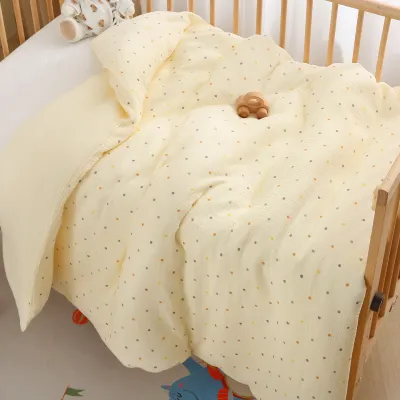
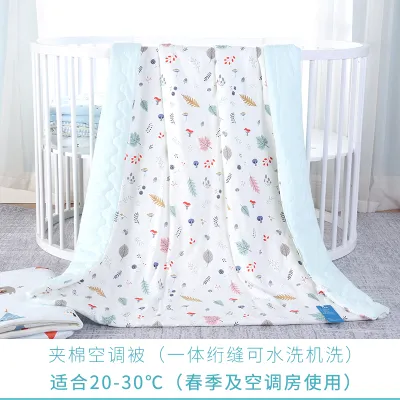
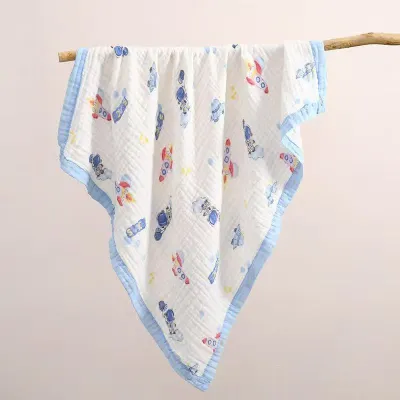
![[New Arrival] Baby Newborn Swaddle Wrap Sleeping Bag Infant Swaddle Blanket 100% Cotton](https://img.lazcdn.com/g/p/374585f4562693127b75c7e678a11614.jpg_400x400q80.jpg_.webp)
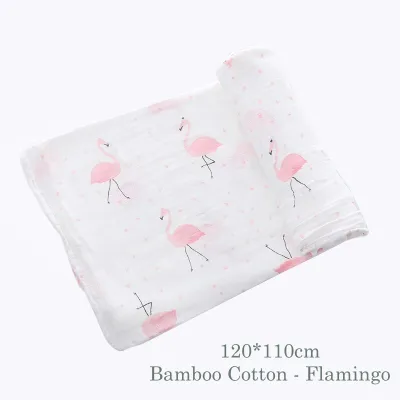
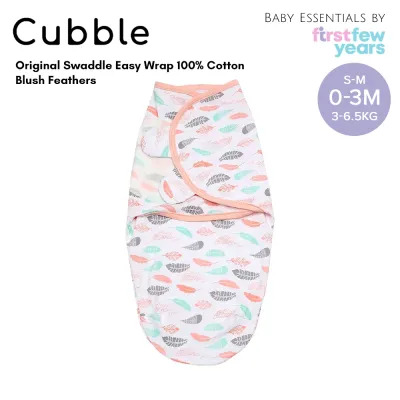
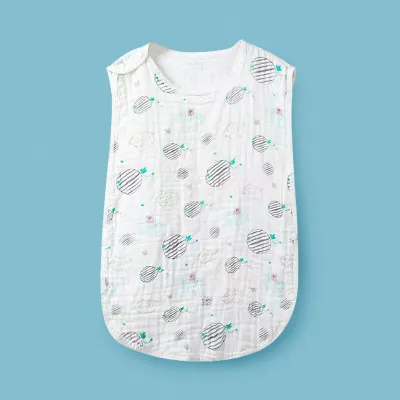
Prices are valid at publication and may change. Please refer to the product page for the latest price.
Infant skin is also up to 30% thinner than adult skin, making it highly susceptible to chemical irritants and mechanical friction. Synthetic fibers like polyester, acrylic, or nylon are petroleum-based and can trap static electricity, dust, and chemical residues. Cotton, as a pure and natural fiber, is inherently hypoallergenic and contains no harsh synthetic polymers. This makes it exceptionally gentle on sensitive skin and an ideal choice for babies prone to infantile eczema or contact dermatitis.
Furthermore, cotton offers unmatched durability and improves with age. While synthetic blankets often begin to pill, stiffen, or shed microfibers after a few trips through the washing machine, cotton fibers actually relax and soften with repeated laundering. This long-term structural integrity ensures that the blanket remains incredibly gentle against your baby’s skin over months of heavy use, without losing its shape or breathability.
Essential Cotton Qualities to Evaluate Before Buying
Not all cotton blankets are created equal, and navigating product labels requires an understanding of how manufacturing choices alter the fabric’s performance. Parents should evaluate three primary criteria: the weave style, the fabric weight, and the safety certifications.

Weave Styles and Their Best Uses
- Muslin: This is an ultra-loose, open plain weave that is incredibly lightweight and breathable. Muslin cotton is highly flexible and stretchy, making it the premier choice for secure swaddling, light stroller covers, and daily use in warm environments. Its open structure ensures maximum airflow, minimizing any risk of heat retention.
- Jersey: Knitted rather than woven, cotton jersey offers a distinct, t-shirt-like stretch and a cozy, continuous texture. It provides excellent comfort and a snug fit, making it perfect for slightly cooler environments where a gentle, reassuring weight is desired without sacrificing breathability.
- Waffle (Thermal): Characterized by a distinct honeycomb texture, waffle weave cotton creates small pockets of air that insulate the baby naturally. This structure provides moderate warmth while maintaining excellent airflow, making it highly versatile for fluctuating temperatures or transitional spaces.
- Flannel/Fleece (Cotton): Cotton flannel features a brushed surface that raises the fiber ends, creating a soft, fuzzy texture that excels at trapping heat. While incredibly cozy, cotton flannel or cotton fleece must be used with caution, particularly in tropical climates, to ensure the baby does not overheat during sleep.
Thread Count and Fabric Weight
In the world of adult bedding, high thread counts are often marketed as a sign of luxury. However, for baby blankets, a moderate thread count—typically between 100 and 200—is far superior. A lower, more open thread count ensures the fabric remains light, supple, and highly breathable.
Excessively high thread counts (such as 400 or above) require tightly packed, dense yarns. This dense construction restricts airflow, turning the blanket into a heat trap that can easily cause a baby to sweat and overheat.
Instead of relying on thread count to gauge warmth, parents should evaluate fabric weight, measured in grams per square meter (GSM), or the number of fabric layers. For instance, a 2-layer muslin blanket is ideal for warm days, while a 4-layer or 6-layer muslin offers layered warmth without the density of a high-thread-count weave.
Dyes, Finishes, and Safety Certifications
To protect your baby’s delicate respiratory and dermatological systems, prioritize blankets made with untreated, unbleached, or naturally dyed cotton. While decorative patterns and aesthetic colors are popular design choices for nursery decor, these stylistic elements are subjective preferences; parents should prioritize chemical safety and fabric breathability over visual styling when selecting a blanket. Avoid fabrics treated with heavy chemical finishes, such as synthetic water-repellents or chemical flame retardants, unless they are explicitly certified as safe for infant contact.
Look for independent safety certifications on the product label. The OEKO-TEX Standard 100 certification guarantees that every component of the blanket, from the thread to the dyes, has been rigorously tested for over 100 harmful substances.
Alternatively, the Global Organic Textile Standard (GOTS) certification ensures that the cotton is organic, grown without synthetic pesticides, and processed under strict environmental and social criteria. These labels provide objective verification of chemical safety that standard marketing claims cannot match.
Choosing the Right Cotton Blanket for Singapore's Climate
Navigating Singapore’s unique climate requires a thoughtful approach to baby blankets, as infants frequently transition between intense outdoor heat and chilly, air-conditioned indoor spaces. Outdoors, where temperatures routinely exceed 30°C with high humidity, protection from the sun and light breezes is best achieved with a single or double-layer muslin cotton blanket. This ultra-lightweight option keeps your baby cool during stroller walks in the East Coast Park or botanical gardens, preventing heat exhaustion.
Indoors, however, the environment changes dramatically. Shopping malls, MRT trains, and residential bedrooms running air conditioning can drop to 20°C to 22°C. In these heavily cooled spaces, a single layer of muslin may not provide enough insulation to maintain your baby’s core body temperature. For indoor air conditioning, transition to a slightly heavier cotton jersey blanket or a multi-layered (4-layer) muslin blanket, which traps a comfortable amount of warmth without blocking airflow.
A smart, practical strategy for local parents is to practice layering rather than relying on a single, thick quilt. By keeping several lightweight cotton blankets on hand, you can easily add or remove a layer as you move between the humid outdoors and air-conditioned interiors. This modular approach ensures your baby remains comfortable and safe in any microclimate.
Additionally, always verify the blanket’s physical dimensions before buying. A swaddle blanket requires a large, square shape—typically 110cm by 110cm or 120cm by 120cm—to allow for a secure, safe wrap. Conversely, a stroller or car seat blanket should be smaller, around 75cm by 100cm, to ensure excess fabric does not drag on the ground, collect dirt, or become tangled in wheels.
Washing and Caring for Cotton Baby Blankets
Proper maintenance of cotton baby blankets is essential for preserving their softness, hygiene, and overall safety. Follow these practical steps to keep your baby’s blankets in pristine condition:
- Pre-washing: Always wash all new cotton blankets before their very first use. This essential step removes any residual dust, chemical sizing agents, or manufacturing residues accumulated during production and shipping, while also allowing the cotton fibers to undergo their natural initial shrinkage.
- Detergent Selection: Choose a mild, fragrance-free, and dye-free liquid detergent formulated specifically for babies. Avoid standard detergents containing optical brighteners, synthetic perfumes, or enzymes, as these chemical residues can linger on the fabric and trigger skin irritation or flare-ups of eczema.
- Washing Conditions: Wash cotton blankets in cool or warm water, following the manufacturer's care label closely. Crucially, avoid using commercial fabric softeners or dryer sheets. While they promise extra softness, softeners coat the cotton fibers in a hydrophobic chemical film that severely reduces the blanket's natural absorbency and breathability over time.
- Drying: Whenever possible, air-dry cotton blankets in a shaded outdoor area or a well-ventilated indoor space to preserve the strength of the natural fibers. If using a tumble dryer, select a low-heat, gentle cycle to prevent excessive shrinkage and fiber damage. Note that high-quality cotton will naturally shrink slightly during its first few wash cycles; this is a normal characteristic of natural fibers and does not affect the blanket's performance.
Frequently Asked Questions (FAQ)
Is organic cotton necessary for a baby's sensitive skin?
While organic cotton is highly beneficial, it is not strictly mandatory for every baby. Organic cotton is grown without synthetic pesticides and processed without toxic chemicals, making it the absolute gentlest option for infants with severe eczema, extreme chemical sensitivities, or highly reactive skin. However, regular cotton that carries an independent safety certification, such as OEKO-TEX Standard 100, has been thoroughly tested for harmful chemical residues and is completely safe and comfortable for the vast majority of infants.
How many cotton blankets should I prepare for a newborn?
Preparing a baseline of 3 to 5 cotton blankets is ideal for a newborn. This quantity ensures you always have one clean blanket in active use, one in the laundry, and at least one or two spares ready for unexpected spit-ups, diaper leaks, or travel. For maximum versatility, aim for a mix of styles: two or three lightweight muslin swaddles for daily wrapping and stroller use, and one or two slightly heavier jersey or multi-layer blankets for air-conditioned environments.
What is the difference between a swaddle and a regular cotton blanket?
The primary differences lie in their size, shape, and intended safety function. A swaddle is a large, lightweight, and square blanket (typically 120cm by 120cm) designed specifically to wrap a newborn snugly, mimicking the security of the womb and preventing the startle reflex. A regular cotton blanket, such as a receiving or crib blanket, is often smaller, thicker, or rectangular. These are designed for general warmth, tummy time, or draping over a stroller, and should not be used for swaddling as the excess or thick fabric can pose a safety risk in a crib.
Community discussion
Share your experience or ask a question. Comments are reviewed before publication.